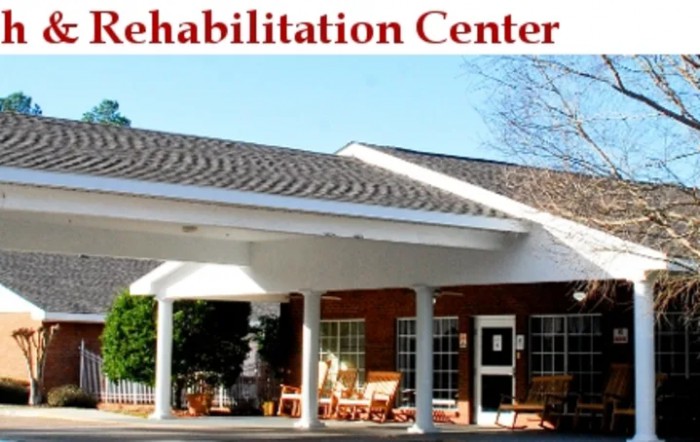
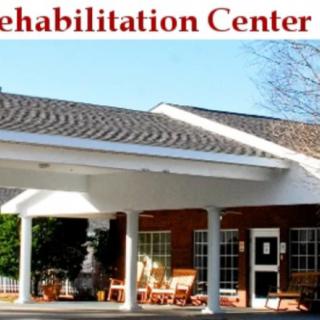
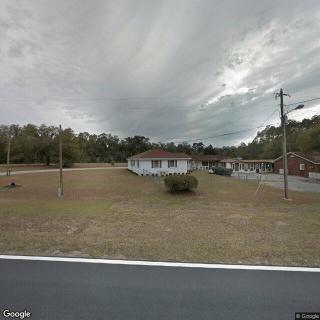
16690 South West Chipola Road, Blountstown, FL 32424
For more information about senior living options: (866) 208-4318
Overall Review of Blountstown Health And Rehabilitation Center
Pros
 Blountstown H&R is awesome.
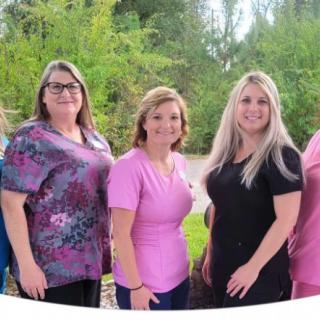
- BHR has the most compassionate and loving staff.
- The staff treat residents with kindness and love every day.
- The staff contact families with any issues, no matter how small.
- The staff show kindness and grace, even during difficult times.
- Residents feel like the facility is a family with ongoing support.
- The facility provides first-class care.
- The staff are awesome and supportive.
- The facility is very clean and residents are well cared for.
- Residents appreciate the workers.
Cons
 The Panama City facility was awful.
- The staff lied to families about everything and covered up.
- They allegedly punched the mother in the eye, rupturing her brain stem and causing her death.
- They are not truthful with residents and do not inform them about what's going on with their care.
- They would not provide names or contact information for leadership (board members, president, or CEO).
- They are willing to let patients sit in a room and not be truthful with them.
Review
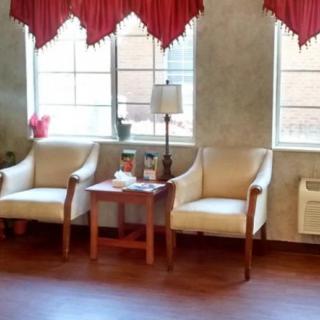
This community is best suited for families seeking a warm, hands-on post-acute option in Blountstown where rehabilitation and dementia care are delivered in a compassionate, family-like setting. It works well for seniors who want daily personal attention, steady caregiver relationships, and proactive updates to loved ones. Those needing robust, highly transparent governance or 24/7 physician oversight may want to consider alternatives. It is especially appropriate for residents aiming to regain mobility after surgery or a health setback, and for families prioritizing kindness, practical rehab services, and a supportive environment over an antiseptic, corporate vibe.
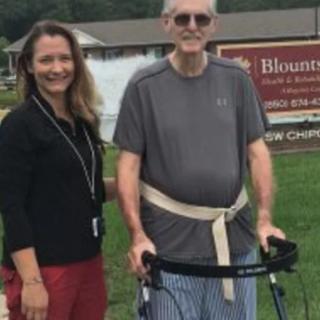
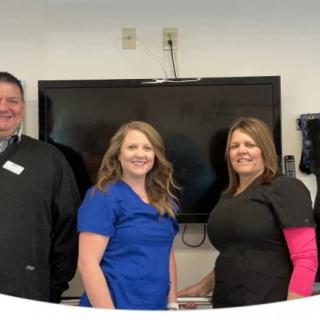
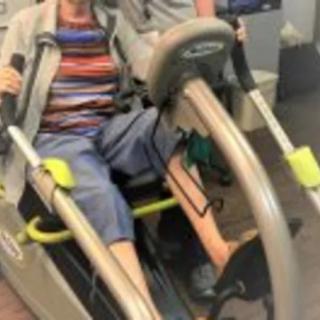
The strongest positives center on staff who appear genuinely caring and engaged, coupled with strong cleanliness and meaningful rehab support. Several reviewers describe caregivers as loving, respectful, and patient, with staff communicating issues promptly to families. The facility is praised for helping residents stay clean, safe, and moving forward, and for creating a sense of belonging, an atmosphere where a resident can feel part of a “family” rather than a number. The rehab team receives frequent kudos for practical, skilled assistance that translates into tangible progress for those recovering from surgery or dealing with mobility challenges.
However, serious concerns surface in a subset of reviews that cannot be ignored. Claims about abuse by staff and a lack of transparency about leadership and accountability have appeared, including demands for contact information for boards or executives and accusations of being kept uninformed about a resident’s status. A few reviewers describe feeling deceived or left uncertain about care decisions, which can exacerbate anxiety and depression for someone already adjusting to a new setting. While these complaints are not universal, they are persistent enough to prompt careful validation before committing, especially for families weighing long-term placement.
These competing signals mean the pros can offset the cons for many families, but only when trust is actively built and maintained. Where the care team demonstrates consistent, clear communication and a responsive approach to concerns, the kindness and mobility-focused rehab become especially valuable. For residents with dementia or complex health needs, the combination of attentive staff and a home-like culture can deliver stability, reduce agitation, and support ongoing improvement. In other words, the practical gains in daily care and rehab can outweigh perceived governance gaps for those who experience reliable, transparent, and compassionate treatment.
Alternatives may be preferable for families prioritizing governance and accountability or seeking highly formalized dementia programming. If absolute transparency and rapid escalation of concerns are non-negotiable, or if there is a history of safety concerns, exploring other options with more visible leadership and documented issue-resolution processes is wise. Families should also compare facilities with dedicated memory care units and formal activity plans, where oversight and standardized procedures are more evident. Blountstown H&R can meet many needs, but it is not the best fit for every family, particularly those who require airtight governance and uncompromising disclosure.
Practical decision steps guide the closure of the choice. Begin with a live, in-person tour and observe interactions between staff and residents across shifts. Request candid conversations with current residents and their families, and seek out the most recent state survey results plus any plans of correction. Inquire specifically about incident reporting, staff turnover, and how family concerns are tracked and acted upon. Verify the level of medical oversight available and ensure communication protocols are documented in writing for daily updates and changes in care. By weighing compassionate care, rehabilitation strength, and the tone of accountability, families can determine whether this community aligns with their priorities or if a more governance-forward option is warranted.
 96 resident community capacity
 Skilled Nursing Facility
 Air-conditioning
 Beauty salon
 Cable or satellite TV
 Computer center
 Dining room
 Fitness room
 Fully furnished
 Gaming room
 Garden
 Housekeeping services
 Kitchenette
 Move-in coordination
 Outdoor space
 Private bathrooms
 Restaurant-style dining
 Small library
 Telephone
 Wellness center
 Wi-Fi/high-speed internet available
 Community operated transportation
 12-16 hour nursing
 24-hour call system
 Activities of daily living assistance
 Assistance with bathing
 Assistance with dressing
 Assistance with transfers
 Diabetes diet
 Medication management
 Mental wellness program
 Special dietary restrictions
 Concierge services
 Planned day trips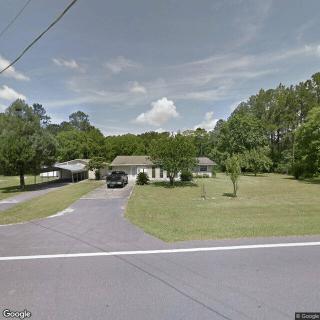




 Skilled Nursing Facilities vs. Nursing Homes: Making Sense of the Differences
 A Detailed Examination of Nursing Home Costs Across the U.S.
 Exploring Nonmedical Home Care: Understanding Services, Costs, and Financial Approaches