Inspire Rehabilitation And Health Center in Washington, DC

Save

  • Interior

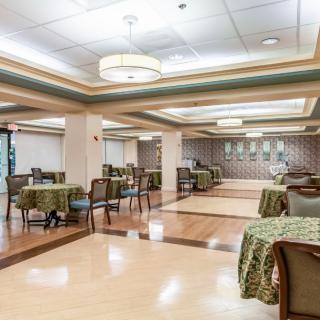
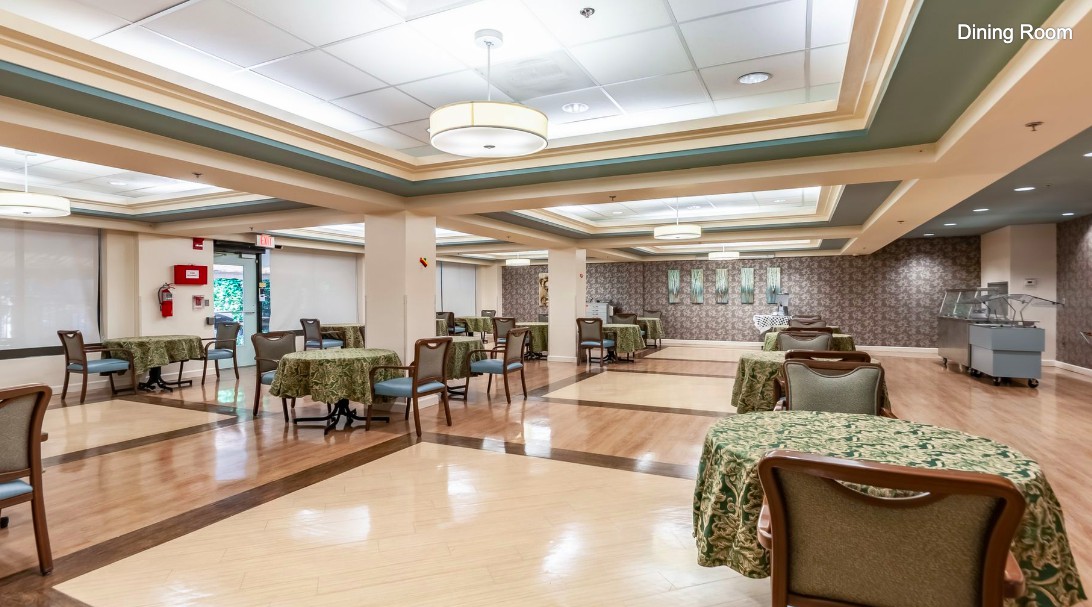
    A spacious and elegantly decorated dining area with tables set for service.
  • Decor

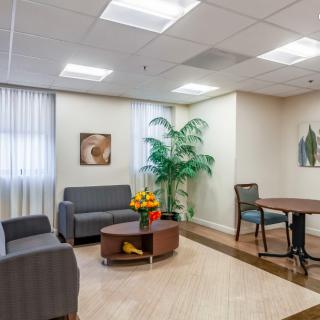
    A modern office waiting room with comfortable seating and decorative plants.
  • Living Room

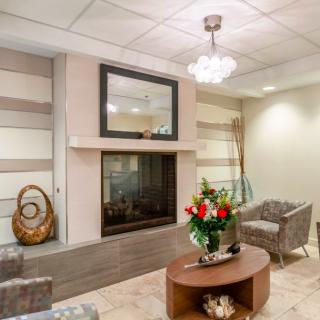
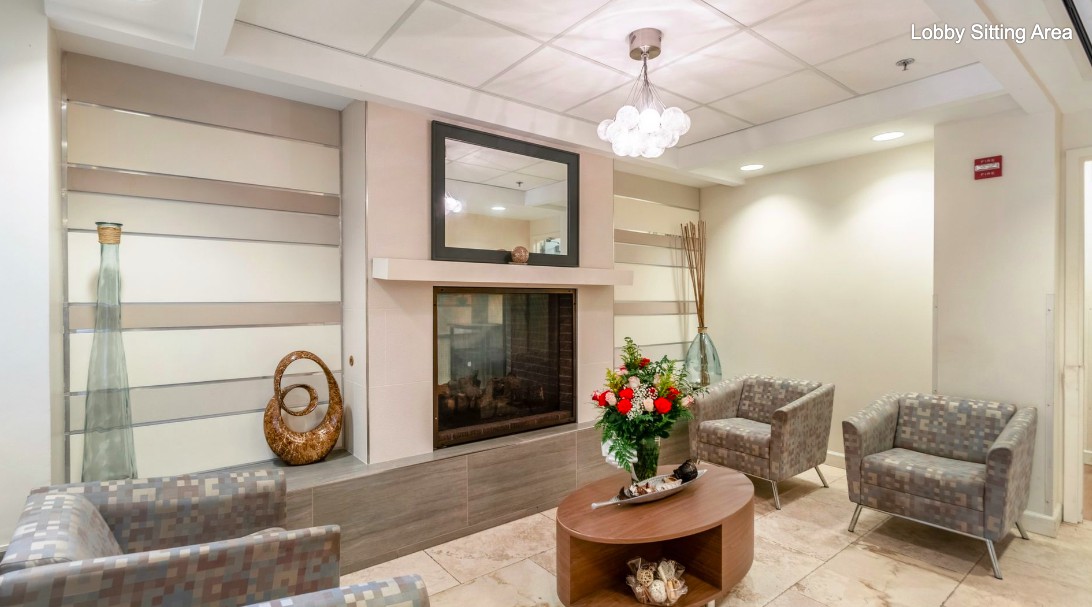
    A modern living room with a central fireplace, stylish furniture, and elegant decorations.
  • Building

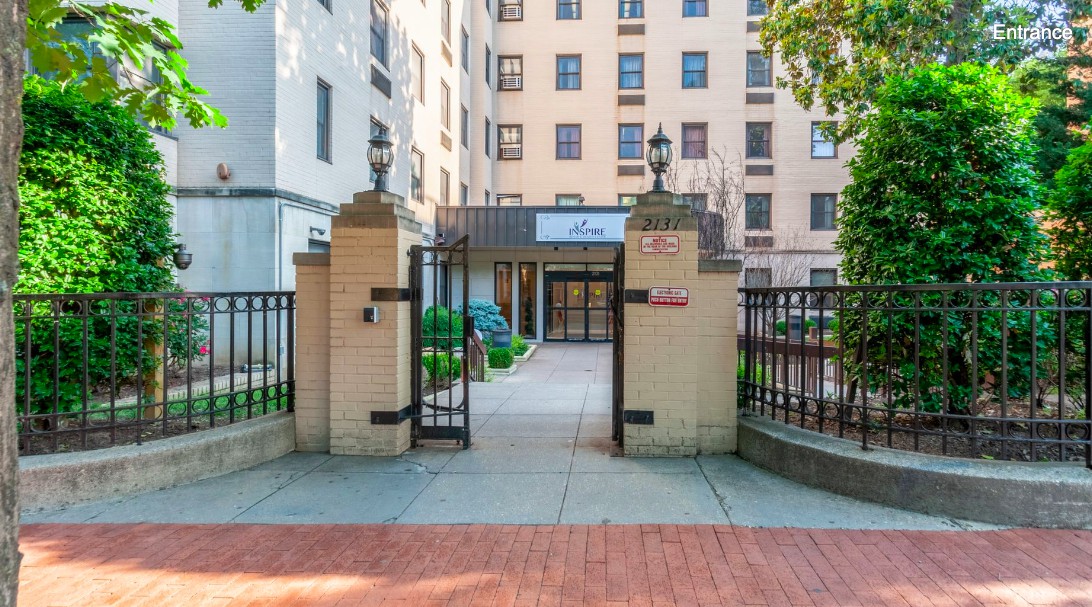
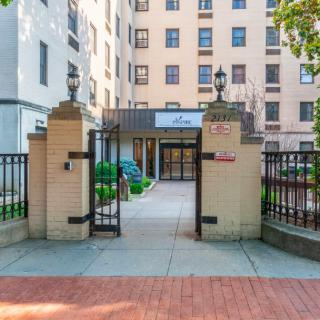
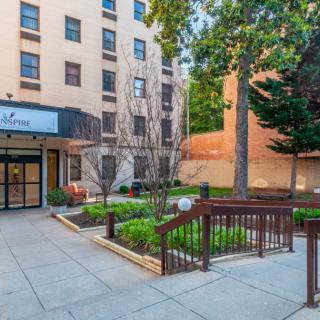
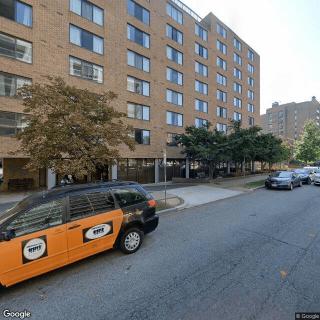
    An entrance gate leading to a residential apartment building in an urban setting.
  • Bedroom

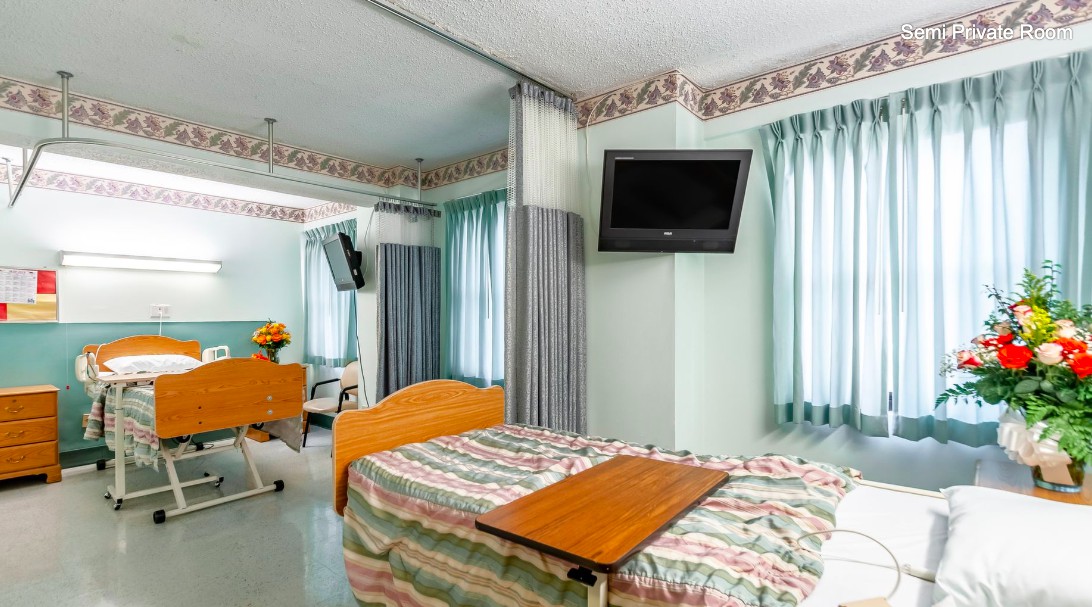
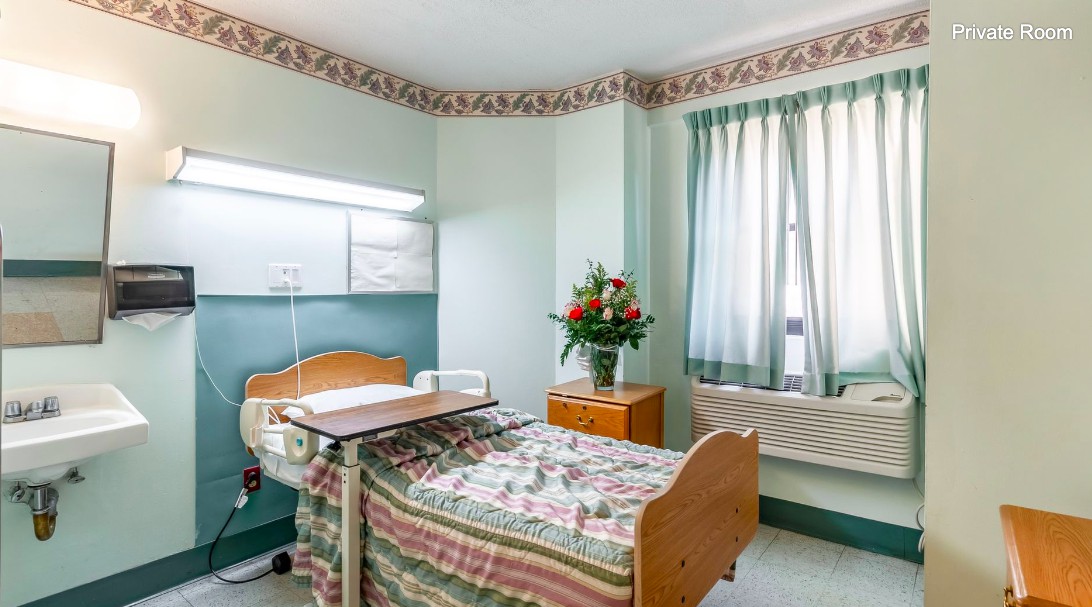
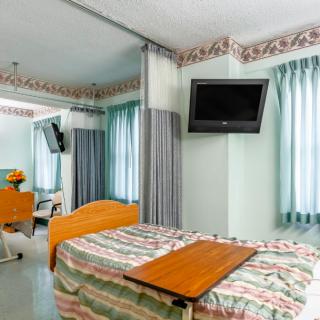
    A hospital room with a bed, television, and curtains.
  • Trees

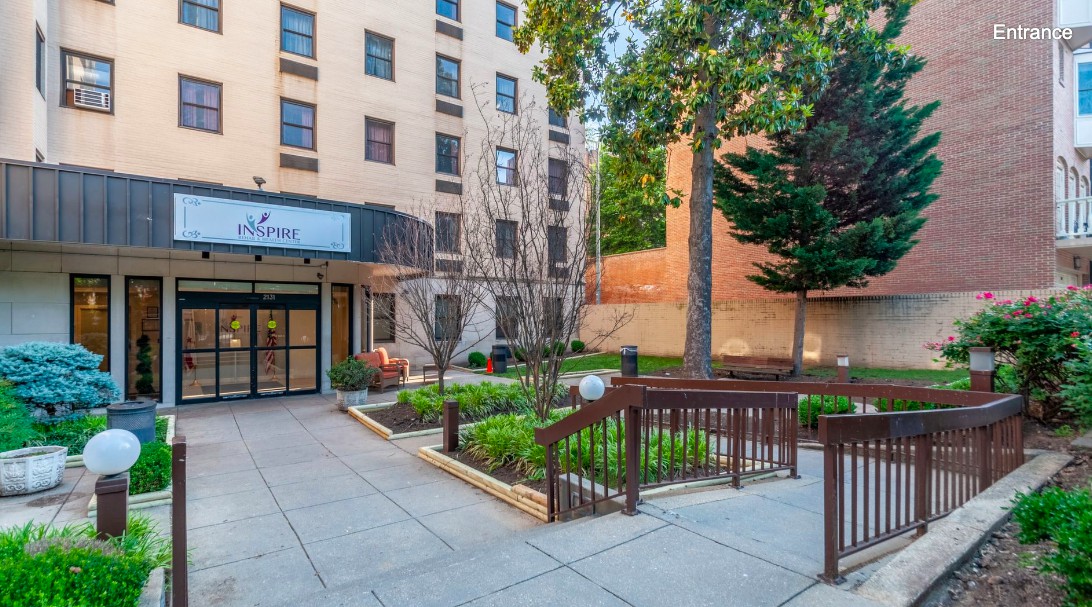
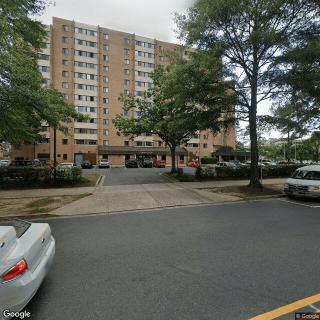
    Entrance of an apartment building with landscaped surroundings and sidewalk.
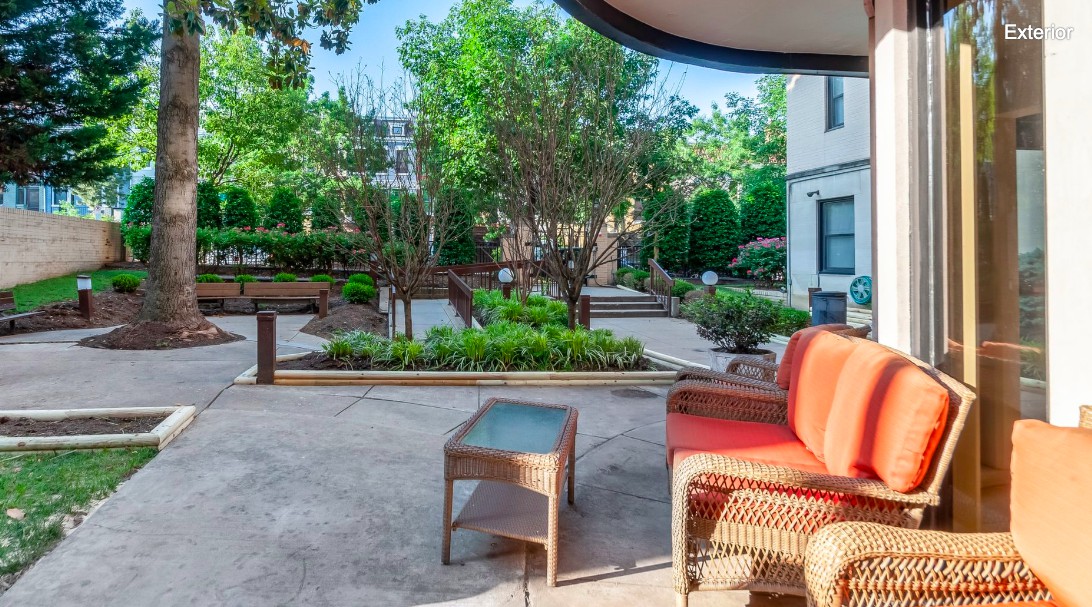
  • Landscaping

    A serene outdoor patio area featuring comfortable seating and lush garden surroundings.
  • Outdoor

    Outdoor patio area with tables, chairs, grills, and shade from awnings.
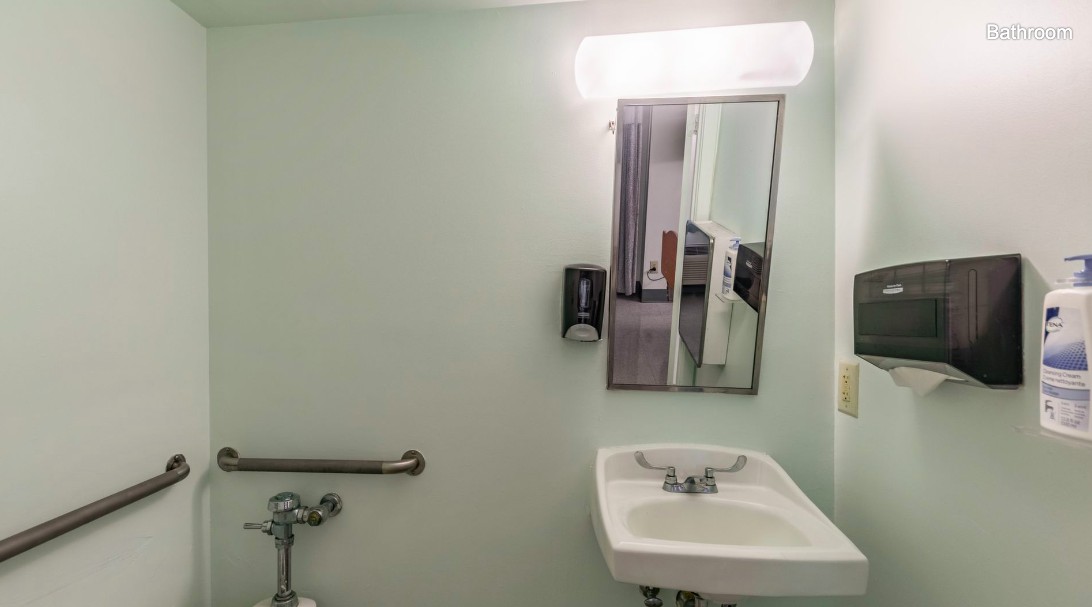
  • Bathroom

    A simple bathroom setup with a sink, mirror, and handrail.
  • Lobby

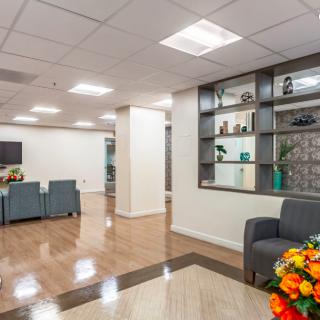
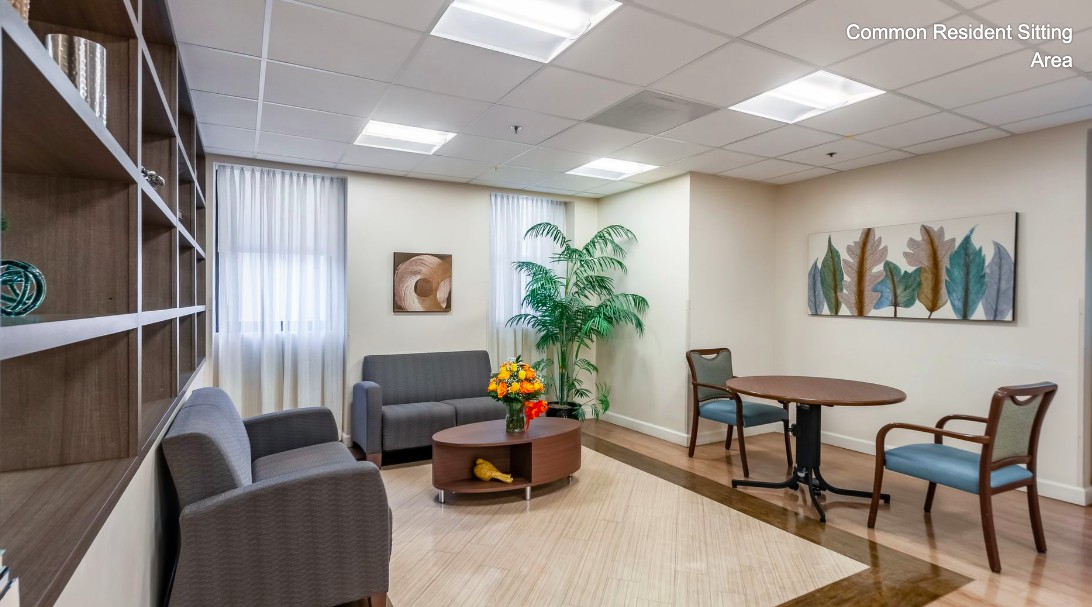
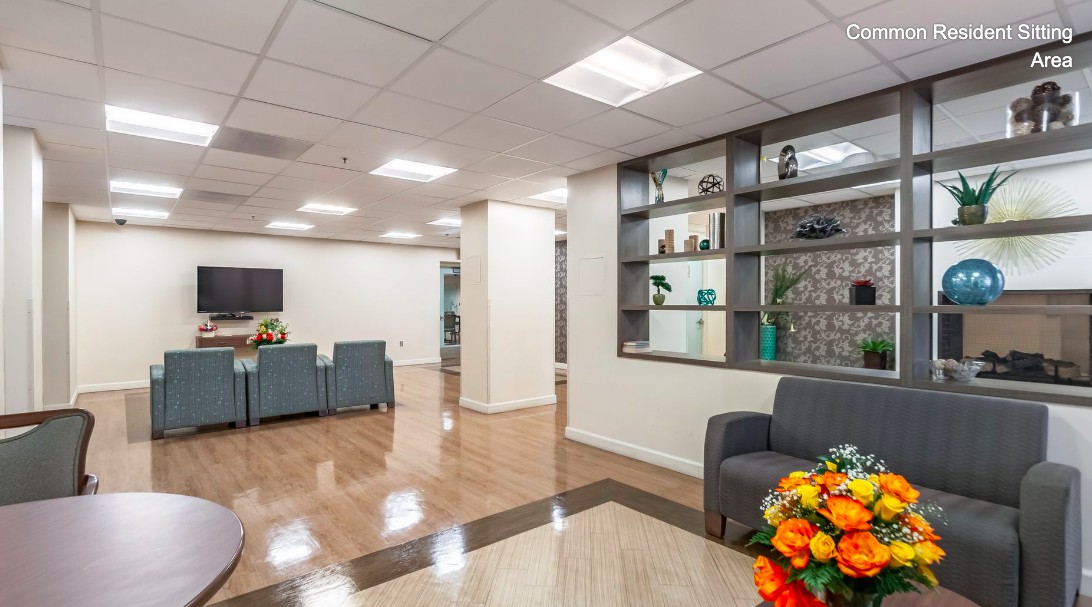
    A modern lobby with comfortable seating and decorative elements.

Inspire Rehabilitation And Health Center in Washington, DC

2131 O Street Nw, Washington, DC 20037

For more information about senior living options: (844) 490-3973

4.4 from 107 reviews
5 stars
83
4 stars
9
3 stars
0
2 stars
1
1 stars
14

Overall Review of Inspire Rehabilitation And Health Center

Pros

  • pro The staff are very nice and have a good personality.
  • pro The facility smells clean and pleasant.
  • pro The center has excellent and very experienced staff.
  • pro The staff have taken excellent care of residents.
  • pro The experience has been exceptional and the staff are thoughtful and kind.
  • pro The nurses are very helpful and patient.
  • pro The staff are awesome and take great care of loved ones; families are happy.
  • pro The front desk staff are friendly and helpful, and the facility is clean.
  • pro Inspire Rehabilitation Health Center has good leadership, teamwork, and a clean environment.

Cons

  • pro The rating for this facility is a lie, and the only reason they received one star is because zero wasn't an option.
  • pro If you have a loved one in this facility, move them immediately.
  • pro My grandmother was sent to this facility for rehabilitation after back surgery only to end up back in the hospital with a horrible infection, ripped stitches, literally the white meat hanging out of her back.
  • pro Not only did they allow her to lay in her waste for days, they did not provide adequate wound care, the nursing staff was horrible, and combative.
  • pro The hallways smell of urine, feces and cockroaches; the rooms are broken down and absolutely filthy.
  • pro The staff is verbally and physically abusive; they allowed my husband to lie in his own urine for two days after mishandling his urostomy bag.
  • pro This facility should be condemned and shut down by the DC Board of Health.
  • pro The online photos are a FARCE.
  • pro Please don't bring your loved ones here; it would be better to take them to the grave because these people don't communicate with anyone.
  • pro This place is the worst; it smells like pee and they don't communicate with anyone.

Review

Inspire Rehabilitation and Health Center in Washington, DC, is best suited for families seeking a rehab-focused environment where a robust therapy program and a personable, engaged staff can drive meaningful recovery after surgery, stroke, or serious injury. The community shines when the goal is subacute or short-to-medium term rehabilitation with a clear pathway toward increased independence, tied to active family involvement and close coordination among therapy, nursing, and social services. Those who want a consistently flawless day-to-day experience across all shifts should know that experiences vary, and some families may want to explore alternatives that promise tighter oversight, uniform responsiveness, and stricter daily operating standards.

The strongest positives are tangible in the therapy-forward culture and the quality of care on many floors. Residents often benefit from experienced therapists and a team approach where speech, physical, and occupational therapy are integrated with nursing support. Families repeatedly praise attentive nurses, patient aides, and proactive social workers who keep loved ones engaged and informed about progress and discharge planning. The environment is frequently described as clean and pleasantly maintained, with security features and a straightforward check-in process that ease visits. When care is well coordinated, the atmosphere feels hopeful: residents participate in therapy, show real gains, and families leave reassured that skilled professionals are steering the recovery journey.

Yet the spotlight of experience reveals meaningful caveats. Several reviews report inconsistent day-to-day attentiveness, with some families describing delays in basic needs and uneven responsiveness across shifts. A handful of accounts describe tense dynamics between staff and visitors, and others point to communication gaps that complicate discharge planning or updates on health changes. Not every floor or unit operates at the same cadence, and a few families recount odors, shared-room layouts, or privacy challenges that can cloud the otherwise favorable therapy focus. The most serious concerns cluster around neglect-like symptoms, disorganized housekeeping, and disjointed oversight in some instances, painting a clearer picture of what can go wrong when staffing pressures or miscommunication align unfavorably.

Those cons do not erase the clear advantages for the right candidate, but they do temper the overall impression. The pros, strong rehab teams, friendly and professional staff, clean surroundings, and robust admissions and social-work coordination, can offset many questions about therapy quality and daily routines. When families encounter well-run therapy sessions, responsive nurses, and a welcoming entrance with organized check-in, Inspire delivers the core value of a facility that can meaningfully improve mobility and daily function. The contrast is sharp: in cases where staff cohesion is strong and care plans are well communicated, residents flourish; in pockets where oversight frays or basic daily care gaps appear, the benefits feel significantly narrower.

This is a facility that rewards a practical, engaged approach from families. The best fit emerges for seniors needing rehabilitation with a clear trajectory toward regained independence, coupled with a willingness to advocate for timely communication and thorough wound, hygiene, and daily-care management. It helps to have realistic expectations about layout and room-sharing dynamics, as some reviews note that space can feel tight in certain wings. Families that value a tech-forward check-in process and a front-desk culture that is approachable will also find Inspire appealing. For long-term custodial care or for residents requiring near-total daily assistance with stringent consistency, though, this may be a signal to compare other DC-area options with more uniform staffing coverage and a more predictable day-to-day rhythm.

Alternatives are worth considering for those with heightened concerns about reliability, privacy, and continuous oversight. Facilities with consistently smaller caregiver-to-resident ratios, firmer wound-care protocols, and a history of uniform satisfaction across shifts may provide greater peace of mind for families whose loved ones require steady care without exception. Those who have seen or heard persistent signs of neglect, communication breakdowns, or difficult staff dynamics in any setting should pursue direct conversations about staffing patterns, response times, and the facility’s escalation processes before making a commitment. Tours should include candid discussions with the administrator, the director of nursing, and the therapy leads, and should request unfiltered feedback from current families about daily routines, nutrition, and the handling of sensitive issues such as falls, infections, and discharge timelines.

Ultimately, Inspire Rehabilitation and Health Center stands as a practical, capable choice for rehab-focused care in DC when the priority is a strong therapy program, a caring staff, and a clean, secure environment, and when families are prepared to stay actively involved in monitoring care quality. The decision hinges on balancing the proven benefits of skilled rehabilitation, staff warmth, and effective coordination against the realities of occasional care inconsistencies and communication gaps. For families who can navigate those dynamics, with clear expectations and a plan to maintain oversight, the facility offers meaningful potential for recovery, mobility gains, and renewed independence. For those who require unwavering daily reliability and uniform care across every shift, or who fear the risk of delayed responses and basic-care lapses, exploration of alternative communities with a track record of consistent performance may be the wiser course.

Features

Housing

  • 180 resident community capacity 180 resident community capacity

Types of Care

  • Skilled Nursing Facility Skilled Nursing FacilitySkilled Nursing Facilities are crucial for seniors as they provide round-the-clock medical care, rehabilitation services, and assistance with daily activities. These facilities ensure that seniors receive the specialized care they need to maintain their health and well-being as they age.

Amenities

  • Air-conditioning Air-conditioningAir conditioning is important for seniors as they are more vulnerable to heat-related illnesses and may have underlying health conditions that make it difficult for them to regulate their body temperature. It helps to keep them comfortable, safe, and healthy in hot weather.
  • Beauty salon Beauty salonBeauty salons are important for seniors because they provide a space for them to feel pampered, socialize, and maintain their personal grooming and hygiene. Regular visits to a beauty salon can help boost seniors' self-esteem and overall well-being.
  • Cable or satellite TV Cable or satellite TVCable or satellite TV is important for seniors because it provides entertainment, news, and companionship, helping to combat loneliness and boredom. It also offers a wide range of programming options tailored to different interests and preferences.
  • Computer center Computer centerA computer center is essential for seniors as it provides access to technology, communication tools, and resources that can enhance their daily lives. It allows them to stay connected with loved ones, engage in online activities, and learn new skills, ultimately promoting socialization and mental stimulation.
  • Dining room Dining roomDining rooms are important for seniors as they provide a space for socialization, connection, and nutritious meals. They offer opportunities for residents to bond over shared meals, foster a sense of community, and promote healthy eating habits. Dining rooms also ensure that seniors have access to well-balanced meals tailored to their dietary needs and preferences.
  • Fitness room Fitness roomHaving a fitness room in a senior living community is essential for seniors to stay active, maintain their physical health, and improve their overall well-being. Regular exercise can help prevent falls, reduce the risk of chronic diseases, and promote mental sharpness. It also provides social opportunities for residents to connect with others and enjoy a sense of community.
  • Fully furnished Fully furnishedFully furnished senior living communities are important for seniors because they provide convenience, comfort, and a hassle-free moving experience. Seniors can easily settle into their new living space without the stress of having to buy and move furniture. This allows them to focus on enjoying their new home and community.
  • Gaming room Gaming roomGaming rooms are important for seniors as they provide a fun and engaging environment for socializing, cognitive stimulation, and physical activity. Games can improve memory, problem-solving skills, and overall mental well-being while fostering friendships and reducing feelings of isolation.
  • Garden GardenGardens are important for seniors as they provide a peaceful and therapeutic environment for relaxation, physical activity, and socialization. Being in nature has been shown to reduce stress, improve mood, and promote overall well-being. Gardens also offer opportunities for seniors to engage in gardening activities, which can improve mobility, flexibility, and cognitive function. Additionally, gardens create a sense of community and connection with others who share a passion for plants and outdoor spaces.
  • Housekeeping services Housekeeping servicesHousekeeping services are important for seniors because they help maintain a clean and safe living environment, promote independence, and reduce the risk of accidents or illnesses. Additionally, having assistance with household chores can alleviate physical strain and allow seniors to focus on other aspects of their well-being.
  • Kitchenette KitchenetteKitchenettes are important for seniors living in senior living communities because they provide the convenience and independence of being able to prepare simple meals and snacks in the comfort of their own living space. This can help promote a sense of autonomy and well-being for seniors, allowing them to maintain some level of control over their dietary choices and daily routines.
  • Move-in coordination Move-in coordinationMove-in coordination is important for seniors because it helps ease the transition into their new living environment. It ensures that all logistics, such as packing, organizing movers, and setting up utilities are taken care of, allowing seniors to focus on settling in and adjusting to their new home. Having a smooth move-in process can alleviate stress and anxiety, making the transition smoother and more enjoyable for seniors.
  • Outdoor space Outdoor spaceOutdoor spaces are important for seniors as they provide opportunities for physical activity, social interaction, exposure to natural light and fresh air, and a sense of connection to nature. Having access to outdoor spaces can improve overall well-being and quality of life for older adults living in senior communities.
  • Private bathrooms Private bathroomsPrivate bathrooms are important for seniors in senior living communities because they provide independence, dignity, and comfort. Having a private bathroom allows seniors to maintain their personal hygiene routines without the need for assistance, promoting a sense of autonomy and privacy. Additionally, private bathrooms help prevent the spread of infections and provide a safe and clean environment for seniors to navigate safely.
  • Restaurant-style dining Restaurant-style diningRestaurant-style dining is important for seniors because it allows them to enjoy delicious, nutritious meals in a social and upscale setting. This enhances their dining experience, promotes healthy eating habits, and fosters socialization with fellow residents, ultimately contributing to their overall well-being and quality of life.
  • Small library Small librarySmall libraries are important for seniors as they provide access to a variety of reading materials, including books, newspapers, and magazines. This can help stimulate their minds, keep them engaged, and provide a sense of community through book clubs and other social activities. Additionally, reading has been shown to improve cognitive function and overall mental well-being in older adults.
  • Telephone TelephoneTelephones are important for seniors as they provide a lifeline for communication with loved ones, emergency services, and healthcare providers. They offer a sense of security and independence, enabling seniors to stay connected and access assistance when needed.
  • Wellness center Wellness centerWellness centers are important for seniors because they offer a variety of programs and services that promote physical, mental, and emotional well-being. These centers provide opportunities for exercise, socialization, education, and relaxation, helping seniors maintain their overall health and quality of life.
  • Wi-Fi/high-speed internet available Wi-Fi/high-speed internet availableWi-Fi/high-speed internet is important for seniors to stay connected with loved ones, access online resources, and participate in virtual activities to combat feelings of loneliness and isolation. It also allows them to easily manage healthcare needs, access entertainment, and engage in lifelong learning opportunities.

Transportation

  • Ronald Reagan Washington National (4 miles away) Ronald Reagan Washington National (4 miles away)
  • Washington Dulles International (22 miles away) Washington Dulles International (22 miles away)
  • Community operated transportation Community operated transportationCommunity operated transportation is crucial for seniors as it provides them with the means to access essential services, social activities, and medical appointments. It allows seniors to maintain their independence and quality of life by ensuring they can participate in activities outside of their homes. Additionally, community-operated transportation services offer a safe and reliable way for seniors to travel without having to rely on family or friends for assistance.
  • Transportation arrangement Transportation arrangementTransportation arrangements are crucial for seniors as they may face challenges with driving, mobility, or access to public transportation. Having reliable transportation services ensures that seniors can easily attend appointments, social activities, and maintain their independence and quality of life.
  • Transportation arrangement (non-medical) Transportation arrangement (non-medical)Transportation arrangements are essential for seniors as they provide access to essential services, activities, and social interactions outside the home. This service helps maintain independence, mobility, and overall well-being for seniors who may have limited transportation options.
  • Transportation to doctors appointments Transportation to doctors appointmentsTransportation to doctors appointments is crucial for seniors as it ensures they have access to necessary medical care and support, promoting their health and well-being. It allows them to receive timely treatment, monitor existing conditions, and address any new health concerns efficiently. Additionally, transportation services can help seniors maintain their independence and quality of life by enabling them to stay connected with their healthcare providers.

Care Services

  • 12-16 hour nursing 12-16 hour nursing12-16 hour nursing care is crucial for seniors in order to ensure around-the-clock monitoring, timely medication administration, and prompt response to any health concerns or emergencies. This level of care helps to promote the overall well-being and safety of seniors living in senior living communities.
  • 24-hour call system 24-hour call system24-hour call systems are important for seniors because they provide peace of mind and immediate assistance in case of emergencies. This technology ensures that help is always available, promoting safety and security for elderly individuals living alone or in assisted living facilities.
  • 24-hour supervision 24-hour supervision24-hour supervision is important for seniors to ensure their safety, well-being, and access to immediate assistance in case of emergencies or health issues. This constant support provides peace of mind for both seniors and their loved ones, allowing them to age in place with dignity and security.
  • Activities of daily living assistance Activities of daily living assistanceActivities of daily living assistance are important for seniors because they provide essential support with tasks such as eating, bathing, dressing, and mobility. This assistance helps seniors maintain their independence, dignity, and overall quality of life as they age.
  • Assistance with bathing Assistance with bathingAssistance with bathing is crucial for seniors as it helps maintain personal hygiene, prevents infections, and ensures their overall well-being and comfort. It also provides a sense of dignity and independence for seniors who may struggle with this task on their own.
  • Assistance with dressing Assistance with dressingAssistance with dressing is important for seniors because it helps maintain their independence, promotes personal hygiene, prevents accidents and injuries, and improves overall quality of life. This service ensures that seniors can continue to dress comfortably and confidently, despite any physical limitations they may have.
  • Assistance with transfers Assistance with transfersAssistance with transfers is crucial for seniors as it helps prevent falls and injuries, maintains their independence, and ensures they can safely navigate their living environment. It also provides peace of mind for both seniors and their loved ones.
  • Diabetes diet Diabetes dietA diabetes diet is crucial for seniors as it helps manage blood sugar levels, reduce risks of complications, and improve overall health and well-being. By following a balanced and nutritious diet tailored to their specific needs, seniors can better control their diabetes and enhance their quality of life.
  • Meal preparation and service Meal preparation and serviceMeal preparation and service are crucial for seniors as they may have limited mobility or energy to cook nutritious meals. Having access to healthy and convenient food options can ensure they are getting the proper nutrition needed to maintain their overall health and well-being.
  • Medication management Medication managementMedication management is crucial for seniors to ensure they are taking the right medications at the correct dosages and times. This helps prevent adverse drug interactions, reduces the risk of medication errors, and promotes overall health and well-being. Proactive management also allows for adjustments as needed based on changing health conditions or new prescriptions.
  • Mental wellness program Mental wellness programMental wellness programs are essential for seniors as they promote cognitive stimulation, emotional support, and social engagement. These programs help prevent isolation, depression, and cognitive decline, ultimately enhancing the overall quality of life for older adults.
  • Special dietary restrictions Special dietary restrictionsSpecial dietary restrictions are important for seniors because age-related changes in metabolism and health conditions can make it difficult for their bodies to process certain foods. By following a diet tailored to their specific needs, seniors can maintain their overall health and well-being, manage chronic conditions, and reduce the risk of complications such as malnutrition or food interactions with medications.

Dining

  • Diabetes diet Diabetes dietA diabetes diet is crucial for seniors as it helps manage blood sugar levels, reduce risks of complications, and improve overall health and well-being. By following a balanced and nutritious diet tailored to their specific needs, seniors can better control their diabetes and enhance their quality of life.
  • Special dietary restrictions Special dietary restrictionsSpecial dietary restrictions are important for seniors because age-related changes in metabolism and health conditions can make it difficult for their bodies to process certain foods. By following a diet tailored to their specific needs, seniors can maintain their overall health and well-being, manage chronic conditions, and reduce the risk of complications such as malnutrition or food interactions with medications.

Activities

  • Community-sponsored activities Community-sponsored activitiesCommunity-sponsored activities are important for seniors as they provide opportunities for social interaction, mental stimulation, and physical activity. These activities can help improve overall well-being, combat loneliness and isolation, and promote a sense of belonging and purpose among older adults.
  • Concierge services Concierge servicesConcierge services are essential for seniors as they provide assistance with daily tasks and errands, enhance their quality of life by offering convenience and personalized care, and promote a sense of safety and security.
  • Fitness programs Fitness programsFitness programs are crucial for seniors as they help improve strength, flexibility, balance, and overall well-being. Staying active can reduce the risk of chronic diseases, improve mental health, and enhance quality of life in older adults.
  • Planned day trips Planned day tripsPlanned day trips are important for seniors because they offer opportunities for socialization, mental stimulation, and physical activity. They provide a change of scenery and help seniors stay engaged and connected to their community, promoting overall well-being and quality of life.
  • Resident-run activities Resident-run activitiesResident-run activities are important for seniors as they encourage social interaction, creativity, and a sense of autonomy. These activities empower seniors to stay engaged and active in their community while fostering meaningful connections with their peers.
  • Scheduled daily activities Scheduled daily activitiesScheduled daily activities are important for seniors because they provide structure, socialization, mental stimulation, and physical activity. Engaging in regular activities can improve overall well-being and quality of life for seniors living in a community setting.

Description

Inspire Rehabilitation and Health Center in Washington, DC is a premier assisted living community that offers a wide range of amenities and care services to ensure the comfort, well-being, and convenience of its residents.

The community boasts a variety of amenities to cater to the needs and preferences of its residents. A beauty salon is available for those who want to maintain their personal grooming routines. There is also cable or satellite TV provided for entertainment purposes. Community operated transportation makes it easy for residents to run errands or participate in group outings. For those who want to stay connected, there is a computer center with Wi-Fi/high-speed internet access. The dining room offers restaurant-style dining where residents can enjoy delicious meals prepared by the onsite kitchen staff. Private bathrooms provide residents with privacy and convenience. The fully furnished apartments create a cozy and comfortable living environment. Other amenities include a fitness room, gaming room, garden, small library, move-in coordination assistance, outdoor space, housekeeping services, telephone access, non-medical transportation arrangement, transportation to doctors' appointments, and a wellness center.

In terms of care services, Inspire Rehabilitation and Health Center ensures that its residents receive the support they need on a daily basis. A 24-hour call system provides peace of mind knowing that help is always just a button press away. Round-the-clock supervision ensures the safety and security of all residents. Trained staff members assist residents with activities of daily living such as bathing and dressing. Assistance with transfers is also available for those who need it. Medication management helps residents stay organized with their medications while following prescribed schedules.

The community understands that different individuals may have specific dietary needs or restrictions; therefore, special dietary options are provided to accommodate these requirements.

A wide range of activities is offered at Inspire Rehabilitation and Health Center to promote socialization, engagement, and overall well-being among residents. Concierge services ensure that individual needs are met efficiently and effectively. Fitness programs are available to support a healthy and active lifestyle. Planned day trips and resident-run activities provide opportunities for residents to explore and enjoy their surroundings. Scheduled daily activities keep residents entertained and engaged.

The community's location offers easy access to various amenities nearby, including cafes, parks, pharmacies, physicians, restaurants, transportation options, places of worship, theaters, and hospitals.

Inspire Rehabilitation and Health Center is committed to providing excellent care combined with a vibrant and engaging lifestyle for its residents in Washington, DC.

Nearby Places of Interest

This part of Washington, DC offers a convenient and vibrant environment for senior living. With multiple CVS pharmacies and medical facilities such as One Medical and The Centers For Advanced Orthopaedics nearby, residents will have easy access to healthcare services. Additionally, there are various cafes and restaurants within walking distance, providing plenty of dining options. The proximity to public transportation, including several Metro stations, makes it easy for seniors to get around the city. Parks like Georgetown Waterfront Park and Meridian Hill Park offer recreational opportunities for outdoor activities. The area also boasts theaters like AMC Georgetown 14 for entertainment. Overall, this neighborhood provides a mix of amenities and resources that cater well to seniors looking for a comfortable and active lifestyle in Washington, DC.

Pharmacies

  • CVS Pharmacy (0.2 miles)
  • CVS Pharmacy (0.6 miles)
  • CVS Pharmacy (0.8 miles)
  • CVS Pharmacy (0.8 miles)
  • CVS Pharmacy (0.9 miles)
  • CVS Pharmacy (0.9 miles)
  • CVS Pharmacy (1 miles)

Physicians

  • One Medical (0.3 miles)
  • The Centers For Advanced Orthopaedics (0.4 miles)
  • American College of Obstetricians & Gynecologists (2 miles)
  • One Medical (2.1 miles)
  • Children's National - Main Hospital (2.2 miles)
  • Foxhall Pediatrics (2.6 miles)

Cafes

  • Tatte Bakery & Cafe (0.3 miles)
  • Blue Bottle Coffee (1 miles)
  • The Coffee Bar (1.1 miles)
  • Unconventional Diner (1.3 miles)
  • L Street Coffee (1.4 miles)
  • Dolcezza (1.4 miles)
  • A Baked Joint (1.7 miles)

Restaurants

  • George's King of Falafel & Cheesesteak (0.5 miles)
  • Annie's Paramount Steak House (0.6 miles)
  • Founding Farmers (0.6 miles)
  • Number Nine (0.8 miles)
  • Amazing Muncheez (0.8 miles)
  • Fiola Mare (0.8 miles)
  • Pinstripes (0.9 miles)

Transportation

  • Foggy Bottom-GWU Metro Station (0.6 miles)
  • McPherson Square Metro Station (1 miles)
  • Metro Center Metro Station (1.3 miles)
  • Shaw-Howard University Metro Station (1.5 miles)
  • Federal Triangle Metro Station (1.5 miles)
  • Smithsonian Metro Station (1.8 miles)
  • Judiciary Square Metro Station (1.8 miles)

Parks

  • S Street Dog Park (0.6 miles)
  • Georgetown Waterfront Park (0.9 miles)
  • Meridian Hill Park (1.2 miles)
  • West Potomac Park (1.4 miles)
  • Capitol Reflecting Pool (2.3 miles)
  • East Potomac Park (2.3 miles)
  • Southwest Duck Pond (2.6 miles)

Theaters

  • AMC Georgetown 14 (0.8 miles)
  • Regal Gallery Place & 4DX (1.6 miles)
  • Alamo Drafthouse Cinema DC Bryant Street (2.9 miles)

Hospitals

  • Georgetown University Hospital Pasquerilla Center (1.5 miles)
  • MedStar Georgetown University Hospital (1.5 miles)
  • Howard University Hospital (1.6 miles)
  • Children's National Medical Center (2.2 miles)
  • Medstar Washington Hospital Center (2.3 miles)

Places of Worship

  • St Joseph Catholic Church on Capitol Hill (2.6 miles)
  • St Peter's School on Capitol Hill (3.1 miles)

Frequently Asked Questions

Where is Inspire Rehabilitation And Health Center?
What photos are available for Inspire Rehabilitation And Health Center in Washington, Dc?

Nearby Communities

  • TheKey of Washington,  DC

    TheKey of Washington, DC

    Washington, DC

    5 from 7 reviews
     

    pro Excellent access to dining, healthcare, parks, and transit in an urban setting.

  • Inspir Embassy Row

    Inspir Embassy Row

    Washington, DC

    5 from 20 reviews
     

    pro Memory-care focused with personalized support and 24-hour supervision.

  • Georgetown Retirement Residence

    Georgetown Retirement Residence

    Washington, DC

    3.8 from 6 reviews
    $4,335 to $7,500 / month

    pro Loving, personalized care in a warm, social setting with a flexible 30-day trial.

  • Omega Nursing Services

    Omega Nursing Services

    Washington, DC


    pro Prime DC location with easy access to cafes, parks, pharmacies, healthcare, and transit.

  • Nation Care

    Nation Care

    Washington, DC


    pro Prime location with plentiful nearby amenities.

  • Saint Mary's Court

    Saint Mary's Court

    Washington, DC

    4.4 from 10 reviews
     

    pro Holistic assisted living with on-site activities, diabetic care, and devotional services, plus abundant nearby resources for dining, parks, and healthcare.

  • Seabury at Friendship Terrace

    Seabury at Friendship Terrace

    Washington, DC

    4.2 from 49 reviews
    $1,309 to $1,517 / month

    pro Friendly staff in a welcoming, affordable community with engaging activities.

  • Claridge House of Arlington

    Claridge House of Arlington

    Arlington, VA

    3.4 from 8 reviews
     

    pro Extensive nearby amenities and services (cafes, restaurants, parks, healthcare, transit, worship, and entertainment) in Arlington.

  • The Jefferson

    The Jefferson

    Arlington, VA

    3.9 from 128 reviews
    $3,382 to $10,800 / month

    pro Excellent dining and diverse activities with friendly, attentive staff in an urban setting.

Related Resources

  • caregiver dutiesTen Vital Duties of a Senior Caregiver: A Comprehensive Guide

    The guide details ten essential responsibilities of senior caregivers, including personal care, mobility assistance, medication management, and emotional support, while emphasizing the importance of safety, nutrition, and maintaining a safe living environment to enhance seniors' quality of life and independence.

  • memory games for seniors9 Stimulating Memory Activities for Seniors: Puzzles, Cards, and Much More

    The article highlights nine memory-boosting activities for seniors that enhance cognitive health and social interaction, including puzzles, trivia quizzes, and storytelling, while emphasizing the importance of adapting these activities to individual preferences to maximize enjoyment and engagement. Consistent mental engagement is linked to improved cognitive function and emotional well-being in older adults.

  • what happens when medicare stops paying for nursing home careManaging Nursing Home Expenses After Medicare Coverage Ends
    Medicare provides limited coverage for skilled nursing home care, covering full benefits for the first 20 days and partial benefits up to 100 days under certain conditions, after which families must explore alternative funding options like Medicaid or long-term care insurance to manage potentially high costs. Proactive planning is essential to navigate the complexities of financing ongoing care once Medicare coverage ends.