
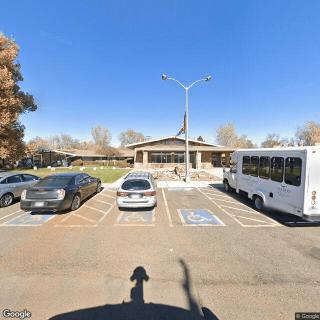
3835 Harlan Street, Wheat Ridge, CO 80033
For more information about senior living options: (866) 208-4318
Overall Review of Rehabilitation Center At Sandalwood
Pros
 The staff were very good, very nice, and gentle.
- The staff did their job and provided the pain meds the mother needed, and they did their best.
- Sandalwood Manor had the highest staff-to-patient ratio of any facility.
- The facility was spotless, kept up, and very clean.
- The center is going well and the mother is adjusting OK; overall satisfaction is high.
Cons
 There was one nurse the reviewer did not like, and they criticized the way she physically handled the mother, noting the mother was 5'2" and 195 pounds, making her too heavy for one person to manage.
- The reviewer described the place as horrible, citing that staff pulled an aunt out of bed to do activities and that the aunt was terrified of staying there.
- The reviewer was unhappy with Sandalwood Manor, reporting a 40-minute wait for help and saying there should be more staffing and a doctor on site.
- On the first day, the reviewer observed the mother being pushed in a wheelchair through the cafeteria while she was freezing.
- They noted a need for closer medical oversight, as leg swelling led to an emergency visit after responses from staff.
Review
Rehabilitation Center At Sandalwood in Wheat Ridge, Colorado is best suited for families that value a high-touch staffing culture and a consistently clean, orderly environment, even when that comes with a higher price tag and an older facility. It appears to work well for post-acute rehab and dementia-related needs where attentive monitoring and hands-on assistance are prized. Those requiring aggressive medical oversight, on-site physicians around the clock, or the most modern campus amenities may want to consider alternatives that prioritize medical intensity and updated infrastructure.
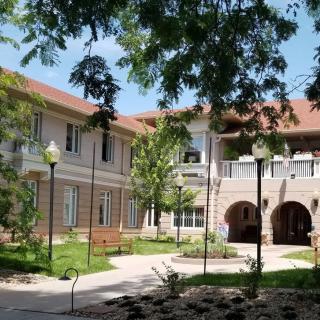
The strongest, enduring positives are the visible staffing presence and the cleanliness of the campus. Reviewers repeatedly note that the staff are courteous, patient, and focused on care, with a sense that caregivers do their jobs and try to support residents through difficult transitions. The facility’s reputation for cleanliness and upkeep is consistently mentioned as a standout, contributing to a sense of dignity and order. For some families, this combination, ample staff and a tidy environment, translates into a degree of reassurance during a stressful rehab process.
Yet the downsides cannot be dismissed, and they carry real weight in decision-making. One account describes a resident with advanced dementia who was not able to maintain eating and swallowing on her own, highlighting the intense level of care required in the late stages of illness and the comfort families seek when pain management and daily support are in place. Other narratives flag serious safety and responsiveness concerns: a resident who experienced a frightening episode after being moved for activities, with the family unsettled by perceived neglect and the prospect of moving the loved one home to ensure better oversight. These themes point to gaps in safety culture and the need for vigilant supervision.
Additional distress comes from concrete, everyday operational gaps. A first-day incident where a resident, positioned in a cafeteria in a wheelchair, waited a long time for assistance, followed by medical issues such as a swelling leg and an eventual ER visit after a delayed doctor’s input, underscores a pattern that some families view as insufficient on-call medical leadership and timely responsiveness. Even among otherwise positive experiences, one review notes a sense that staff assistance can be uneven and that the campus would benefit from stronger medical integration and ongoing on-site clinical oversight. The smell and accommodations, while not universal deal-breakers, also show that comfort and environment can vary by situation.
In weighing the pros and cons, the strong staffing footprint and high cleanliness standards offer meaningful value, especially for rehab with a need for steady hands and routine, predictable care. However, the more serious safety incidents and questions about medical responsiveness tilt the balance toward caution. The caring demeanor of many staff members is a genuine asset, but it does not fully compensate for instances where timely medical decisions or safe handling were called into doubt. For families prioritizing immediate medical availability and modern safety features, these gaps are a compelling reason to look elsewhere.
For families considering this community, the next steps should be deliberate and practical. Schedule a comprehensive tour and request real-world demonstrations of daily care routines, especially around mobility assistance, feeding support, and response times to calls. Ask to speak with the director and the medical director about on-site physician presence, frequency of rounds, and how emergencies are escalated after hours. Request recent incident logs and caregiver training records, and probe how dementia and stroke rehab are managed in practice. Finally, compare current rates and what they include against other nearby facilities with stronger medical oversight and newer infrastructure to determine whether Sandalwood’s strengths align with the resident’s specific needs or if alternatives will deliver greater peace of mind.
 105 resident community capacity
 Skilled Nursing Facility
 Air-conditioning
 Beauty salon
 Cable or satellite TV
 Computer center
 Dining room
 Fitness room
 Fully furnished
 Gaming room
 Garden
 Housekeeping services
 Kitchenette
 Move-in coordination
 Outdoor space
 Private bathrooms
 Restaurant-style dining
 Small library
 Telephone
 Wellness center
 Wi-Fi/high-speed internet available
 Denver International (22 miles away)
 Community operated transportation
 12-16 hour nursing
 24-hour call system
 Activities of daily living assistance
 Assistance with bathing
 Assistance with dressing
 Assistance with transfers
 Diabetes diet
 Medication management
 Mental wellness program
 Special dietary restrictions
 Concierge services
 Planned day trips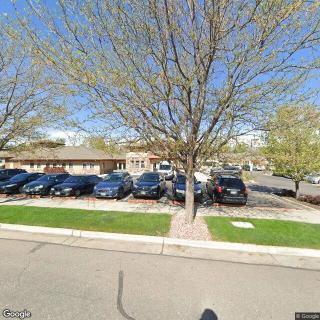


 California's Form 602A: An In-Depth Examination of Senior Care Assessment
 Comprehensive Look at Senior Blood Pressure Charts: Normal and Elevated Levels by Age
 Top Canine Companions for Older Adults