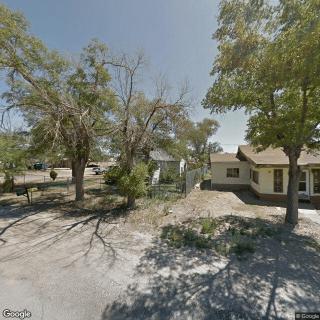
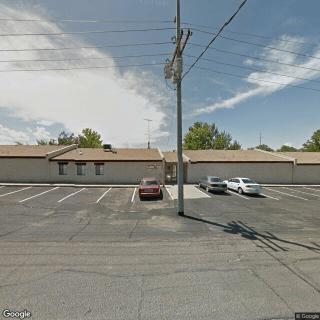
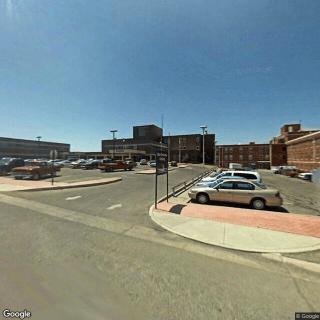
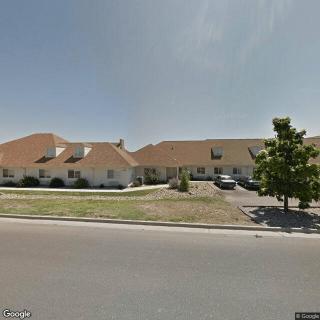
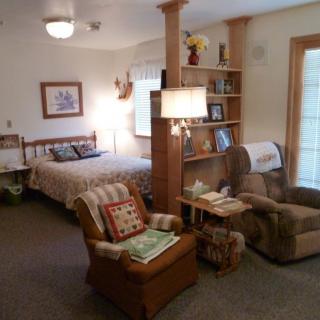
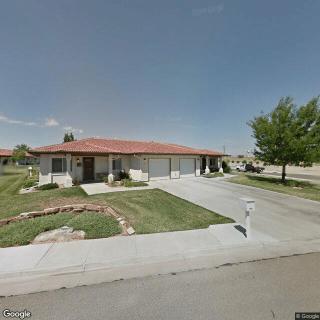
Bent County Healthcare Center in Las Animas, CO

Information last verified:

810 3Rd Street, Las Animas, CO 81054

For more information about senior living options: (844) 490-3973

3.4 from 8 reviews
5 stars
4
4 stars
1
3 stars
0
2 stars
0
1 stars
3

Overall Review of Bent County Healthcare Center

Pros

  • pro The facility features a live bird atrium and feels new, clean, and well cared-for, with friendly, helpful staff.
  • pro It is described as the limousine of homes among local facilities.
  • pro Some of the staff are very amazing people who take great pride in their work.
  • pro The staff have been incredibly kind, helpful, and supportive to families and residents.
  • pro It is a very good quality facility with the aroma of home cooking, flowers, and a friendly atmosphere.
  • pro The grandmother in residence enjoys her time there, and the employees are friendly.
  • pro It is considered a new home for a loved one, indicating comfort and suitability for residents.

Cons

  • pro The administrators and dietician are described as not caring about the residents.
  • pro They do not meet the wishes of residents who are paying out of pocket.
  • pro Upper management does not comply with laws and gives the runaround on everything.
  • pro They take residents’ money and provide little accountability in return.
  • pro Upper management embellishes the truth and is unapologetic even when confronted.
  • pro A resident’s mother declined drastically in care and needs to come home.
  • pro A resident was pronounced brain dead after staff mishandled care, illustrating incompetence.

Review

Bent County Healthcare Center in Las Animas is best suited for families seeking a warm, home-like atmosphere with strong day-to-day interpersonal care. The environment feels fresh and cared-for, with a notable live bird atrium and a scent of home cooking that many residents and families find comforting. Frontline staff are frequently described as friendly, helpful, and proud of their work, and several residents’ families recount meaningful, compassionate interactions during difficult moments. This setting can work well for residents who form close relationships with caregivers and who prioritize personal connection and a welcoming milieu over a rigid, institutional rhythm. It is not a purely clinical option; it rewards familiarity, continuity in caregiving, and an emotionally reassuring daily experience.

Those most likely to want alternatives are families prioritizing consistent, institution-wide clinical oversight and transparent, accountable leadership. Multiple reviews raise serious red flags about administration and a management company, alleging that upper-level leaders do not comply with laws, fail to address concerns, and engage in information gaps or misrepresentation. For families who need uniform care quality across all shifts, with predictable governance and rapid escalation when problems arise, these concerns suggest looking at other options. When a community’s core governance feels unreliable or opaque, the risk to residents, especially the most vulnerable, often outweighs any local warmth.

The major pros, cleanliness, a welcoming ambiance, and frontline staff who visibly take pride in their work, do in fact offset some of the notable drawbacks for certain residents. A fresh, well-kept facility paired with a lively, aesthetically pleasing environment can support mood, appetite, and engagement, which in turn supports daily functioning. The presence of staff who go above and beyond, and the moments when caregivers provide comfort during grief or transition, demonstrate that meaningful care remains possible here. For families who can align with the right care teammates on the floor and who can structure their expectations around variability in administrative responsiveness, these positives can sustain a satisfactory living experience.

However, the cons are substantive and not easily dismissed. The recurring concerns about upper-management behavior, claims of embellishing truth, problematic compliance, and a culture that appears to value money over transparent care, strike at the facility’s credibility and its ability to protect residents consistently. The notion that the administration may create delays, “run around” families, or misrepresent situations is difficult to ignore, especially for those monitoring medical decisions, care plans, and really critical safety issues. Coupled with references to serious harm or tragic outcomes alleged to be linked to incompetence, these factors create a substantial risk calculus that families must weigh against any emotional appeal of the surroundings and staff.

Practical steps for families evaluating Bent County HC Center center on due diligence and scenario testing. Schedule visits at different times and days to observe how front-line caregivers interact with residents during routine tasks and emergencies. Request direct input from frontline supervisors and charge nurses about staffing patterns, care plan updates, and how concerns are tracked and escalated. Pull current state inspection reports and any recent corrective action plans, and speak with current residents and their families about consistency from shift to shift. If possible, arrange a short-term or respite stay to test fit, and compare with alternative communities that demonstrate stronger, more transparent governance and steadier cross-shift care.

Ultimately, Bent County Healthcare Center presents a bifurcated decision. For families who prize warmth, personal connection, and a home-like daily rhythm, and who are prepared to actively engage with staff and management to ensure consistent little-to-mid-level clinical oversight, the facility can be a legitimate, humane choice. For those whose decision hinges on unwavering administrative accountability, predictable clinical oversight, and transparent leadership, it is prudent to explore other options first. The right move is to align expectations with governance and care continuity; if that alignment feels uncertain, broader market alternatives will likely offer greater peace of mind without sacrificing the essential human touch that many residents and families value.

Features

Housing

  • 56 resident community capacity 56 resident community capacity

Types of Care

  • Skilled Nursing Facility Skilled Nursing FacilitySkilled Nursing Facilities are crucial for seniors as they provide round-the-clock medical care, rehabilitation services, and assistance with daily activities. These facilities ensure that seniors receive the specialized care they need to maintain their health and well-being as they age.

Amenities

  • Air-conditioning Air-conditioningAir conditioning is important for seniors as they are more vulnerable to heat-related illnesses and may have underlying health conditions that make it difficult for them to regulate their body temperature. It helps to keep them comfortable, safe, and healthy in hot weather.
  • Beauty salon Beauty salonBeauty salons are important for seniors because they provide a space for them to feel pampered, socialize, and maintain their personal grooming and hygiene. Regular visits to a beauty salon can help boost seniors' self-esteem and overall well-being.
  • Cable or satellite TV Cable or satellite TVCable or satellite TV is important for seniors because it provides entertainment, news, and companionship, helping to combat loneliness and boredom. It also offers a wide range of programming options tailored to different interests and preferences.
  • Computer center Computer centerA computer center is essential for seniors as it provides access to technology, communication tools, and resources that can enhance their daily lives. It allows them to stay connected with loved ones, engage in online activities, and learn new skills, ultimately promoting socialization and mental stimulation.
  • Dining room Dining roomDining rooms are important for seniors as they provide a space for socialization, connection, and nutritious meals. They offer opportunities for residents to bond over shared meals, foster a sense of community, and promote healthy eating habits. Dining rooms also ensure that seniors have access to well-balanced meals tailored to their dietary needs and preferences.
  • Fitness room Fitness roomHaving a fitness room in a senior living community is essential for seniors to stay active, maintain their physical health, and improve their overall well-being. Regular exercise can help prevent falls, reduce the risk of chronic diseases, and promote mental sharpness. It also provides social opportunities for residents to connect with others and enjoy a sense of community.
  • Fully furnished Fully furnishedFully furnished senior living communities are important for seniors because they provide convenience, comfort, and a hassle-free moving experience. Seniors can easily settle into their new living space without the stress of having to buy and move furniture. This allows them to focus on enjoying their new home and community.
  • Gaming room Gaming roomGaming rooms are important for seniors as they provide a fun and engaging environment for socializing, cognitive stimulation, and physical activity. Games can improve memory, problem-solving skills, and overall mental well-being while fostering friendships and reducing feelings of isolation.
  • Garden GardenGardens are important for seniors as they provide a peaceful and therapeutic environment for relaxation, physical activity, and socialization. Being in nature has been shown to reduce stress, improve mood, and promote overall well-being. Gardens also offer opportunities for seniors to engage in gardening activities, which can improve mobility, flexibility, and cognitive function. Additionally, gardens create a sense of community and connection with others who share a passion for plants and outdoor spaces.
  • Housekeeping services Housekeeping servicesHousekeeping services are important for seniors because they help maintain a clean and safe living environment, promote independence, and reduce the risk of accidents or illnesses. Additionally, having assistance with household chores can alleviate physical strain and allow seniors to focus on other aspects of their well-being.
  • Kitchenette KitchenetteKitchenettes are important for seniors living in senior living communities because they provide the convenience and independence of being able to prepare simple meals and snacks in the comfort of their own living space. This can help promote a sense of autonomy and well-being for seniors, allowing them to maintain some level of control over their dietary choices and daily routines.
  • Move-in coordination Move-in coordinationMove-in coordination is important for seniors because it helps ease the transition into their new living environment. It ensures that all logistics, such as packing, organizing movers, and setting up utilities are taken care of, allowing seniors to focus on settling in and adjusting to their new home. Having a smooth move-in process can alleviate stress and anxiety, making the transition smoother and more enjoyable for seniors.
  • Outdoor space Outdoor spaceOutdoor spaces are important for seniors as they provide opportunities for physical activity, social interaction, exposure to natural light and fresh air, and a sense of connection to nature. Having access to outdoor spaces can improve overall well-being and quality of life for older adults living in senior communities.
  • Private bathrooms Private bathroomsPrivate bathrooms are important for seniors in senior living communities because they provide independence, dignity, and comfort. Having a private bathroom allows seniors to maintain their personal hygiene routines without the need for assistance, promoting a sense of autonomy and privacy. Additionally, private bathrooms help prevent the spread of infections and provide a safe and clean environment for seniors to navigate safely.
  • Restaurant-style dining Restaurant-style diningRestaurant-style dining is important for seniors because it allows them to enjoy delicious, nutritious meals in a social and upscale setting. This enhances their dining experience, promotes healthy eating habits, and fosters socialization with fellow residents, ultimately contributing to their overall well-being and quality of life.
  • Small library Small librarySmall libraries are important for seniors as they provide access to a variety of reading materials, including books, newspapers, and magazines. This can help stimulate their minds, keep them engaged, and provide a sense of community through book clubs and other social activities. Additionally, reading has been shown to improve cognitive function and overall mental well-being in older adults.
  • Telephone TelephoneTelephones are important for seniors as they provide a lifeline for communication with loved ones, emergency services, and healthcare providers. They offer a sense of security and independence, enabling seniors to stay connected and access assistance when needed.
  • Wellness center Wellness centerWellness centers are important for seniors because they offer a variety of programs and services that promote physical, mental, and emotional well-being. These centers provide opportunities for exercise, socialization, education, and relaxation, helping seniors maintain their overall health and quality of life.
  • Wi-Fi/high-speed internet available Wi-Fi/high-speed internet availableWi-Fi/high-speed internet is important for seniors to stay connected with loved ones, access online resources, and participate in virtual activities to combat feelings of loneliness and isolation. It also allows them to easily manage healthcare needs, access entertainment, and engage in lifelong learning opportunities.

Transportation

  • Community operated transportation Community operated transportationCommunity operated transportation is crucial for seniors as it provides them with the means to access essential services, social activities, and medical appointments. It allows seniors to maintain their independence and quality of life by ensuring they can participate in activities outside of their homes. Additionally, community-operated transportation services offer a safe and reliable way for seniors to travel without having to rely on family or friends for assistance.
  • Transportation arrangement Transportation arrangementTransportation arrangements are crucial for seniors as they may face challenges with driving, mobility, or access to public transportation. Having reliable transportation services ensures that seniors can easily attend appointments, social activities, and maintain their independence and quality of life.
  • Transportation arrangement (non-medical) Transportation arrangement (non-medical)Transportation arrangements are essential for seniors as they provide access to essential services, activities, and social interactions outside the home. This service helps maintain independence, mobility, and overall well-being for seniors who may have limited transportation options.
  • Transportation to doctors appointments Transportation to doctors appointmentsTransportation to doctors appointments is crucial for seniors as it ensures they have access to necessary medical care and support, promoting their health and well-being. It allows them to receive timely treatment, monitor existing conditions, and address any new health concerns efficiently. Additionally, transportation services can help seniors maintain their independence and quality of life by enabling them to stay connected with their healthcare providers.

Care Services

  • 12-16 hour nursing 12-16 hour nursing12-16 hour nursing care is crucial for seniors in order to ensure around-the-clock monitoring, timely medication administration, and prompt response to any health concerns or emergencies. This level of care helps to promote the overall well-being and safety of seniors living in senior living communities.
  • 24-hour call system 24-hour call system24-hour call systems are important for seniors because they provide peace of mind and immediate assistance in case of emergencies. This technology ensures that help is always available, promoting safety and security for elderly individuals living alone or in assisted living facilities.
  • 24-hour supervision 24-hour supervision24-hour supervision is important for seniors to ensure their safety, well-being, and access to immediate assistance in case of emergencies or health issues. This constant support provides peace of mind for both seniors and their loved ones, allowing them to age in place with dignity and security.
  • Activities of daily living assistance Activities of daily living assistanceActivities of daily living assistance are important for seniors because they provide essential support with tasks such as eating, bathing, dressing, and mobility. This assistance helps seniors maintain their independence, dignity, and overall quality of life as they age.
  • Assistance with bathing Assistance with bathingAssistance with bathing is crucial for seniors as it helps maintain personal hygiene, prevents infections, and ensures their overall well-being and comfort. It also provides a sense of dignity and independence for seniors who may struggle with this task on their own.
  • Assistance with dressing Assistance with dressingAssistance with dressing is important for seniors because it helps maintain their independence, promotes personal hygiene, prevents accidents and injuries, and improves overall quality of life. This service ensures that seniors can continue to dress comfortably and confidently, despite any physical limitations they may have.
  • Assistance with transfers Assistance with transfersAssistance with transfers is crucial for seniors as it helps prevent falls and injuries, maintains their independence, and ensures they can safely navigate their living environment. It also provides peace of mind for both seniors and their loved ones.
  • Diabetes diet Diabetes dietA diabetes diet is crucial for seniors as it helps manage blood sugar levels, reduce risks of complications, and improve overall health and well-being. By following a balanced and nutritious diet tailored to their specific needs, seniors can better control their diabetes and enhance their quality of life.
  • Meal preparation and service Meal preparation and serviceMeal preparation and service are crucial for seniors as they may have limited mobility or energy to cook nutritious meals. Having access to healthy and convenient food options can ensure they are getting the proper nutrition needed to maintain their overall health and well-being.
  • Medication management Medication managementMedication management is crucial for seniors to ensure they are taking the right medications at the correct dosages and times. This helps prevent adverse drug interactions, reduces the risk of medication errors, and promotes overall health and well-being. Proactive management also allows for adjustments as needed based on changing health conditions or new prescriptions.
  • Mental wellness program Mental wellness programMental wellness programs are essential for seniors as they promote cognitive stimulation, emotional support, and social engagement. These programs help prevent isolation, depression, and cognitive decline, ultimately enhancing the overall quality of life for older adults.
  • Special dietary restrictions Special dietary restrictionsSpecial dietary restrictions are important for seniors because age-related changes in metabolism and health conditions can make it difficult for their bodies to process certain foods. By following a diet tailored to their specific needs, seniors can maintain their overall health and well-being, manage chronic conditions, and reduce the risk of complications such as malnutrition or food interactions with medications.

Dining

  • Diabetes diet Diabetes dietA diabetes diet is crucial for seniors as it helps manage blood sugar levels, reduce risks of complications, and improve overall health and well-being. By following a balanced and nutritious diet tailored to their specific needs, seniors can better control their diabetes and enhance their quality of life.
  • Special dietary restrictions Special dietary restrictionsSpecial dietary restrictions are important for seniors because age-related changes in metabolism and health conditions can make it difficult for their bodies to process certain foods. By following a diet tailored to their specific needs, seniors can maintain their overall health and well-being, manage chronic conditions, and reduce the risk of complications such as malnutrition or food interactions with medications.

Activities

  • Community-sponsored activities Community-sponsored activitiesCommunity-sponsored activities are important for seniors as they provide opportunities for social interaction, mental stimulation, and physical activity. These activities can help improve overall well-being, combat loneliness and isolation, and promote a sense of belonging and purpose among older adults.
  • Concierge services Concierge servicesConcierge services are essential for seniors as they provide assistance with daily tasks and errands, enhance their quality of life by offering convenience and personalized care, and promote a sense of safety and security.
  • Fitness programs Fitness programsFitness programs are crucial for seniors as they help improve strength, flexibility, balance, and overall well-being. Staying active can reduce the risk of chronic diseases, improve mental health, and enhance quality of life in older adults.
  • Planned day trips Planned day tripsPlanned day trips are important for seniors because they offer opportunities for socialization, mental stimulation, and physical activity. They provide a change of scenery and help seniors stay engaged and connected to their community, promoting overall well-being and quality of life.
  • Resident-run activities Resident-run activitiesResident-run activities are important for seniors as they encourage social interaction, creativity, and a sense of autonomy. These activities empower seniors to stay engaged and active in their community while fostering meaningful connections with their peers.
  • Scheduled daily activities Scheduled daily activitiesScheduled daily activities are important for seniors because they provide structure, socialization, mental stimulation, and physical activity. Engaging in regular activities can improve overall well-being and quality of life for seniors living in a community setting.

Description

The Bent County Healthcare Center in Las Animas, CO is an assisted living community that offers a wide range of amenities and care services to its residents. The community features a beauty salon for residents to indulge in pampering and grooming services. Residents can also enjoy their favorite shows with cable or satellite TV in the comfort of their own rooms. For transportation needs, the community provides community-operated transportation as well as arrangements for non-medical transportation to doctors appointments.

There are various spaces within the community that encourage socialization and engagement. A computer center allows residents to stay connected with family and friends online, while the gaming room provides opportunities for friendly competition and entertainment. The small library offers a quiet place for residents to relax with a good book. Outdoor enthusiasts can take advantage of the garden and outdoor space, perfect for enjoying fresh air and nature.

Meals at Bent County Healthcare Center are served restaurant-style in a spacious dining room, providing residents with nutritious options prepared by staff who can accommodate special dietary restrictions such as diabetes diets. Housekeeping services ensure that living spaces remain clean and comfortable.

To promote physical fitness, the community offers a fitness room where residents can engage in exercise programs tailored to their abilities. For mental wellness, there is a mental wellness program available to support residents' emotional health.

Residents have access to various care services around-the-clock including assistance with activities of daily living such as bathing, dressing, and transfers. Medication management is also provided to ensure proper administration of medications. Move-in coordination is offered to assist new residents in settling into their new home seamlessly.

The Bent County Healthcare Center strives to create an engaging community atmosphere by organizing scheduled daily activities as well as planned day trips for resident enjoyment. There are also resident-run activities which empower residents to take charge of their own social calendars.

With convenient locations near parks, pharmacies, physicians' offices, restaurants, places of worship, and transportation options nearby, the assisted living community provides a comfortable and convenient lifestyle for its residents.

Nearby Places of Interest

Physicians

  • Valley Wide Health Systems (0.1 miles)
  • Abba Eye Care Incorporated (18.2 miles)
  • Arkansas Valley Regional Medical Center (18.4 miles)
  • Rocky Mountain Cancer Centers (18.7 miles)
  • Qualicenter La Junta (18.7 miles)
  • Michael K Morley & Jesus E Carale (18.7 miles)
  • Loma Vista Medical Center (18.8 miles)

Places of Worship

  • United Methodist Church (0.3 miles)
  • Friends Church (0.3 miles)
  • First Presbyterian Church (0.3 miles)
  • First Baptist Church (0.4 miles)
  • Jehovah's Witnesses (0.5 miles)
  • Avba (0.5 miles)
  • St Mary's Catholic Church (0.5 miles)

Pharmacies

  • Val-U-Med Healthmart (0.4 miles)
  • Opera House Pharmacy (18.2 miles)
  • Safeway Pharmacy (18.4 miles)
  • Walmart Pharmacy (20.6 miles)

Restaurants

  • Carmen's Restaurant (0.5 miles)
  • La Familia Las Animas (0.5 miles)
  • BarCode (0.5 miles)
  • Dq Grill & Chill (0.5 miles)
  • Lucys Tacos #1 (18.1 miles)
  • Johnny’s Sub Station (18.2 miles)
  • Bamboo Panda (18.2 miles)

Parks

  • Las Animas Park/Playground (0.6 miles)
  • John Martin Reservoir State Park (10.6 miles)
  • Junkrassic Park (11 miles)
  • Bent's Old Fort National Historic Site (11.2 miles)
  • John Martin Reservoir (11.8 miles)
  • National Park Service (18.2 miles)
  • La Junta City Park (18.5 miles)

Transportation

  • Las Animas Train Depot (0.6 miles)
  • U-Haul Neighborhood Dealer (15 miles)
  • U-Haul (20 miles)

Cafes

  • Copper Kitchen (18.2 miles)
  • Thyme Out Diner (18.2 miles)
  • The Barista (18.2 miles)
  • Peet's Coffee and Tea (20.5 miles)

Hospitals

  • Avrmc (18.7 miles)
  • Arkansas Valley Regional Medical Center (18.7 miles)

Frequently Asked Questions

Where is Bent County Healthcare Center?

Nearby Communities

  • Prairie View Village Of Las Animas

    Prairie View Village Of Las Animas

    Las Animas, CO


    pro Small, personalized board-and-care with 24/7 supervision, ADL support, diabetes-friendly meals, and care coordination.

  • Lucero Residential Care Fclty

    Lucero Residential Care Fclty

    Las Animas, CO

    3 from 1 review
     

    pro Tranquil setting with convenient access to parks, healthcare, dining, transport, and worship.

  • Golden Maple Villa

    Golden Maple Villa

    La Junta, CO

    5 from 2 reviews
     

    pro Serene setting with extensive nearby amenities (healthcare, dining, parks, worship).

  • Arkansas Valley Regional Ctr Long Term Care

    Arkansas Valley Regional Ctr Long Term Care

    La Junta, CO

    2.4 from 105 reviews
     

    pro Peaceful setting with easy access to dining, parks, pharmacies, and nearby doctors/hospitals.

  • Evergreen Gardens

    Evergreen Gardens

    La Junta, CO

    3.9 from 7 reviews
     

    pro Spiritual support and social engagement with diabetes care in a comfortable setting.

  • Evergreen Gardens At La Junta

    Evergreen Gardens At La Junta

    La Junta, CO

    3.9 from 7 reviews
     

    pro Comprehensive amenities and care (dining, transportation, wellness, activities).

  • Casa Del Sol

    Casa Del Sol

    La Junta, CO

     
    $765 to $900 / month

    pro Affordable, county-aligned pricing with abundant nearby amenities.

Related Resources

  • palliative care vs hospiceUnderstanding the Nuances of Palliative Care and Hospice: A Comprehensive Exploration
    Palliative care focuses on alleviating distress at any stage of a serious illness and can accompany curative treatments, while hospice care is for those nearing the end of life with a prognosis of six months or less, emphasizing comfort over curative measures. Both prioritize holistic care for patients and families but differ in timing, goals, and scope.

  • fecal incontinenceFecal Incontinence in Older Adults: A Comprehensive Guide
    Fecal incontinence, prevalent among older adults, arises from factors like weakened pelvic muscles and nerve damage, significantly affecting well-being and social interactions. Diagnosis involves clinical evaluation and tests to inform tailored treatments, while caregivers and preventive measures can aid in managing the condition effectively.

  • gardening for seniorsNurturing Well-Being Through Gardening: A Detailed Guide for Senior Enthusiasts

    Gardening provides seniors with physical exercise, mental and emotional support, and social interaction opportunities, while accommodating their needs through raised beds and ergonomic tools. It promotes health benefits like improved dexterity and cardiovascular health, encourages sustainable practices, and allows for manageable upkeep with low-maintenance plants.