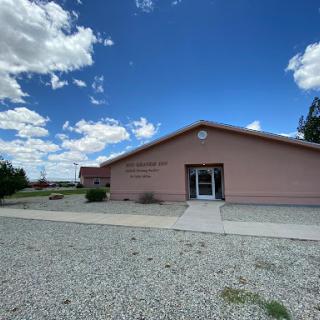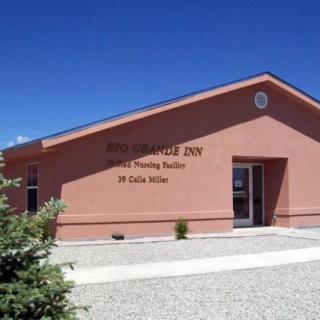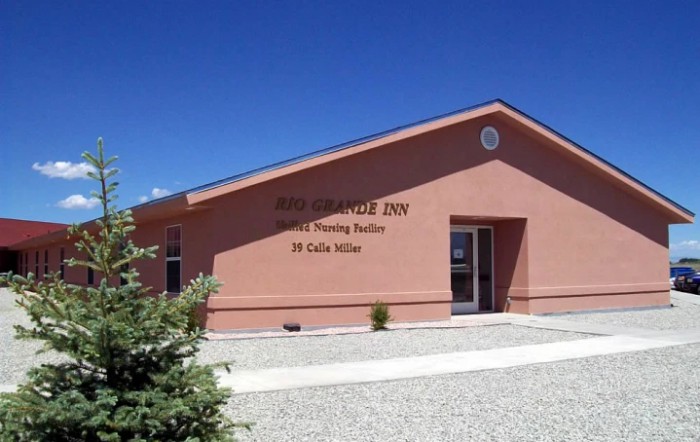
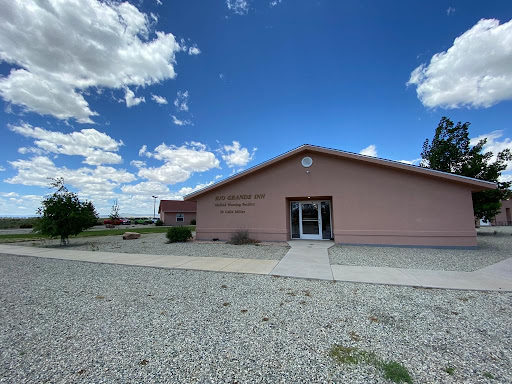
39 Calle Miller, La Jara, CO 81140
For more information about senior living options: (866) 208-4318
Overall Review of Rio Grande Inn
Pros
 The facility is always friendly, clean, and residents are known by staff.
- Families are well cared for.
- There is good communication between Rio Grande and families.
- The care provided to residents is appreciated by their families.
- The staff are friendly and caring.
- The environment is clean and positive, with consistently kind care.
- The staff are awesome and the atmosphere is friendly.
- The experience is positive from start to finish.
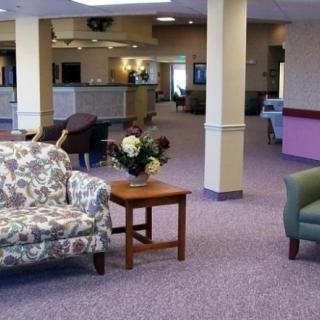
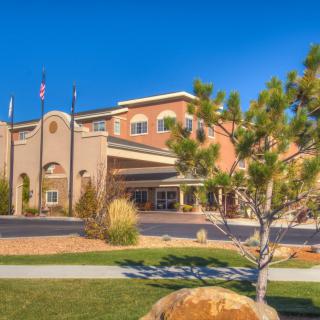
- The facility is brand new, beautiful, and feels like home.
- It is a great place with fabulous people and outstanding care.
Cons
 The facility is described as needing an investigation for gross neglect of patients' needs.
- The grandfather reportedly developed bed sores that became infected and progressed to gangrene due to mistreatment and poor catheter care.
- The night nurse allegedly turned off the patient's light and left him cold after he asked for a blanket.
- The staff are claimed to have disregarded patient needs and did not accommodate simple requests, such as a cup of coffee in the morning.
- It is asserted that patients signed DNR and DNT forms without a family member present or an advocate to explain them.
- There are calls to shut the facility down immediately and warnings to avoid it at all costs.
- A father reportedly did not receive the care he should have, resulting in bedsores and a severe infection that required transfer to a hospital.
- CNAs are described as rude and lacking compassion, with caregiving seen as merely a paycheck.
- One reviewer notes residents were sometimes left unfed or given cold meals, indicating neglect despite a generally clean environment.
Review
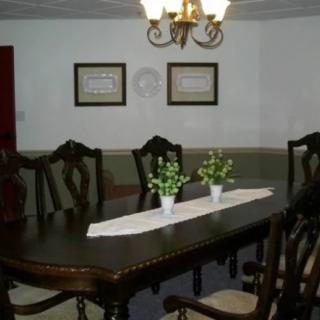
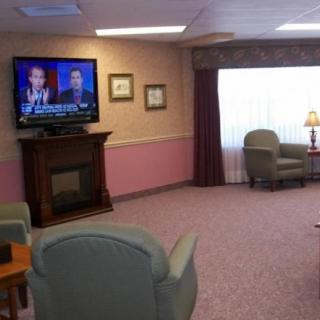
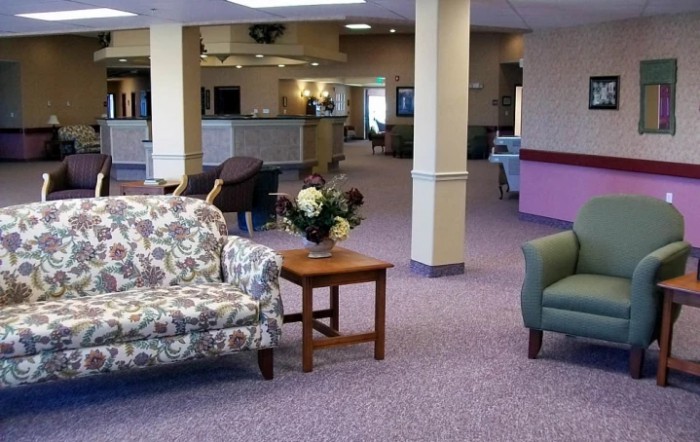
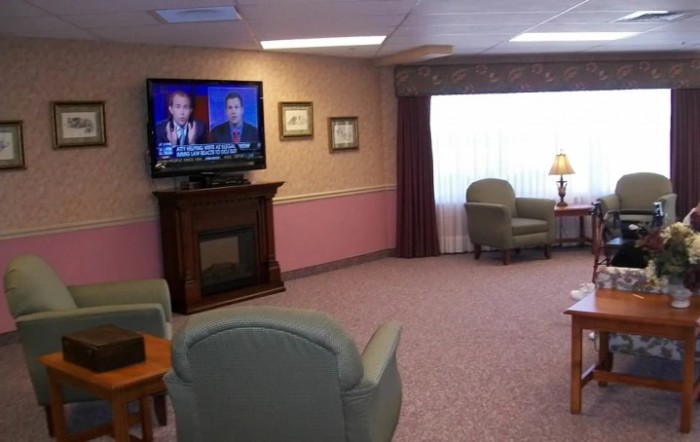
Rio Grande Inn is best suited for families that value a warm, home-like atmosphere, a recently built setting, and noticeable daily kindness from staff. The facility’s brand-new rooms, clean common spaces, and a reputation for friendly interactions create an environment where residents are seen and talked about in a positive light. Visiting families will appreciate the ease of access, the sense that staff know the residents by name, and clear lines of communication with the administration. This is a place where the everyday experience, visits, conversations, and routine care, feels predictable and comfortable, which matters when choosing a home for an aging loved one.
This community is not for everyone, and those with higher medical fragility may want to consider alternatives. Several reviews raise red flags for residents requiring intensive medical oversight, wound care, or complex post-surgical management. Accounts of bed sores, infections tied to catheter care, and signs of neglect suggest that serious medical issues can escalate quickly if not vigilantly managed. Families who rely on precise decisions around resuscitation or who need continuous, transparent advocate involvement should approach with caution. If a loved one needs consistent, highly reliable medical attention, exploring other options may be prudent.
On the upside, the strongest pros are the human and environmental elements: consistently friendly staff, a clean, secure setting, and a communication loop that keeps families informed. These factors translate into genuine day-to-day reassurance for many residents and their families. The facility’s cleanliness, the respectful atmosphere, and the sense that staff care contribute to a daily experience that feels dignified and stable. For families prioritizing visible warmth, predictable routines, and close family engagement, these advantages can substantially offset the anxiety that comes with choosing elder care.
The most jarring counterweight is the set of severe negative experiences reported by a subset of reviewers. Instances of neglect, delayed responses to basic needs, cold nights, and questions about how medical decisions, especially DNR/DNT choices, are presented and documented cannot be dismissed. These anecdotes, coupled with reports of inconsistent feeding and questionable catheter care, point to facility operations that, at times, fail to protect vulnerable residents. When such concerns surface, they challenge the overall trust in the care environment and demand rigorous scrutiny before a decision is finalized. They also underscore the importance of direct observation and conversation with leadership.
Weighing the pros against the cons, Rio Grande Inn may be a workable choice for families who are prepared to stay actively involved and to push for strong care protocols, with a clear understanding that positive day-to-day impressions do not guarantee flawless medical management. Prospective residents should insist on concrete assurances: staffing ratios by shift, wound-care protocols, evidence of regular nurse assessments, and transparent incident reporting. Tours should include direct questions about how DNR/DNT discussions are conducted, the presence of an advocate during pivotal decisions, and access to detailed care plans and daily care logs. A candid assessment of whether the staff culture supports compassionate, patient-centered care is essential.
In the end, Rio Grande Inn stands as a practical option for families who value a fresh, welcoming environment and are willing to act as vigilant partners in care. It may be the right fit for those who can live with the reassurance of good daily interactions and clean surroundings, provided there is strong, ongoing oversight to address medical needs promptly. For families whose priority is unassailable medical consistency, particularly around wounds, infections, and life-safety decisions, alternatives should be actively explored. The next steps are clear: schedule thorough tours, demand current inspection and staffing information, meet the administrator, and request concrete care documentation before making a commitment.
 60 resident community capacity
 Skilled Nursing Facility
 Air-conditioning
 Beauty salon
 Cable or satellite TV
 Computer center
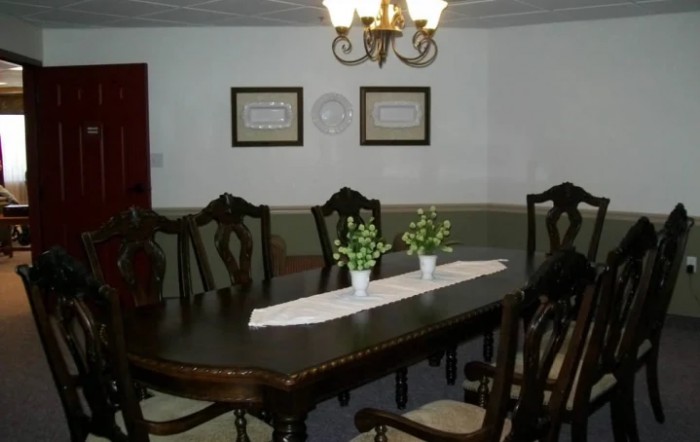
 Dining room
 Fitness room
 Fully furnished
 Gaming room
 Garden
 Housekeeping services
 Kitchenette
 Move-in coordination
 Outdoor space
 Private bathrooms
 Restaurant-style dining
 Small library
 Telephone
 Wellness center
 Wi-Fi/high-speed internet available
 Community operated transportation
 12-16 hour nursing
 24-hour call system
 Activities of daily living assistance
 Assistance with bathing
 Assistance with dressing
 Assistance with transfers
 Diabetes diet
 Medication management
 Mental wellness program
 Special dietary restrictions
 Concierge services
 Planned day trips


 Highly Beneficial Low-Impact Exercises for Senior Living Residents
 Is In-Home Healthcare Tax Deductible? Your Comprehensive Guide
 Nurturing Well-Being Through Gardening: A Detailed Guide for Senior Enthusiasts