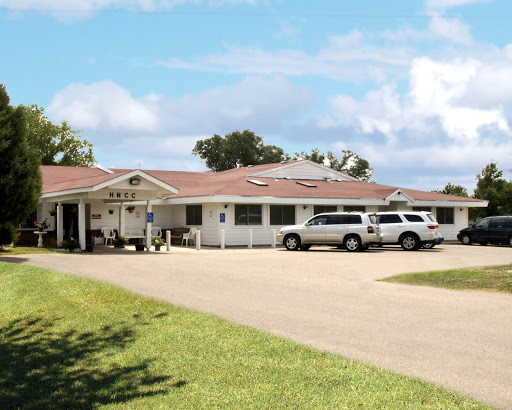
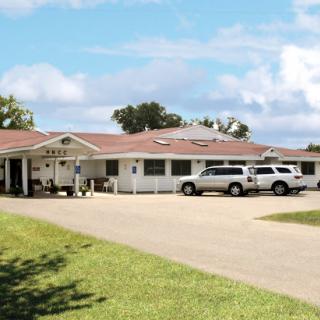
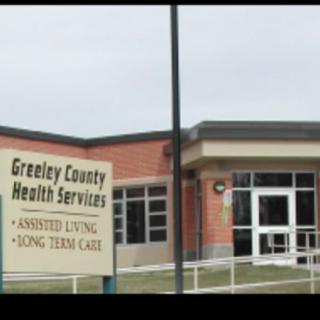
320 North 8Th Street, Holly, CO 81047
For more information about senior living options: (866) 208-4318
Overall Review of Holly Nursing Care Center
Pros
 An amazing community provides compassionate, person-centered care.
- The staff are very friendly and efficient, making for very pleasant days for those rehabbing there.
- The staff take good care of residents, including nurses and CNAs.
- The facility is a good place and conveniently located near the highway.
- The home is very nice and patients are well cared for; rounds with the staff are easy.
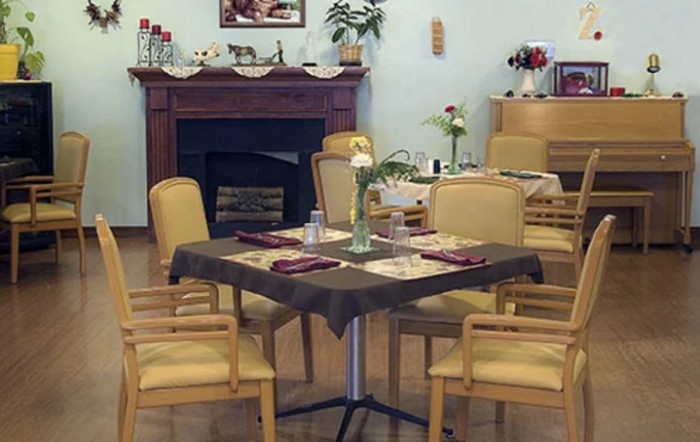
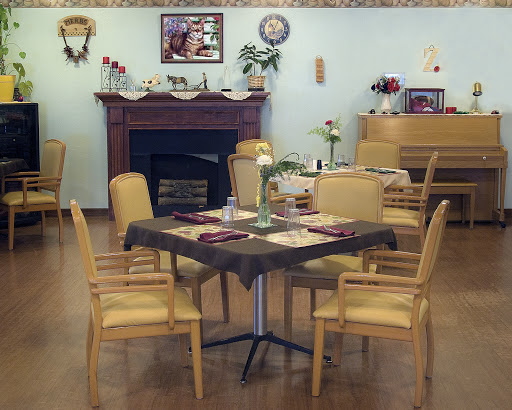
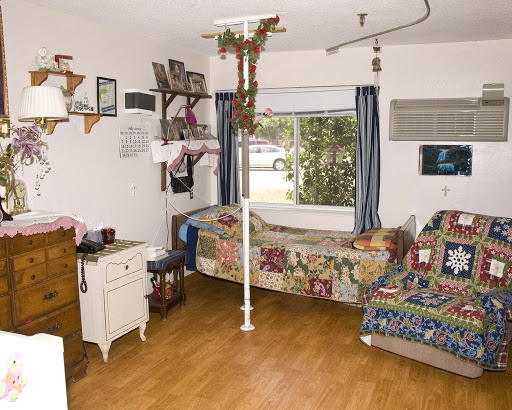
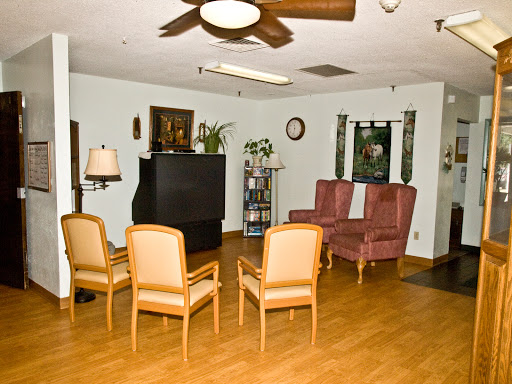
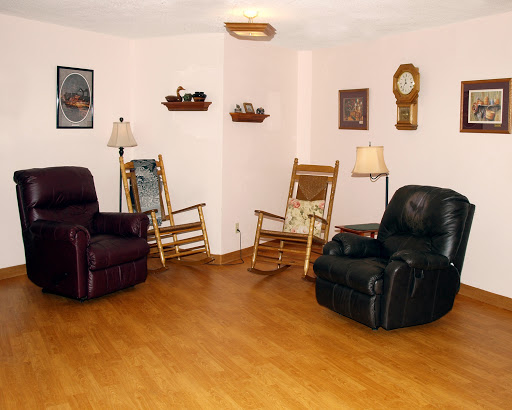
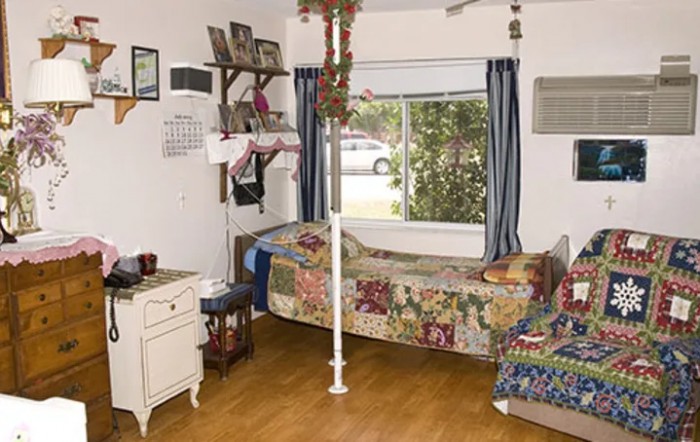
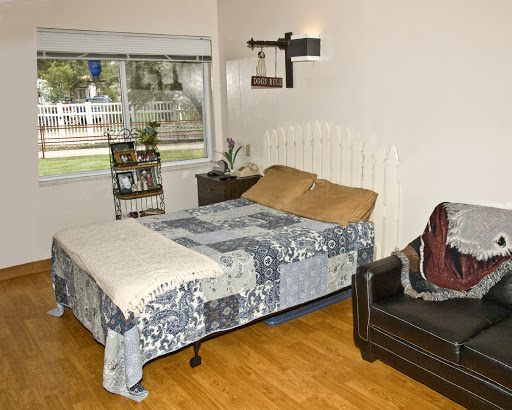
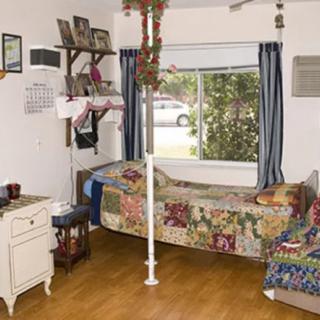
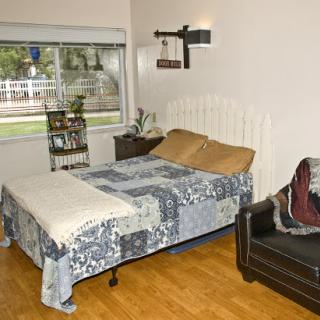
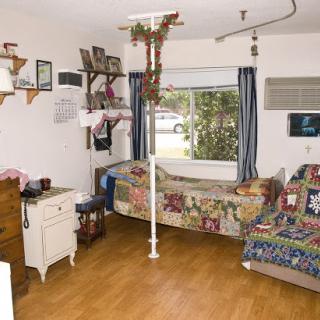
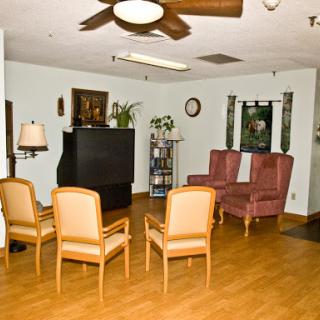
- The facility is clean and inviting, with rooms neatly decorated, and residents receive wonderful care.
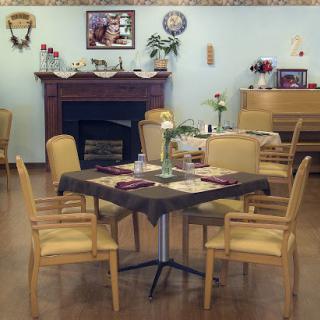
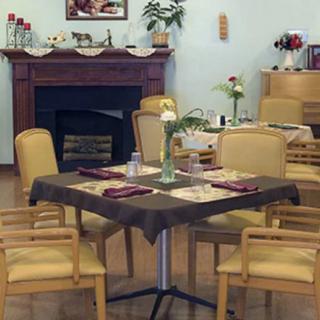
- The facility has good cooks and serves homestyle meals, including Sundays with fried chicken, mashed potatoes, gravy, green beans, and dinner rolls.
- Some of the most caring people work there.
- Everyone is nice there.
Cons
 The facility severely neglected the reviewer’s brother.
- The staff left him lying in bed and failed to provide adequate care.
- The patient lost at least 50 pounds while in care.
- The facility is described as horrible, decrepit, dirty, and abusive with lawsuits pending.
- The reviewer fears many other residents lack advocates and face the same issues.
- The reviewer warns others not to trust the staff and to beware.
Review
This community is best suited for families pursuing short-term rehab or transitional care where a personal, caregiver-focused approach can make a real difference and where convenient highway access supports frequent visits. The strongest value lies in a staff culture that feels approachable and engaged, with caregivers who listen and respond promptly to resident needs. It can be a home-like environment for residents who respond well to gentle, consistent attention and who benefit from easy, neighborly interactions with nurses, CNAs, and activities staff. Those who prize warmth and accessibility over pristine, modern facilities will find this center more adaptable to daily realities of recovery.
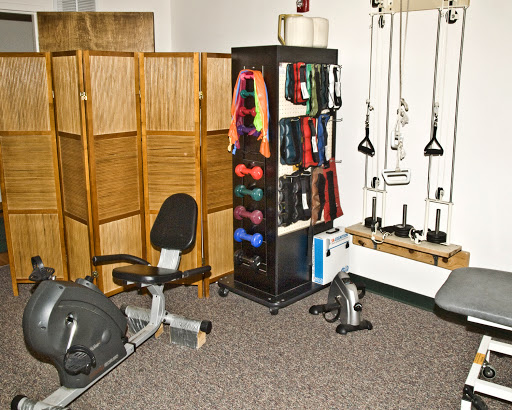
Yet this center is a mixed bag that demands careful scrutiny. A number of families praised it as a compassionate, person-centered community, noting effective rehab support, straightforward rounds by the care team, and inviting, neatly maintained rooms in visits. The kitchen’s home-style cooking and the easy, informal communication with staff are consistently cited positives. For residents who want a welcoming atmosphere and straightforward rehab routines, these factors can materially improve mood, motivation, and engagement, a practical edge in the recovery process.
However, several reviews raise red flags about safety and facility conditions that cannot be ignored. A vocal minority alleges severe neglect, with one account describing a resident left immobile and undernourished, accompanied by weight loss and a sense that there was no effective advocate speaking up for residents. Other messages reference lawsuits and describe the building as decrepit or dirty, with comments about old hospital-like rooms and a generally dark, uninviting ambiance. Taken together, these accounts create a credible concern about consistent quality control, supervision, and the physical environment, issues that can undermine recovery if they persist.
When weighing pros against cons, the patient-centered, attentive caregiving and approachable staff offer meaningful counterweights to the positives. For a resident who benefits from frequent reassurance, regular monitoring, and the opportunity to participate in daily routines, the care team’s responsiveness can offset some discomfort with an older or less polished setting. The key is vigilance: active family involvement, clear care plans, and ongoing visibility into staffing levels, daily weight and nutrition, repositioning, hydration, and pain management. If these oversight mechanisms are strong, the likelihood of meaningful recovery progress rises despite building shortcomings.
Nevertheless, the decision hinges on risk tolerance and care needs. Those who require strict safety oversight, spotless cleanliness, and modern infrastructure should consider alternatives. Memory care, high-acuity needs, or risks around neglect demand a facility with transparent accountability, consistent inspections, and demonstrable improvement protocols. If the resident’s condition makes them particularly vulnerable to neglect or if a family cannot tolerate the possibility of recurring facility issues, a different community, with stronger QA processes and a more contemporary physical plant, will likely be the wiser choice.
In the end, this Holly Nursing Care Center can deliver compassionate, person-centered rehab and a kind, people-first atmosphere that families value during recovery. The upside is real: engaged staff, a warm environment, and practical rehab support that helps residents move forward. The downside is also real: credible concerns about care quality and facility conditions require proactive, rigorous oversight and a readiness to pursue alternatives if safety or cleanliness flags persist. For families willing to be deeply involved, insist on concrete care plans, frequent check-ins, and up-to-date care documentation, and approach the placement as a collaborative, ongoing process. If those conditions cannot be met, it is prudent to explore other options that promise steadier safety and a more consistently maintained environment.
 45 resident community capacity
 Skilled Nursing Facility
 Beauty salon
 Cable or satellite TV
 Dining room
 Fully furnished
 Garden
 Housekeeping services
 Kitchenette
 Move-in coordination
 Outdoor space
 Restaurant-style dining
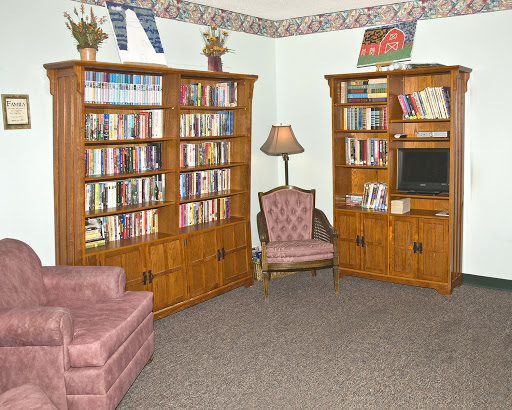
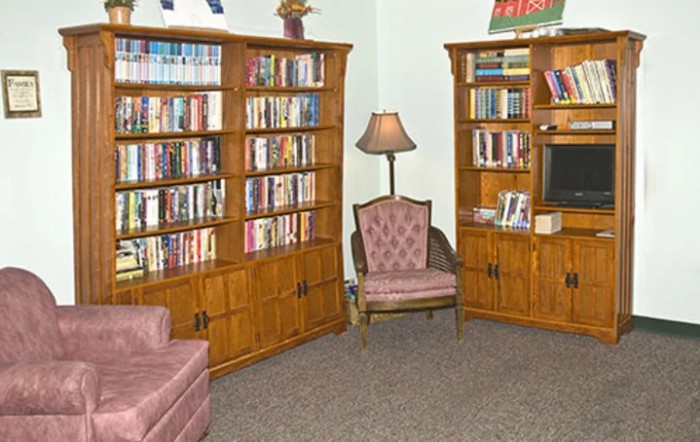
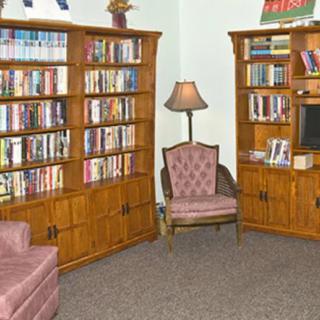
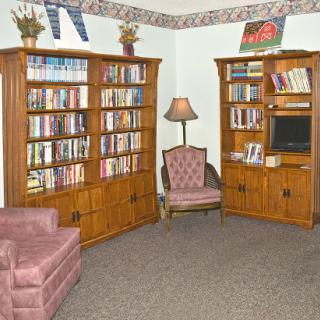
 Small library
 Telephone
 Wi-Fi/high-speed internet available
 24-hour call system
 Activities of daily living assistance
 Assistance with bathing
 Assistance with dressing
 Assistance with transfers
 Diabetes diet
 Medication management
 Mental wellness program
 Special dietary restrictions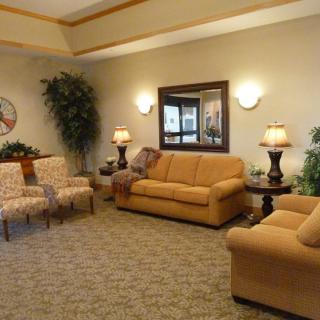

 Powerful Realities of Elder Abuse and the Most Effective Ways to Report It
 Ten Vital Duties of a Senior Caregiver: A Comprehensive Guide
 9 Stimulating Memory Activities for Seniors: Puzzles, Cards, and Much More