For more information about senior living options: (866) 208-4318
3.7 from 53 reviews
5 stars
34
4 stars
2
3 stars
0
2 stars
1
1 stars
16
Alpine Living Center/Mariner Costs & Pricing
Alpine Living Center/Mariner offers a premium living experience with its monthly costs reflecting a higher standard of care and amenities. For semi-private rooms, the facility charges $4,800 per month, significantly exceeding the average rates in both Adams County ($2,900) and statewide in Colorado ($4,009). Private rooms at Alpine Living Center/Mariner are priced at $5,370, which again surpasses local and state averages of $3,206 and $4,142 respectively. This pricing structure indicates that while residents may pay more for accommodations at Alpine Living Center/Mariner compared to other facilities in the region, they likely receive enhanced services and a higher level of comfort tailored to their needs.
Floor plans
Alpine Living Center/Mariner
Adams County
Colorado
Semi-Private
$4,800
$2,900
$4,008
Private
$5,370
$3,206
$4,142
Skilled Nursing Facilities with a similar price nearby
from -$180 / mo
Garden Terrace Alzheimer's Center Of Excellence - Aurora
Rehab and therapy stand out in resident experiences and transfers for recovery.
Multiple reviewers describe strong results from physical therapy and rehab, including improved function and help getting up and moving again. A few comments specifically call out the therapy team as knowledgeable and hardworking, with staff members named for their role in patient progress. Even some otherwise critical reviewers still identify the therapy department as the best part of the stay.
common18 reviews mention this
Staff care gets frequent praise
Many residents and families describe attentive, kind staff members who respond and assist.
Across reviews, residents and families often say staff are friendly, helpful, and attentive to day-to-day needs. Several people describe nurses and CNAs as supportive, including keeping families updated and providing medication support. At the same time, a smaller set of reviews describe trouble reaching staff by phone or long waits for help, suggesting responsiveness varies depending on the time of day.
caveat11 reviews mention this
Food quality is a recurring concern
Food quality and availability come up repeatedly, including complaints about being cold or running out.
Several reviewers criticize meals as terrible, inedible, or often cold, and some say food runs out. Others mention missing items or issues with meals arriving as expected, including one review describing multiple examples of inadequate portions or no-sauce meals. A few residents contrast that with earlier praise of supportive staff, but food remains one of the most repeated negatives.
caveat8 reviews mention this
Building cleanliness and comfort vary
Reviews describe both cleanliness and serious cleanliness or climate problems.
Some reviewers say rooms are clean, smells are pleasant, and the facility appears well kept, with housekeeping and maintenance described as helpful. Other reviews tell a very different story, describing odors, cleanliness problems, and even reports of unsafe or broken facilities. Temperature issues show up as another comfort concern, including complaints about lacking heat in winter and not having air conditioning in summer.
caveat2 reviews mention this
Pricing runs high for units
Pricing is positioned above county and state benchmarks for semi-private and private units.
At the unit level, pricing is consistently higher than both county and state comparisons for semi-private and private options. A couple of reviews also mention unexpected or difficult billing experiences, which adds to concerns that costs may not match expectations during the stay.
common2 reviews mention this
Nearby essentials and services
The area includes nearby pharmacies, imaging, and everyday destinations.
Review themes donā€™t drive the location discussion as strongly as care and daily operations, but the surrounding area does include nearby pharmacies and medical services. For outings and errands, nearby options include Walgreens and imaging/physician offices, along with local restaurants and parks within a short drive.
How we summarize
Counts show how many written reviews mention each theme; a review can touch several themes, and only frequently mentioned themes are displayed.
Features
Types of Care
Skilled Nursing Facility
Pets
Cats allowed
Dogs allowed
Amenities
Private
Transportation
Denver International (17 miles away)
Nearby Places of Interest
Restaurants
Old Chicago (0.7 miles)
Brewskies Pub & Grill (1.3 miles)
3 Margaritas Family Mexican Restaurant (1.9 miles)
Alpine Living Center/Mariner offers a premium living experience with its monthly costs reflecting a higher standard of care and amenities. For semi-private rooms, the facility charges $4,800 per month, significantly exceeding the average rates in both Adams County ($2,900) and statewide in Colorado ($4,009). Private rooms at Alpine Living Center/Mariner are priced at $5,370, which again surpasses local and state averages of $3,206 and $4,142 respectively. This pricing structure indicates that while residents may pay more for accommodations at Alpine Living Center/Mariner compared to other facilities in the region, they likely receive enhanced services and a higher level of comfort tailored to their needs.
Adult day care programs offer essential support and activities for older adults, yet many hesitate to participate due to concerns about independence and stigma. To alleviate these apprehensions, families should facilitate open discussions, explore financial resources, suggest trial visits, and collaborate with healthcare providers to highlight the benefits of such services for both the participants and their caregivers.
Living wills and advance directives are crucial legal documents that outline an individual's healthcare preferences when they cannot make decisions themselves, enhancing patient autonomy and alleviating family stress during medical crises. The article emphasizes the need for these documents to be personalized, legally valid, and regularly updated, while also encouraging communication about end-of-life wishes among family members and healthcare providers.
The article examines living wills and advance directives, highlighting their significance in expressing healthcare preferences for those unable to communicate due to illness or incapacity. It discusses their historical development, legal components, limitations, practical drafting advice, and the importance of clear communication among families and healthcare professionals regarding end-of-life decisions.
Get PricingAsk A QuestionSchedule A TourContact Senior Advisor
By clicking submit, you agree to our Partner's Terms of Use. You
also consent to receive calls and texts, which may be autodialed, from our Partner. Your consent is not a condition to
using our Partner's service. Please visit our Partner's Privacy Policy for information about their privacy practices.


 Skilled Nursing Facility
 Cats allowed
 Dogs allowed
 Private
 Denver International (17 miles away)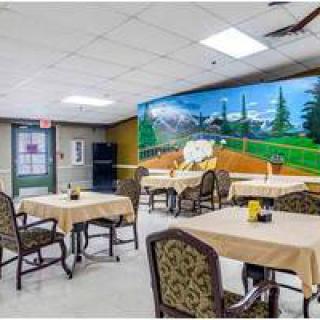
 Caring staff and well-liked meals.


 Encouraging Participation in Adult Day Care: A Guide to Supporting a Hesitant Parent
 Comprehensive Exploration of Living Wills and Other Advance Directives
 A Detailed Exploration of Living Wills and Advance Directives