

Cheyenne Manor in Cheyenne Wells, CO

Save

  • Interior

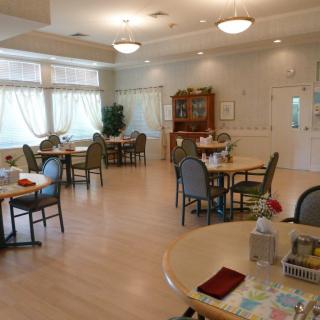
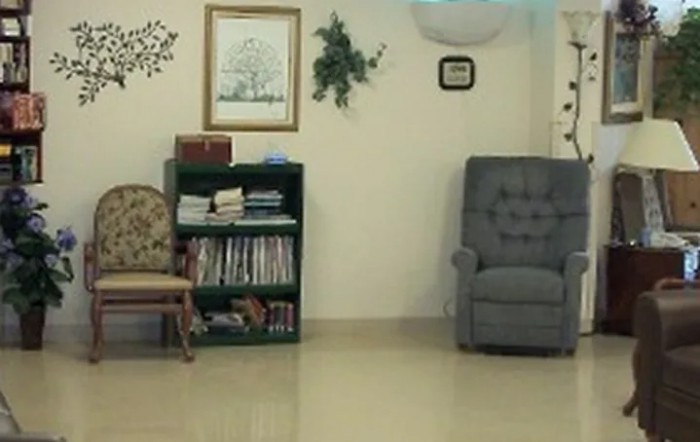
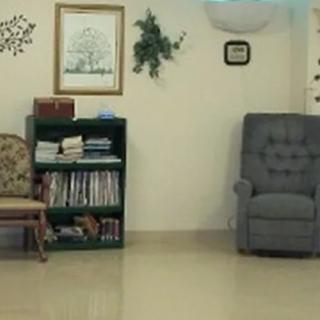
    A cozy living room with a bookshelf and seating area.
  • Outdoors

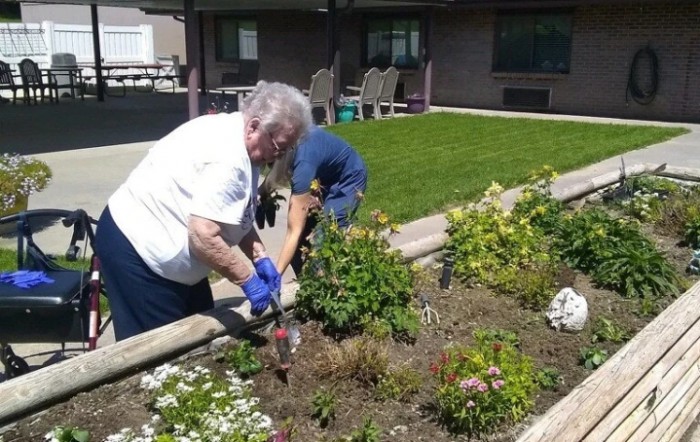
    Two people working together in a garden bed on a sunny day.
  • Building

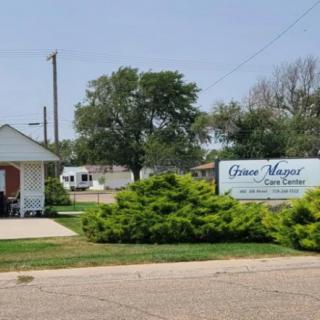
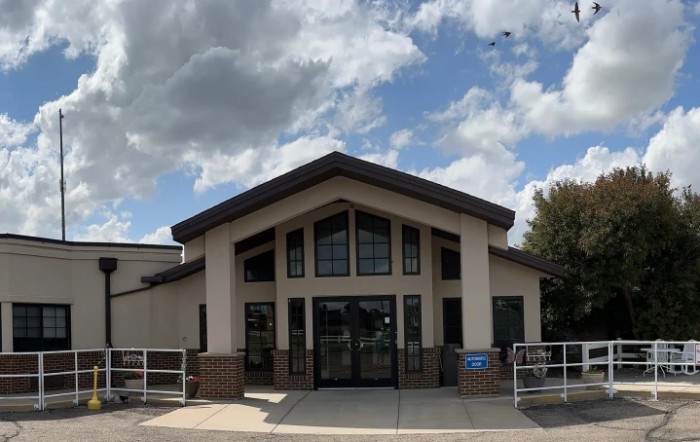
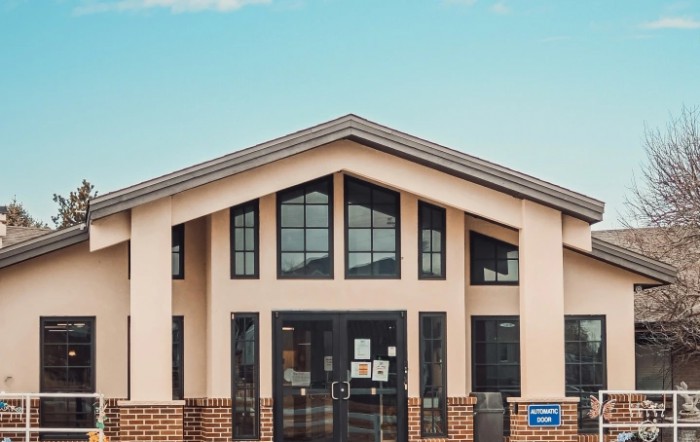
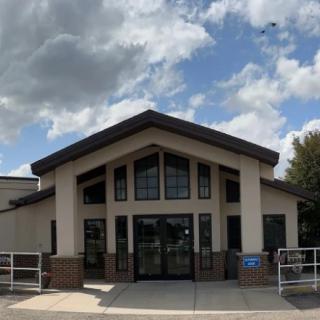
    A front view of a building entrance under a cloudy sky.
  • Architecture

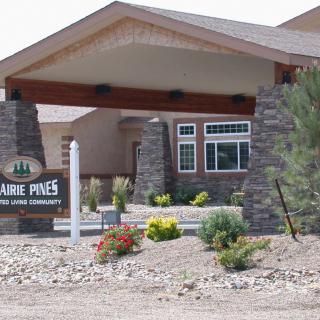
    A modern building facade with large windows and a prominent entrance.
  • Dining

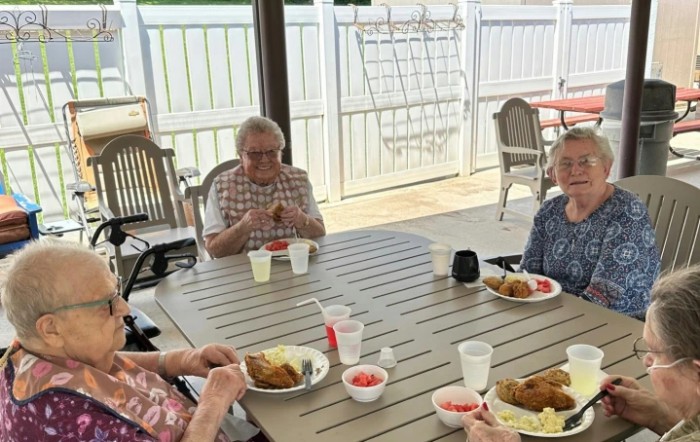
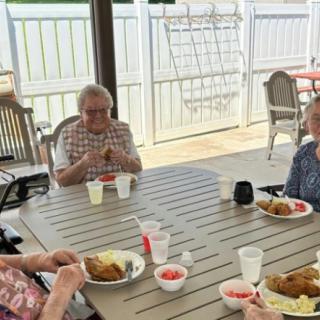
    A group of elderly individuals enjoying a meal together outdoors on a sunny day.
  • Landscaping

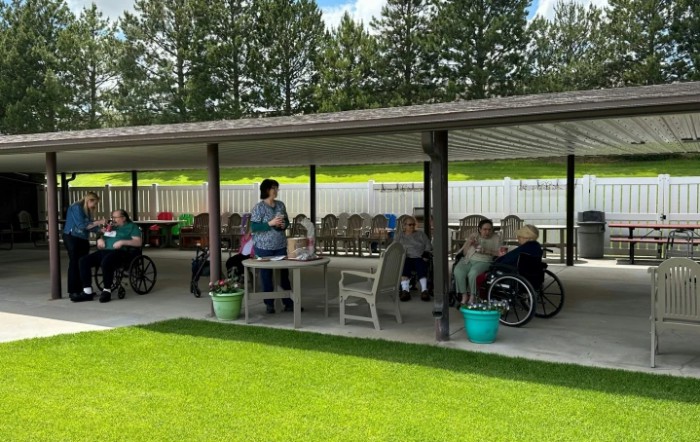
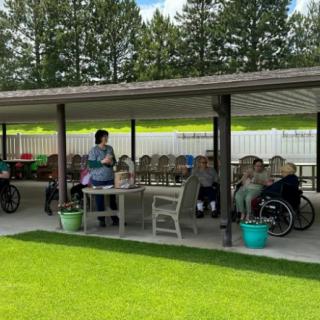
    A group of people gathered under a covered patio with tables and chairs, surrounded by greenery.
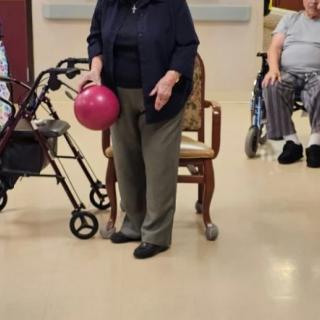
  • Wheelchair

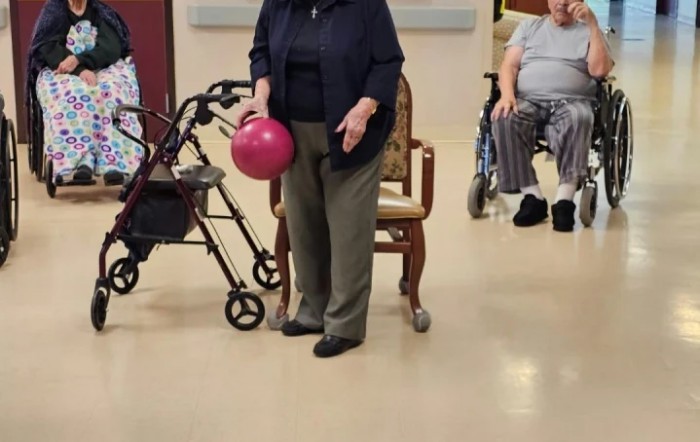
    An elderly person holding a bowling ball, standing next to a walker.
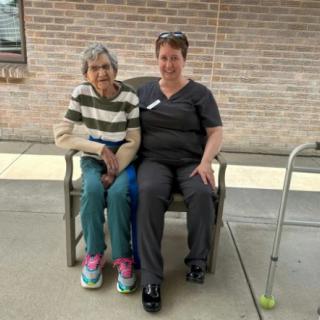
  • Caregiver

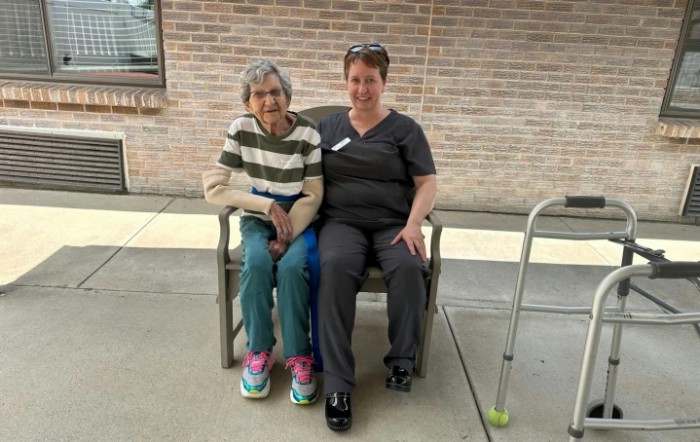
    An elderly woman and a caregiver sitting together on a bench outside.

Cheyenne Manor in Cheyenne Wells, CO

Information last verified:

561 West 1St Street N, Cheyenne Wells, CO 80810

For more information about senior living options: (844) 490-3973

4.5 from 15 reviews
5 stars
11
4 stars
1
3 stars
3
2 stars
0
1 stars
0

Overall Review of Cheyenne Manor

Pros

  • pro The facility is very nice and has a home-like feel.
  • pro The staff are very nice and helpful.
  • pro The staff take fantastic care of residents.
  • pro The facility is extremely clean.
  • pro The place sets a high standard for nursing homes.
  • pro The environment feels friendly and home-like.
  • pro The meals are prepared with care, and rooms can be adapted to residents' needs.
  • pro The nurses are kind and residents seem content and happy.

Cons

  • pro They had a nasty experience when visiting their great great grandmother.
  • pro The janitor was rude, unkind, and disruptive to the visitor and their 11-month-old daughter.
  • pro The reviewer was bothered by disruptive noises and remarks continued throughout the visit.
  • pro They would not appreciate any employee being negative toward visitors or family members.
  • pro An attitude adjustment should be addressed.

Review

Cheyenne Manor in Cheyenne Wells, Colorado, is best suited for families seeking a clean, home-like skilled nursing environment where a relative can receive daily assistance without sacrificing warmth and personal attention. The facility earns consistent praise for its inviting atmosphere, with reviewers describing a homey, comfortable setting that minimizes the clinical chill some families fear. The staff is repeatedly highlighted as helpful and friendly, contributing to a sense of security that caregivers crave when entrusting a loved one to ongoing care. Cleanliness is a standout, and the care environment feels orderly and well maintained, which matters greatly for residents who value dignity and routine.

Those who may want to consider alternatives are those with needs beyond Cheyenne Manor’s demonstrated strengths. Families navigating highly specialized memory care, intensive rehab programs, or complex medical equipment management may find the current offerings too limited. While the center shines in general nursing care and daily living support, one visitor noted a negative interaction with a janitorial staff member, suggesting that not every staff encounter will be uniformly positive. That caveat should be weighed against the broader positive experiences, and visitors should insist on meeting leadership, observing routine interactions, and asking pointed questions about staff culture during tours to ensure alignment with family expectations.

On the strength side, the positives are substantial enough to strongly justify consideration. The facility’s home-like feel, combined with a high level of cleanliness and meals prepared with care, creates an everyday experience that supports comfort and appetite, critical factors for long-term well-being. Rooms that can be modeled to fit individual needs within reasonable limits offer tangible value: safety features, furniture layouts, and equipment placement can be customized to reduce risk and enhance autonomy. The consistency of courteous, attentive nursing staff further compounds these advantages, providing families with confidence that daily medical and personal care will be competently managed.

Candid observations about the environment reinforce Cheyenne Manor’s practical advantages. Reviewers repeatedly describe residents as content and happy, a strong indicator that the daily routine and social atmosphere are working well. The “at-home” culture appears to reduce anxiety for both residents and their families, which translates into fewer distressing moments around transitions, medications, and meal times. For families prioritizing peace of mind and a corrective balance of independence and assistance, the combination of comfortable living spaces, dependable care, and a respectful staff constellation stands out as a meaningful differentiator.

That said, the one notable caveat from a visitor’s perspective, occasional negative behavior from a staff member toward visitors, cannot be ignored. It does not define the community, but it signals that the culture must remain vigilant and consistently aligned with resident- and family-facing standards. The robust positives, care quality, cleanliness, nutrition, and flexible room personalization, clearly offset this risk for most potential residents, especially when proactive steps are taken: request a direct line of communication with the charge nurse, observe how staff interact during routine hours, and address any concerns early in the admissions process. Overall, the balance tips toward Cheyenne Manor delivering a reliable, comfort-forward living option for its target population.

In practical terms, Cheyenne Manor stands as a solid recommendation for families prioritizing a trustworthy, home-forward setting with steady nursing and supportive staff. It is an especially fitting match for relatives who require regular assistance but do not demand the most intensive clinical programming or the breadth of services found in larger, more specialized facilities. Families evaluating options should still compare memory-care-focused facilities or programs with broader rehab offerings, particularly if dementia-specific activities or aggressive therapy regimens are priorities. With careful touring, candid conversations with leadership, and a clear plan for ongoing care and family involvement, Cheyenne Manor presents as a viable, comfort-first choice in the Cheyenne Wells area.

Features

Housing

  • 38 resident community capacity 38 resident community capacity

Types of Care

  • Skilled Nursing Facility Skilled Nursing FacilitySkilled Nursing Facilities are crucial for seniors as they provide round-the-clock medical care, rehabilitation services, and assistance with daily activities. These facilities ensure that seniors receive the specialized care they need to maintain their health and well-being as they age.

Amenities

  • Beauty salon Beauty salonBeauty salons are important for seniors because they provide a space for them to feel pampered, socialize, and maintain their personal grooming and hygiene. Regular visits to a beauty salon can help boost seniors' self-esteem and overall well-being.
  • Cable or satellite TV Cable or satellite TVCable or satellite TV is important for seniors because it provides entertainment, news, and companionship, helping to combat loneliness and boredom. It also offers a wide range of programming options tailored to different interests and preferences.
  • Dining room Dining roomDining rooms are important for seniors as they provide a space for socialization, connection, and nutritious meals. They offer opportunities for residents to bond over shared meals, foster a sense of community, and promote healthy eating habits. Dining rooms also ensure that seniors have access to well-balanced meals tailored to their dietary needs and preferences.
  • Fully furnished Fully furnishedFully furnished senior living communities are important for seniors because they provide convenience, comfort, and a hassle-free moving experience. Seniors can easily settle into their new living space without the stress of having to buy and move furniture. This allows them to focus on enjoying their new home and community.
  • Garden GardenGardens are important for seniors as they provide a peaceful and therapeutic environment for relaxation, physical activity, and socialization. Being in nature has been shown to reduce stress, improve mood, and promote overall well-being. Gardens also offer opportunities for seniors to engage in gardening activities, which can improve mobility, flexibility, and cognitive function. Additionally, gardens create a sense of community and connection with others who share a passion for plants and outdoor spaces.
  • Housekeeping services Housekeeping servicesHousekeeping services are important for seniors because they help maintain a clean and safe living environment, promote independence, and reduce the risk of accidents or illnesses. Additionally, having assistance with household chores can alleviate physical strain and allow seniors to focus on other aspects of their well-being.
  • Kitchenette KitchenetteKitchenettes are important for seniors living in senior living communities because they provide the convenience and independence of being able to prepare simple meals and snacks in the comfort of their own living space. This can help promote a sense of autonomy and well-being for seniors, allowing them to maintain some level of control over their dietary choices and daily routines.
  • Move-in coordination Move-in coordinationMove-in coordination is important for seniors because it helps ease the transition into their new living environment. It ensures that all logistics, such as packing, organizing movers, and setting up utilities are taken care of, allowing seniors to focus on settling in and adjusting to their new home. Having a smooth move-in process can alleviate stress and anxiety, making the transition smoother and more enjoyable for seniors.
  • Outdoor space Outdoor spaceOutdoor spaces are important for seniors as they provide opportunities for physical activity, social interaction, exposure to natural light and fresh air, and a sense of connection to nature. Having access to outdoor spaces can improve overall well-being and quality of life for older adults living in senior communities.
  • Restaurant-style dining Restaurant-style diningRestaurant-style dining is important for seniors because it allows them to enjoy delicious, nutritious meals in a social and upscale setting. This enhances their dining experience, promotes healthy eating habits, and fosters socialization with fellow residents, ultimately contributing to their overall well-being and quality of life.
  • Small library Small librarySmall libraries are important for seniors as they provide access to a variety of reading materials, including books, newspapers, and magazines. This can help stimulate their minds, keep them engaged, and provide a sense of community through book clubs and other social activities. Additionally, reading has been shown to improve cognitive function and overall mental well-being in older adults.
  • Telephone TelephoneTelephones are important for seniors as they provide a lifeline for communication with loved ones, emergency services, and healthcare providers. They offer a sense of security and independence, enabling seniors to stay connected and access assistance when needed.
  • Wi-Fi/high-speed internet available Wi-Fi/high-speed internet availableWi-Fi/high-speed internet is important for seniors to stay connected with loved ones, access online resources, and participate in virtual activities to combat feelings of loneliness and isolation. It also allows them to easily manage healthcare needs, access entertainment, and engage in lifelong learning opportunities.

Care Services

  • 24-hour call system 24-hour call system24-hour call systems are important for seniors because they provide peace of mind and immediate assistance in case of emergencies. This technology ensures that help is always available, promoting safety and security for elderly individuals living alone or in assisted living facilities.
  • 24-hour supervision 24-hour supervision24-hour supervision is important for seniors to ensure their safety, well-being, and access to immediate assistance in case of emergencies or health issues. This constant support provides peace of mind for both seniors and their loved ones, allowing them to age in place with dignity and security.
  • Activities of daily living assistance Activities of daily living assistanceActivities of daily living assistance are important for seniors because they provide essential support with tasks such as eating, bathing, dressing, and mobility. This assistance helps seniors maintain their independence, dignity, and overall quality of life as they age.
  • Assistance with bathing Assistance with bathingAssistance with bathing is crucial for seniors as it helps maintain personal hygiene, prevents infections, and ensures their overall well-being and comfort. It also provides a sense of dignity and independence for seniors who may struggle with this task on their own.
  • Assistance with dressing Assistance with dressingAssistance with dressing is important for seniors because it helps maintain their independence, promotes personal hygiene, prevents accidents and injuries, and improves overall quality of life. This service ensures that seniors can continue to dress comfortably and confidently, despite any physical limitations they may have.
  • Assistance with transfers Assistance with transfersAssistance with transfers is crucial for seniors as it helps prevent falls and injuries, maintains their independence, and ensures they can safely navigate their living environment. It also provides peace of mind for both seniors and their loved ones.
  • Diabetes diet Diabetes dietA diabetes diet is crucial for seniors as it helps manage blood sugar levels, reduce risks of complications, and improve overall health and well-being. By following a balanced and nutritious diet tailored to their specific needs, seniors can better control their diabetes and enhance their quality of life.
  • Meal preparation and service Meal preparation and serviceMeal preparation and service are crucial for seniors as they may have limited mobility or energy to cook nutritious meals. Having access to healthy and convenient food options can ensure they are getting the proper nutrition needed to maintain their overall health and well-being.
  • Medication management Medication managementMedication management is crucial for seniors to ensure they are taking the right medications at the correct dosages and times. This helps prevent adverse drug interactions, reduces the risk of medication errors, and promotes overall health and well-being. Proactive management also allows for adjustments as needed based on changing health conditions or new prescriptions.
  • Mental wellness program Mental wellness programMental wellness programs are essential for seniors as they promote cognitive stimulation, emotional support, and social engagement. These programs help prevent isolation, depression, and cognitive decline, ultimately enhancing the overall quality of life for older adults.
  • Special dietary restrictions Special dietary restrictionsSpecial dietary restrictions are important for seniors because age-related changes in metabolism and health conditions can make it difficult for their bodies to process certain foods. By following a diet tailored to their specific needs, seniors can maintain their overall health and well-being, manage chronic conditions, and reduce the risk of complications such as malnutrition or food interactions with medications.
Dining

  • Diabetes diet Diabetes dietA diabetes diet is crucial for seniors as it helps manage blood sugar levels, reduce risks of complications, and improve overall health and well-being. By following a balanced and nutritious diet tailored to their specific needs, seniors can better control their diabetes and enhance their quality of life.
  • Special dietary restrictions Special dietary restrictionsSpecial dietary restrictions are important for seniors because age-related changes in metabolism and health conditions can make it difficult for their bodies to process certain foods. By following a diet tailored to their specific needs, seniors can maintain their overall health and well-being, manage chronic conditions, and reduce the risk of complications such as malnutrition or food interactions with medications.

Activities

  • Community-sponsored activities Community-sponsored activitiesCommunity-sponsored activities are important for seniors as they provide opportunities for social interaction, mental stimulation, and physical activity. These activities can help improve overall well-being, combat loneliness and isolation, and promote a sense of belonging and purpose among older adults.
  • Resident-run activities Resident-run activitiesResident-run activities are important for seniors as they encourage social interaction, creativity, and a sense of autonomy. These activities empower seniors to stay engaged and active in their community while fostering meaningful connections with their peers.
  • Scheduled daily activities Scheduled daily activitiesScheduled daily activities are important for seniors because they provide structure, socialization, mental stimulation, and physical activity. Engaging in regular activities can improve overall well-being and quality of life for seniors living in a community setting.

Description

Cheyenne Manor is a welcoming assisted living community located in Cheyenne Wells, CO. Our community offers a wide range of amenities to ensure a comfortable and enjoyable living experience for our residents. Each apartment is fully furnished and equipped with cable or satellite TV, as well as high-speed internet access. Residents can also enjoy the convenience of having a kitchenette in their apartment.

Our dedicated staff provides 24-hour supervision, as well as assistance with activities of daily living such as bathing, dressing, and transfers. We also offer medication management and follow special dietary restrictions, including diabetes diets, to ensure the health and well-being of our residents.

At Cheyenne Manor, we believe in promoting mental wellness among our residents. We offer a mental wellness program that includes various activities and therapies to enhance cognitive abilities and emotional well-being.

In addition to providing excellent care services, we also prioritize social engagement and recreational opportunities for our residents. We have resident-run activities and scheduled daily activities that cater to different interests and preferences. Our small library provides a cozy space for reading or quiet relaxation.

Residents can enjoy delicious meals served restaurant-style in our dining room, where we accommodate special dietary restrictions. For those who prefer outdoor spaces, we have beautiful gardens and other outdoor areas for residents to enjoy fresh air and nature.

We understand that moving can be overwhelming, which is why we offer move-in coordination services to make the transition smoother for our residents.

Cheyenne Manor is conveniently located near various amenities such as parks, pharmacies, physicians' offices, restaurants, places of worship, and hospitals. This ensures easy access to essential services and allows residents to remain active within their community.

Overall, at Cheyenne Manor we strive to provide a comfortable living environment while promoting independence, socialization, and overall well-being for our residents.

Nearby Places of Interest

Physicians

  • Prairie View Clinic (0.2 miles)

Hospitals

  • Keefe Memorial Hospital (0.2 miles)

Places of Worship

  • Sacred Heart Rectory (0.4 miles)
  • Southern Baptist Convention (0.4 miles)
  • United Methodist Church (0.4 miles)
  • Christian Church (0.4 miles)
  • Arapahoe Community Church (9.5 miles)
  • Risen King Community Church (20.9 miles)

Restaurants

  • AlleyWay Cafe (0.4 miles)

Pharmacies

  • Wells Pharmacy (0.4 miles)

Parks

  • Medicine Arrow Park (0.5 miles)

Frequently Asked Questions

Where is Cheyenne Manor?
What photos are available for Cheyenne Manor in Cheyenne Wells, Colorado?

Nearby Communities

  • Prairie Village Retirement

    Prairie Village Retirement

    Sharon Springs, KS

    5 from 1 review
     

    pro Convenient access to nearby pharmacy, physician, dining options, places of worship, and theater, with a focus on quality care and comfortable living.

  • Wallace County Community Care Center

    Wallace County Community Care Center

    Sharon Springs, KS

    4.2 from 6 reviews
    $1,500 / month

    pro Affordable private rooms with 24/7 care.

  • Legacy At Burlington

    Legacy At Burlington

    Burlington, CO

    3 from 2 reviews
     

    pro Diabetes-focused care with 24-hour support.

  • Prairie Pines Assisted Living Community

    Prairie Pines Assisted Living Community

    Eads, CO

    5 from 2 reviews
    $3,060 to $6,037 / month

    pro Excellent dining and dietary care, driven by a highly praised Dietary Manager.

  • Grace Manor Care Center

    Grace Manor Care Center

    Burlington, CO

    4.2 from 33 reviews
     

    pro Furnished apartments with 24/7 supervision and on-site dining.

Related Resources

  • adult day careEncouraging Participation in Adult Day Care: A Guide to Supporting a Hesitant Parent

    Adult day care programs offer essential support and activities for older adults, yet many hesitate to participate due to concerns about independence and stigma. To alleviate these apprehensions, families should facilitate open discussions, explore financial resources, suggest trial visits, and collaborate with healthcare providers to highlight the benefits of such services for both the participants and their caregivers.

  • living will definitionComprehensive Exploration of Living Wills and Other Advance Directives

    Living wills and advance directives are crucial legal documents that outline an individual's healthcare preferences when they cannot make decisions themselves, enhancing patient autonomy and alleviating family stress during medical crises. The article emphasizes the need for these documents to be personalized, legally valid, and regularly updated, while also encouraging communication about end-of-life wishes among family members and healthcare providers.

  • living will definitionA Detailed Exploration of Living Wills and Advance Directives
    The article examines living wills and advance directives, highlighting their significance in expressing healthcare preferences for those unable to communicate due to illness or incapacity. It discusses their historical development, legal components, limitations, practical drafting advice, and the importance of clear communication among families and healthcare professionals regarding end-of-life decisions.