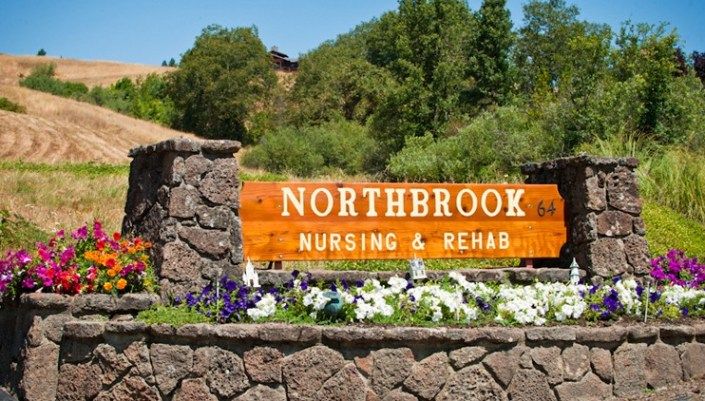



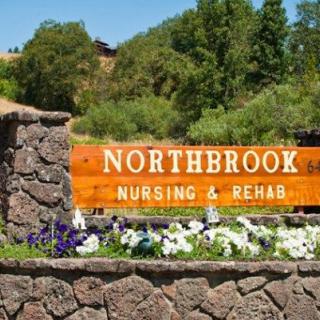
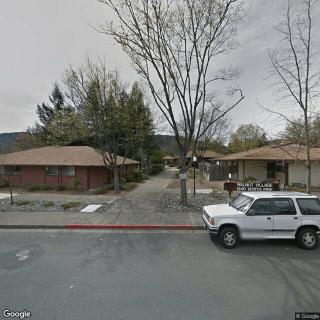
64 Northbrook Way, Willits, CA 95490
For more information about senior living options: (866) 208-4318
Overall Review of Northbrook Healthcare Center
Pros
 The staff are compassionate from top to bottom, and the food is pleasantly delicious.
- The Northbrook Health Center’s team delivers great service and helps patients rehabilitate with professionalism, kindness, and compassion.
- Visitors describe the facility as excellent, with the staff being the best, and they would return or recommend it to others.
- The staff are friendly, listen to concerns, and address every issue they encounter.
- Patients experience a first-class, supportive environment with knowledgeable, helpful staff who help restore normal life.
- The environment offers pleasant touches, including views of hummingbirds outside each room.
- The staff arrange outdoor time for residents, and the facility offers modern amenities like Door Dash and smart TVs with YouTube Premium.
- Northbrook's culture is joyful and the staff are committed to ongoing growth and support.
- The therapy department focuses on the patient as a whole and designs holistic rehab plans.
- The activities department runs group activities all day and provides 1:1 time for residents who prefer it.
- The kitchen goes above and beyond to tailor therapeutic diets and respect residents' food preferences.
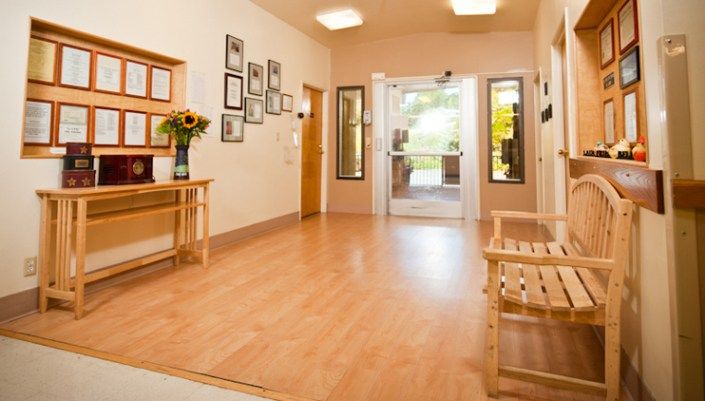
- The facility is clean, odor-free, and feels like a safe space for rehabilitation.
Cons
 The reviewer believes Sweet'N Low is the most awful sugar substitute and should be outlawed.
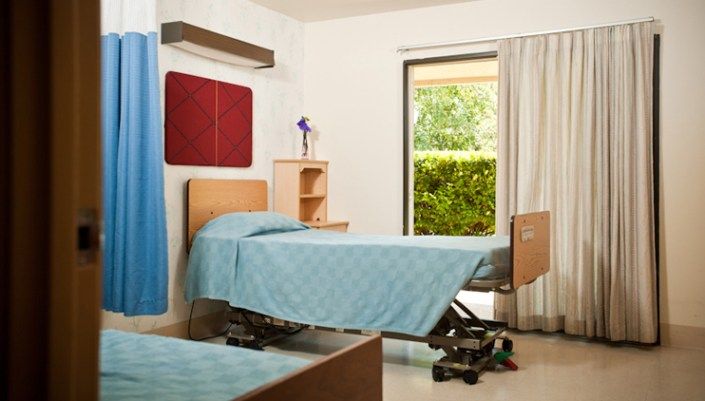
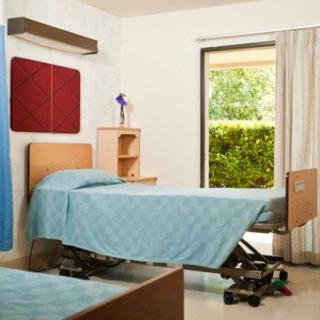
 - The reviewer notes there are three beds in a tiny room.
- The reviewer observes there is no phone in the room.
- The reviewer complains that the staff never calls back.
- The reviewer questions having physical therapy on Zoom.
- The reviewer said they were disappointed.
- The reviewer states the administrator was extremely discourteous and short-tempered, and would not recommend the facility.
Review
This community is best suited for seniors who need intensive rehabilitation after an illness or major surgery and who place a premium on a highly compassionate, hands-on care team. Northbrook Health Care Center serves residents who benefit from daily therapy, attentive nursing oversight, and a care-driven culture that keeps families closely involved in the recovery process. It is especially well matched for those who have experienced hospitalizations and require coordinated medical follow-up, pain management, and functional recovery plans. For families prioritizing strong clinical leadership, consistent patient monitoring, and a supportive environment that emphasizes whole-person care, this is a strong choice. Those who want primarily long-term, low-need living with a stronger emphasis on private, upscale amenities may want to weigh alternatives, as well as residents who require more privacy or a quieter, less therapy-intensive setting.
The core strength here is the staff and the care philosophy. Across the board, the team is described as genuinely kind, capable, and responsive, from licensed nurses and CNAs to therapists and dietary specialists. The medical leadership stands out: the medical director maintains a visible, hands-on role, meeting residents and families weekly, coordinating labs, adjusting plans promptly, and championing pain management and timely referrals. Such continuity translates into fewer hospital reads and a smoother trajectory from acute care to rehabilitation. The culture is consistently noted as joyful and humane, with staff training and internal development creating a workforce that feels invested in each resident’s progress. That level of engagement matters when the goal is not merely supervision but real, moment-to-moment improvements in function and mood.
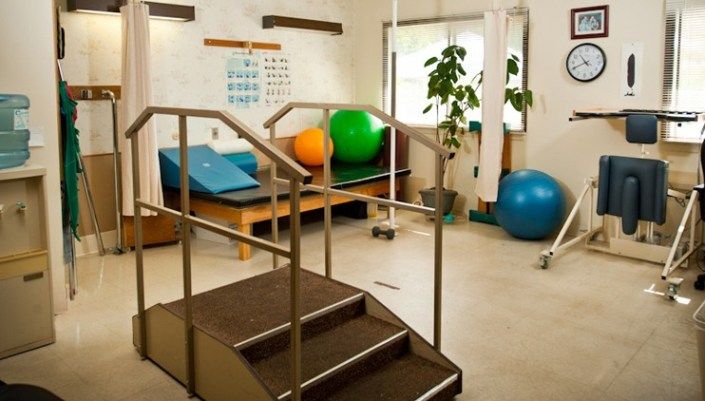
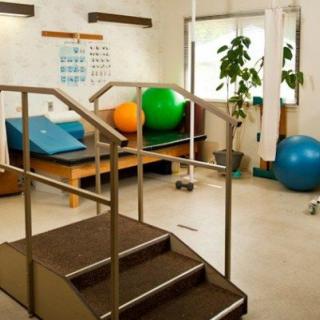
Therapy and rehabilitative care are the defining attributes, and the numbers behind them are compelling. Residents consistently recover their mobility and daily living skills under an approach that blends physical, occupational, and speech therapy with attention to sensory and emotional needs. Sessions are described as purposeful and often offered in an outdoor setting when weather allows, which helps with engagement and mood. The therapy team also prioritizes 1:1 attention for those who do not thrive in group formats, ensuring meaningful activity for varied preferences. The program extends beyond strictly physical recovery to include social work and mental-emotional support, recognizing that the path back to independence hinges on confidence, motivation, and a sense of safety. In short, the rehab engine here is robust and relentlessly practical.
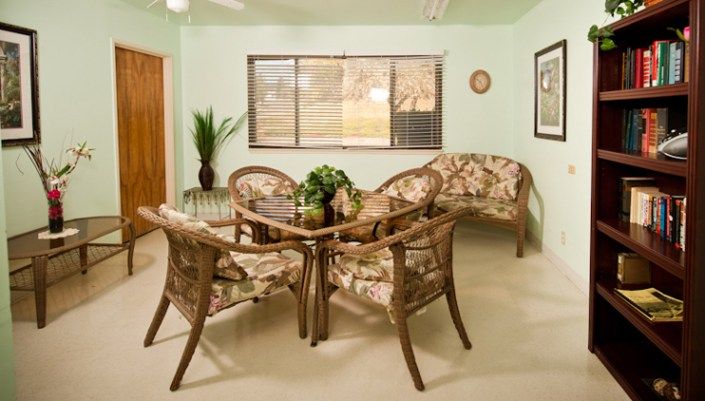
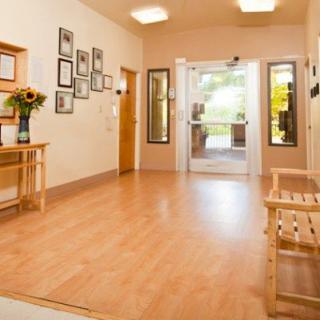
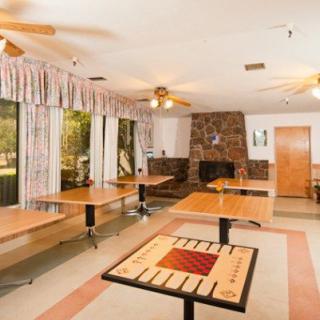
Living space and day-to-day environment show a mixed picture. On the positive side, the facility is praised for cleanliness, odor control, and a calm, home-like feel. Residents have room to move around, and the campus offers outdoor space and a backyard that families can enjoy during visits. The kitchen team works to tailor therapeutic diets and follow residents’ preferences, reinforcing a sense of individualized care. However, several accounts point to variability in room configurations, with some rooms housing multiple residents and a lifestyle that can feel crowded. A few practical gaps appear as well: at least one reviewer notes no phone in the room, and another highlights inconsistent call-backs from staff. These operational hiccups matter when a family needs quick, reliable communication, especially during a transition period or when a loved one’s status shifts.
These strengths do not exist in a vacuum; they offset notable drawbacks in meaningful ways. The strongest offset comes from the clinical depth and the proactive stance of leadership. Quick adjustments to care plans, timely labs and follow-ups, and a focus on preventing hospital readmissions create a safety net that is hard to match in facilities with leaner rehab programs. The comprehensive therapy framework, combined with a supportive social services team, helps residents regain functional independence more predictably than in many peers. While room density and occasional administrative friction may be inconvenient, they are not fatal flaws when the priority is recovery and daily engagement. Families who prioritize a confident medical team and a rehabilitative trajectory will often regard these trade-offs as acceptable, or even worth bearing for the level of care delivered.
For families weighing options, the practical signal is clear: Northbrook excels when recovery, hands-on clinical oversight, and a warm, community-oriented environment are priorities. Prospective residents who need robust physical and occupational therapy, a responsive medical director, and a care culture that treats healing as a collaborative, family-involved process will feel confident here. Those who must have private, hotel-like rooms as a baseline expectation, or who require near flawless administrative responsiveness in every communication, should consider alternatives. It is worth exploring private-room configurations and scheduling nuances during a visit, and asking direct questions about anticipated wait times for calls, room options, and how therapy schedules may adapt to individual routines. In the end, Northbrook Health Care Center stands out as a decisive choice for recovery-minded seniors who value competence, compassion, and a rehabilitative pathway that centers the person above all.
 70 resident community capacity
 Skilled Nursing Facility
 Air-conditioning
 Beauty salon
 Cable or satellite TV
 Computer center
 Dining room
 Fitness room
 Fully furnished
 Gaming room
 Garden
 Housekeeping services
 Kitchenette
 Move-in coordination
 Outdoor space
 Private bathrooms
 Restaurant-style dining
 Small library
 Telephone
 Wellness center
 Wi-Fi/high-speed internet available
 Community operated transportation
 12-16 hour nursing
 24-hour call system
 Activities of daily living assistance
 Assistance with bathing
 Assistance with dressing
 Assistance with transfers
 Diabetes diet
 Medication management
 Mental wellness program
 Special dietary restrictions
 Concierge services
 Planned day trips

 Home Health Care Demystified: A Comprehensive Guide for Families and Caregivers
 Seniors and Modern Transportation: Exploring Uber, Lyft, and Other Ride-Hailing Options
 Comprehensive Guide to Qualifying for Home Health Care Services