
1349 South Dora Street, Ukiah, CA 95482
For more information about senior living options: (866) 208-4318
Overall Review of Ukiah Post Acute Rehabilitation And Skilled Nursing
Pros
 The staff across all roles were friendly and helpful, making patients feel important and well cared for.
- The care teams, including nurses, CNAs, physical therapists, and occupational therapists, delivered outstanding professionalism and compassion.
- The doctor gave an enthusiastic Excellent rating for knee mobility.
- Multiple staff members, such as Lynnae, Shannon, Alaa, and Ana, were warmly appreciated for their care.
- Ukiah Post Acute comes highly recommended by patients and families.
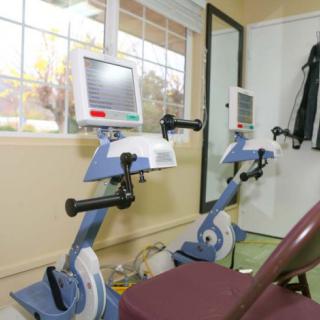
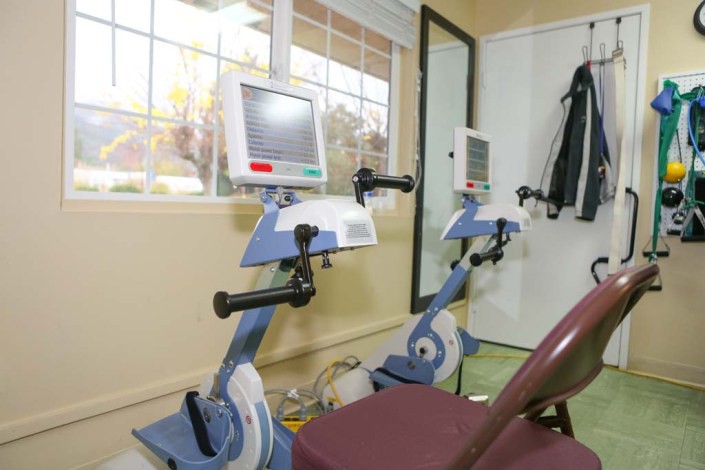
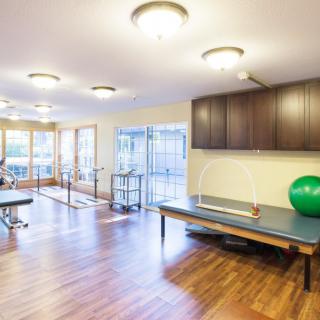
- The facility offers a great physical/occupational therapy program and a welcoming, caring environment.
- The facility is clean with a friendly, professional staff and standout teammates like Rita.
Cons
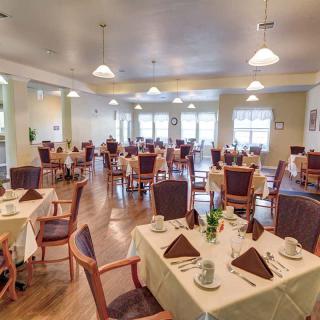
 The food was atrocious, with a dry pork chop, tough beef stroganoff, and uncooked noodles.
- The fish was described as a UFO, and the taste was awful.
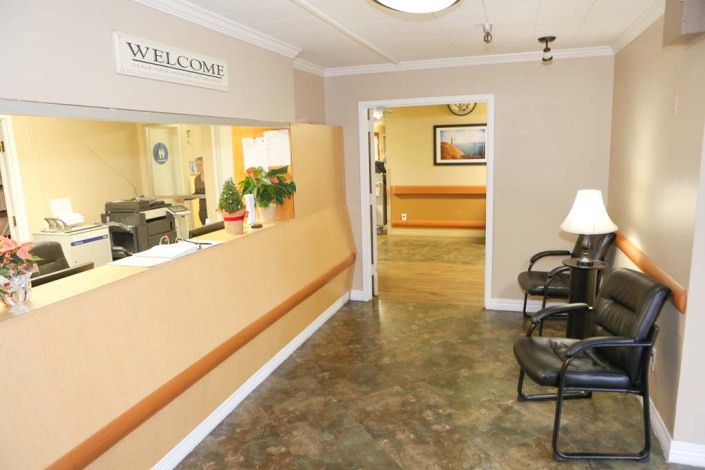
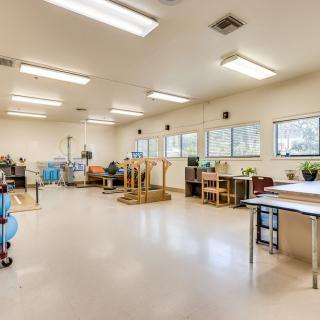
- The Physical Therapy room was overcrowded.
- The room was overly air conditioned and the patient was freezing on a hot day.
- Repeated requests to adjust the temperature were ignored, and the window was opened to let in outside heat.
- One staff member told the reviewer to “get in and get out,” which came across as rude.
- The reviewer described the facility as a horrible place and wouldn’t send a loved one there.
Review
This community is best suited for older adults who are recovering from surgery and require structured rehabilitation to regain mobility, with a strong emphasis on physical and occupational therapy. It particularly serves those coming off knee or hip replacements who want to see concrete progress and a clear path back to independent function. The standout asset is the therapy ecosystem: dedicated therapists, a responsive nursing team, and social workers who actively support the recovery journey. For families prioritizing measurable improvement in movement and a caring, engaged staff, this facility offers a practical, outcomes-focused option.
Those who may want to consider alternatives include families for whom dining quality and dining experience are non-negotiable, or who insist on a consistently pristine temperature and quiet, low-stress environment. Reviews show a wide split on meals, some praise the care team and overall atmosphere, while others describe the food as poor and repetitive. Temperature control can also be unpredictable, with reports of rooms that feel uncomfortably cold and a therapy space that can get crowded. If the priority is gourmet meals, serene surroundings, or uniformly assertive staff interactions, exploration of other communities may be warranted.
The core strengths here lie in the rehab program and the people delivering it. The therapy department earns frequent praise as a bright spot, with both physical and occupational therapy described as capable, skilled, and genuinely collaborative. Nursing care and CNAs are consistently cited as compassionate and responsive, helping patients feel valued and supported during intense recovery phases. Add to that clean facilities and a sense of forward momentum, often reinforced by positive notes from physicians regarding mobility gains, and the model becomes hard to beat for goals centered on getting back home and resuming daily activities.
Where the experience falters, it tends to be the softer, day-to-day amenities that some families notice. Food quality appears mixed across reviews, with a subset labeling meals as disappointing relative to other facilities, ranging from bland or poorly prepared items to canned produce and uneven cuisine. Environmental comfort is not universal: some patients report rooms that are too cold or climate controls that are slow to respond, and there are mentions of an overcrowded therapy room during peak times. There is also at least one blunt account of rude staff behavior, which underscores that interpersonal experiences can vary by shift and individual staff members.
Taken together, the positives, robust rehabilitation services, consistently caring staff, and tangible improvements in mobility, often outweigh the drawbacks for recovery-focused stays. The ability to drive meaningful progress, shorten dependence on outpatient therapy, and depart with a stronger functional profile makes the trade-offs more tolerable for many families. When the goal is to restore independence after surgery and to regain confidence in daily tasks, the value proposition becomes clear: competent, hands-on therapy paired with a compassionate caregiving team can accelerate return to home and everyday life.
For families considering this community, a targeted due diligence approach is wise. Schedule an in-person tour and observe therapy sessions, then speak with the therapists about scheduling flexibility and specific recovery milestones. Ask about menu options, the involvement of a dietitian, and whether dietary needs can be tailored to avoid repeat meals that have been flagged as unsatisfactory. Inquire about temperature control and room assignment, and request a sense of how crowded peak therapy times can be. If a patient’s priorities center on elite dining quality or a quiet, low-stimulus environment, other options may better fit; otherwise, Ukiah Post Acute Rehabilitation and Skilled Nursing offers a practical, capable route to regain function and return home.
 57 resident community capacity
 Skilled Nursing Facility
 Air-conditioning
 Beauty salon
 Cable or satellite TV
 Computer center
 Dining room
 Fitness room
 Fully furnished
 Gaming room
 Garden
 Housekeeping services
 Kitchenette
 Move-in coordination
 Outdoor space
 Private bathrooms
 Restaurant-style dining
 Small library
 Telephone
 Wellness center
 Wi-Fi/high-speed internet available
 Community operated transportation
 12-16 hour nursing
 24-hour call system
 Activities of daily living assistance
 Assistance with bathing
 Assistance with dressing
 Assistance with transfers
 Diabetes diet
 Medication management
 Mental wellness program
 Special dietary restrictions
 Concierge services
 Planned day trips


 Navigating Medicare Coverage for In-Home Care Services
 In-Home Care Costs in 2025: A Detailed State-by-State Exploration
 Understanding Home Health Care: A Comprehensive Guide