
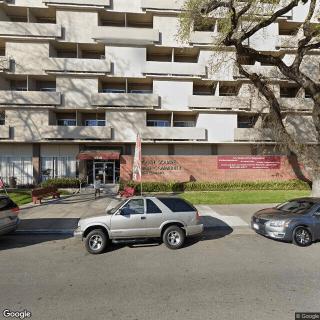
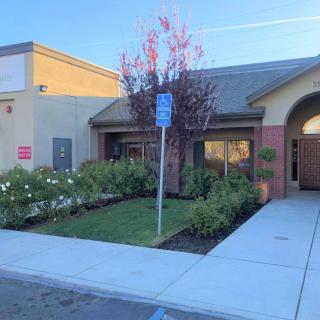
1630 North Edison Street, Stockton, CA 95204
For more information about senior living options: (866) 208-4318
Overall Review of Good Samaritan Rehab And Care Center
Pros
 The facility is wonderful.
- It offers many activities that include families.
- The staff are kind, respectful, compassionate, and helpful.
- There have been nothing but good experiences there.
- The caregivers are highly regarded and loved by residents.
Cons
 This facility sucks and should be closed.
- The facility is dirty.
- The facility could use rejuvenation; the patient rooms need cleaning and better care.
- Care is substandard, and the odor of urine is overwhelming.
- Older staff were very rude, especially the older ladies.
- They stereotype and judge people by appearance and are unprofessional.
- Do not go here; you're better off somewhere else without the judgment.
Review
Good Samaritan Rehab And Care Center in Stockton is best suited for seniors who want a lively, activity-rich environment and value family involvement in daily life. The calendar features engaging activities like bingo, karaoke, dancing, bowling, and a variety of games that keep minds active and invite family participation. In the strongest testimonials, residents speak of warmth from caregivers and meaningful connections with staff during challenging moments. This is not a sterile, impersonal setting; when the right staff are on shift, the community can feel sincerely caring and lively.
Families should look elsewhere if meticulous cleanliness, consistent staffing, and uniform professionalism are non-negotiables. Several reviews describe dirtiness, strong odors, and rooms that require cleaning attention; back entrances and perceived neglect compound concerns about basic upkeep. Instances of staff appearing overwhelmed or disengaged, particularly among older workers, raise questions about consistency of care and supervision. For residents with high medical or cognitive support needs, the questions about staff training and supervision become more than cosmetic concerns.
On the upside, the community's strongest asset is its robust activity program and opportunities for family involvement. Where other facilities falter, this center delivers social stimulation that can delay withdrawal and isolation. The positive anecdotes about compassionate care in end-of-life scenarios and praise for individual caregivers who formed genuine bonds with residents carry substantial weight for families prioritizing emotional well-being. When a resident thrives on interaction, structured activities and accessible spiritual support can provide essential quality-of-life benefits that offset some operational flaws.
Yet the major drawbacks should not be dismissed. Critics describe pervasive odors and cleanliness issues that greet visitors, with claims of dirty patient rooms and inadequate housekeeping. Reports of staff missteps, stereotypes, and unprofessional attitudes, especially among older personnel, underline the risk of uneven care quality from shift to shift. The volume of negative reviews suggests a pattern families must probe: are these isolated incidents or systemic gaps in supervision, training, and accountability? The answers hinge on current leadership and staffing reality, which can shift over time.
Approach this decision with a rigorous, apples-to-apples assessment. Schedule a thorough on-site tour at different times, ask to speak with both front-line aides and the supervising director, and request current resident and family references. Verify recent state or local inspections, cleanliness records, and caregiver-to-resident ratios. Observe how the environment feels, how staff interact with residents, how quickly needs are acknowledged, and whether the facility maintains a sense of dignity and warmth even when demands are high. If possible, arrange a trial period or short-term respite to gauge fit before committing.
Bottom line: for families prioritizing engagement, sociable seniors, and a sense of community, Good Samaritan can be a strong match if cleanliness and consistent staff quality are demonstrably improved. It is not recommended for households with zero tolerance for odors, perceived neglect, or unpredictable care. Alternatives with stronger cleanliness records, steadier staffing, and a more uniformly professional culture should be on the table for comparison. A well-structured visit and candid conversations will reveal whether this community can deliver both the lively spirit and reliable care that the decision requires.
 98 resident community capacity
 Skilled Nursing Facility
 Air-conditioning
 Beauty salon
 Cable or satellite TV
 Computer center
 Dining room
 Fitness room
 Fully furnished
 Gaming room
 Garden
 Housekeeping services
 Kitchenette
 Move-in coordination
 Outdoor space
 Private bathrooms
 Restaurant-style dining
 Small library
 Telephone
 Wellness center
 Wi-Fi/high-speed internet available
 Community operated transportation
 12-16 hour nursing
 24-hour call system
 Activities of daily living assistance
 Assistance with bathing
 Assistance with dressing
 Assistance with transfers
 Diabetes diet
 Medication management
 Mental wellness program
 Special dietary restrictions
 Concierge services
 Planned day trips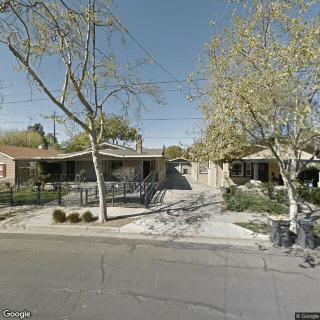




 A Closer Look at Private Pay Home Care
 Comprehensive Approaches for Arthritis: A Detailed Guide to Symptoms, Causes, and Care
 Comprehensive Insights and Practical Strategies to Help Older Adults Avoid Falls