The Avenues Transitional Care Center Costs & Pricing
The Avenues Transitional Care Center offers private room accommodations at a monthly cost of $5,850, which is notably higher than both the county and state averages. In San Francisco County, the typical price for a similar private room stands at $3,591, while across California, this figure is slightly higher at $3,939. The premium associated with The Avenues reflects not only the quality of care but also the center's unique amenities and personalized services that cater to the specific needs of its residents. This pricing dynamic highlights the center's positioning within a competitive market where exceptional care often comes at a premium.
Floor plans
The Avenues Transitional Care Center
San Francisco County
California
Private
$5,850
$3,591
$3,939
Skilled Nursing Facilities with a similar price nearby
Overall Review of The Avenues Transitional Care Center
differentiator8 reviews mention this
Therapy and rehab drive results
Rehab care and therapy are a central part of the stay for residents.
Several reviews describe hands-on physical and occupational therapy as part of recovery, with therapists working with residents over the course of the stay. Families also mention speech therapy alongside other therapies, and some residents describe exercise helping them feel better. Multiple reviewers connect the therapy experience to returning home or improving within a few weeks.
common30 reviews mention this
Staff are consistently compassionate
Residents and families frequently describe staff as compassionate and attentive.
Across the reviews, people repeatedly talk about caring, patient staff who treat residents with kindness and dignity. Many reviewers also mention prompt attention to needs, including help from nurses, CNAs, housekeeping, and therapists. Even when describing frustrations, the overall tone is that families look to the staff for support and follow-through.
differentiator7 reviews mention this
Clear communication from social services
Social services and care coordinators keep families informed.
Reviewers often highlight social workers and case managers for being responsive with questions and helping families understand next steps. Several comments describe regular updates on progress during the stay and guidance after discharge. A few reviews also mention frequent communication with outside providers to support the transition home.
common5 reviews mention this
Activities help residents stay engaged
Daily activities and social time come through clearly in reviews.
Multiple reviews mention a meaningful schedule of activities and social opportunities during the stay. People bring up group events and resident engagement, and at least one reviewer specifically calls out activities like bingo and happy hour. Others connect the variety of activities to keeping residents mentally and emotionally involved.
common3 reviews mention this
Food works for many residents
Food is a frequent point of day-to-day satisfaction.
Some reviews praise the quality of meals and note that food can be ordered in a way residents enjoy. Others mention specific items like coffee and desserts as part of the daily experience. At least one reviewer also links better eating and comfort to feeling like therapy is going well.
caveat2 reviews mention this
Concerns with room access and amenities
A couple of reviews describe problems with basic room access.
Two reviews report gaps that affected comfort or access during the stay. One reviewer says they weren’t able to walk around or shower as suggested, despite arriving with bed and food ready. Another describes a room lacking a television and limited shared phone access, along with difficulty getting staff to respond.
How we summarize
Counts show how many written reviews mention each theme; a review can touch several themes, and only frequently mentioned themes are displayed.
Features
Housing
140 resident community capacity
Types of Care
Skilled Nursing Facility
Amenities
Air-conditioning
Beauty salon
Cable or satellite TV
Computer center
Continuing learning programs
Dining room
Family education and support services
Fitness room
Fully furnished
Gaming room
Garden
Guasts at mealtime
Housekeeping services
Kitchenette
Move-in coordination
Outdoor patio
Outdoor space
Private
Private bathrooms
Resident parking
Restaurant-style dining
Small library
Telephone
Wellness center
Wi-Fi/high-speed internet available
Transportation
San Francisco International (11 miles away)
Metropolitan Oakland International (14 miles away)
Community operated transportation
Transportation arrangement
Transportation to doctors appointments
Care Services
12-16 hour nursing
24-hour call system
24-hour supervision
Accept incoming residents on hospice
Activities of daily living assistance
Administer insulin injections
Assistance with bathing
Assistance with dressing
Assistance with transfers
Care with behavioral issues
Coordination with health care providers
Diabetes diet
Diabetic care
Meal preparation and service
Medication management
Mental wellness program
Mild cognitive impairment
Physical therapy
Rehabilitation program
Same day assessments
Special dietary restrictions
Transportation arrangement (medical)
Transportation to doctors appointments
Dining
Diabetes diet
Special dietary restrictions
Activities
Community-sponsored activities
Concierge services
Fitness programs
Planned day trips
Resident-run activities
Scheduled daily activities
Languages Spoken
Cantonese
English
Mandarin
Russian
Spanish
Tagalog
Nearby Places of Interest
This section of San Francisco, California offers convenient access to various amenities that may be important for senior living. With multiple pharmacies within a short distance, including Walgreens and CVS Pharmacy, residents have easy access to medication and healthcare supplies. The proximity to transportation options like the West Portal MUNI Metro Station provides easy mobility around the city. Additionally, nearby hospitals such as Laguna Honda Hospital & Rehabilitation Center and the San Francisco VA Medical Center ensure access to quality healthcare services. The area also offers a variety of parks and recreational spaces like Stern Grove Dog Park and Fort Funston, ideal for outdoor activities. In terms of entertainment, theaters like Regal Stonestown Galleria offer movie options for leisure. There are also several cafes and restaurants nearby for dining options, ranging from casual eateries like McDonald's to more upscale establishments like Dragon Beaux. Overall, this part of San Francisco provides a mix of convenience and entertainment options suitable for senior living.
Pharmacies
Walgreens (0.5 miles)
Walgreens (0.5 miles)
Walgreens (0.9 miles)
Walgreens (1.3 miles)
CVS Pharmacy (1.3 miles)
Walgreens (1.7 miles)
Walgreens (1.9 miles)
Transportation
West Portal MUNI Metro Station (0.8 miles)
Hospitals
Laguna Honda Hospital & Rehabilitation Center (1 miles)
The Avenues Transitional Care Center offers private room accommodations at a monthly cost of $5,850, which is notably higher than both the county and state averages. In San Francisco County, the typical price for a similar private room stands at $3,591, while across California, this figure is slightly higher at $3,939. The premium associated with The Avenues reflects not only the quality of care but also the center's unique amenities and personalized services that cater to the specific needs of its residents. This pricing dynamic highlights the center's positioning within a competitive market where exceptional care often comes at a premium.
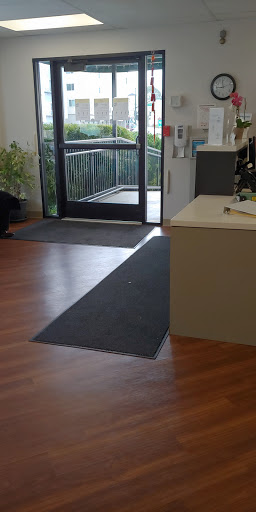
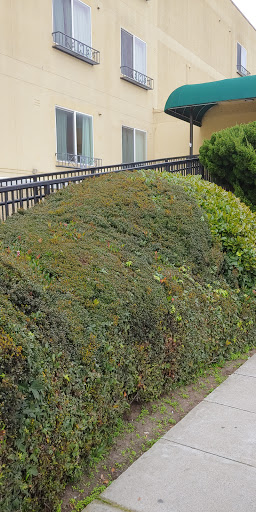
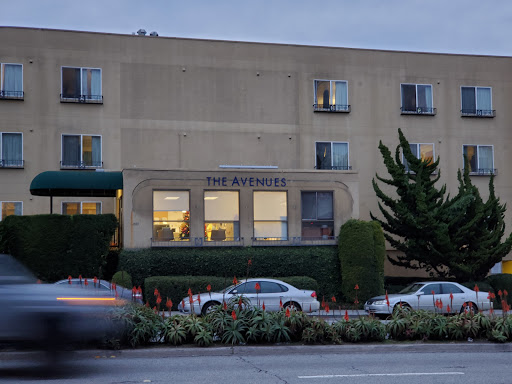
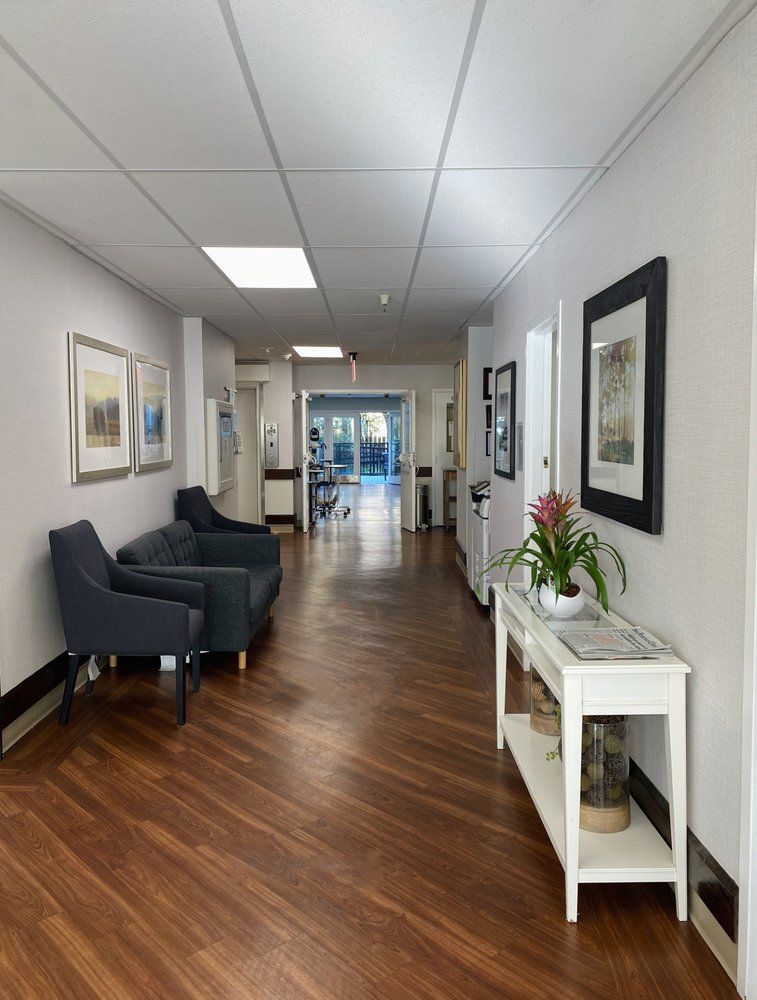
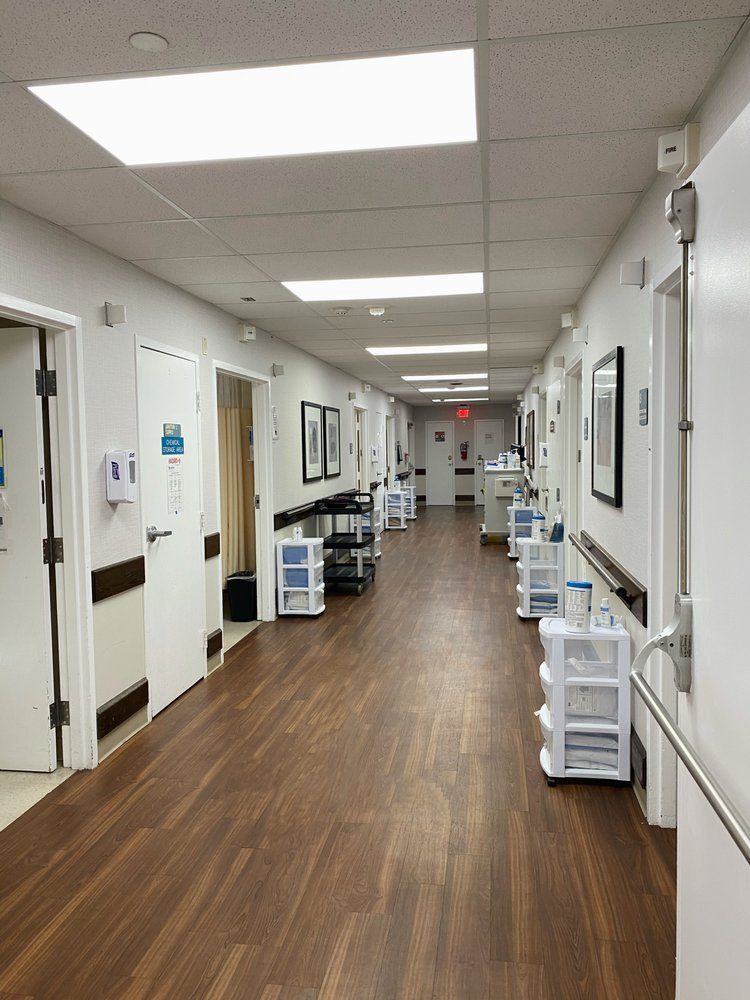
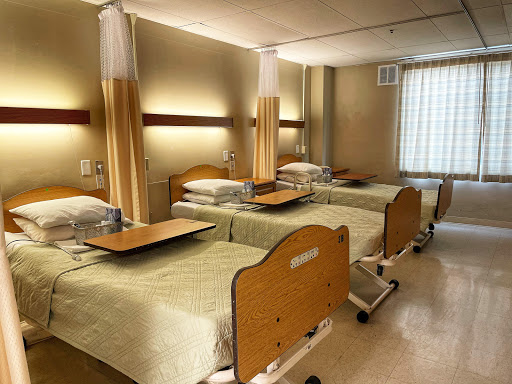
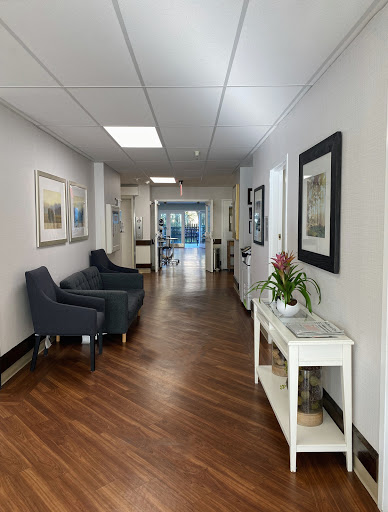
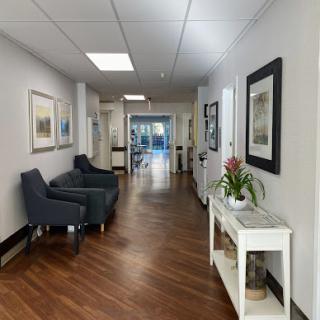
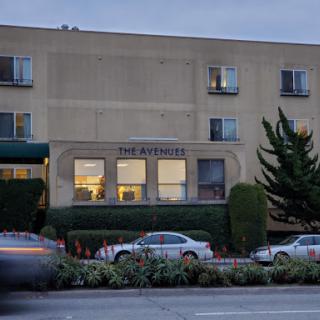
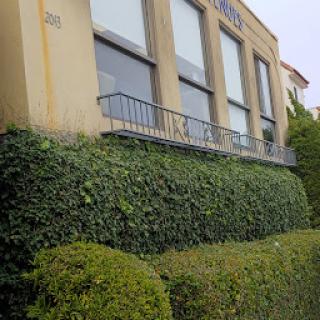
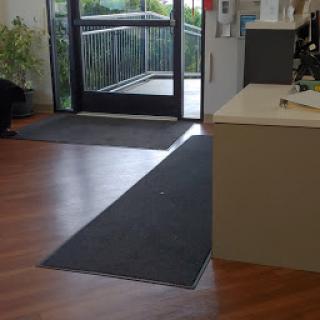
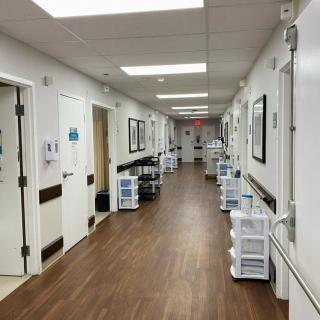
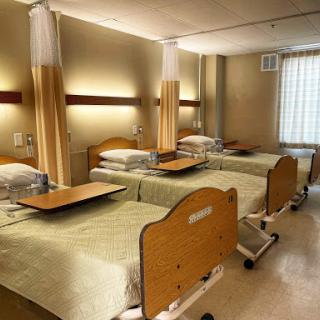
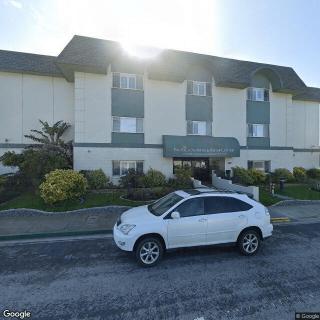
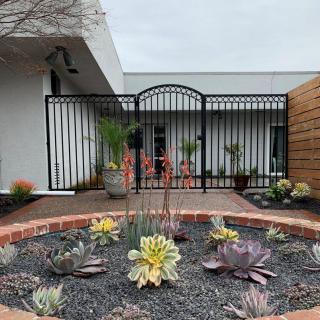
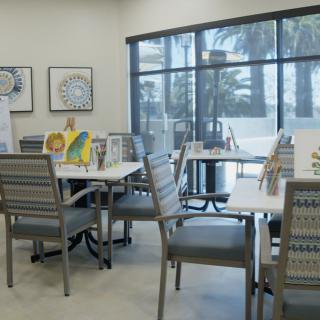
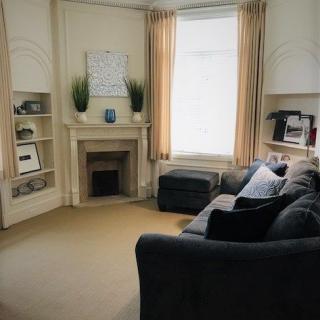
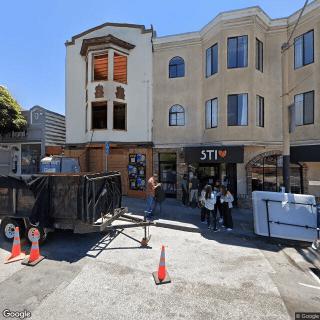
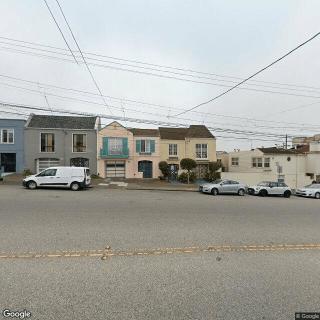
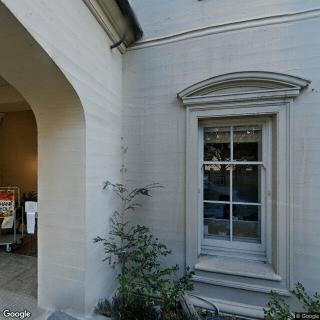
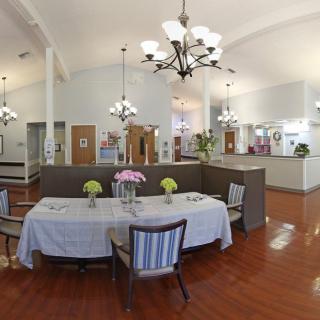
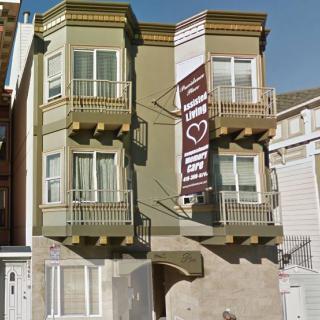
The Avenues Transitional Care Center on seniors.fyi includes 14 photos including images showing interior, vegetables, hallway, landscaping, decor, healthcare, building, architecture, and more.
Nearby Communities
Irish Help At Home
San Francisco, CA
Amenity-rich, supportive community with strong access to healthcare, parks, dining, and cultural activities.
Parkside Retirement Home
San Francisco, CA
5 from 1 review
Small, intimate community offering personalized care and comprehensive daily living support.
The Ivy at Golden Gate
San Francisco, CA
4.3 from 79 reviews
$6,995 to $12,495 / month
Caring, friendly staff in a bright, active community.
Care for Seniors
San Francisco, CA
4.9 from 32 reviews
Exceptional care with easy access to healthcare and nearby amenities (cafes, parks, dining).
Gonzales Care Home
San Francisco, CA
$2,800 to $3,000 / month
Competitive pricing for semi-private ($2,800) and private ($3,000) rooms with specialized incontinence and high-acuity care.
Gonzales Home
San Francisco, CA
Small, intimate community with comprehensive care (memory care, 24-hour supervision, ADL support).
Arden Wood
San Francisco, CA
4.4 from 12 reviews
$5,300 / month
Integrated care options (Independent Living and Memory Care) with medication management and devotional services.
Lawton Skilled Nursing & Rehabilitation Center
San Francisco, CA
4.5 from 62 reviews
Private rooms with restaurant-style dining and wellness programs.
Providence Place
San Francisco, CA
4.4 from 46 reviews
$7,600 to $15,200 / month
Attentive staff with personalized care, excellent meals, and a warm, homelike atmosphere with engaging activities.
California's Form 602A is a vital tool for evaluating the health needs of seniors seeking residential care, detailing their medical conditions and daily living requirements to ensure proper service alignment. This standardized form enhances communication among physicians, families, and facilities, serving as a regulatory measure for admissions and ongoing care while adapting to changing healthcare practices.
The overview of blood pressure management for seniors emphasizes the importance of monitoring and interpreting blood pressure readings, noting that normal ranges can vary due to age-related factors and individual health conditions. It highlights tailored guidelines for systolic and diastolic levels, the necessity of early detection and consistent management to prevent serious health complications, and advocates for personalized care strategies that incorporate lifestyle changes and medication adherence.
Dogs can greatly improve the lives of older adults by offering emotional support and encouraging physical activity, with factors such as size, temperament, and grooming needs being crucial in selecting a suitable breed. Senior dogs often make ideal companions for this demographic, promoting social connections and requiring care routines that align with seniors' capabilities.
Get PricingAsk A QuestionSchedule A TourContact Senior Advisor
By clicking submit, you agree to our Partner's Terms of Use. You
also consent to receive calls and texts, which may be autodialed, from our Partner. Your consent is not a condition to
using our Partner's service. Please visit our Partner's Privacy Policy for information about their privacy practices.





 140 resident community capacity
 Skilled Nursing Facility
 Air-conditioning
 Beauty salon
 Cable or satellite TV
 Computer center
 Continuing learning programs
 Dining room
 Family education and support services
 Fitness room
 Fully furnished
 Gaming room
 Garden
 Housekeeping services
 Kitchenette
 Move-in coordination
 Outdoor patio
 Outdoor space
 Private
 Private bathrooms
 Resident parking
 Restaurant-style dining
 Small library
 Telephone
 Wellness center
 Wi-Fi/high-speed internet available
 San Francisco International (11 miles away)
 Community operated transportation
 12-16 hour nursing
 24-hour call system
 Accept incoming residents on hospice
 Activities of daily living assistance
 Administer insulin injections
 Assistance with bathing
 Assistance with dressing
 Assistance with transfers
 Care with behavioral issues
 Diabetes diet
 Medication management
 Mental wellness program
 Mild cognitive impairment
 Physical therapy
 Same day assessments
 Special dietary restrictions
 Transportation arrangement (medical)
 Concierge services
 Planned day trips
 Cantonese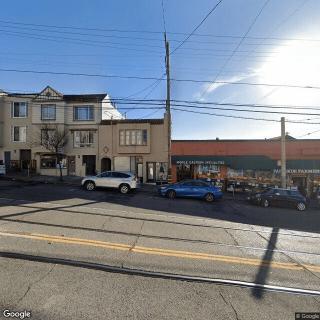
 Amenity-rich, supportive community with strong access to healthcare, parks, dining, and cultural activities.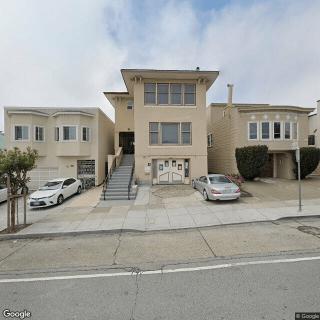

 California's Form 602A: An In-Depth Examination of Senior Care Assessment
 Comprehensive Look at Senior Blood Pressure Charts: Normal and Elevated Levels by Age
 Top Canine Companions for Older Adults