






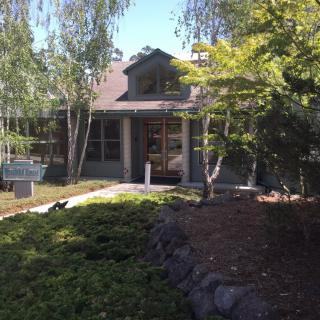
100 Barnet Segal Lane, Monterey, CA 93940
For more information about senior living options: (866) 208-4318
Overall Review of Westland House
Pros
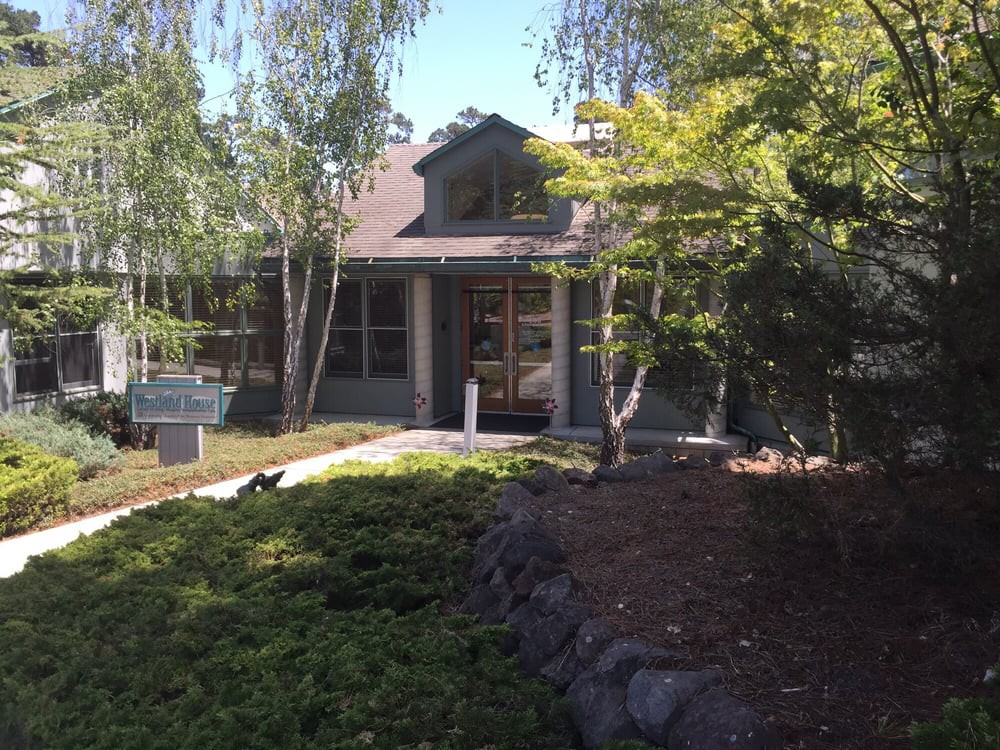
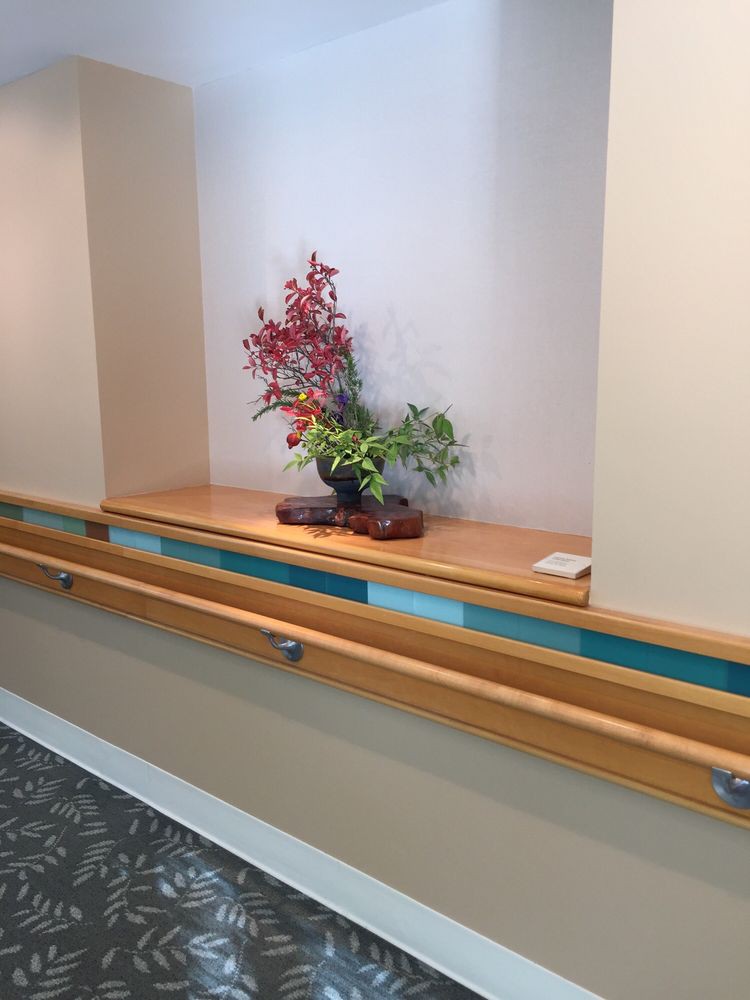
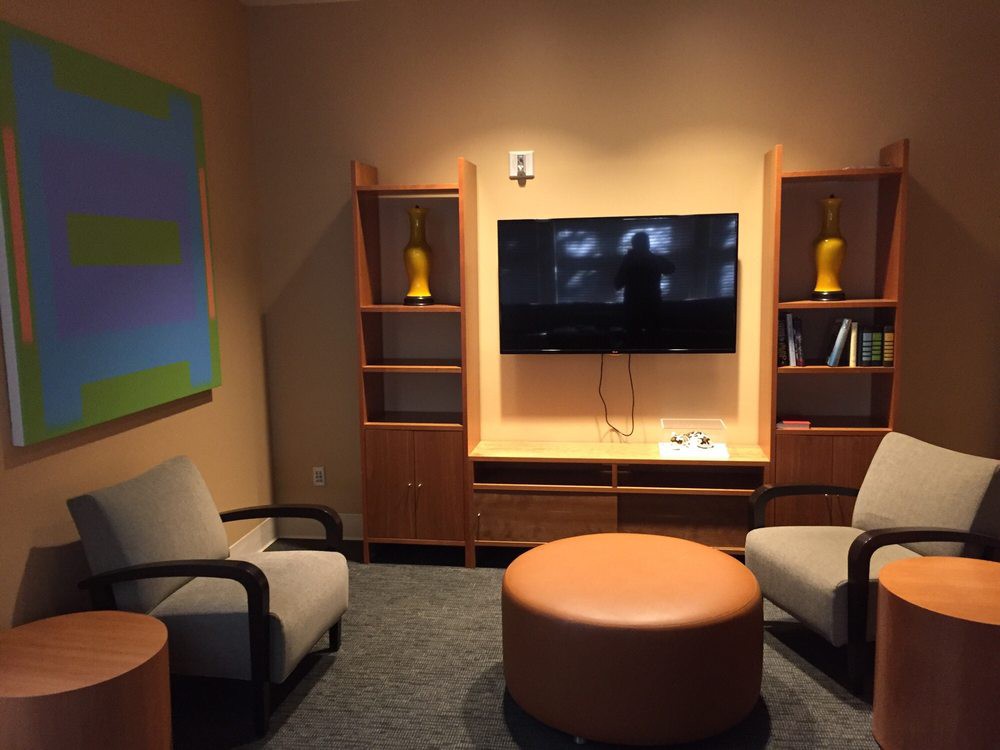
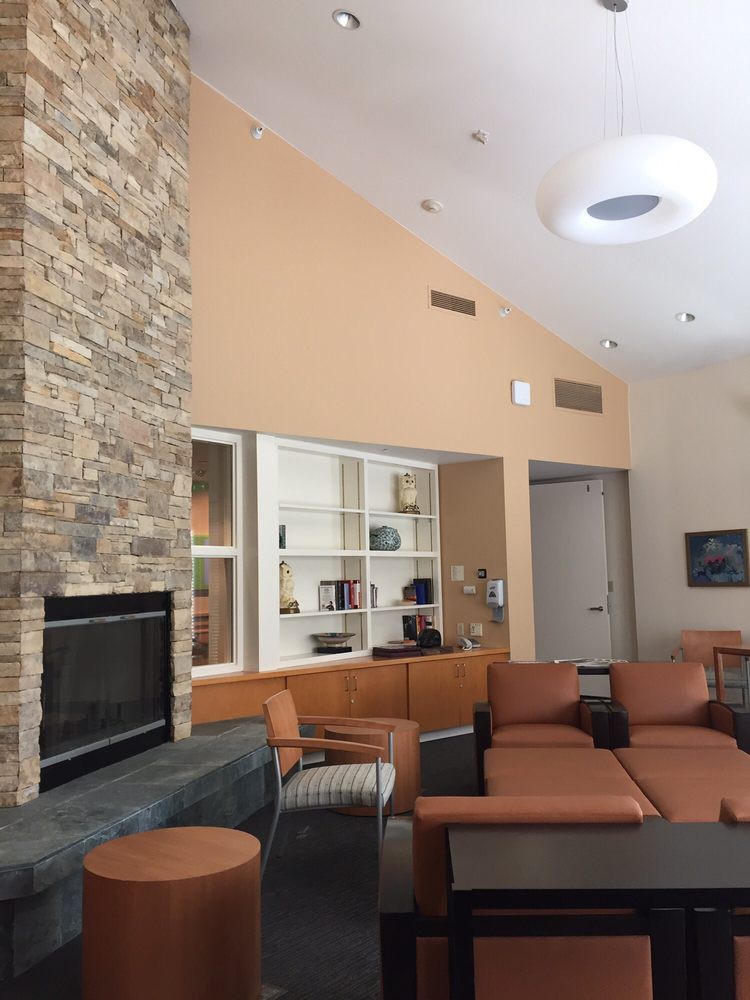
 Westland House is beautiful, and its nurses, assistants, and therapy staff are amazing.
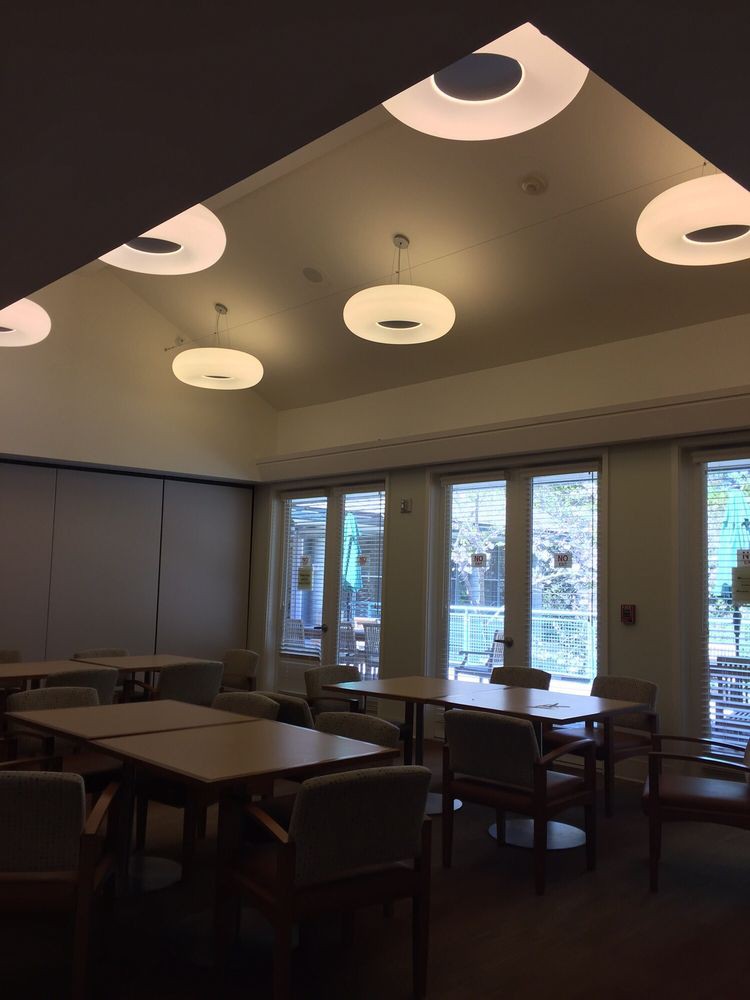
- The meals are wonderful with great variety and accommodations for preferences.
- Westland House takes good care of residents' needs and provides therapy, making it a good place for healing and hospice.
- The staff are outstanding and very professional, delivering attentive, compassionate care.
- The physical and occupational therapists are excellent and empathetic toward patients and their loved ones.
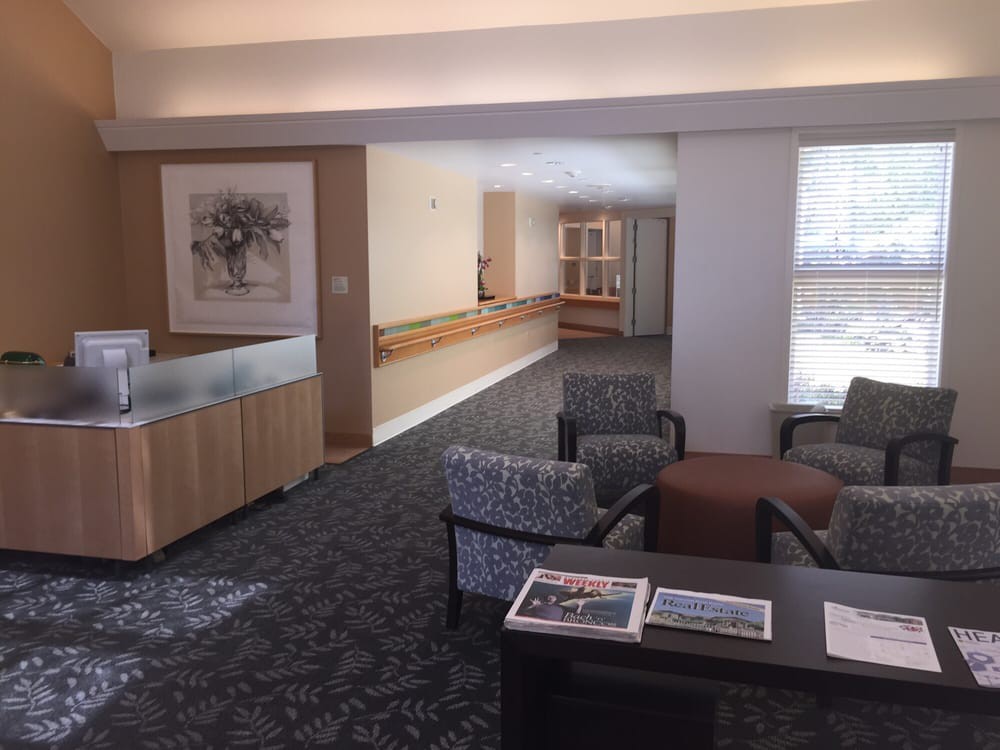
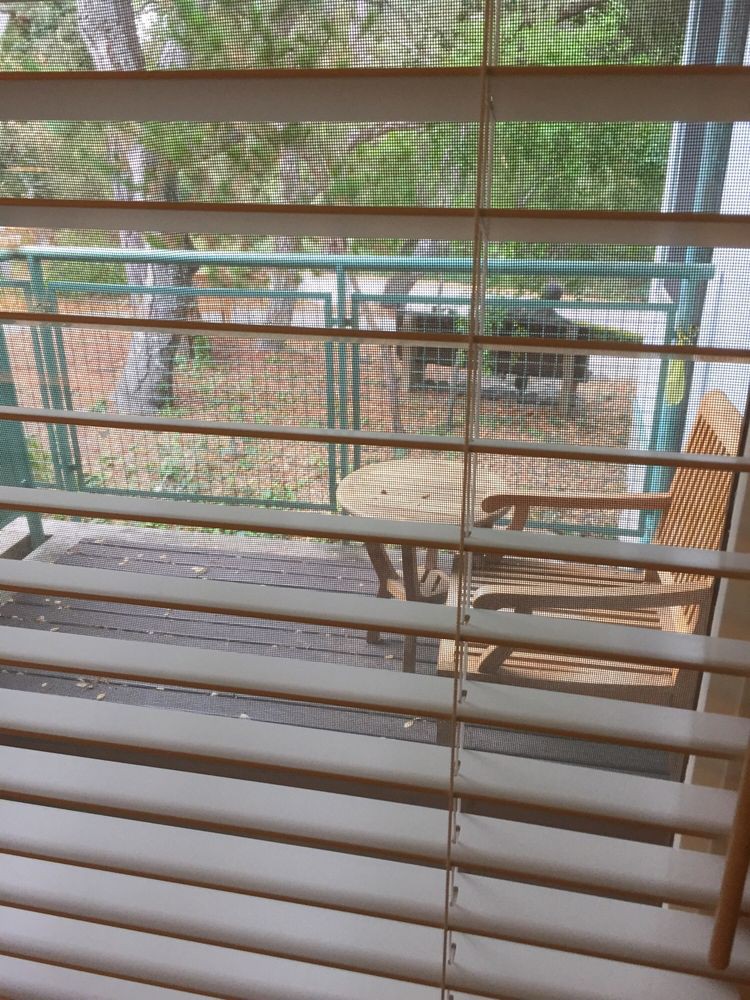
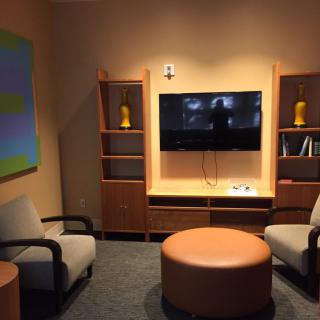
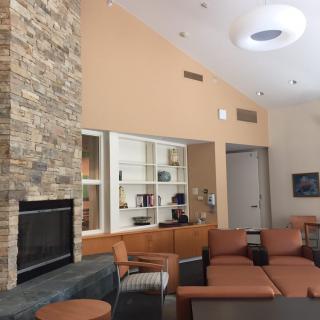
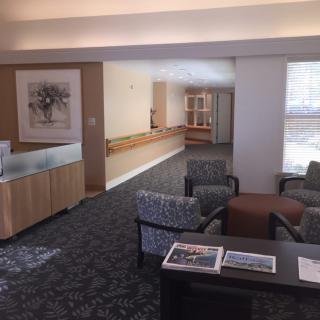
- The facility is spacious and luxurious, with rooms that include large windows, glass doors, and private balconies.
- The overall care is superb, with attentive nursing, top-notch therapists, and surprisingly good food.
Cons
 He wasn't happy with any of the food.
- Ten days, no shower, really.
- A nurse was also not very pleasant.
Review
Westland House in Monterey is best suited for seniors who want a high-end, hospital-caliber rehab and long-term skilled-nursing option anchored by attentive clinicians and a robust therapy program. It works well for post-acute recovery after surgery or a fall, for healing-oriented stays in short-term rehab, and for hospice-friendly care where comfort and dignity matter. Those who value a refined residential environment, large rooms, abundant natural light, private balconies, and chef-driven dining, will find the setting conducive to progress and peace of mind. In short, this is a community designed to advance recovery while preserving comfort, autonomy, and a sense of normalcy during difficult health journeys.
Potential alternatives exist for families who demand unwavering consistency in daily routines and staff demeanor, or who require highly specialized diets that may exceed standard menus. One account cites a caregiver interaction that fell short, and another describes a resident's dissatisfaction with meals and a rapid weight loss during recovery. These anecdotes suggest that experiences can diverge, especially when staffing pressures mount or medical changes occur. For families prioritizing lower cost, a less luxurious setting, or a facility with less emphasis on hospice-like comfort, other Monterey-area options may offer a more straightforward fit. A thoughtful visit will clarify how care and tone operate day to day.
The core strengths are clear in the clinical and culinary domains. The facility’s nurses, aides, physical and occupational therapists, and rehabilitation staff are frequently praised for professionalism, attentiveness, and genuine empathy. Therapy teams are described as top-tier, applying skilled techniques while communicating clearly with families. The dining program stands out for variety and responsiveness to likes and dislikes, with several reviewers noting that meals inspired healthier home cooking and morale. The setting itself, the spacious rooms, glass doors, and private balconies, contributes to a sense of well-being that supports healing. Taken together, these elements create a cohesive environment where recovery, comfort, and security reinforce one another.
Yet experiences are not perfectly uniform. The isolated reports of negative interactions and a few concerns about nutrition or routine indicate that care quality can vary by shift and circumstance. A patient described not receiving a shower for ten days, and another touched on a perceived lack of warmth from a particular nurse; these are meaningful reminders that even excellent teams have off days. Conversely, multiple residents and families repeatedly credit staff for going the extra mile during difficult days and for delivering compassionate, patient-centered care that respects both patients and families. The contrast underscores the importance of direct observation, clear expectations, and proactive communication when choosing a facility.
Importantly, the strong points tend to offset the few drawbacks for families prioritizing rehab success and dignified end-of-life support. The combination of a beautiful, well-run environment, a capable nursing team, and standout therapists translates into tangible progress for many residents, with some reporting rapid improvement and even positive changes in appetite and mood driven by therapeutic activity and good meals. The facility’s hospice-friendly stance and attentive family communication further reduce stress during challenging times. While no community is flawless, Westland House offers enough consistency in core competencies, care planning, symptom management, and daily living support, that the best-fit candidates will experience steadier outcomes than the occasional cautionary anecdotes would suggest.
Decision makers should lean toward Westland House if a premium environment paired with robust rehab, skilled nursing, and active therapy teams aligns with their goals. The evidence supports reliable improvements in function, thoughtful dietary management, and compassionate staff who handle sensitive moments with professionalism. Those who must prioritize cost containment, a ultra-simple routine, or highly particular dietary requirements should compare alternatives and consider a trial stay to gauge fit before committing. Prospective families should request a tour focused on therapy equipment, staffing patterns, and the care-planning process; meet the director and a few therapists; and review a sample plan for both short-term recovery and potential long-term care. This approach will reveal whether the Westland House model matches the family’s expectations and the loved one’s needs.
 28 resident community capacity
 Skilled Nursing Facility
 Beauty salon
 Cable or satellite TV
 Dining room
 Fully furnished
 Garden
 Housekeeping services
 Kitchenette
 Move-in coordination
 Outdoor space
 Restaurant-style dining
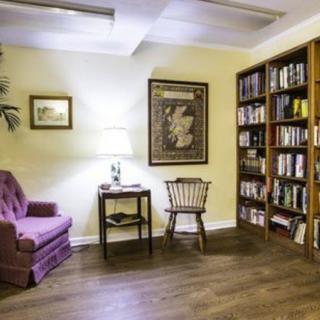
 Small library
 Telephone
 Wi-Fi/high-speed internet available
 Monterey Peninsula (2 miles away)
 24-hour call system
 Activities of daily living assistance
 Assistance with bathing
 Assistance with dressing
 Assistance with transfers
 Diabetes diet
 Medication management
 Mental wellness program
 Special dietary restrictions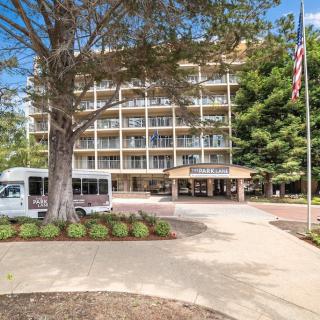




 Weight Training for Seniors: Building Strength and Vitality
 Understanding the Sandwich Generation: Stress and Responsibilities for Multigenerational Caregivers
 8 Essential Assistive Devices for Older Adults