



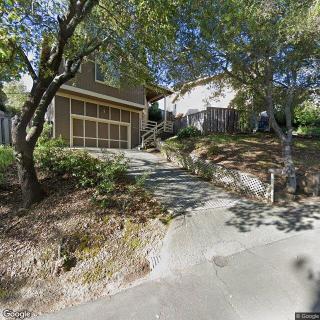
331 Ilene Street, Martinez, CA 94553
For more information about senior living options: (866) 208-4318
Overall Review of Alhambra Convalescent Hospital
Pros
 The staff are professional and caring.
- They provide great quality care and communicate clearly about the care plan.
- The facility offers a welcoming, family-like atmosphere with friendly and attentive staff.
- The nurses and CNAs take care of patients with compassion, as if they were their own.
- The rehabilitation team delivers excellent physical and occupational therapy.
- The new management is on top of things and has improved the overall quality of care.
- The facility is clean, sanitary, and up-to-date with policies.
Cons
 The facility is described as very poor quality with zero concern for patients and their families.
- The lack of responsiveness from staff is unprofessional.
- The food is horrible and rationed.
- There is a staff shortage that compromises patient care.
- The building is old and often has a repulsive smell.
- CNAs are under-trained and lack the necessary skills.
- The facility should be shut down due to the horrible care reported.
Review
This community is best suited for families seeking a post-acute rehabilitation environment and long-term care where a warm, home-like culture and a clearly engaged care team are valued above pristine amenities. It works well for seniors who have recently been hospitalized and need focused physical and occupational therapy with steady communication about care plans, and for relatives who want to feel that staff genuinely hear concerns and respond promptly. The atmosphere in many shifts reads as intimate and family-oriented, with therapists and nurses who emphasize individualized attention and a sense of safety. For those prioritizing clear caregiver relationships, reliable follow-through, and a place that feels “smaller and personal,” this facility often delivers.
Those weighing alternatives should consider options if priority is intense 24/7 clinical oversight, flawless facility condition, or top-tier dining and modern amenities. Several reviews flag ongoing issues such as staff shortages, inconsistent care, and gaps in routine medical monitoring, which can be decisive for families managing complex diabetes, medication administration, or high fall risk. If a family cannot tolerate an older building with parking constraints, odor concerns, or variability in staff responsiveness, it may be prudent to explore other skilled nursing or rehab facilities with newer infrastructure, larger dining options, and stronger nurse-to-resident ratios. For extremely meticulous families, the potential variance in day-to-day care warrants looking elsewhere.
The strongest positives center on the care team’s dedication, communication, and rehab orientation. Across multiple accounts, trained nurses and CNAs are described as compassionate and professional, with therapists delivering meaningful physical and occupational therapy that supports regained independence. The post-acute focus is clear: residents who require structured rehab, frequent progress updates, and responsive problem-solving tend to experience meaningful gains. The ownership transition to Providence is repeatedly cited as a turning point, bringing enhanced staff training, accountability, and a more supportive atmosphere. In a setting that can feel impersonal when crowded, this combination of personalized attention and professional rehab services can meaningfully offset the drawbacks of an older facility.
However, the cons carry weight in decision-making and cannot be dismissed. Several families report lapses in safety and clinical oversight, including missed diabetes monitoring, delayed response to concerns, and missing or mishandled medications, all of which raise legitimate red flags for medical fragility. The facility’s older physical plant manifests as limited parking, accessibility challenges for visitors, and occasional odors, factors that complicate family visits and the overall experience. Food quality and consistency surface as a frequent point of dissatisfaction, with meals sometimes deemed improper in texture or flavor. Material items going missing and a few staff reliability concerns add another layer of caution for families considering long-term placement.
To navigate these realities, approach decisions with a structured set of checks. During tours, prioritize observing care in real time: how quickly staff respond to call bells, how medications are handled, and whether there is a calm, organized workflow on the floor. Probe current staffing ratios, especially during peak hours, and ask for recent examples of care plan updates and medical oversight. Inspect the dining area and patient rooms for cleanliness and food temperature, and confirm the availability of transportation, laundry, and secure storage for personal belongings. Lastly, request candid discussions with therapists about the rehabilitation plan and with administration about ongoing quality initiatives and accountability measures under Providence leadership.
The bottom-line verdict targets families who value a sincere, hands-on care approach and rehabilitation focus over flawless facilities. Alhambra Convalescent Hospital excels when a dedicated team and intimate setting align with a loved one’s goal of meaningful rehab and steady caregiver communication. It is less suited for those who require unwavering clinical precision, a modernized environment, or certainty around every detail of daily life, including nutrition and safety protocols. For families willing to actively participate in care planning, monitor daily outcomes, and advocate for high standards, the positives can outweigh the negatives, delivering a workable path back toward independence and a safer, more comfortable aging experience.
 44 resident community capacity
 Skilled Nursing Facility
 Beauty salon
 Cable or satellite TV
 Dining room
 Fully furnished
 Garden
 Housekeeping services
 Kitchenette
 Move-in coordination
 Outdoor space
 Restaurant-style dining
 Small library
 Telephone
 Wi-Fi/high-speed internet available
 Metropolitan Oakland International (20 miles away)
 24-hour call system
 Activities of daily living assistance
 Assistance with bathing
 Assistance with dressing
 Assistance with transfers
 Diabetes diet
 Medication management
 Mental wellness program
 Special dietary restrictions







 In-Home Care Costs in 2025: A Detailed State-by-State Exploration
 Understanding Home Health Care: A Comprehensive Guide
 Home Health Care Demystified: A Comprehensive Guide for Families and Caregivers