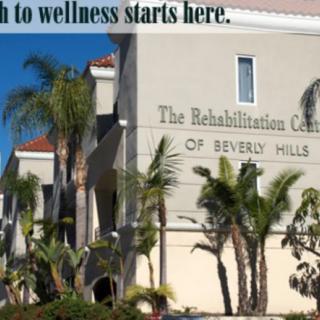
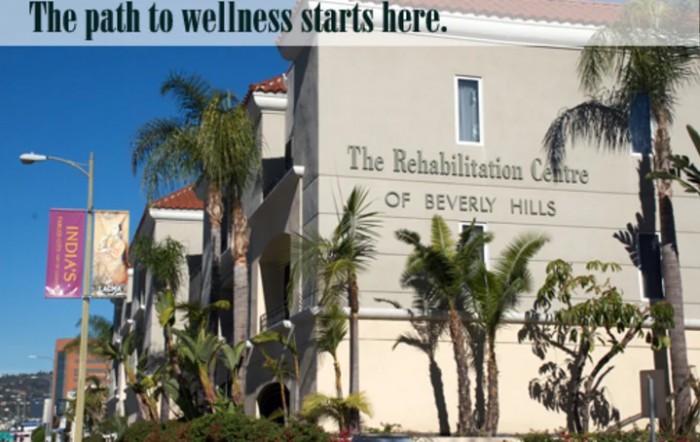
The Rehabilitation Centre of Beverly Hills Costs & Pricing
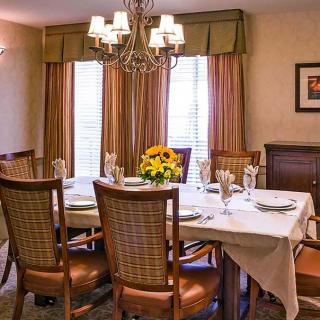
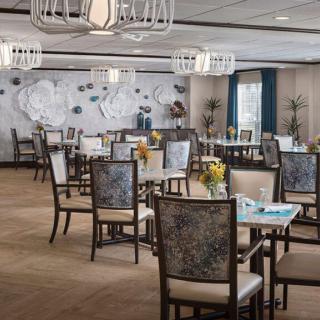
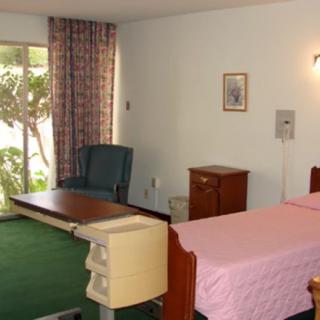
The Rehabilitation Centre of Beverly Hills offers a premium experience in rehabilitation services, reflected in its monthly costs. For a semi-private room, residents can expect to pay $7,500, significantly higher than the average cost of $3,349 in Los Angeles County and $3,333 across California. Those opting for a private room will find the price at $12,000 per month, which also stands out against the county's average of $4,197 and the statewide figure of $3,939. These elevated costs correspond with the facility's commitment to providing high-quality care and luxurious amenities that cater to individuals seeking a more exclusive rehabilitation environment.
Floor plans
The Rehabilitation Centre of Beverly Hills
Los Angeles County
California
Semi-Private
$7,500
$3,349
$3,333
Private
$12,000
$4,197
$3,939
Skilled Nursing Facilities with a similar price nearby
Overall Review of The Rehabilitation Centre of Beverly Hills
caveat7 reviews mention this
Some care concerns are serious
Some residents and visitors report neglect-level care issues and unsafe medication handling.
While many reviews describe attentive rehabilitation and nursing, a smaller group raises urgent concerns. These include missed or late medications, cleanliness and hygiene failures, unanswered call lights, and examples of patients left in poor conditions. Several of the negative reviews also describe communication breakdowns during critical moments, with families saying they had to push hard or be physically present. Overall, the reviews show a wide gap in experiences, with the most critical feedback focused on day-to-day safety and responsiveness.
common31 reviews mention this
Staff compassion shows up repeatedly
Residents and families frequently describe nurses and therapists as kind, caring, and professional.
Across many reviews, people emphasize the attitude and effort of the staff. Nurses, CNAs, social workers, and therapy teams are repeatedly described as helpful, courteous, and focused on patients’ needs. A number of families also credit specific individuals for being responsive and supportive during their loved one’s stay. At the same time, the strongest negative reviews suggest that this compassionate experience is not universal, especially during medication timing and hygiene-related situations.
common10 reviews mention this
Cleanliness is a frequent theme
Many reviewers say the facility is clean and well maintained.
Several reviews highlight spotless rooms and a generally clean environment, sometimes mentioning reduced odors. Visitors and families describe the building as tidy, comfortable, and reassuring during visits. However, a subset of negative reviews contradicts this and calls out unsanitary conditions, dust, pests, and dirty rooms. Taken together, the cleanliness feedback appears consistent for many reviewers, but it is disputed in the most critical accounts.
caveat3 reviews mention this
Parking can be frustrating
Parking is repeatedly described as difficult, especially with valet availability.
Multiple reviewers mention problems with parking logistics. One review specifically describes valet ending early and nearby parking being permit-only, while another says the valet is often not available when needed. A separate visitor notes that parking is a challenge, reinforcing that getting in and out may take extra effort during busy times.
caveat4 reviews mention this
Communication gaps come up
Several reviews describe slow or unanswered communication when calling for help.
A recurring complaint is difficulty reaching staff by phone or getting timely responses to call lights. Some reviewers say phone calls are not answered, and others describe long waits for CNAs to respond. There are also reviews describing medication- and care-related delays that families had to escalate directly. Even when staff are praised for being kind, these communication issues can limit confidence for certain families during their stay.
common12 reviews mention this
Food is often praised
Dining is frequently mentioned as a positive part of the experience.
Food comes up often in the reviews, with many families describing meals as good, enjoyable, or a standout comfort during recovery. Some mention the ability to accommodate preferences and dietary needs, including vegan requests. There are also a few mentions where food quality or how thoroughly it’s cooked becomes a concern, and one reviewer describes an odor near certain areas. Overall, most comments about dining are positive, but the dissenting reviews focus on quality and consistency.
How we summarize
Counts show how many written reviews mention each theme; a review can touch several themes, and only frequently mentioned themes are displayed.
Features
Types of Care
Skilled Nursing Facility
Amenities
Private
Transportation
Los Angeles International (9 miles away)
Burbank-Glendale-Pasadena (9 miles away)
Long Beach (Daugherty) (21 miles away)
Care Services
High acuity care
Nearby Places of Interest
This part of Los Angeles, California, offers a diverse range of amenities that cater to senior living. With numerous cafes such as Joan's on Third and Verve Coffee Roasters nearby, seniors can enjoy a variety of dining options and social settings. Additionally, there are reputable restaurants like Monsieur Marcel Gourmet Market and Cecconi's West Hollywood for special occasions. The area also boasts several pharmacies including CVS and Walgreens for convenient access to medications. For leisure activities, there are parks like Pan Pacific Park and Beverly Gardens Park, providing opportunities for outdoor recreation and relaxation. In terms of healthcare, Kaiser Permanente West Los Angeles Medical Center is located within reasonable proximity, ensuring quality medical services. Overall, this part of Los Angeles offers a vibrant community with a mix of cultural attractions and essential amenities suitable for senior living.
Cafes
Joan's on Third (0.4 miles)
Verve Coffee Roasters (0.6 miles)
Alfred Coffee & Kitchen (1.2 miles)
Verve Coffee Roasters (1.3 miles)
Blue Bottle Coffee (1.5 miles)
Alfred Coffee Beverly Hills (1.8 miles)
The Butcher, The Baker, The Cappuccino Maker (1.8 miles)
Restaurants
Berri's Pizza Cafe (0.4 miles)
Monsieur Marcel Gourmet Market (0.8 miles)
The Ivy (0.9 miles)
Urth Caffé- Melrose (1.1 miles)
Cecconi's West Hollywood (1.2 miles)
Catch LA (1.2 miles)
The Abbey Food & Bar (1.4 miles)
Pharmacies
CVS Pharmacy (0.7 miles)
CVS Pharmacy (0.7 miles)
CVS Pharmacy (0.9 miles)
CVS Pharmacy (1 miles)
Walgreens (1 miles)
Walgreens (1.4 miles)
Rite Aid (1.6 miles)
Theaters
AMC The Grove 14 (0.9 miles)
AMC Century City 15 (2.7 miles)
TCL Chinese Theatre (3.1 miles)
Parks
Pan Pacific Park (1.2 miles)
Beverly Gardens Park (1.8 miles)
Roxbury Memorial Park (2 miles)
Plummer Park (2.2 miles)
Runyon Canyon Park (3 miles)
Hollywood Bowl Overlook (3.9 miles)
Nancy Hoover Pohl Overlook (3.9 miles)
Hospitals
Kaiser Permanente West Los Angeles Medical Center (1.9 miles)
The Rehabilitation Centre of Beverly Hills offers a premium experience in rehabilitation services, reflected in its monthly costs. For a semi-private room, residents can expect to pay $7,500, significantly higher than the average cost of $3,349 in Los Angeles County and $3,333 across California. Those opting for a private room will find the price at $12,000 per month, which also stands out against the county's average of $4,197 and the statewide figure of $3,939. These elevated costs correspond with the facility's commitment to providing high-quality care and luxurious amenities that cater to individuals seeking a more exclusive rehabilitation environment.
Caregiver exhaustion, or burnout, stems from the relentless demands of caregiving, leading to emotional and physical depletion characterized by stress, frustration, and neglect of personal needs. Addressing this burden is essential to prevent long-term consequences, with early recognition and support being crucial for caregivers to maintain balance and implement self-care.
Hospice care at home provides specialized end-of-life support that focuses on comfort and dignity for individuals with life-limiting illnesses, offering a range of services including medical management, emotional and spiritual support, and logistical assistance tailored to the family's needs. It involves collaboration to create individualized care plans and extends to bereavement support after a loved one's passing.
The guide outlines the rising costs of 24/7 in-home care, ranging from $10,000 to over $20,000 monthly, driven by factors such as location and caregiver qualifications. It discusses the limited coverage by Medicare and private insurance, potential Medicaid support, and the emotional and living condition considerations influencing families' decisions on care arrangements.
Get PricingAsk A QuestionSchedule A TourContact Senior Advisor
By clicking submit, you agree to our Partner's Terms of Use. You
also consent to receive calls and texts, which may be autodialed, from our Partner. Your consent is not a condition to
using our Partner's service. Please visit our Partner's Privacy Policy for information about their privacy practices.

 Skilled Nursing Facility
 Private
 Los Angeles International (9 miles away)
 High acuity care
 Specialized diabetic and incontinence care with private room option and nearby amenities.

 Caregiver Exhaustion: Recognizing the Signs and Restoring Your Well-Being
 Understanding Hospice Care at Home: Comprehensive Services, Key Benefits, and Eligibility
 Understanding the Full Cost of 24/7 In-Home Care: A Detailed Overview