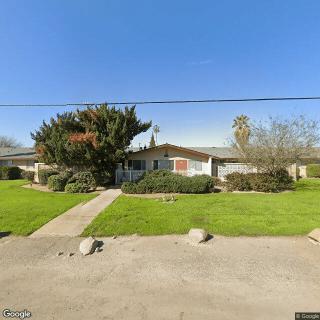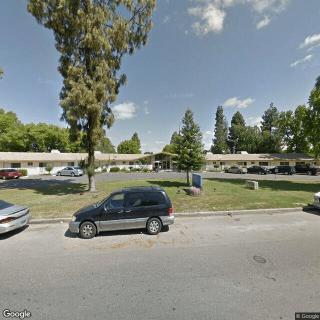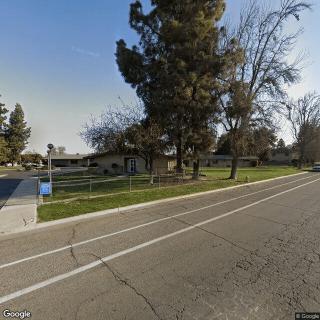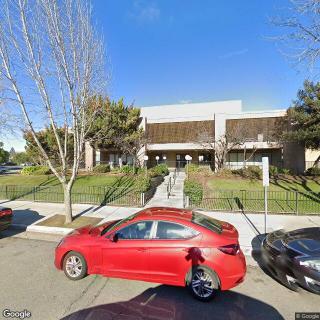
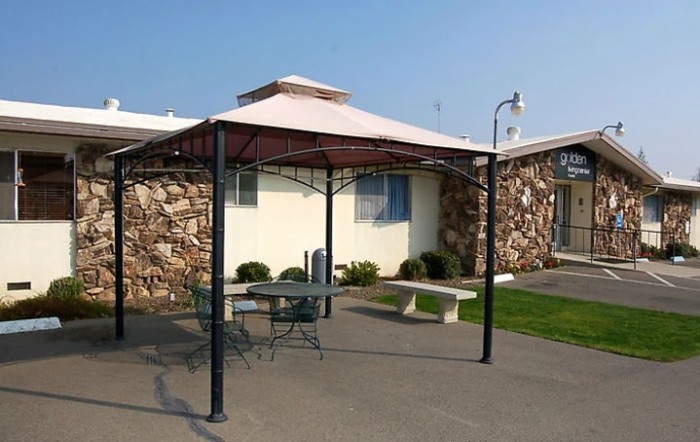
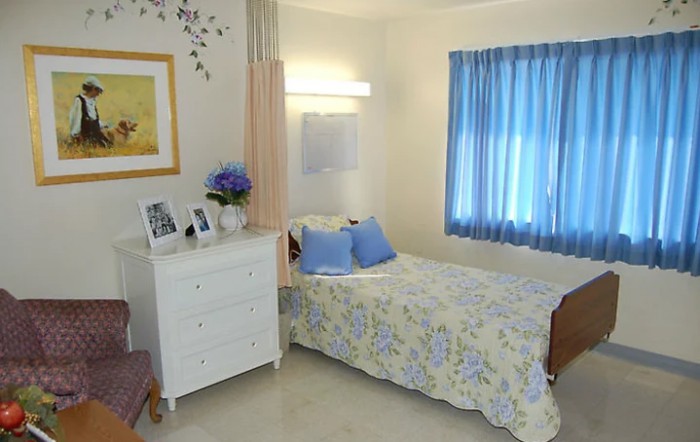
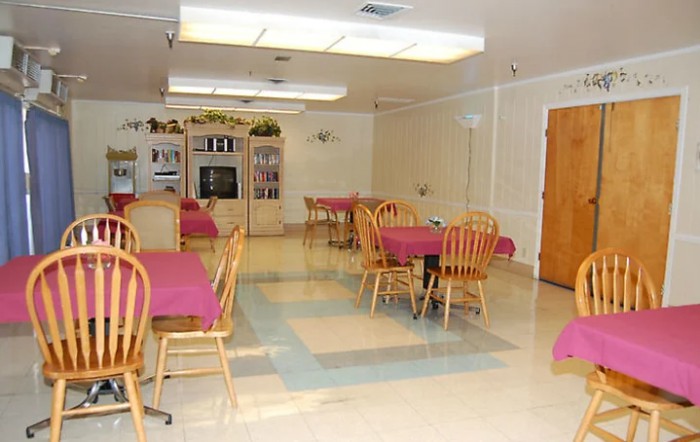

Dycora Transitional Health Fowler

Save

Dycora Transitional Health Fowler

1306 East Sumner Avenue, Fowler, CA 93625

For more information about senior living options: (844) 490-3973

3.8 from 4 reviews
5 stars
1
4 stars
2
3 stars
0
2 stars
1
1 stars
0

Skilled Nursing Facility

Dycora Transitional Health Fowler Costs & Pricing

Dycora Transitional Health Fowler presents a competitive pricing structure for its services, particularly when compared to both Fresno County and statewide averages in California. For semi-private accommodations, Dycora charges $5,738 per month, which significantly exceeds the county average of $2,991 and the state average of $3,333. Similarly, for private rooms, the monthly fee at Dycora is $5,829 - again higher than the Fresno County rate of $3,589 and the state average of $3,939. While these costs may appear elevated compared to local and state norms, they could be reflective of the quality of care and specialized services provided at Dycora Transitional Health Fowler.

Floor plansDycora Transitional Health FowlerFresno CountyCalifornia
Semi-Private$5,738$2,991$3,333
Private$5,829$3,589$3,939

Overall Review of Dycora Transitional Health Fowler

Pros

  • pro The staff were kind and loving to the residents.
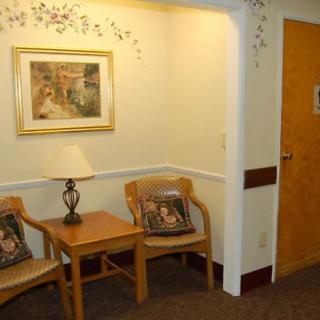
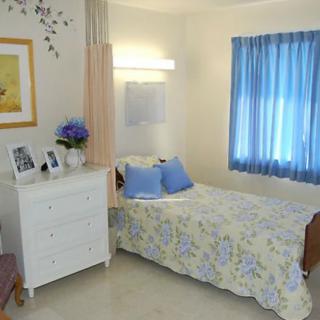
  • pro The rooms were spacious, clean, and neat.
  • pro The staff were top of the line.
  • pro The facility offers trips, bingo, and exercise.
  • pro The staff were able to take care of residents' feeding tube needs.
  • pro The facility provides daily activities and snacks between meals.

Cons

  • pro One reviewer notes indoor visits were unavailable for over a year due to the COVID-19 pandemic.
  • pro There was a slight odor detected in the facility.
  • pro The rooms were small and in need of TLC.
  • pro Rooms housed 2 to 8 residents per room, indicating crowded conditions.
  • pro Staff did not promptly respond to requests for help turning wheelchairs, leaving some patients waiting.
  • pro The reviewer questioned how people could afford the high charges for care.

Review

Dycora Transitional Health Fowler is best suited for seniors who require skilled nursing or short-term rehabilitation and who prioritize hands?on, compassionate care from a stable, attentive staff over pristine privacy or boutique amenities. In the experiences shared, the care teams are credited with kindness, patience, and a respectful approach, even when residents present complex or difficult behaviors. The facility can be a strong match for families that want clinical stability, clear medical management, and staff who treat residents with dignity as they navigate recovery or long?term needs.

Families weighing this community should also consider alternatives if privacy and cost are primary drivers. Some reviewers note small rooms and multi?occupancy layouts (2 to 8 residents per room) that limit seclusion and personal space, alongside occasional odor and TLC challenges tied to an aging facility. Extra amenities such as beauty services or premium snacks exist but come with added costs, which raises questions about accessibility for budget?conscious families. For those seeking private rooms, a calmer environment, or a facility that feels more modern or streamlined, broader options in the Fowler area deserve comparison.

On the upside, the most compelling pros center on the staff and the clinical track record. One reviewer, an experienced RN, highlights staff patience and respect toward a challenging resident, emphasizing the ability to manage a diverse caseload without compromising dignity. Across multiple accounts, residents recover or stabilize under attentive nursing care, with caregivers who are described as friendly and approachable. Food quality and the option to receive meals in patient rooms or common areas add to everyday comfort, and the presence of rehab capabilities is repeatedly cited as a real asset for short?term stays or post?acute recovery. The combination of compassionate engagement and practical, outcome?focused care makes the facility a dependable choice for those whose primary need is skilled nursing support.

Yet the cons are nontrivial and merit serious alignment with care goals. Responsiveness can vary, with at least one account noting slow assistance for turning wheelchairs and similar basic aids, suggesting inconsistent staffing coverage at times. The room configurations - often crowded and dated - reduce privacy and can feel clinically busy rather than homelike. Reports of a lingering odor and an emphasis on Medicare/medical patients from a lower?income segment point to broader resource constraints that can shape day?to?day experiences. These factors don't negate quality clinical care, but they temper expectations for anyone seeking a consistently quiet, private, and universally responsive environment.

The key to weighing Dycora Fowler lies in balancing the notable strengths against the operational realities. For residents who require careful medical oversight, rehabilitation momentum, and a caring demeanor from the team, the positives can substantially offset the drawbacks of shared rooms and occasional responsiveness gaps. The facility appears capable of delivering meaningful recovery milestones and sustaining dignity through routine care, which matters greatly for families pursuing short?term rehab or long?term skilled nursing with a focus on humane treatment. The question is whether the value rests primarily in clinical outcomes and staff engagement, or in privacy, uniformity of experience, and campus amenities.

In making a decision, prospective families should prioritize a concrete assessment of staffing patterns and response times, especially during peak hours, and should closely inspect room configurations during a visit. Ask specifically about average nurse and aide ratios, how activity programming actually plays out in a mixed?room setting, and what supports exist for residents with feeding tubes or complex medical needs. Compare pricing thoughtfully against local alternatives that offer private rooms or different levels of assistance. If the goal is reliable skilled care delivered with warmth and respect, Dycora Transitional Health Fowler warrants strong consideration; if privacy, quiet, and cost predictability are non?negotiables, alternatives in the same region merit equal or greater attention.

Features

Housing

  • 49 resident community capacity 49 resident community capacity

Types of Care

  • Skilled Nursing Facility Skilled Nursing FacilitySkilled Nursing Facilities are crucial for seniors as they provide round-the-clock medical care, rehabilitation services, and assistance with daily activities. These facilities ensure that seniors receive the specialized care they need to maintain their health and well-being as they age.

Amenities

  • Beauty salon Beauty salonBeauty salons are important for seniors because they provide a space for them to feel pampered, socialize, and maintain their personal grooming and hygiene. Regular visits to a beauty salon can help boost seniors' self-esteem and overall well-being.
  • Cable or satellite TV Cable or satellite TVCable or satellite TV is important for seniors because it provides entertainment, news, and companionship, helping to combat loneliness and boredom. It also offers a wide range of programming options tailored to different interests and preferences.
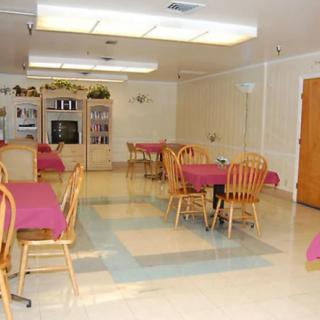
  • Dining room Dining roomDining rooms are important for seniors as they provide a space for socialization, connection, and nutritious meals. They offer opportunities for residents to bond over shared meals, foster a sense of community, and promote healthy eating habits. Dining rooms also ensure that seniors have access to well-balanced meals tailored to their dietary needs and preferences.
  • Fully furnished Fully furnishedFully furnished senior living communities are important for seniors because they provide convenience, comfort, and a hassle-free moving experience. Seniors can easily settle into their new living space without the stress of having to buy and move furniture. This allows them to focus on enjoying their new home and community.
  • Garden GardenGardens are important for seniors as they provide a peaceful and therapeutic environment for relaxation, physical activity, and socialization. Being in nature has been shown to reduce stress, improve mood, and promote overall well-being. Gardens also offer opportunities for seniors to engage in gardening activities, which can improve mobility, flexibility, and cognitive function. Additionally, gardens create a sense of community and connection with others who share a passion for plants and outdoor spaces.
  • Housekeeping services Housekeeping servicesHousekeeping services are important for seniors because they help maintain a clean and safe living environment, promote independence, and reduce the risk of accidents or illnesses. Additionally, having assistance with household chores can alleviate physical strain and allow seniors to focus on other aspects of their well-being.
  • Kitchenette KitchenetteKitchenettes are important for seniors living in senior living communities because they provide the convenience and independence of being able to prepare simple meals and snacks in the comfort of their own living space. This can help promote a sense of autonomy and well-being for seniors, allowing them to maintain some level of control over their dietary choices and daily routines.
  • Move-in coordination Move-in coordinationMove-in coordination is important for seniors because it helps ease the transition into their new living environment. It ensures that all logistics, such as packing, organizing movers, and setting up utilities are taken care of, allowing seniors to focus on settling in and adjusting to their new home. Having a smooth move-in process can alleviate stress and anxiety, making the transition smoother and more enjoyable for seniors.
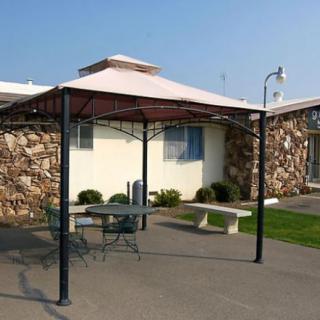
  • Outdoor space Outdoor spaceOutdoor spaces are important for seniors as they provide opportunities for physical activity, social interaction, exposure to natural light and fresh air, and a sense of connection to nature. Having access to outdoor spaces can improve overall well-being and quality of life for older adults living in senior communities.
  • Private PrivatePrivacy is important for seniors as it allows them to maintain their independence, dignity, and sense of control over their own lives. It also gives them the space and freedom to relax, reflect, and engage in activities that bring them joy and fulfillment. Creating private spaces within senior living facilities is crucial for promoting overall well-being and quality of life.
  • Restaurant-style dining Restaurant-style diningRestaurant-style dining is important for seniors because it allows them to enjoy delicious, nutritious meals in a social and upscale setting. This enhances their dining experience, promotes healthy eating habits, and fosters socialization with fellow residents, ultimately contributing to their overall well-being and quality of life.
  • Small library Small librarySmall libraries are important for seniors as they provide access to a variety of reading materials, including books, newspapers, and magazines. This can help stimulate their minds, keep them engaged, and provide a sense of community through book clubs and other social activities. Additionally, reading has been shown to improve cognitive function and overall mental well-being in older adults.
  • Telephone TelephoneTelephones are important for seniors as they provide a lifeline for communication with loved ones, emergency services, and healthcare providers. They offer a sense of security and independence, enabling seniors to stay connected and access assistance when needed.
  • Wi-Fi/high-speed internet available Wi-Fi/high-speed internet availableWi-Fi/high-speed internet is important for seniors to stay connected with loved ones, access online resources, and participate in virtual activities to combat feelings of loneliness and isolation. It also allows them to easily manage healthcare needs, access entertainment, and engage in lifelong learning opportunities.

Transportation

  • Fresno Yosemite International (11 miles away) Fresno Yosemite International (11 miles away)

Care Services

  • 24-hour call system 24-hour call system24-hour call systems are important for seniors because they provide peace of mind and immediate assistance in case of emergencies. This technology ensures that help is always available, promoting safety and security for elderly individuals living alone or in assisted living facilities.
  • 24-hour supervision 24-hour supervision24-hour supervision is important for seniors to ensure their safety, well-being, and access to immediate assistance in case of emergencies or health issues. This constant support provides peace of mind for both seniors and their loved ones, allowing them to age in place with dignity and security.
  • Activities of daily living assistance Activities of daily living assistanceActivities of daily living assistance are important for seniors because they provide essential support with tasks such as eating, bathing, dressing, and mobility. This assistance helps seniors maintain their independence, dignity, and overall quality of life as they age.
  • Assistance with bathing Assistance with bathingAssistance with bathing is crucial for seniors as it helps maintain personal hygiene, prevents infections, and ensures their overall well-being and comfort. It also provides a sense of dignity and independence for seniors who may struggle with this task on their own.
  • Assistance with dressing Assistance with dressingAssistance with dressing is important for seniors because it helps maintain their independence, promotes personal hygiene, prevents accidents and injuries, and improves overall quality of life. This service ensures that seniors can continue to dress comfortably and confidently, despite any physical limitations they may have.
  • Assistance with transfers Assistance with transfersAssistance with transfers is crucial for seniors as it helps prevent falls and injuries, maintains their independence, and ensures they can safely navigate their living environment. It also provides peace of mind for both seniors and their loved ones.
  • Diabetes diet Diabetes dietA diabetes diet is crucial for seniors as it helps manage blood sugar levels, reduce risks of complications, and improve overall health and well-being. By following a balanced and nutritious diet tailored to their specific needs, seniors can better control their diabetes and enhance their quality of life.
  • Meal preparation and service Meal preparation and serviceMeal preparation and service are crucial for seniors as they may have limited mobility or energy to cook nutritious meals. Having access to healthy and convenient food options can ensure they are getting the proper nutrition needed to maintain their overall health and well-being.
  • Medication management Medication managementMedication management is crucial for seniors to ensure they are taking the right medications at the correct dosages and times. This helps prevent adverse drug interactions, reduces the risk of medication errors, and promotes overall health and well-being. Proactive management also allows for adjustments as needed based on changing health conditions or new prescriptions.
  • Mental wellness program Mental wellness programMental wellness programs are essential for seniors as they promote cognitive stimulation, emotional support, and social engagement. These programs help prevent isolation, depression, and cognitive decline, ultimately enhancing the overall quality of life for older adults.
  • Special dietary restrictions Special dietary restrictionsSpecial dietary restrictions are important for seniors because age-related changes in metabolism and health conditions can make it difficult for their bodies to process certain foods. By following a diet tailored to their specific needs, seniors can maintain their overall health and well-being, manage chronic conditions, and reduce the risk of complications such as malnutrition or food interactions with medications.
Dining

  • Diabetes diet Diabetes dietA diabetes diet is crucial for seniors as it helps manage blood sugar levels, reduce risks of complications, and improve overall health and well-being. By following a balanced and nutritious diet tailored to their specific needs, seniors can better control their diabetes and enhance their quality of life.
  • Special dietary restrictions Special dietary restrictionsSpecial dietary restrictions are important for seniors because age-related changes in metabolism and health conditions can make it difficult for their bodies to process certain foods. By following a diet tailored to their specific needs, seniors can maintain their overall health and well-being, manage chronic conditions, and reduce the risk of complications such as malnutrition or food interactions with medications.

Activities

  • Community-sponsored activities Community-sponsored activitiesCommunity-sponsored activities are important for seniors as they provide opportunities for social interaction, mental stimulation, and physical activity. These activities can help improve overall well-being, combat loneliness and isolation, and promote a sense of belonging and purpose among older adults.
  • Resident-run activities Resident-run activitiesResident-run activities are important for seniors as they encourage social interaction, creativity, and a sense of autonomy. These activities empower seniors to stay engaged and active in their community while fostering meaningful connections with their peers.
  • Scheduled daily activities Scheduled daily activitiesScheduled daily activities are important for seniors because they provide structure, socialization, mental stimulation, and physical activity. Engaging in regular activities can improve overall well-being and quality of life for seniors living in a community setting.

Description

The Dycora Transitional Health Fowler in Fowler, CA is an assisted living community that provides a range of amenities and care services to meet the needs of its residents. The community offers a comfortable and fully furnished environment, with cable or satellite TV and Wi-Fi/high-speed internet available for entertainment and communication purposes.

Residents can enjoy nutritious meals in the dining room with options for special dietary restrictions. The community also has a restaurant-style dining experience available. For those who prefer to cook their own meals, there is a kitchenette provided.

Dycora Transitional Health Fowler offers various care services to ensure the well-being of its residents. There is 24-hour supervision and assistance with activities of daily living such as bathing, dressing, and transfers. The staff also provide medication management and follow diabetes diets when necessary.

To support mental wellness, the community has a mental wellness program in place. Resident-run activities and scheduled daily activities are also organized to keep residents engaged and socially active.

Outside of the living facility, there are nearby parks where residents can enjoy outdoor activities. Additionally, there are restaurants, places of worship, hospitals, and transportation options conveniently located close by.

Overall, Dycora Transitional Health Fowler provides its residents with a comfortable living environment, quality care services, delicious dining options, engaging activities, and convenient access to nearby amenities and services.

Nearby Places of Interest

Located in Fowler, California, this area offers a variety of amenities that may appeal to seniors considering the area for living. With several parks nearby such as W. H. Shafer Park and Melody Park, there are plenty of opportunities for outdoor recreation and leisurely walks. For medical needs, there are several hospitals and physicians within a short driving distance, including Kaiser Permanente Selma Medical Offices and VA Central California Health Care System. Places of worship such as Valley Life Community Church and St Paul's United Methodist Church offer spiritual support for those seeking it. Additionally, there are numerous restaurants, pharmacies, and cafes in the vicinity, providing convenience in daily errands and dining options. Overall, this part of Fowler provides a range of services and facilities that can cater to the needs of seniors looking for a comfortable living environment.

Parks

  • W. H. Shafer Park (4.5 miles)
  • Shafer Park (4.5 miles)
  • Green Park (6 miles)
  • Melody Park (10.6 miles)
  • Pioneer Park (12.4 miles)

Transportation

  • Enterprise (4.5 miles)
  • Fresno Yosemite International Airport, Cell Phone Waiting Area (10.1 miles)
  • Baggage Claim (10.2 miles)
  • Fresno Yosemite International Airport (FAT) (10.2 miles)

Hospitals

  • Kaiser Permanente Selma Medical Offices (4.5 miles)
  • Fresno Comm Hosp-Cardiology (10 miles)
  • Neuroscience Institute at Community Regional Medical Center (10.1 miles)
  • VA Central California Health Care System (11.7 miles)
  • Va Hospital (11.7 miles)
  • Reedley Hospital (12.3 miles)
  • Adventist Health Reedley (12.3 miles)

Places of Worship

  • Valley Life Community Church (4.7 miles)
  • Pella Lutheran Church (5.6 miles)
  • Church of the Redeemer (8.3 miles)
  • Butler Pentecostal Church Of God (8.6 miles)
  • New Life Church Of God (10.2 miles)
  • St Paul's United Methodist Church (11.8 miles)
  • Free Grace Church (11.8 miles)

Restaurants

  • Jack In The Box (4.9 miles)
  • Sports Club (5.2 miles)
  • Cho's Kitchen (5.3 miles)
  • Chalios Selma (5.6 miles)
  • Sal's Mexican Restaurant (5.7 miles)
  • Beto's Restaurant (6.6 miles)
  • Taqueria Zihuatanejo (6.7 miles)

Physicians

  • Mclean Starlette (5.2 miles)
  • Industrial Health Care (5.4 miles)
  • United Health Centers of the San Joaquin Valley, Parlier Family Health Center (8.5 miles)
  • Robert Julian (8.9 miles)
  • Pet Rescue Of Unwanted Dogs (9 miles)
  • Dominic Dizon MD (10.1 miles)
  • Bautista Medical Group (10.1 miles)

Pharmacies

  • Rite Aid (7.6 miles)
  • CVS Pharmacy (7.6 miles)
  • Walgreens (7.7 miles)
  • Medicine Shoppe (7.8 miles)
  • Good Neighbor Pharmacy (8 miles)
  • CVS Pharmacy (8.6 miles)
  • CVS Pharmacy (9.8 miles)

Cafes

  • Donut Hole (9.9 miles)
  • Dutch Bros Coffee (10 miles)
  • Twisted Cafe (10.2 miles)
  • Kuppa Joy Coffee House (12.1 miles)

Frequently Asked Questions

How much does it cost to live at Dycora Transitional Health Fowler in Fowler, CA?
Where is Dycora Transitional Health Fowler?
What photos are available for Dycora Transitional Health Fowler in Fowler, California?

Nearby Communities

  • The Harvest At Fowler

    The Harvest At Fowler

    Fowler, CA

    4.6 from 23 reviews
     

    pro Friendly staff with attentive care; home-like environment; good dining and activities.

  • Alice Manor Convalescent Hospital

    Alice Manor Convalescent Hospital

    Fowler, CA

    3.6 from 25 reviews
     

    pro Fully furnished rooms with restaurant-style dining and 24/7 supervision plus comprehensive care.

  • Alice Manor

    Alice Manor

    Fowler, CA


    pro Tranquil Fowler setting with nearby parks, healthcare access, dining options, transportation, worship venues, and hospital.

  • Mary's Manor 1

    Mary's Manor 1

    Fresno, CA

     
    $1,500 to $1,800 / month

    pro Competitive pricing vs. Fresno County and California averages

  • Manning Gardens Care Center

    Manning Gardens Care Center

    Fresno, CA

    3.1 from 39 reviews
     

    pro Comprehensive amenities and care services (24/7 nursing, transportation, dining, fitness, beauty salon, digital connectivity).

  • Manning Gardens Convalescent

    Manning Gardens Convalescent

    Fresno, CA


    pro Skilled nursing facility with ample communal and outdoor spaces.

  • SunBridge Care Center for Kingsburg

    SunBridge Care Center for Kingsburg

    Kingsburg, CA

    3.3 from 27 reviews
     

    pro Convenient, safe community near healthcare, dining, and worship.

  • Masten Towers

    Masten Towers

    Fresno, CA

     
    $5,200 / month

    pro Premium amenities with convenient access to nearby services.

  • Nazareth House

    Nazareth House

    Fresno, CA

    4.7 from 19 reviews
    $3,300 / month

    pro Compassionate staff in a serene Catholic community with comprehensive care.

Related Resources

  • how much does 24/7 in home care cost per monthUnderstanding the Full Cost of 24/7 In-Home Care: A Detailed Overview

    The guide outlines the rising costs of 24/7 in-home care, ranging from $10,000 to over $20,000 monthly, driven by factors such as location and caregiver qualifications. It discusses the limited coverage by Medicare and private insurance, potential Medicaid support, and the emotional and living condition considerations influencing families' decisions on care arrangements.

  • home health nurseExploring the World of Home Health Nurses: Qualifications, Roles, and Hiring Tips

    Home health nursing is an expanding field where licensed professionals provide specialized medical care in patients' homes, addressing the needs of an aging population through personalized services like assessments and medication management. Effective collaboration with healthcare teams, cultural sensitivity, and quality assurance measures are essential for fostering trust and ensuring positive patient outcomes.

  • does medicare cover home health careNavigating Medicare Coverage for In-Home Care Services
    Medicare covers in-home health care services, which are medical and provided by licensed professionals under a physician's supervision, whereas non-medical personal assistance is generally not covered unless part of a broader skilled care plan. Eligibility for benefits depends on being homebound and needing intermittent skilled services from a Medicare-certified agency, with specific coverage limitations and additional resources available for navigating options.