Coalinga Regional Medical Center

Save

  • Interior

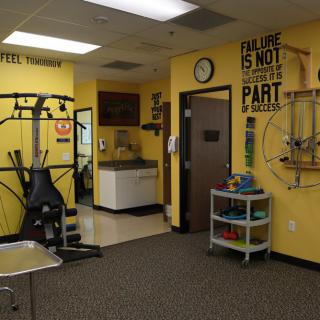
    A fitness room with exercise equipment and motivational decor.
  • Outdoors

    A whimsical blue metal horse sculpture standing outdoors surrounded by trees.
  • Building

    The entrance of a brick school building with a sign, surrounded by trees.
  • Architecture

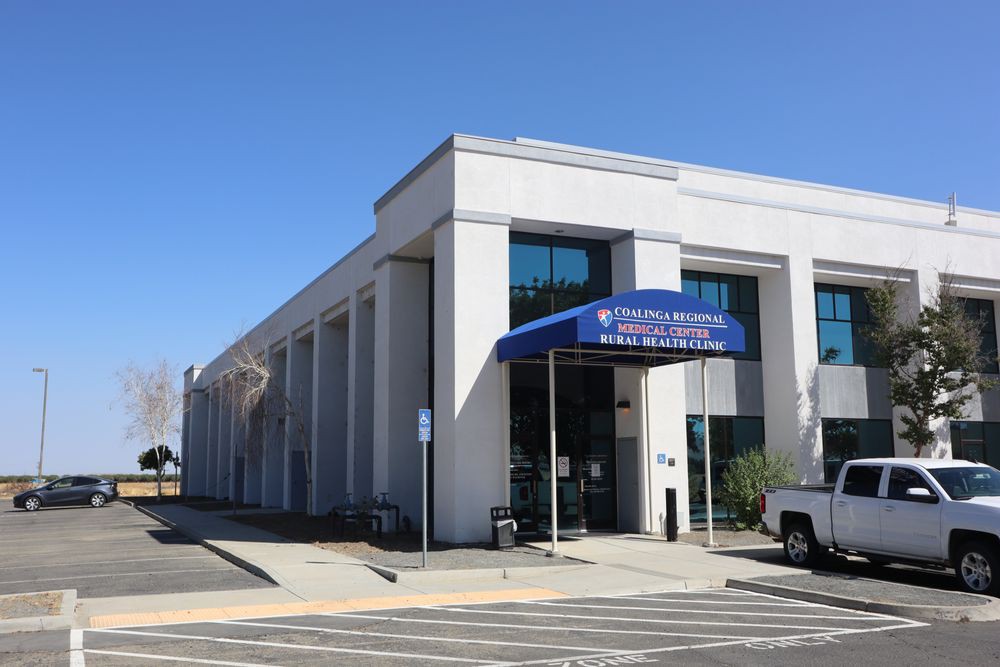
    The exterior of a commercial bank building with a blue awning at the entrance.
  • Bedroom

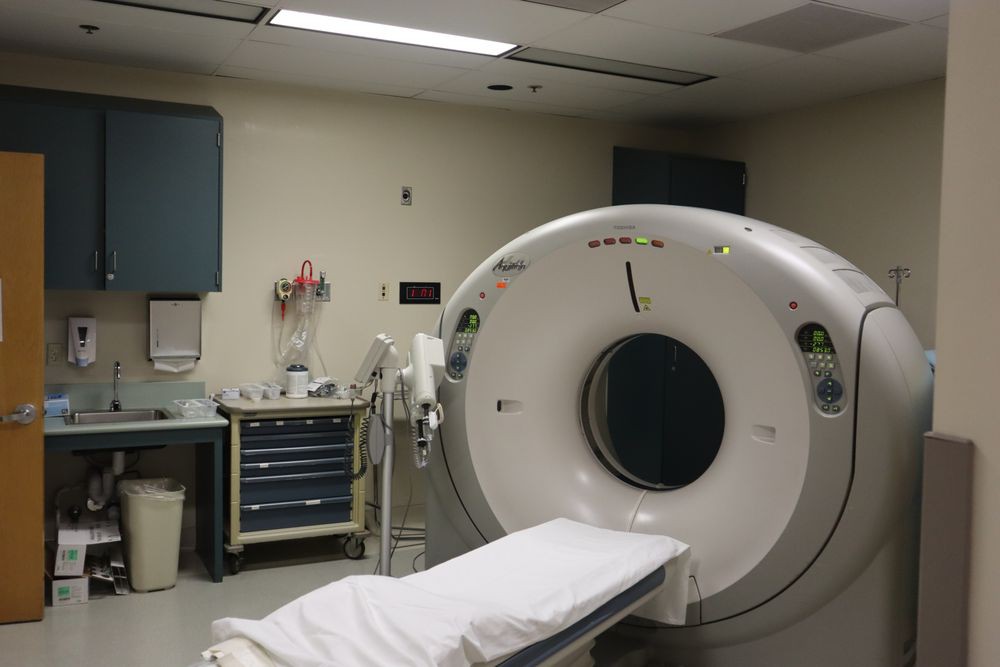
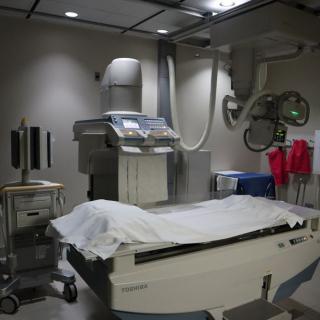
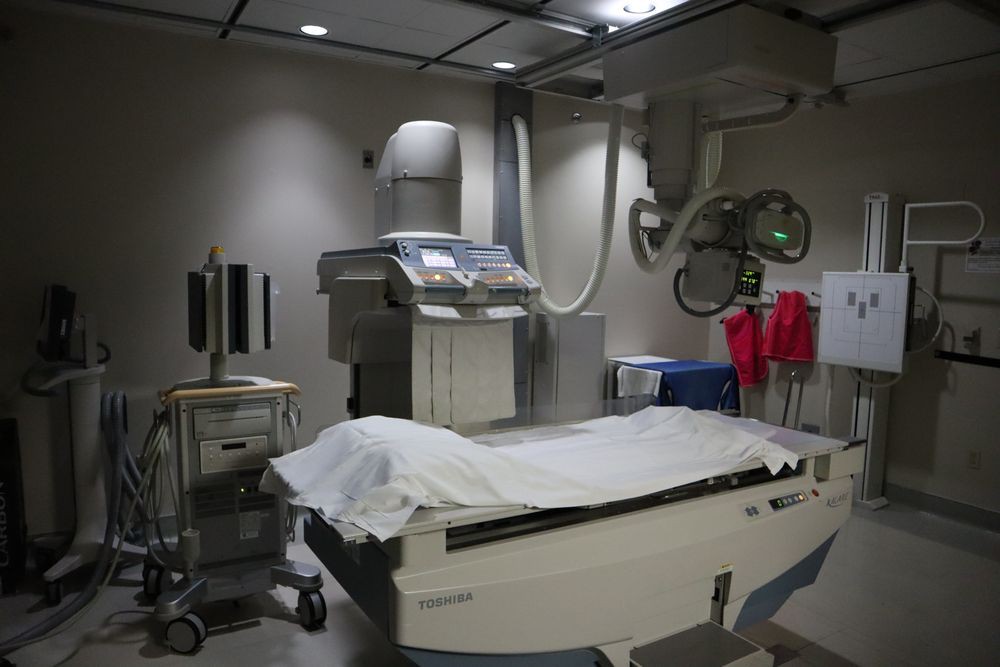
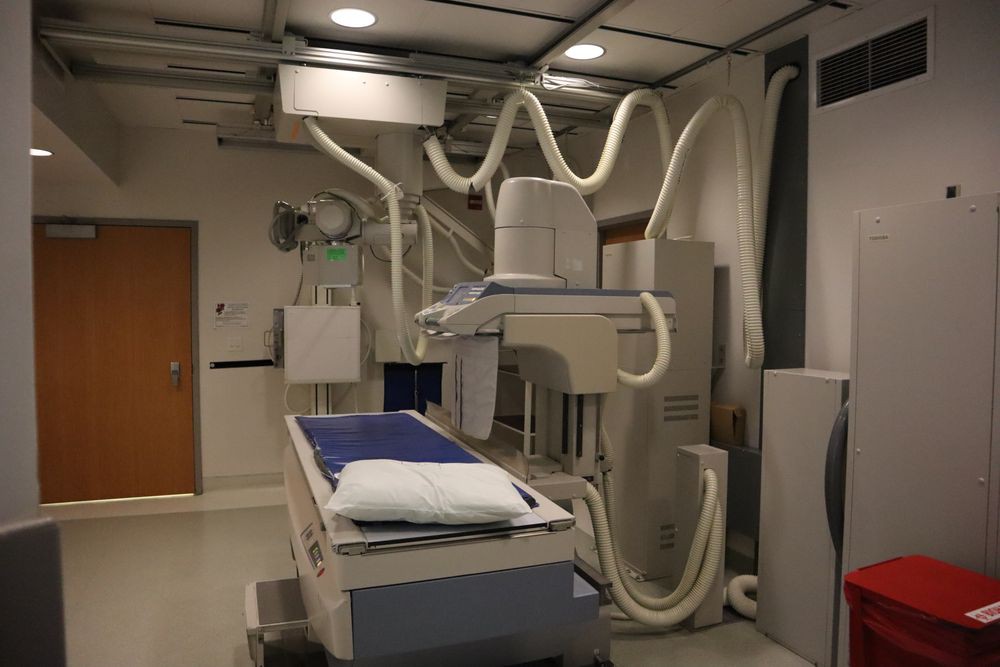
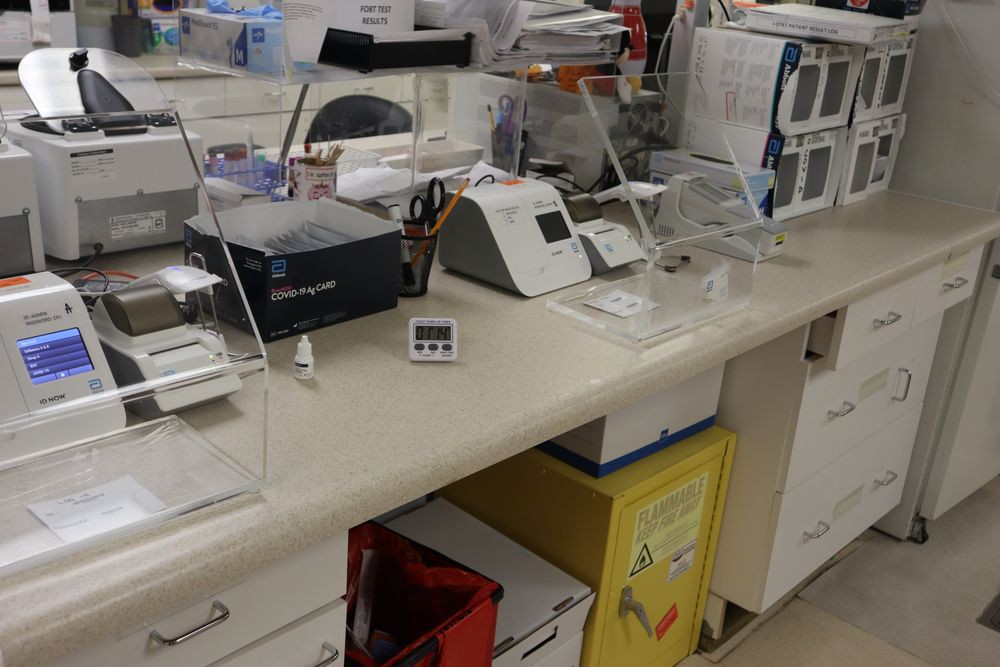
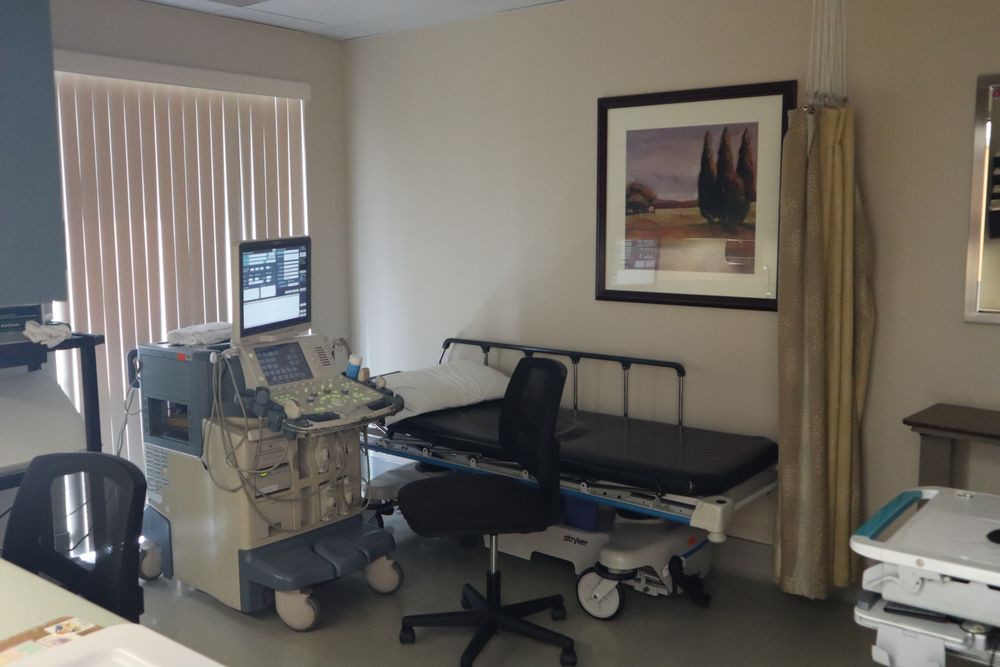
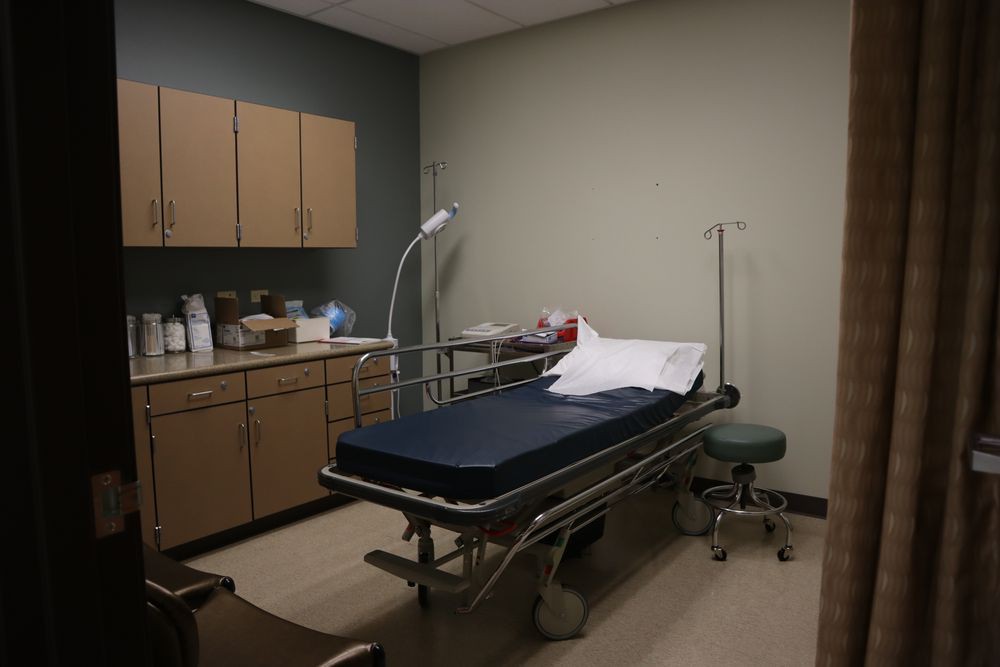
    A hospital examination room featuring an X-ray machine and a bed.
  • Trees

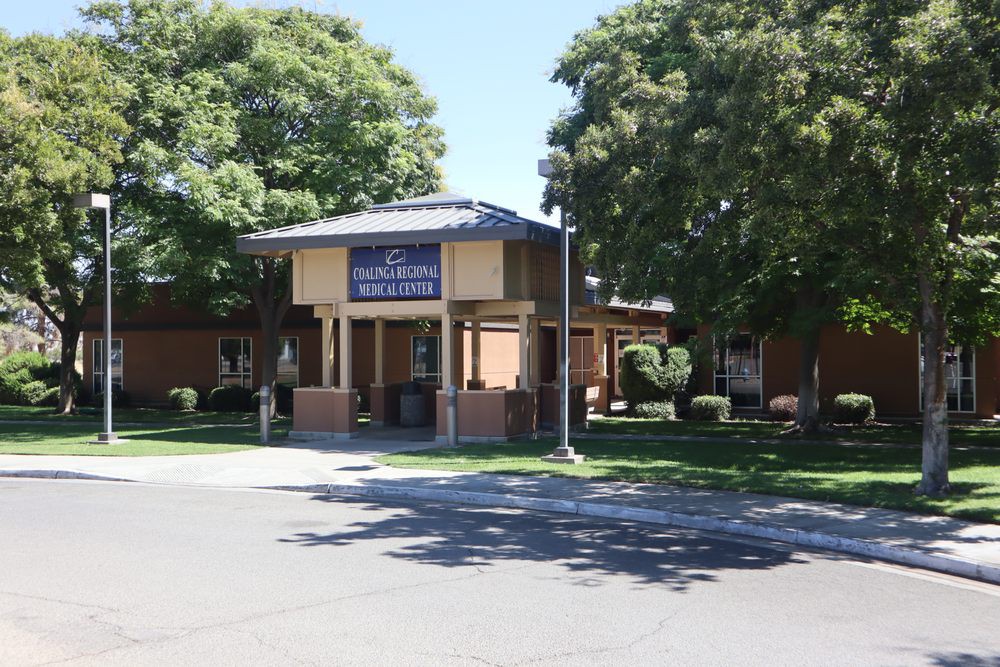
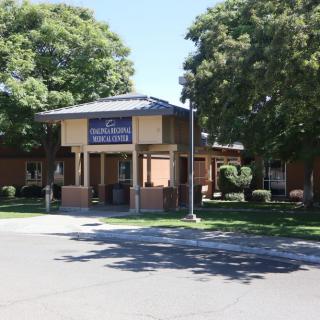
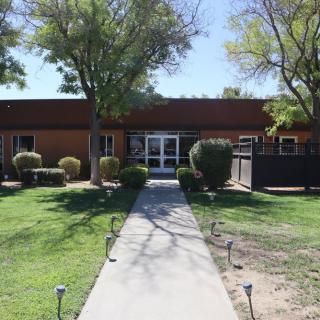
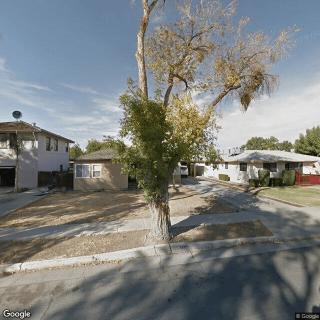
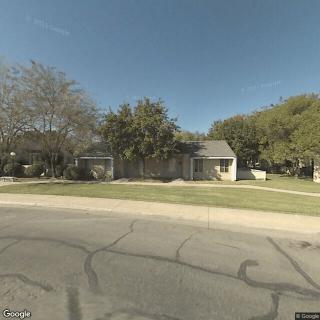
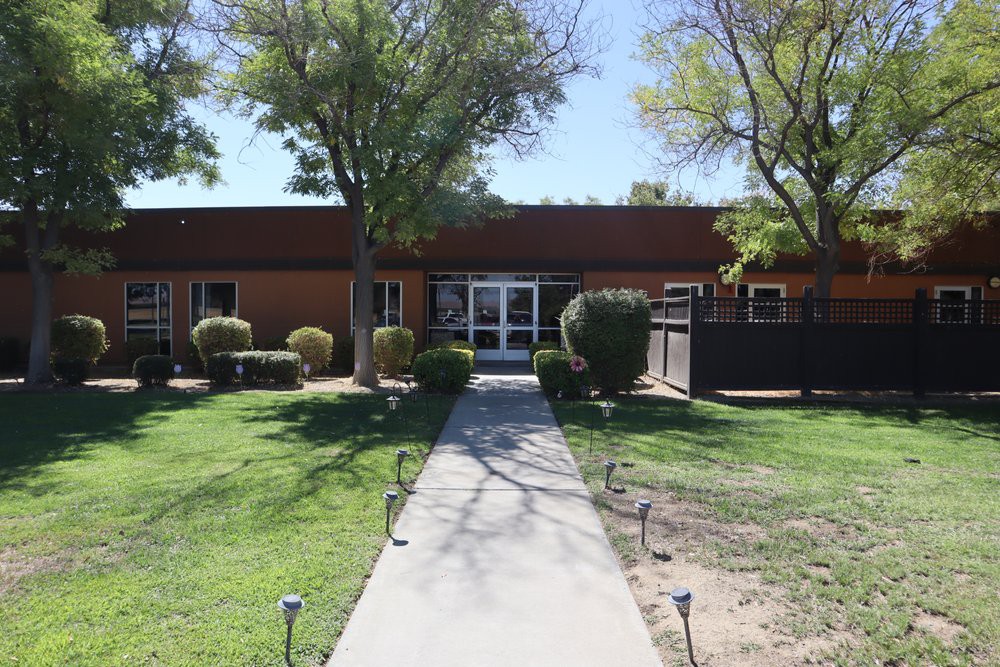
    A building with a concrete pathway leading to its entrance, surrounded by trees and grass.
  • Entrance

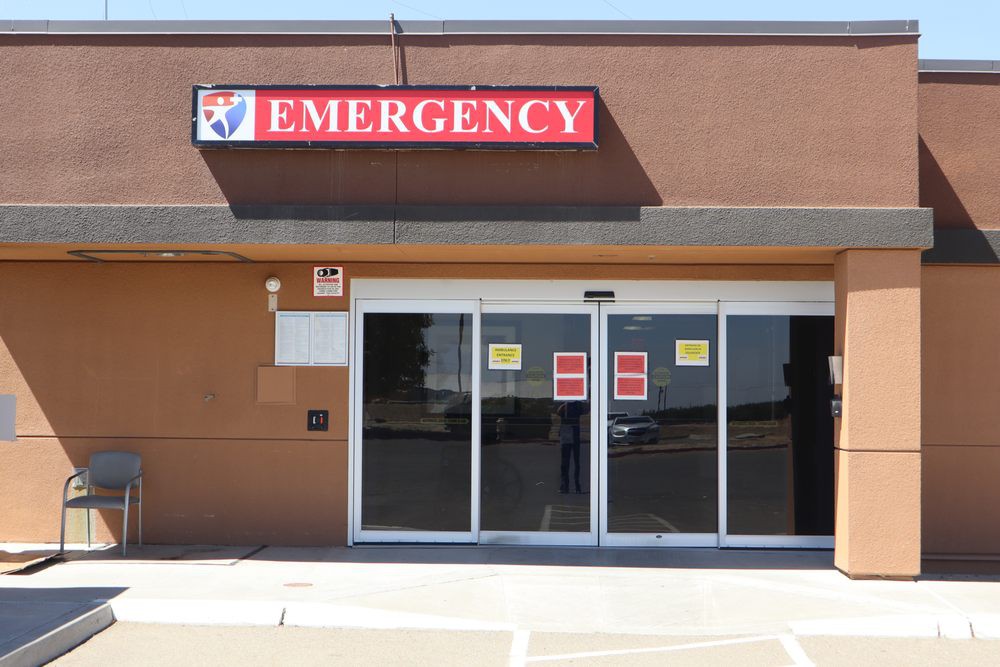
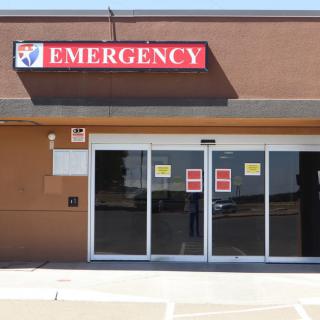
    Entrance to an emergency room at a medical facility.
  • Seating Area

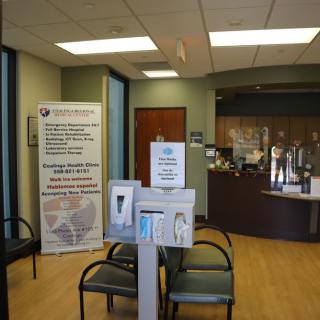
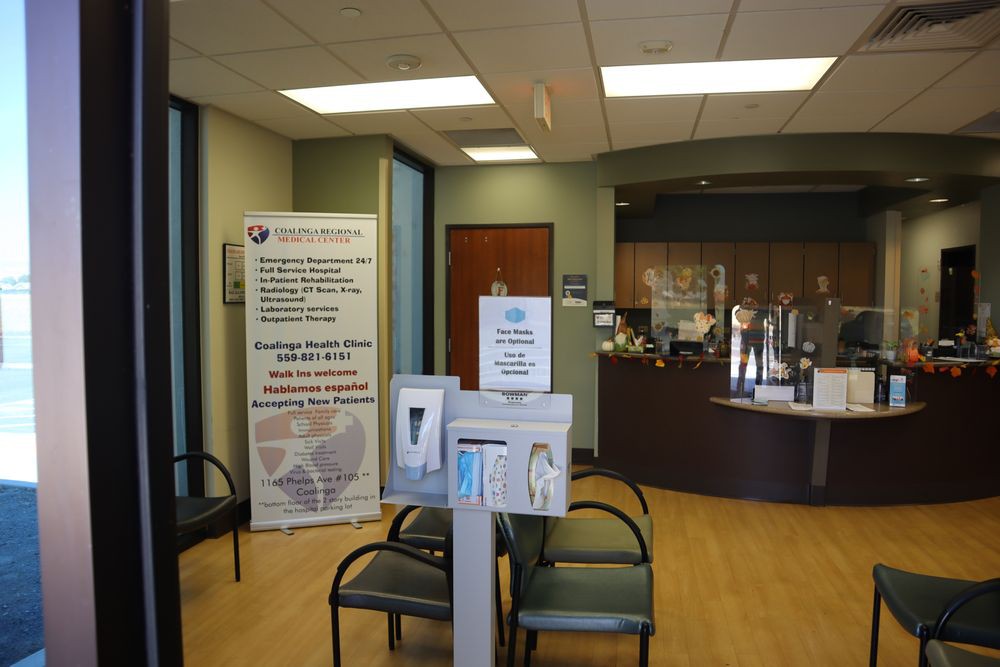
    A medical clinic waiting room with seating and a reception desk.
  • Outdoor

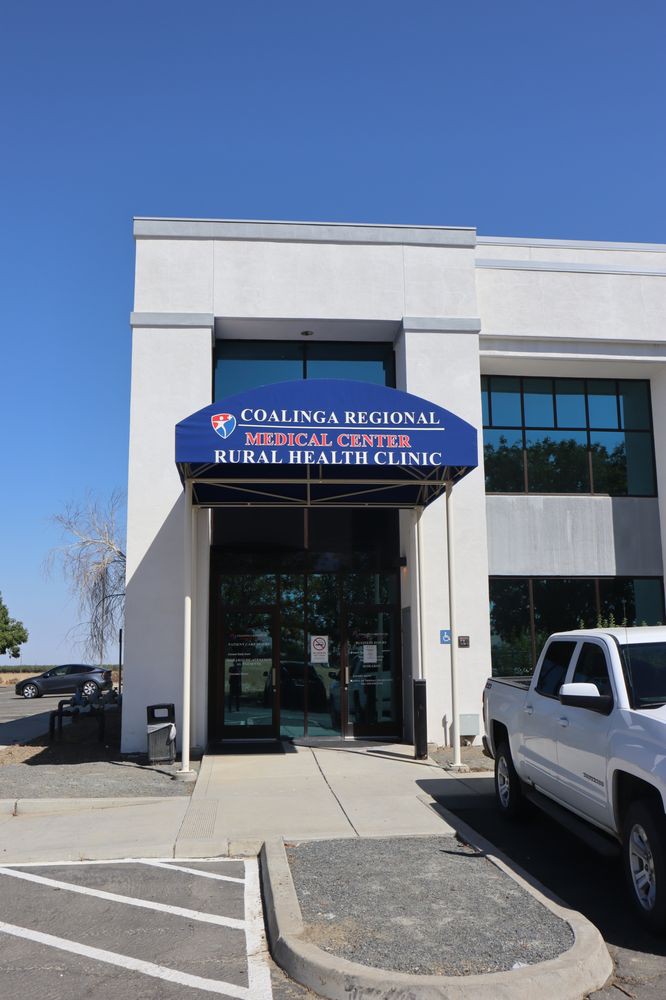
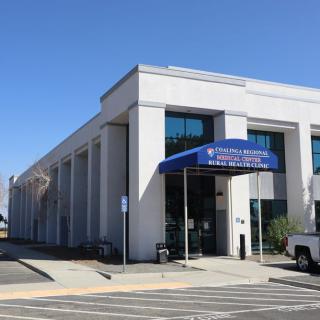
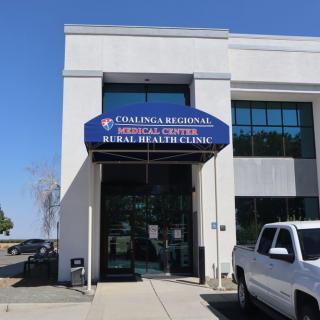
    Entrance of Coalinga Regional Medical Center Rural Health Clinic.
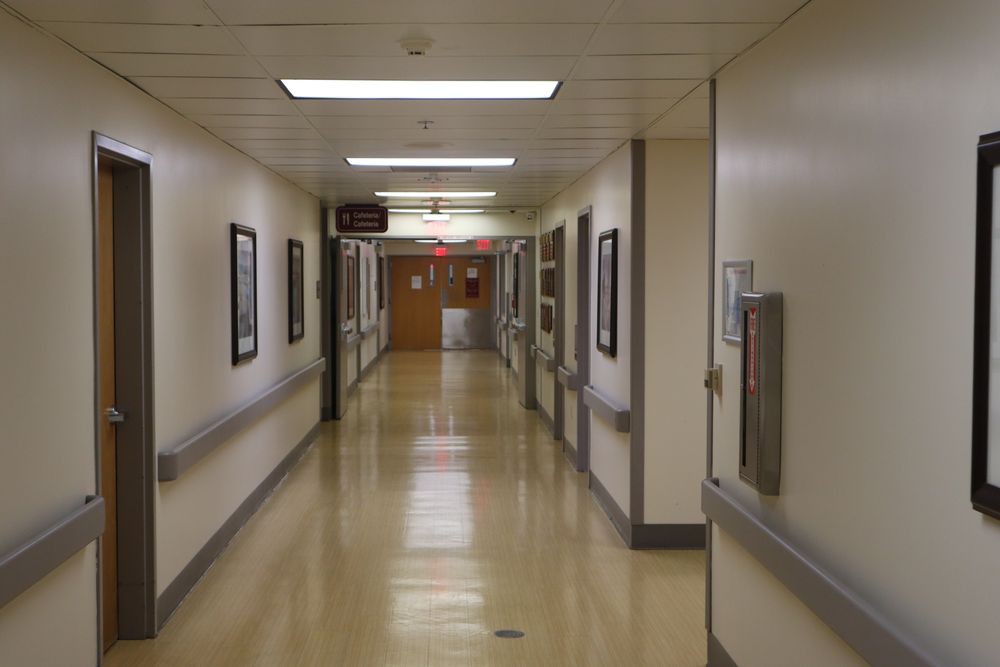
  • Hallway

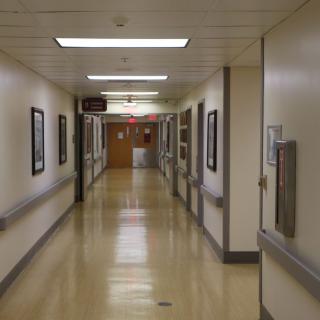
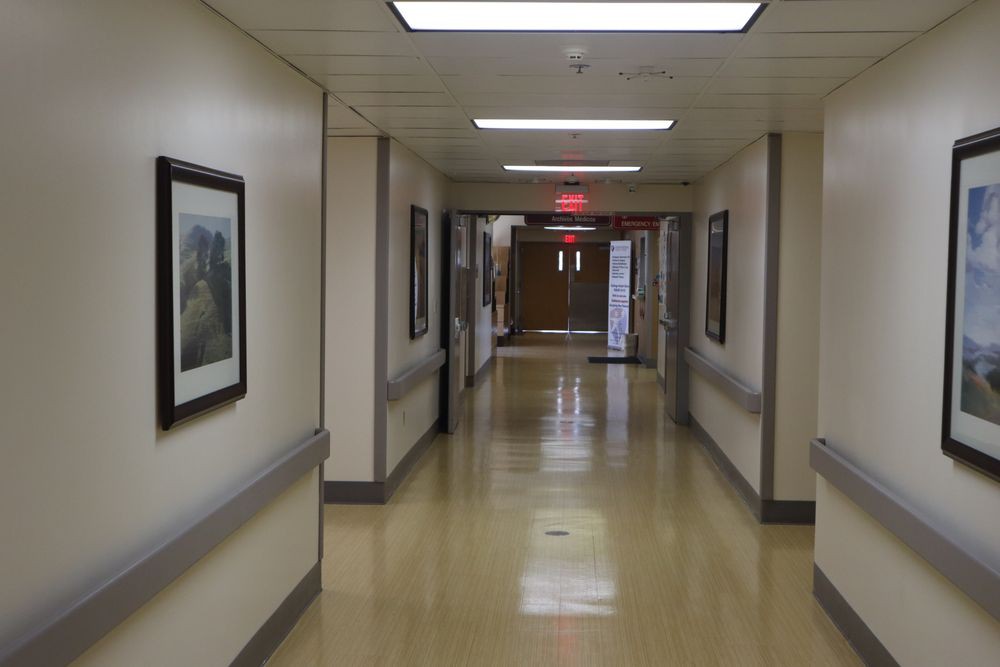
    A quiet hospital corridor with fluorescent lighting and framed pictures on the walls.
  • Exercise Equipment

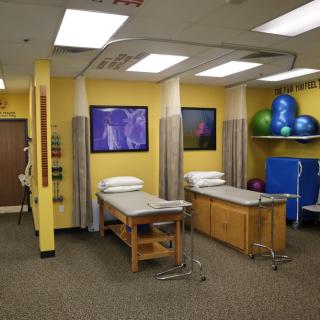
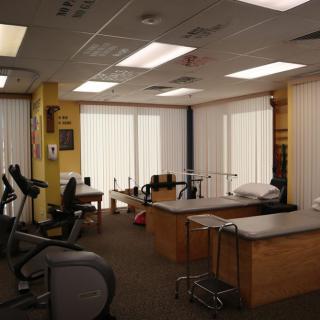
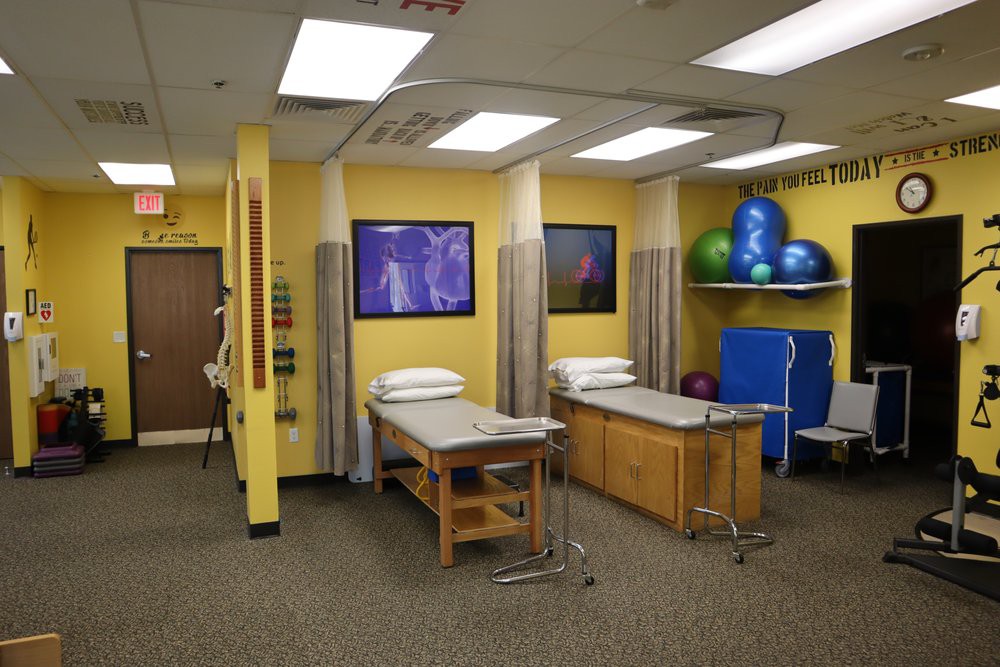
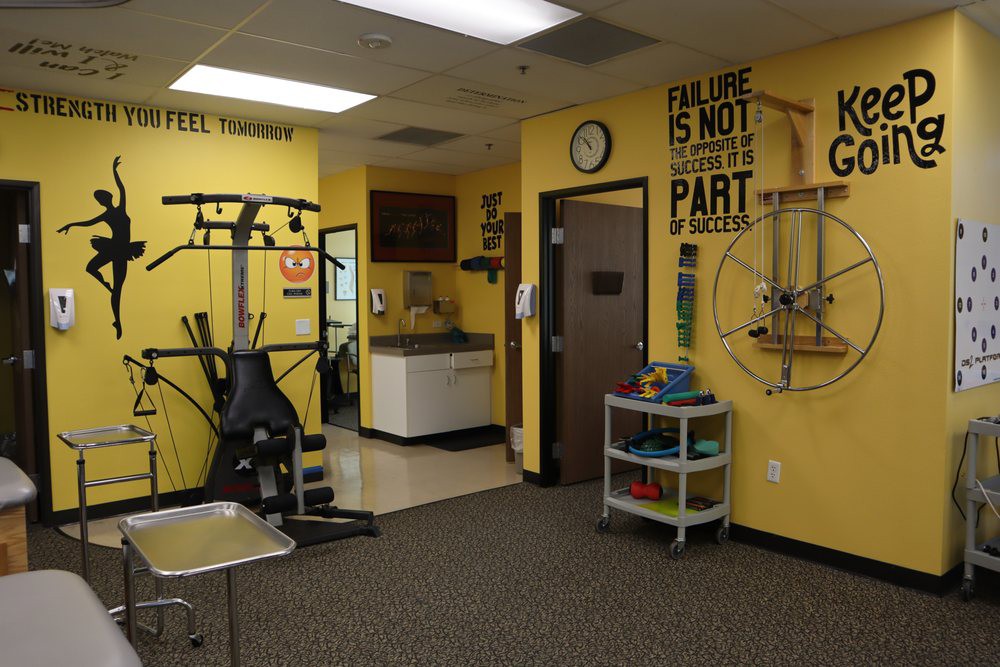
    A physical therapy clinic room featuring treatment tables, exercise balls, and bright yellow walls.
  • Office

    A modern commercial office building with large windows and a sleek design.
  • Healthcare

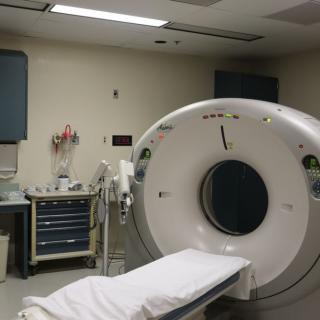
    An MRI machine in a hospital room, ready for patient diagnostic imaging.
  • Fitness

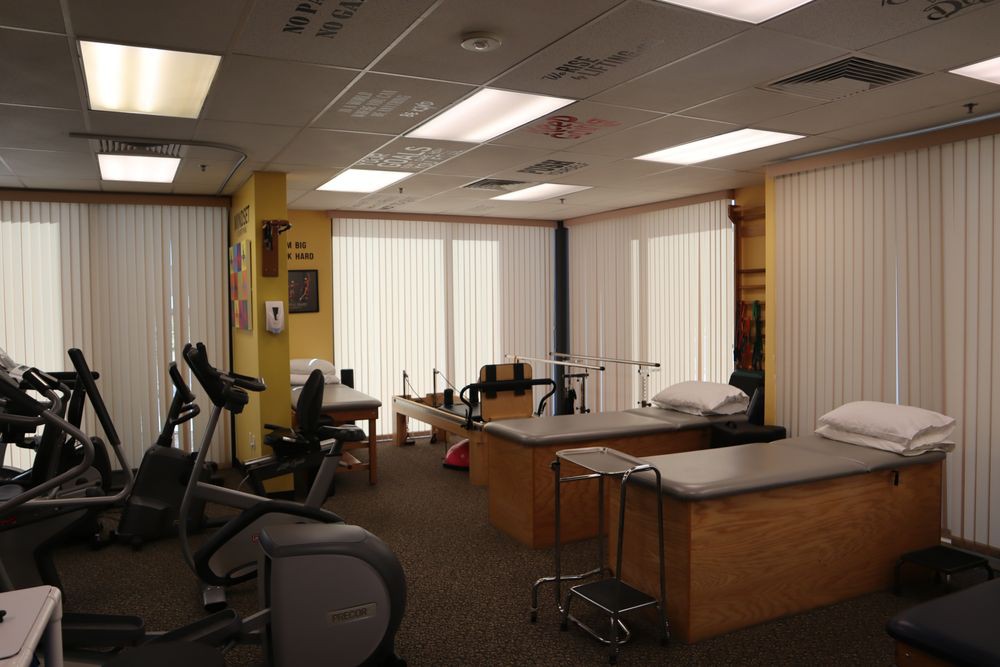
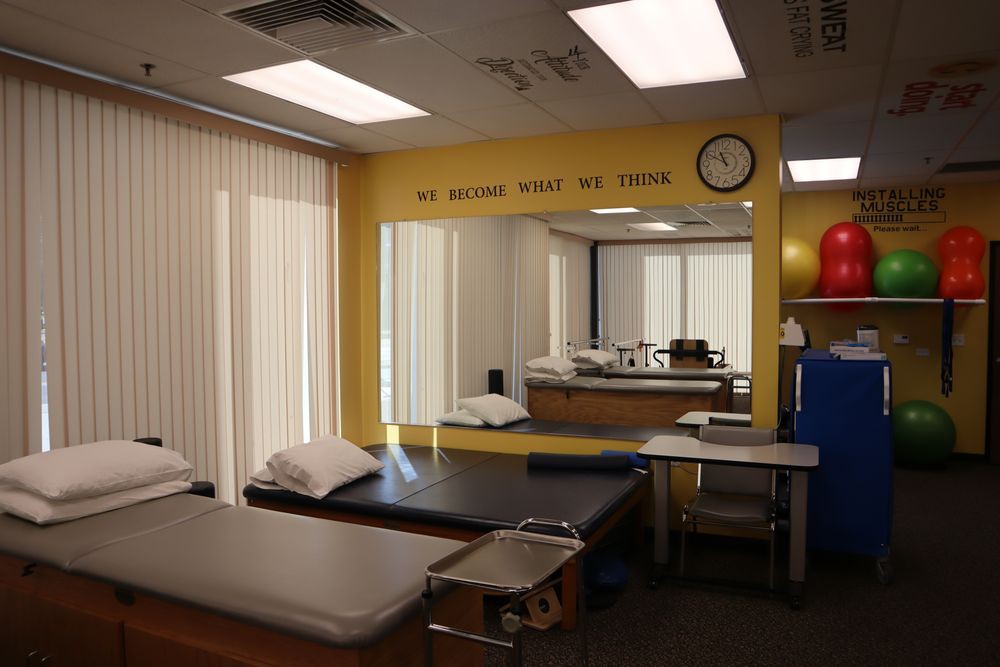
    A rehabilitation room with exercise equipment and treatment tables for physical therapy.

Coalinga Regional Medical Center

1191 Phelps Avenue, Coalinga, CA 93210

For more information about senior living options: (844) 490-3973

2.7 from 66 reviews
5 stars
24
4 stars
3
3 stars
2
2 stars
1
1 stars
36

Skilled Nursing Facility

Overall Review of Coalinga Regional Medical Center

Pros

  • pro The hospital is considered one of the best in the central valley.
  • pro The ER staff were very friendly, professional and courteous.
  • pro The service was excellent and patients were discharged within a couple of hours.
  • pro The ER is highly recommended and described as awesome.
  • pro A nurse named Moon helped, and the overall experience was positive and reassuring; they would recommend this ER to others.
  • pro The ER experience was professional and kind, with a knowledgeable doctor and little to no wait.
  • pro The staff are really nice.
  • pro Dr. John Ziomek did a great job stitching his fingers.

Cons

  • pro The facility is described as very bad, with inadequate staff, poor service, and five-hour ER waits.
  • pro The ER is criticized for understaffing, unprofessionalism, and neglect leading to delays in care.
  • pro Reviewers report patients not receiving timely attention or pain relief, sometimes leaving without treatment.
  • pro There are widespread accusations of negligence, incompetence, and malpractice within the hospital.
  • pro A nurse is accused of disrespectful behavior, eye-rolling, and lack of empathy toward a nonfluent Spanish-speaking mother.
  • pro Urine tests are reportedly mixed up, resulting in false drug-use accusations.
  • pro Several reviewers advise avoiding this hospital and seeking care elsewhere.
  • pro Some doctors are described as ineffective or uncaring, with staff more concerned about appearances than patient well-being.
  • pro Families recount cases where unstable patients were discharged or not treated promptly, with severe consequences.

Review

The collection of reviews paints a hospital experience that runs a wide gamut from praise to severe critique. Some patients describe Coalinga Regional Hospital's emergency department as friendly, efficient, and capable, while others recount harrowing delays, perceived negligence, and a sense that the system is understaffed and overwhelmed. Across the board there is a strong sense that individual experiences depend greatly on who you encounter, when you arrive, and which part of the team is on duty that day.

Several callers share positive, almost glowing, assessments. One patient praised the ER as "one of the best in the central valley," noting that they were friendly, professional, and courteous, with service that moved quickly enough to be out within a couple of hours. Another account describes a fast, reassuring experience: arriving in the ER in the middle of the night, being treated professionally, and receiving help from a staff that left the patient feeling cared for and informed. There are also mentions of specific staff members who made a difference - an ER nurse named Moon who guided the flow in a crowded waiting room and helped move a patient inside, and a physician named Dr. John Ziomek who performed the stitching on a patient's deep lacerations with competence. In at least a couple of cases, patients highlighted that the overall demeanor of the team - kindness, empathy, and clear communication - made a tough visit more bearable and even positive.

But a large portion of the feedback focuses on consistently negative experiences, especially around wait times and triage. Multiple reviews describe long waits (hours) without timely pain relief or attention, with patients feeling ignored once they arrive in the ER. One account notes waiting more than two hours with severe leg swelling, escalating pain, and a nurse who appeared unable to complete a basic task like properly applying a blood pressure cuff. Frustration grows when patients feel that their conditions are not taken seriously or when they are left without updates or a clear plan of care. In some instances, people left the ER in pain rather than endure further delays, sometimes traveling to alternative facilities in search of better care.

The criticisms go beyond wait times to include concerns about clinical decision-making and outcomes. There are heartbreaking stories of patients who were sent home in apparently grave condition, only to deteriorate and require urgent care elsewhere. One account describes a man with pneumonia symptoms and dangerously low oxygen saturations who was discharged home, later to be re-admitted after his condition worsened; the family expresses that the initial ER visit should have prompted more aggressive intervention or escalation. Another review recounts a patient with abdominal pain who felt dismissed until a nurse intervened, suggesting that triage practices can vary dramatically. A few reviewers attribute severe consequences to what they see as underprepared or overwhelmed staff, with some insisting that better staffing and more attentive care could have saved lives.

There are also pointed critiques of particular staff behaviors and professional standards. Some reviewers accuse certain roles of being dismissive or unempathetic - items range from a nurse rolling her eyes at a translator helping a non-English-speaking patient, to a charge nurse described as having a "power-tripping ego." Several comments mention traveling or short-staffed RNs, implying that instability in staffing contributes to inconsistent patient experiences. A recurring theme is that even when most staff are kind, the overall system can feel impersonal or chaotic, which colors patients' perceptions of every interaction, from check-in to discharge.

A smaller but notable slice of the feedback centers on administrative and logistical issues. Complaints include disorganization in scheduling and patient tracking, as in stories where ultrasound appointments were canceled because the patient was not on the proper list, or where patients felt their time was wasted as the team forgot to add them to a queue. There are also mentions of misdiagnoses or miscommunications that led families to seek care at other hospitals later on, sometimes with life-threatening results, which amplifies frustration and distrust toward the ER experience.

In sum, the reviews present Coalinga Regional Hospital as a place where care can be excellent and compassionate in some moments, and deeply lacking and frustrating in others. The strongest statements come from those who felt unheard, undertreated, or overlooked, especially when pain, critical symptoms, or potential emergencies were involved. Conversely, a number of patients recount positive encounters with caring nurses, decisive doctors, and smooth, timely service that left them with a sense of relief. The mixed nature of these experiences underscores a perception of inconsistency: a hospital that can deliver high-quality, life-saving care for some patients while falling short for others, possibly reflecting systemic staffing challenges and varying day-to-day conditions. For anyone considering care here, the message is clear: experiences may vary dramatically, and in time-sensitive emergencies you might want to consider all available options and advocate for your needs if you feel under-treated or overlooked.

Features

Housing

  • 99 resident community capacity 99 resident community capacity

Types of Care

  • Skilled Nursing Facility Skilled Nursing FacilitySkilled Nursing Facilities are crucial for seniors as they provide round-the-clock medical care, rehabilitation services, and assistance with daily activities. These facilities ensure that seniors receive the specialized care they need to maintain their health and well-being as they age.

Amenities

  • Air-conditioning Air-conditioningAir conditioning is important for seniors as they are more vulnerable to heat-related illnesses and may have underlying health conditions that make it difficult for them to regulate their body temperature. It helps to keep them comfortable, safe, and healthy in hot weather.
  • Beauty salon Beauty salonBeauty salons are important for seniors because they provide a space for them to feel pampered, socialize, and maintain their personal grooming and hygiene. Regular visits to a beauty salon can help boost seniors' self-esteem and overall well-being.
  • Cable or satellite TV Cable or satellite TVCable or satellite TV is important for seniors because it provides entertainment, news, and companionship, helping to combat loneliness and boredom. It also offers a wide range of programming options tailored to different interests and preferences.
  • Computer center Computer centerA computer center is essential for seniors as it provides access to technology, communication tools, and resources that can enhance their daily lives. It allows them to stay connected with loved ones, engage in online activities, and learn new skills, ultimately promoting socialization and mental stimulation.
  • Dining room Dining roomDining rooms are important for seniors as they provide a space for socialization, connection, and nutritious meals. They offer opportunities for residents to bond over shared meals, foster a sense of community, and promote healthy eating habits. Dining rooms also ensure that seniors have access to well-balanced meals tailored to their dietary needs and preferences.
  • Fitness room Fitness roomHaving a fitness room in a senior living community is essential for seniors to stay active, maintain their physical health, and improve their overall well-being. Regular exercise can help prevent falls, reduce the risk of chronic diseases, and promote mental sharpness. It also provides social opportunities for residents to connect with others and enjoy a sense of community.
  • Fully furnished Fully furnishedFully furnished senior living communities are important for seniors because they provide convenience, comfort, and a hassle-free moving experience. Seniors can easily settle into their new living space without the stress of having to buy and move furniture. This allows them to focus on enjoying their new home and community.
  • Gaming room Gaming roomGaming rooms are important for seniors as they provide a fun and engaging environment for socializing, cognitive stimulation, and physical activity. Games can improve memory, problem-solving skills, and overall mental well-being while fostering friendships and reducing feelings of isolation.
  • Garden GardenGardens are important for seniors as they provide a peaceful and therapeutic environment for relaxation, physical activity, and socialization. Being in nature has been shown to reduce stress, improve mood, and promote overall well-being. Gardens also offer opportunities for seniors to engage in gardening activities, which can improve mobility, flexibility, and cognitive function. Additionally, gardens create a sense of community and connection with others who share a passion for plants and outdoor spaces.
  • Housekeeping services Housekeeping servicesHousekeeping services are important for seniors because they help maintain a clean and safe living environment, promote independence, and reduce the risk of accidents or illnesses. Additionally, having assistance with household chores can alleviate physical strain and allow seniors to focus on other aspects of their well-being.
  • Kitchenette KitchenetteKitchenettes are important for seniors living in senior living communities because they provide the convenience and independence of being able to prepare simple meals and snacks in the comfort of their own living space. This can help promote a sense of autonomy and well-being for seniors, allowing them to maintain some level of control over their dietary choices and daily routines.
  • Move-in coordination Move-in coordinationMove-in coordination is important for seniors because it helps ease the transition into their new living environment. It ensures that all logistics, such as packing, organizing movers, and setting up utilities are taken care of, allowing seniors to focus on settling in and adjusting to their new home. Having a smooth move-in process can alleviate stress and anxiety, making the transition smoother and more enjoyable for seniors.
  • Outdoor space Outdoor spaceOutdoor spaces are important for seniors as they provide opportunities for physical activity, social interaction, exposure to natural light and fresh air, and a sense of connection to nature. Having access to outdoor spaces can improve overall well-being and quality of life for older adults living in senior communities.
  • Private bathrooms Private bathroomsPrivate bathrooms are important for seniors in senior living communities because they provide independence, dignity, and comfort. Having a private bathroom allows seniors to maintain their personal hygiene routines without the need for assistance, promoting a sense of autonomy and privacy. Additionally, private bathrooms help prevent the spread of infections and provide a safe and clean environment for seniors to navigate safely.
  • Restaurant-style dining Restaurant-style diningRestaurant-style dining is important for seniors because it allows them to enjoy delicious, nutritious meals in a social and upscale setting. This enhances their dining experience, promotes healthy eating habits, and fosters socialization with fellow residents, ultimately contributing to their overall well-being and quality of life.
  • Small library Small librarySmall libraries are important for seniors as they provide access to a variety of reading materials, including books, newspapers, and magazines. This can help stimulate their minds, keep them engaged, and provide a sense of community through book clubs and other social activities. Additionally, reading has been shown to improve cognitive function and overall mental well-being in older adults.
  • Telephone TelephoneTelephones are important for seniors as they provide a lifeline for communication with loved ones, emergency services, and healthcare providers. They offer a sense of security and independence, enabling seniors to stay connected and access assistance when needed.
  • Wellness center Wellness centerWellness centers are important for seniors because they offer a variety of programs and services that promote physical, mental, and emotional well-being. These centers provide opportunities for exercise, socialization, education, and relaxation, helping seniors maintain their overall health and quality of life.
  • Wi-Fi/high-speed internet available Wi-Fi/high-speed internet availableWi-Fi/high-speed internet is important for seniors to stay connected with loved ones, access online resources, and participate in virtual activities to combat feelings of loneliness and isolation. It also allows them to easily manage healthcare needs, access entertainment, and engage in lifelong learning opportunities.

Transportation

  • Community operated transportation Community operated transportationCommunity operated transportation is crucial for seniors as it provides them with the means to access essential services, social activities, and medical appointments. It allows seniors to maintain their independence and quality of life by ensuring they can participate in activities outside of their homes. Additionally, community-operated transportation services offer a safe and reliable way for seniors to travel without having to rely on family or friends for assistance.
  • Transportation arrangement Transportation arrangementTransportation arrangements are crucial for seniors as they may face challenges with driving, mobility, or access to public transportation. Having reliable transportation services ensures that seniors can easily attend appointments, social activities, and maintain their independence and quality of life.
  • Transportation arrangement (non-medical) Transportation arrangement (non-medical)Transportation arrangements are essential for seniors as they provide access to essential services, activities, and social interactions outside the home. This service helps maintain independence, mobility, and overall well-being for seniors who may have limited transportation options.
  • Transportation to doctors appointments Transportation to doctors appointmentsTransportation to doctors appointments is crucial for seniors as it ensures they have access to necessary medical care and support, promoting their health and well-being. It allows them to receive timely treatment, monitor existing conditions, and address any new health concerns efficiently. Additionally, transportation services can help seniors maintain their independence and quality of life by enabling them to stay connected with their healthcare providers.

Care Services

  • 12-16 hour nursing 12-16 hour nursing12-16 hour nursing care is crucial for seniors in order to ensure around-the-clock monitoring, timely medication administration, and prompt response to any health concerns or emergencies. This level of care helps to promote the overall well-being and safety of seniors living in senior living communities.
  • 24-hour call system 24-hour call system24-hour call systems are important for seniors because they provide peace of mind and immediate assistance in case of emergencies. This technology ensures that help is always available, promoting safety and security for elderly individuals living alone or in assisted living facilities.
  • 24-hour supervision 24-hour supervision24-hour supervision is important for seniors to ensure their safety, well-being, and access to immediate assistance in case of emergencies or health issues. This constant support provides peace of mind for both seniors and their loved ones, allowing them to age in place with dignity and security.
  • Activities of daily living assistance Activities of daily living assistanceActivities of daily living assistance are important for seniors because they provide essential support with tasks such as eating, bathing, dressing, and mobility. This assistance helps seniors maintain their independence, dignity, and overall quality of life as they age.
  • Assistance with bathing Assistance with bathingAssistance with bathing is crucial for seniors as it helps maintain personal hygiene, prevents infections, and ensures their overall well-being and comfort. It also provides a sense of dignity and independence for seniors who may struggle with this task on their own.
  • Assistance with dressing Assistance with dressingAssistance with dressing is important for seniors because it helps maintain their independence, promotes personal hygiene, prevents accidents and injuries, and improves overall quality of life. This service ensures that seniors can continue to dress comfortably and confidently, despite any physical limitations they may have.
  • Assistance with transfers Assistance with transfersAssistance with transfers is crucial for seniors as it helps prevent falls and injuries, maintains their independence, and ensures they can safely navigate their living environment. It also provides peace of mind for both seniors and their loved ones.
  • Diabetes diet Diabetes dietA diabetes diet is crucial for seniors as it helps manage blood sugar levels, reduce risks of complications, and improve overall health and well-being. By following a balanced and nutritious diet tailored to their specific needs, seniors can better control their diabetes and enhance their quality of life.
  • Meal preparation and service Meal preparation and serviceMeal preparation and service are crucial for seniors as they may have limited mobility or energy to cook nutritious meals. Having access to healthy and convenient food options can ensure they are getting the proper nutrition needed to maintain their overall health and well-being.
  • Medication management Medication managementMedication management is crucial for seniors to ensure they are taking the right medications at the correct dosages and times. This helps prevent adverse drug interactions, reduces the risk of medication errors, and promotes overall health and well-being. Proactive management also allows for adjustments as needed based on changing health conditions or new prescriptions.
  • Mental wellness program Mental wellness programMental wellness programs are essential for seniors as they promote cognitive stimulation, emotional support, and social engagement. These programs help prevent isolation, depression, and cognitive decline, ultimately enhancing the overall quality of life for older adults.
  • Special dietary restrictions Special dietary restrictionsSpecial dietary restrictions are important for seniors because age-related changes in metabolism and health conditions can make it difficult for their bodies to process certain foods. By following a diet tailored to their specific needs, seniors can maintain their overall health and well-being, manage chronic conditions, and reduce the risk of complications such as malnutrition or food interactions with medications.

Dining

  • Diabetes diet Diabetes dietA diabetes diet is crucial for seniors as it helps manage blood sugar levels, reduce risks of complications, and improve overall health and well-being. By following a balanced and nutritious diet tailored to their specific needs, seniors can better control their diabetes and enhance their quality of life.
  • Special dietary restrictions Special dietary restrictionsSpecial dietary restrictions are important for seniors because age-related changes in metabolism and health conditions can make it difficult for their bodies to process certain foods. By following a diet tailored to their specific needs, seniors can maintain their overall health and well-being, manage chronic conditions, and reduce the risk of complications such as malnutrition or food interactions with medications.

Activities

  • Community-sponsored activities Community-sponsored activitiesCommunity-sponsored activities are important for seniors as they provide opportunities for social interaction, mental stimulation, and physical activity. These activities can help improve overall well-being, combat loneliness and isolation, and promote a sense of belonging and purpose among older adults.
  • Concierge services Concierge servicesConcierge services are essential for seniors as they provide assistance with daily tasks and errands, enhance their quality of life by offering convenience and personalized care, and promote a sense of safety and security.
  • Fitness programs Fitness programsFitness programs are crucial for seniors as they help improve strength, flexibility, balance, and overall well-being. Staying active can reduce the risk of chronic diseases, improve mental health, and enhance quality of life in older adults.
  • Planned day trips Planned day tripsPlanned day trips are important for seniors because they offer opportunities for socialization, mental stimulation, and physical activity. They provide a change of scenery and help seniors stay engaged and connected to their community, promoting overall well-being and quality of life.
  • Resident-run activities Resident-run activitiesResident-run activities are important for seniors as they encourage social interaction, creativity, and a sense of autonomy. These activities empower seniors to stay engaged and active in their community while fostering meaningful connections with their peers.
  • Scheduled daily activities Scheduled daily activitiesScheduled daily activities are important for seniors because they provide structure, socialization, mental stimulation, and physical activity. Engaging in regular activities can improve overall well-being and quality of life for seniors living in a community setting.

Description

The Coalinga Regional Medical Center in Coalinga, CA offers a comprehensive assisted living community for seniors in need of extra support and care. With a wide range of amenities and care services, residents can enjoy a comfortable and fulfilling lifestyle.

The community provides various amenities to enhance the quality of life for residents. A beauty salon is available for regular grooming needs, while cable or satellite TV ensures access to entertainment. Community-operated transportation is provided to assist residents with getting around town, and a computer center allows them to stay connected with loved ones. The dining room offers restaurant-style dining, providing nutritious meals prepared by the staff. Residents can also enjoy leisure activities in the gaming room, outdoor space, small library, and fitness room. Wi-Fi/high-speed internet is available throughout the community, ensuring connectivity for all.

Regarding care services, the Coalinga Regional Medical Center offers 24-hour call system and supervision for residents' safety. Assistance with daily living tasks such as bathing, dressing, and transfers is readily available to ensure comfort and independence. The staff provides medication management and supports any special dietary restrictions or diabetes diet that residents may have. Transportation arrangements are made for non-medical purposes as well as transportation to doctors' appointments.

The community also focuses on providing social engagement through various activities. Concierge services are offered to cater to individual preferences. Fitness programs help residents maintain physical health, while planned day trips offer exciting opportunities for exploration outside of the community. Resident-run activities provide a chance for residents to contribute their skills and interests within the community itself. Scheduled daily activities ensure there is always something engaging happening within the community.

Additionally, the Coalinga Regional Medical Center benefits from its proximity to numerous facilities in the nearby area. Multiple parks allow residents to enjoy outdoor recreation nearby while pharmacies provide convenient access to medications and supplies. Physicians' practices are easily accessible for medical needs, while restaurants offer diverse dining options without having to travel far. Nearby transportation options make it convenient for residents to explore the surrounding area, and places of worship provide opportunities for spiritual fulfillment. In case of emergencies, there are also hospitals located nearby.

Overall, the Coalinga Regional Medical Center offers a well-rounded assisted living community with a range of amenities and care services to enhance the comfort, independence, and overall well-being of its residents.

Nearby Places of Interest

This part of Coalinga, California offers a convenient and accessible location for seniors looking to settle in a peaceful community. With several healthcare options nearby, including the Coalinga Valley Health Clinics, Coalinga Regional Medical Center, and Coalinga State Hospital, residents can easily access medical care when needed. Additionally, pharmacies like Rx Care and Walgreens are just a short distance away for prescription needs. For spiritual nourishment, there are various places of worship within close proximity such as The Light House and Church of Christ of Coalinga. When it comes to dining options, seniors can enjoy a variety of restaurants offering different cuisines like Taqueria Gonzalez and Busy Bee Bake Shop. With parks like Coalinga Memorial Bowl nearby for outdoor recreation and theaters like Reel Time for entertainment, this area provides a well-rounded lifestyle for senior living.

Hospitals

  • Coalinga Valley Health Clinics (0 miles)
  • Coalinga Regional Medical Center (0 miles)
  • Coalinga State Hospital (5.8 miles)

Pharmacies

  • Rx Care (0 miles)
  • Walgreens (1.5 miles)
  • Save Mart Supermarkets (1.6 miles)
  • Rite Aid (1.7 miles)

Places of Worship

  • The Light House (0.6 miles)
  • Templo Jerusalem Asambleas De Dios (0.6 miles)
  • Spanish Assemblies Of God (0.7 miles)
  • Church of Christ of Coalinga (0.9 miles)
  • New Life Tabernacle (1.2 miles)
  • General Conference Of Seventh-Day Adventists (1.2 miles)
  • Eternal Life Gospal (1.5 miles)

Restaurants

  • Taqueria Gonzalez (1 miles)
  • Taco Bell (1.1 miles)
  • KFC (1.1 miles)
  • Busy Bee Bake Shop (1.2 miles)
  • Busy Bee Navy Net Cafe (1.2 miles)
  • Taqueria La Piedad (1.2 miles)
  • Los Reyes Mexican Food (1.2 miles)

Transportation

  • U-Haul Neighborhood Dealer (1.2 miles)
  • Budget Rent A Car (1.4 miles)

Parks

  • Coalinga Memorial Bowl (1.2 miles)

Physicians

  • Tae Cho Yong DDS (1.3 miles)
  • Eastman Stacy, DDS (1.4 miles)
  • Coalinga Valley Health Care (13.7 miles)

Theaters

  • Reel Time (1.4 miles)

Frequently Asked Questions

Where is Coalinga Regional Medical Center?
What photos are available for Coalinga Regional Medical Center in Coalinga, California?

Nearby Communities

Related Resources

  • home health nurseExploring the World of Home Health Nurses: Qualifications, Roles, and Hiring Tips

    Home health nursing is an expanding field where licensed professionals provide specialized medical care in patients' homes, addressing the needs of an aging population through personalized services like assessments and medication management. Effective collaboration with healthcare teams, cultural sensitivity, and quality assurance measures are essential for fostering trust and ensuring positive patient outcomes.

  • does medicare cover home health careNavigating Medicare Coverage for In-Home Care Services

    Medicare covers in-home health care services, which are medical and provided by licensed professionals under a physician's supervision, whereas non-medical personal assistance is generally not covered unless part of a broader skilled care plan. Eligibility for benefits depends on being homebound and needing intermittent skilled services from a Medicare-certified agency, with specific coverage limitations and additional resources available for navigating options.

  • how much does private home care cost per hourIn-Home Care Costs in 2025: A Detailed State-by-State Exploration
    In-home care is increasingly sought after by older adults for maintaining independence, with average private home care rates in 2025 varying by state and service type, reflecting geographical and local labor market influences. As demand rises, families are considering funding options like Medicaid waivers and long-term care insurance to manage costs effectively while ensuring quality care.