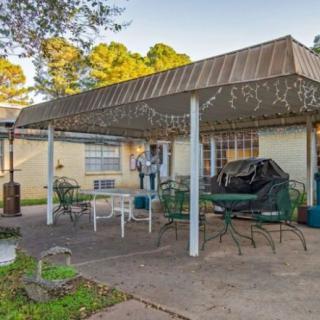
826 North Street, Stamps, AR 71860
For more information about senior living options: (866) 208-4318
Overall Review of The Waters Of Stamps
Pros
 The Blossoms at Stamps provides a great experience for residents and families.
- Ms. Debbie and Ms. Valerie keep families informed medically on a regular basis.
- Cadeidre is transparent about day-to-day care and keeps families in the loop.
- It is a small-town rest home with people who care.
- The staff take good care of residents.
- The staff treat residents like family.
- The care at The Blossoms has been described as a blessing and has helped restore health and joy.
- Mrs. Dee is an amazing nurse and residents experience patient care.
- The team goes above and beyond to make each person feel seen, valued, and loved.
- Families find peace knowing residents are genuinely cared for and respected.
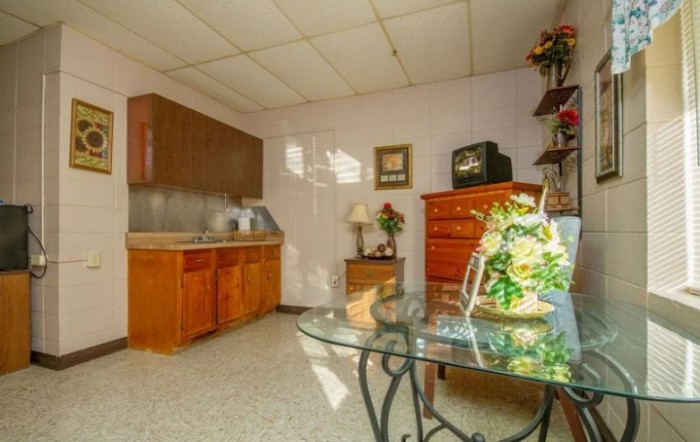
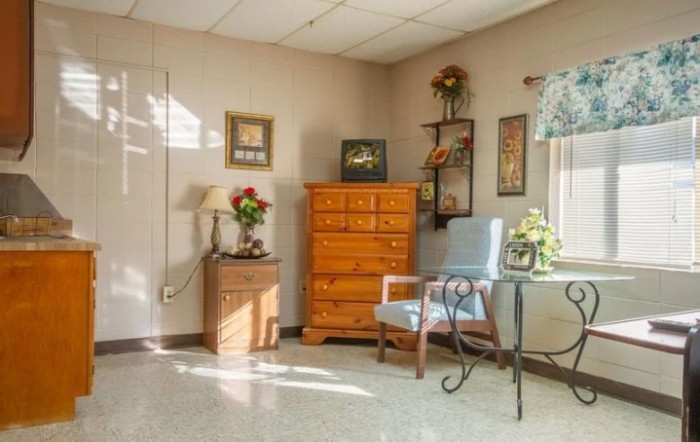
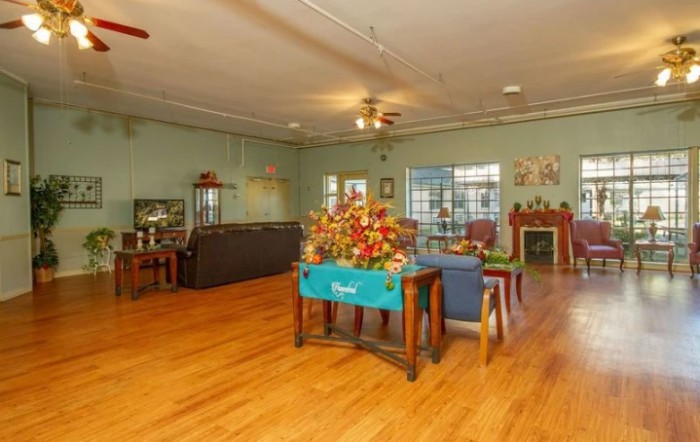
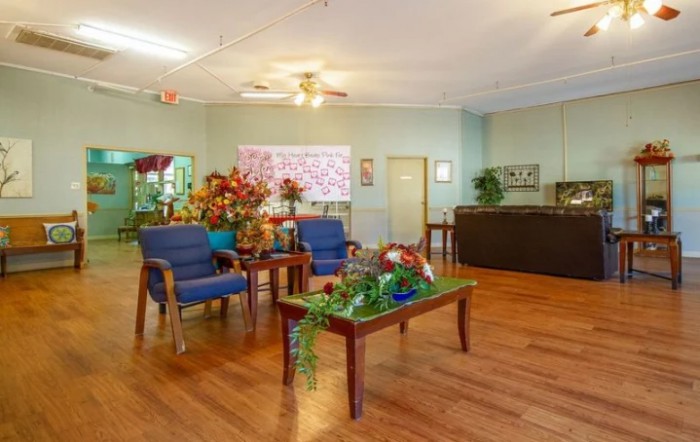
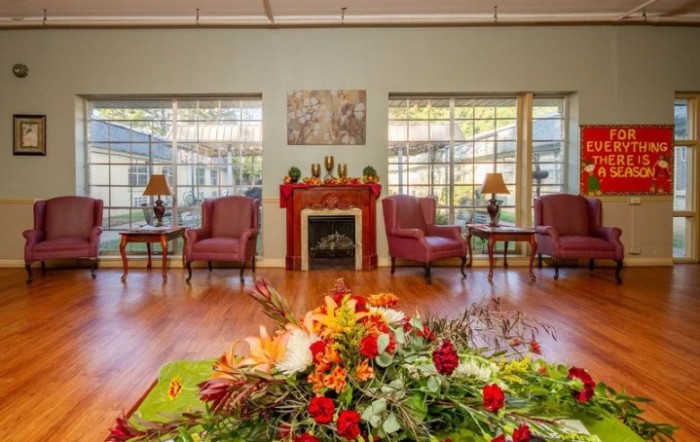
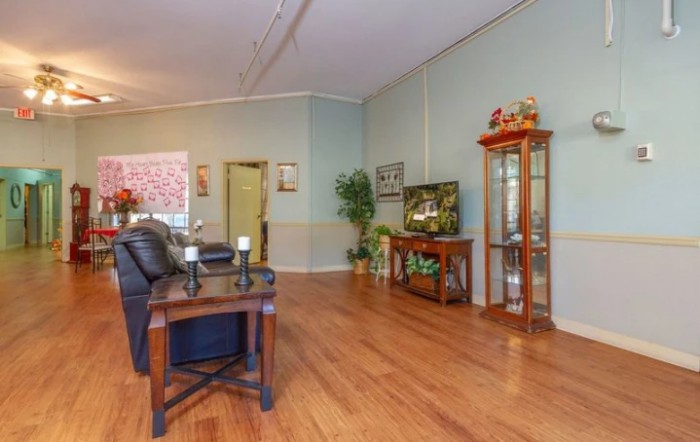
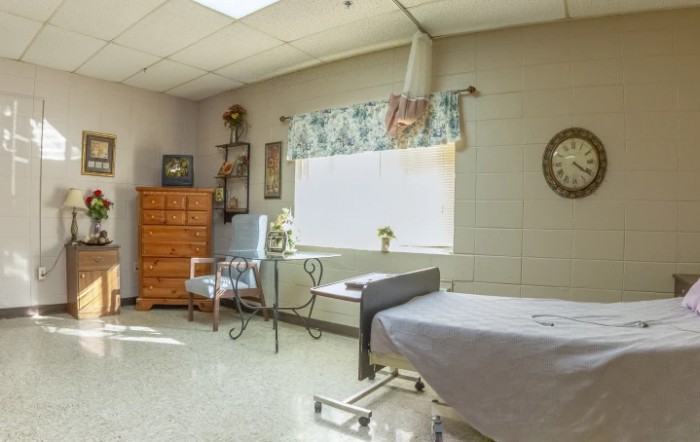
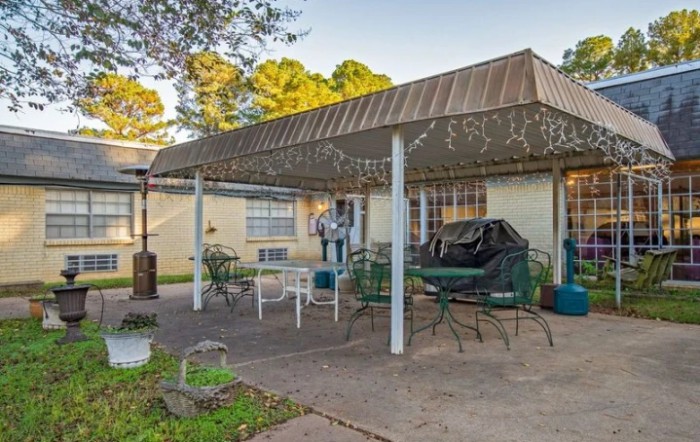
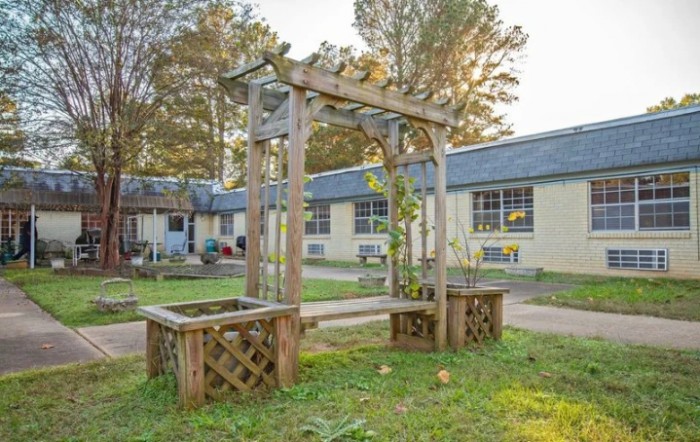
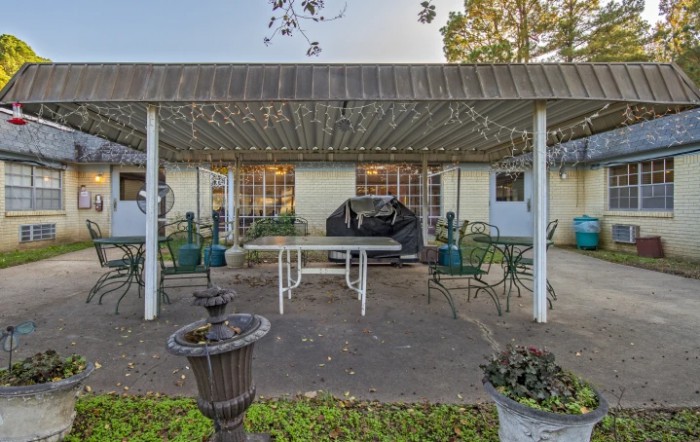
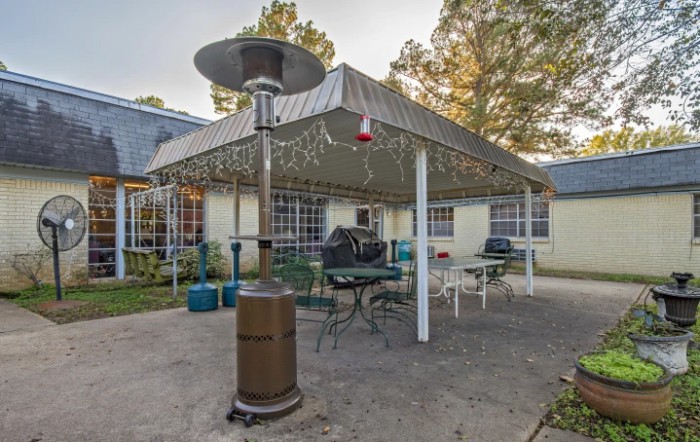
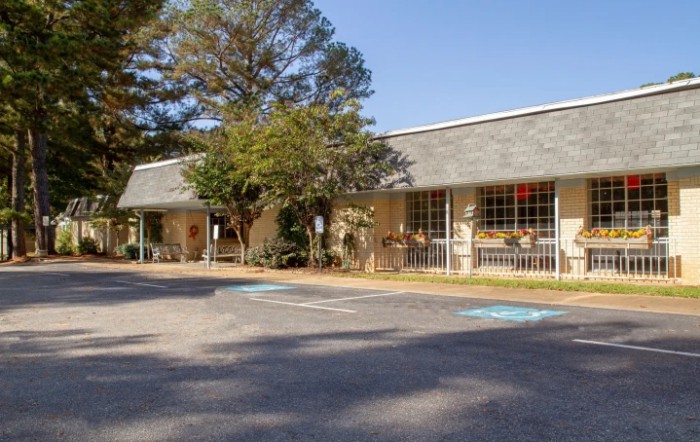
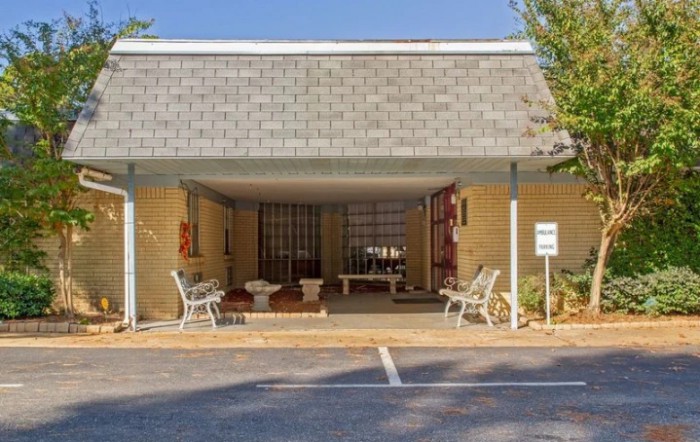
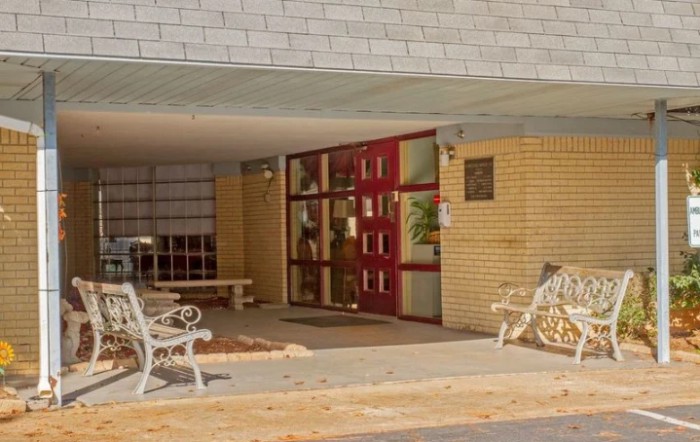
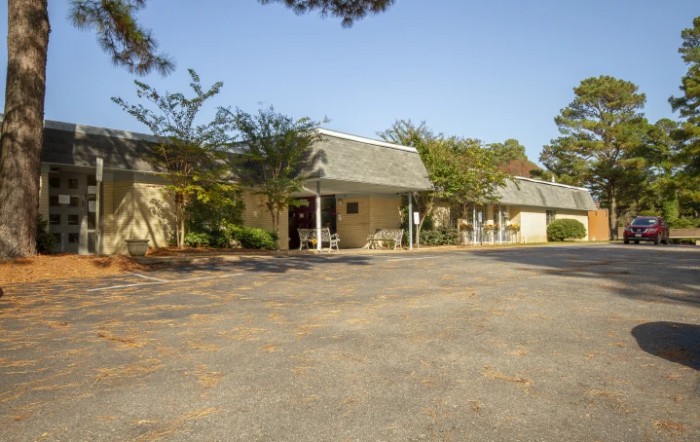
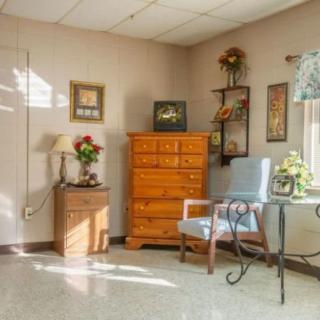
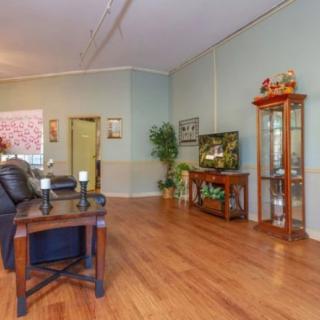
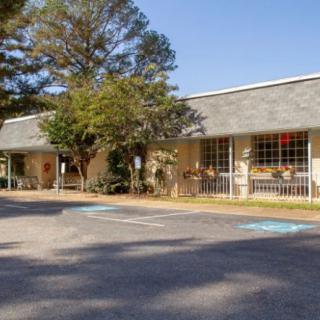
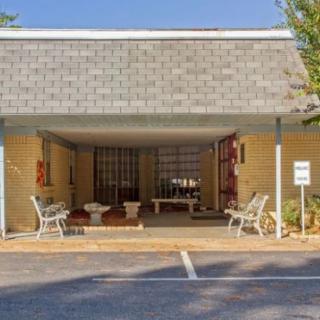
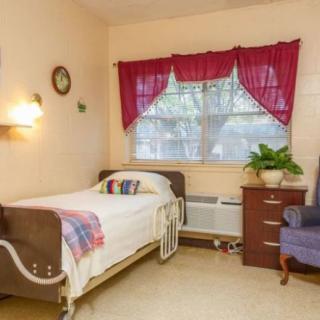
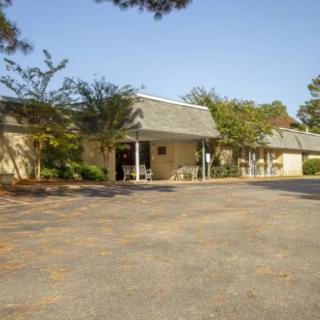
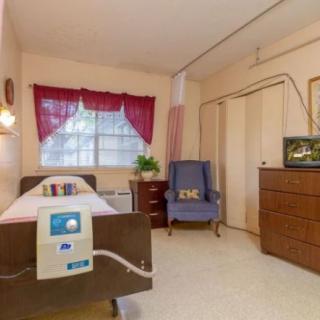
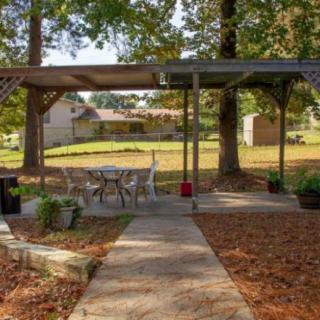
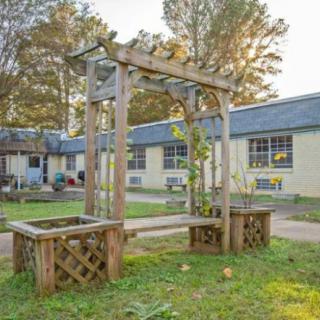
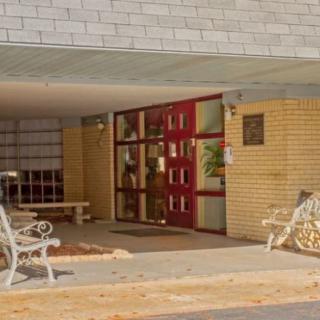
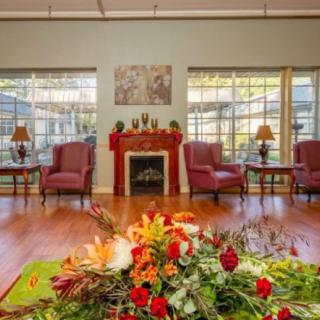
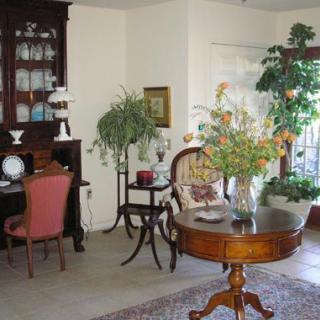
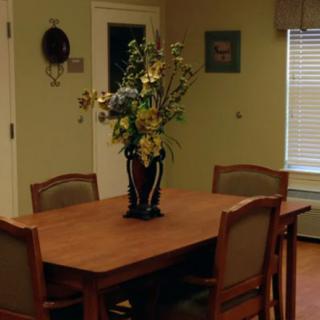
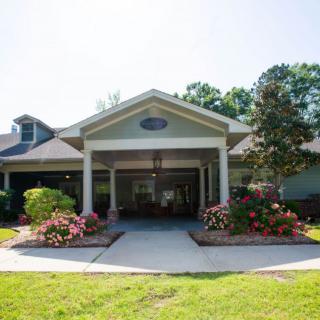
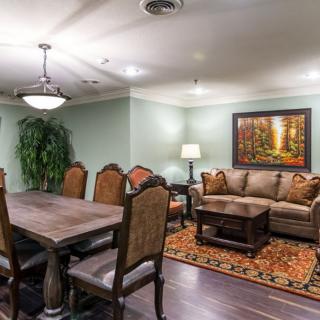
- The building is pretty, clean, and well maintained.
- The staff are compassionate and skilled at their services.
- The Blossoms comes highly recommended by families.
Cons
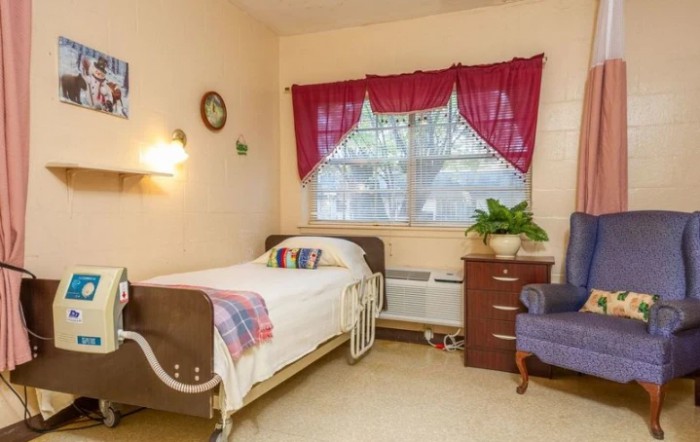
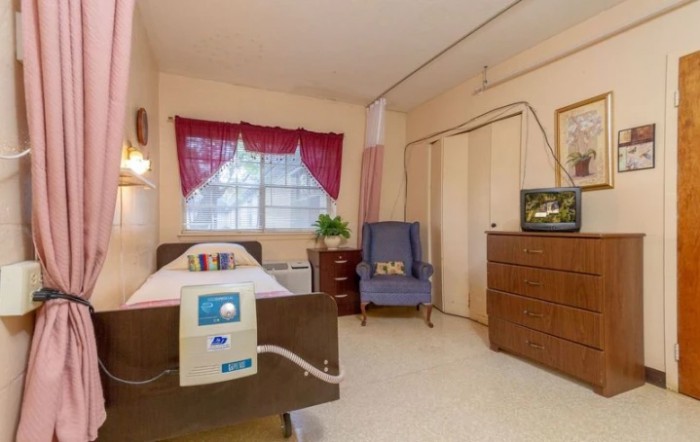
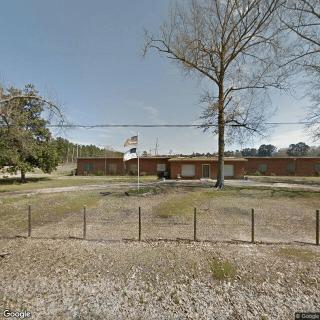
 The facility looks the same as it did years ago.
- The care provided to a family member was heartbreaking.
- She was often left unattended, and her basic needs were ignored.
- There were multiple times she was found in soiled clothing.
- Nurses rarely checked on her, and concerns were dismissed or brushed off.
- The state should be called in due to the horrific care some residents receive.
- This is not a place anyone should have to call home.
- The reviewer does not recommend putting loved ones in this nursing home.
Review
The Waters Of Stamps is best suited for families seeking a small-town, home-like nursing setting where staff are accessible, communicative, and inclined to treat residents as members of a chosen family. The strongest case favors those who value regular medical updates and transparent day-to-day communication from caregivers. Positive voices point to a tight-knit atmosphere, clean surroundings, and staff who genuinely take the time to keep families in the loop about changes in health or daily condition. When the care team is praised for warmth, nurses such as Mrs. Dee and caregivers like Debbie, Valerie, and Cadeidre, the facility projects the feel of a trusted, personal care environment rather than a distant institution. For families prioritizing connection and consistency, this is a compelling profile.
At the same time, the community warrants careful consideration for families who must weigh significant safety and consistency risks. The review mix includes a pointed warning that cannot be ignored: a caregiver failure experienced by at least one resident involved neglect, unattended needs, and a dismissive response to concerns. Those claims, even if not universal, signal that the care environment can vary markedly by shift, staff, and day. Families with residents who have high-acuity needs, frequent medical prompts, or a history of requiring vigilant supervision may want to explore alternatives with stronger evidence of consistent, proactive care and a firmer safety net. The presence of such divergent experiences makes a cautious, validation-first approach essential.
The positive aspects, proactive communication, a clean, pleasant environment, and staff who actively treat residents like family, do offset certain risks to a degree. When caregivers consistently reach out, provide clear updates, and maintain an open line for questions, families gain a crucial sense of reassurance and control over a loved one’s trajectory. The facility’s emphasis on transparency about both good days and challenging ones helps families feel engaged rather than in the dark. For many, this reduces the anxiety tied to long-distance oversight and creates a workable framework for trusting the daily routines and medical oversight that a nursing home demands.
However, the more troubling feedback cannot be dismissed. Claims of residents being left unattended, basic needs unmet, or concerns being dismissed point to structural gaps that could undercut the benefits of warmth and communication. These issues, if real and recurring, threaten resident safety and long-term well-being far more than any number of pleased anecdotes can reassure. A prudent decision-maker will treat these reports as red flags requiring immediate confirmation through direct visits, independent conversations with multiple staff members, and a keen eye on care plans, response times, and incident follow-up. Without such verification, the positives risk becoming a selective narrative that masks deeper vulnerabilities.
Practical due-diligence steps sharpen the decision-making process. Prospective families should request unrestricted visits and unannounced observation opportunities to gauge staffing responsiveness and resident engagement across shifts. Inquire about specific care plans for each resident, including how emergencies are handled, how often physicians or nurse practitioners round, and what the daily schedule actually looks like for a person with varying needs. Review state inspection results and any recent history of complaints, and talk to several current families or residents about consistency, safety, and the overall culture. Confirm leadership stability and ask for concrete examples of problem resolution.
In the end, this community offers a meaningful option for families prioritizing personal attention and a welcoming, home-like atmosphere, but only if due diligence confirms that safety and consistent care are consistently upheld. If a family values sustained, proactive oversight and has high-risk or high-needs residents, alternatives with demonstrably stronger safety records may be warranted. For those who can combine vigilant oversight with the facility’s strengths, clear communication, warmth, and a clean, comfortable environment, the Waters Of Stamps can be a good fit. The key is verification: match the care philosophy to the resident’s needs, and insist on measurable assurances that every day meets that standard.
 94 resident community capacity
 Skilled Nursing Facility
 Air-conditioning
 Beauty salon
 Cable or satellite TV
 Computer center
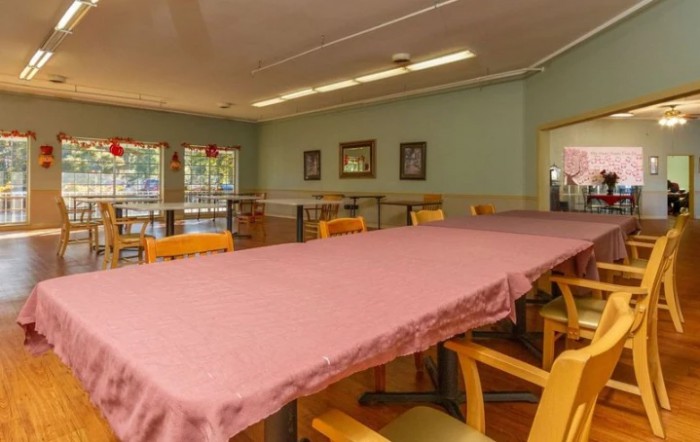
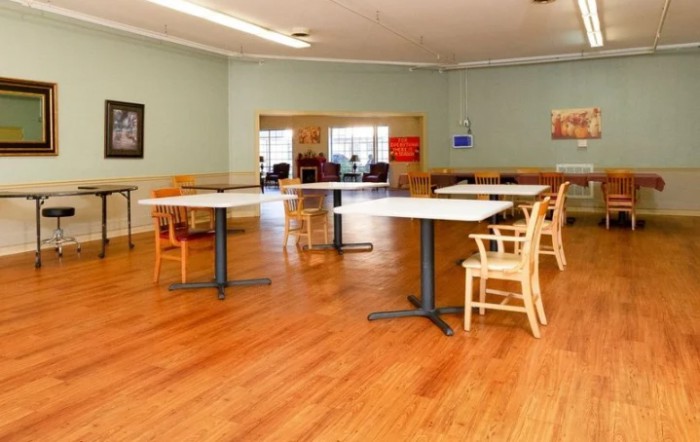
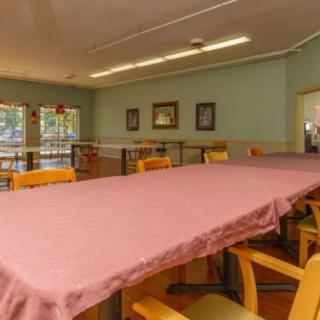
 Dining room
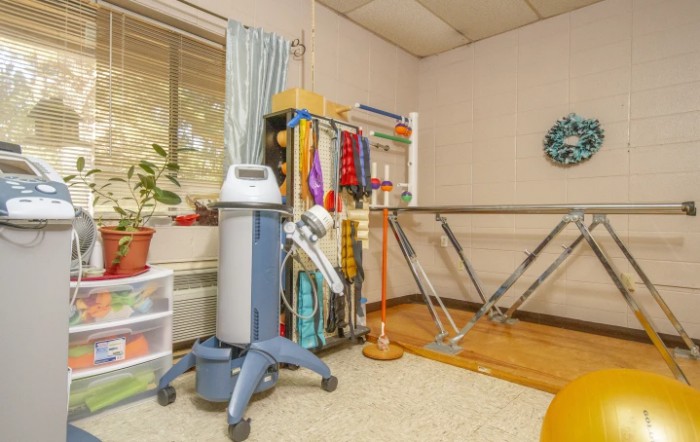
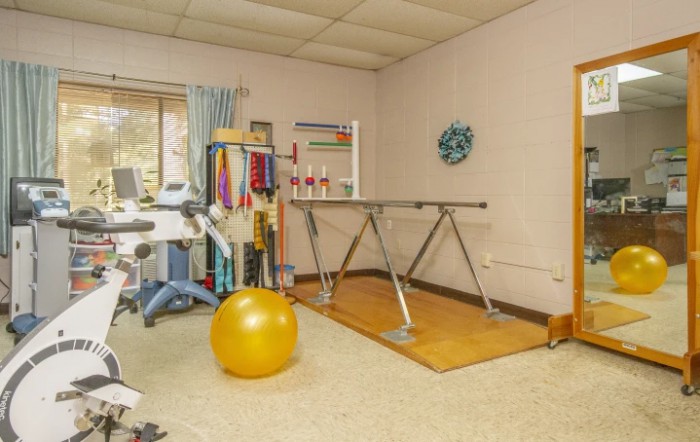
 Fitness room
 Fully furnished
 Gaming room
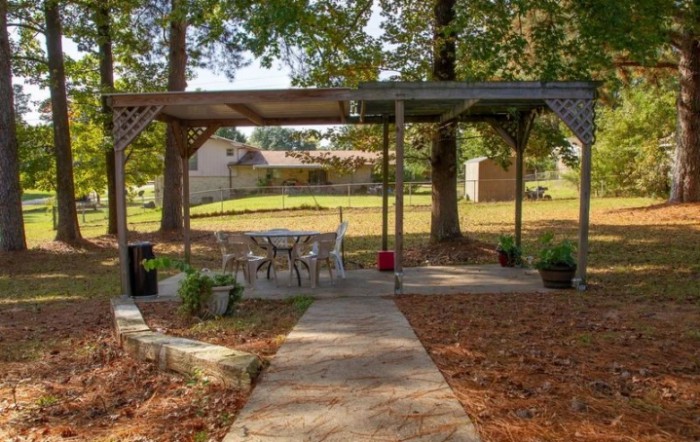
 Garden
 Housekeeping services
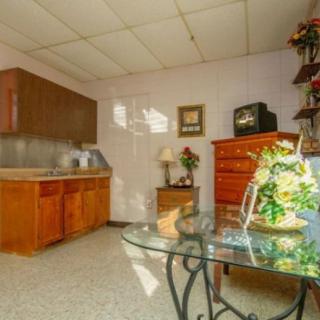
 Kitchenette
 Move-in coordination
 Outdoor space
 Private bathrooms
 Restaurant-style dining
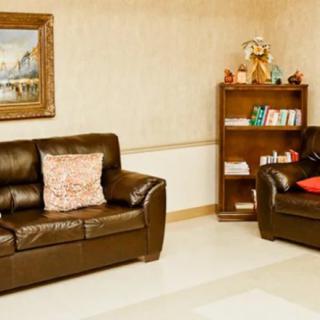
 Small library
 Telephone
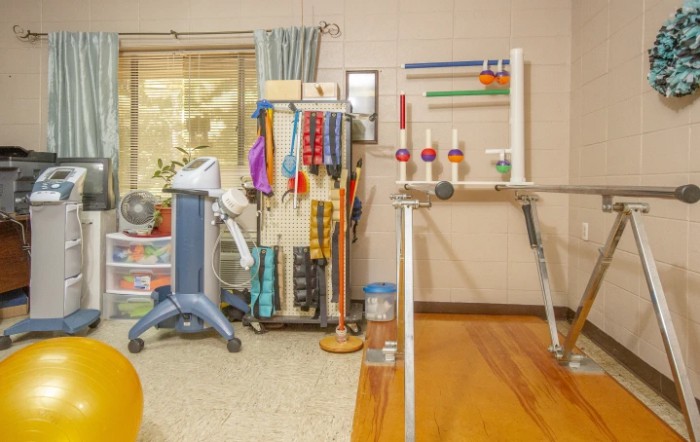
 Wellness center
 Wi-Fi/high-speed internet available
 Community operated transportation
 12-16 hour nursing
 24-hour call system
 Activities of daily living assistance
 Assistance with bathing
 Assistance with dressing
 Assistance with transfers
 Diabetes diet
 Medication management
 Mental wellness program
 Special dietary restrictions
 Concierge services
 Planned day trips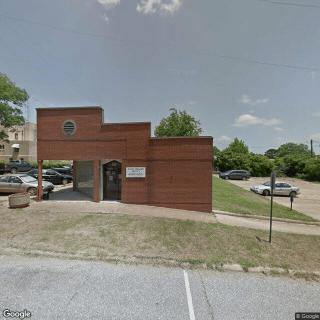
 Understanding the Nuances of Palliative Care and Hospice: A Comprehensive Exploration
 Fecal Incontinence in Older Adults: A Comprehensive Guide
 Recognizing the Journey: Understanding and Navigating Anticipatory Grief