For more information about senior living options: (866) 208-4318
3.8 from 109 reviews
5 stars
70
4 stars
6
3 stars
2
2 stars
1
1 stars
30
Overall Review of Community Compassion Center Of Searcy
caveat10 reviews mention this
Staffing and care responsiveness vary
Residents and families describe inconsistent attention and delays with care tasks.
Some reviewers say care did not feel reliably monitored, including concerns about being left in soiled conditions longer than expected and delays getting changed or checked on. Others describe staffing shortages that they believe affected fall risk and supervision, with reports of long waits and limited coverage. A few families also describe better experiences, but several accounts focus on neglect or inadequate follow-through when needs came up.
caveat9 reviews mention this
Cleanliness and odors are divisive
Reviewers’ accounts of cleanliness range from “clean every time” to severe filth concerns.
Several visitors praise the facility as clean and note good-smelling rooms when they stop by. Others report intense concerns, including mold, strong urine or feces odors, soiled rooms, and dirty linens or dishes. Taken together, reviewers describe a wide gap between what some families see on visits and what other residents or visitors experienced.
differentiator5 reviews mention this
Rehab outcomes and therapy help
Rehab and therapy are a clear focus, and multiple reviewers report meaningful progress.
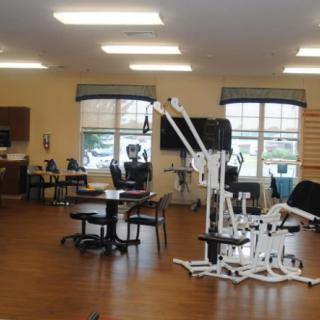
Some reviewers specifically call out rehab as exceptional and describe teams that provided more individualized attention during recovery. Others mention restorative services and therapy that supported improved mobility and diet progression after a serious event. Because the community offers skilled nursing and structured daily care supports, these rehab-centered experiences show up as one of the more consistent positive themes in the reviews.
common5 reviews mention this
Food quality and temperature split
Food is frequently mentioned, with praise for quality alongside complaints about meals.
A number of reviewers comment positively, including improved food compared to prior stays and residents who like the meals. At the same time, some descriptions say meals were underwhelming or not served at the right temperature, including reports of food being cold or difficult to eat. The community also offers restaurant-style dining, which matches why dining shows up in reviews both as a plus and a point of frustration.
common3 reviews mention this
Activities keep residents engaged
Reviewers mention activities and social time as part of day-to-day life.
Some families describe an active activity department that keeps residents involved and entertained. Others mention residents laughing, singing, and dancing, suggesting a lively routine beyond basic care. While a different review raises concerns about limited outdoor time, multiple accounts still connect the community’s scheduled activities with resident engagement.
How we summarize
Counts show how many written reviews mention each theme; a review can touch several themes, and only frequently mentioned themes are displayed.
Features
Housing
245 resident community capacity
Types of Care
Skilled Nursing Facility
Amenities
Air-conditioning
Beauty salon
Cable or satellite TV
Computer center
Dining room
Fitness room
Fully furnished
Gaming room
Garden
Housekeeping services
Kitchenette
Move-in coordination
Outdoor space
Private bathrooms
Restaurant-style dining
Small library
Telephone
Wellness center
Wi-Fi/high-speed internet available
Transportation
Community operated transportation
Transportation arrangement
Transportation arrangement (non-medical)
Transportation to doctors appointments
Care Services
12-16 hour nursing
24-hour call system
24-hour supervision
Activities of daily living assistance
Assistance with bathing
Assistance with dressing
Assistance with transfers
Diabetes diet
Meal preparation and service
Medication management
Mental wellness program
Special dietary restrictions
Dining
Diabetes diet
Special dietary restrictions
Activities
Community-sponsored activities
Concierge services
Fitness programs
Planned day trips
Resident-run activities
Scheduled daily activities
Nearby Places of Interest
This area of Searcy, Arkansas offers a convenient and diverse range of amenities for seniors looking to relocate. With several physicians, pharmacies, and hospitals in close proximity, access to healthcare services is readily available. Additionally, there are multiple places of worship for those seeking spiritual fulfillment. For recreational activities, there are parks nearby where seniors can enjoy outdoor activities and socialize with others. The area also has a variety of dining options including cafes and restaurants for residents to enjoy meals outside of their homes. Overall, this part of Searcy provides a well-rounded community with essential services and entertainment options for seniors looking to settle down in the area.
Physicians
Lab of Path PA (0.1 miles)
Searcy Medical Center (0.7 miles)
Searcy Eye Care Center (1 miles)
Central Arkansas Oral Maxillofacial Surgery (1.1 miles)
Arcare (1.2 miles)
Lowery Eye Clinic & Surgery Center (1.4 miles)
Umerah Mike C Md (1.5 miles)
Restaurants
Sonic Drive-In (0.1 miles)
Brick Oven Pizza Company of Searcy (0.5 miles)
Chillz Frozen Yogurt & Soft Serve (0.5 miles)
McDonald's (1.3 miles)
Burger King (1.3 miles)
Sonic Drive-In (1.3 miles)
Slim Chickens (1.4 miles)
Pharmacies
Stanley Pharmacy (0.2 miles)
Walmart Pharmacy (0.5 miles)
Ken's Sav-On Drug (0.5 miles)
Stanley Pharmacy Compounding Center (0.6 miles)
Unity Health-Searcy Medical Center West-Durable Medical Equipment (0.7 miles)
Lowery Drug Mart II (1.5 miles)
Clinic Drug (1.8 miles)
Places of Worship
Southern Baptist Convention (0.4 miles)
Chapel Lane Free Will Baptist Church (0.9 miles)
Searcy Church Of Nazarene (1.1 miles)
Revival Church of Searcy (1.2 miles)
Cumberland Presbyterian Church (1.3 miles)
First United Methodist Church (1.3 miles)
United Methodist Church (6.9 miles)
Parks
Searcy Parks & Recreation (1.1 miles)
Riverside Park (3.3 miles)
Beebee Ball Park (14 miles)
Cafes
Daisy's Lunchbox Cafe and Bakery (1.2 miles)
Starbucks (3.7 miles)
Nova Joe's Coffee (3.7 miles)
Hospitals
White County Medical Center (1.6 miles)
Central Arkansas Hospital (1.7 miles)
White County Medical Center South (1.7 miles)
Advanced Care Hospital of White County (1.8 miles)
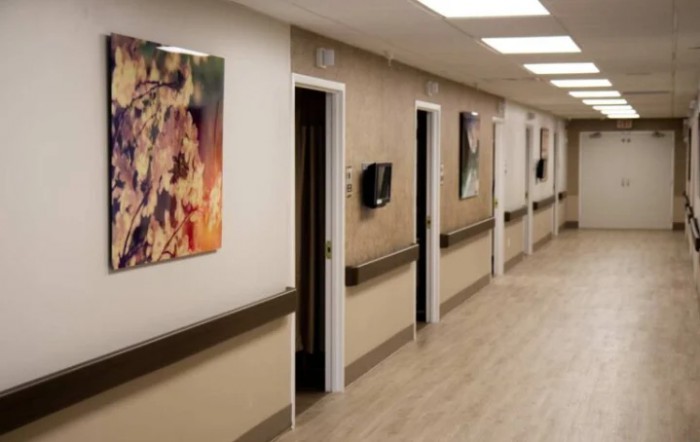
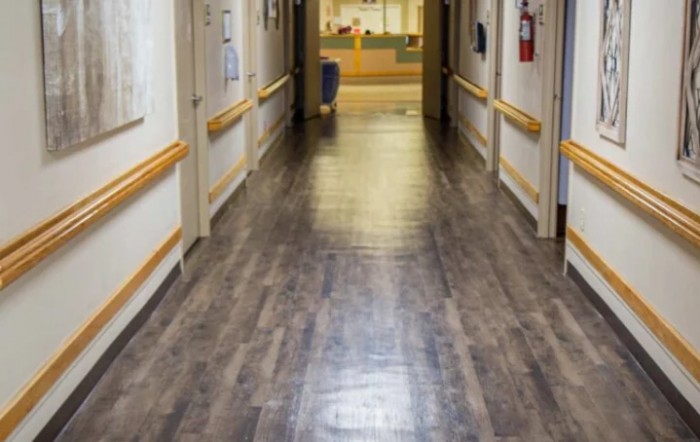
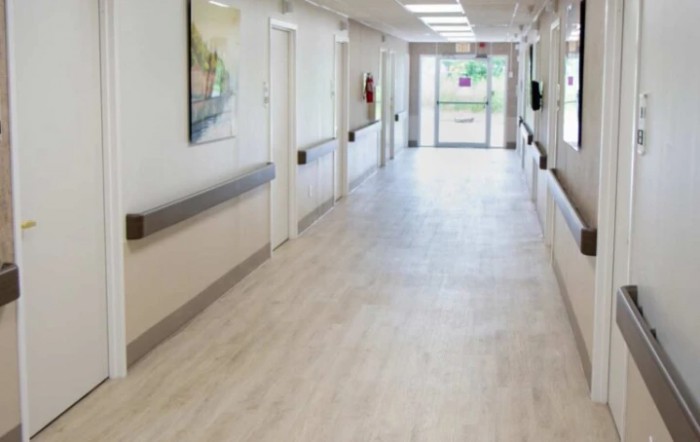
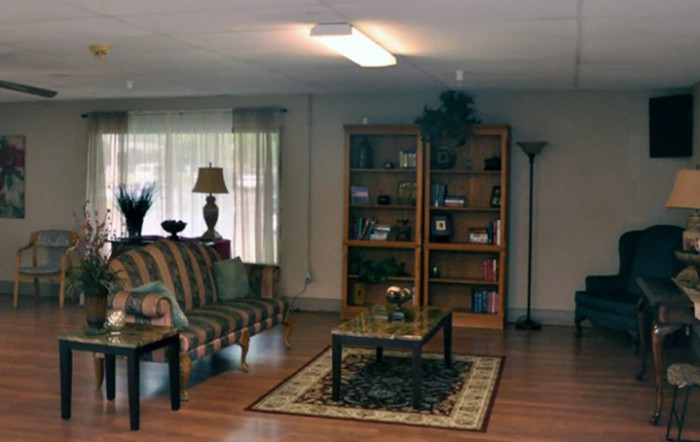
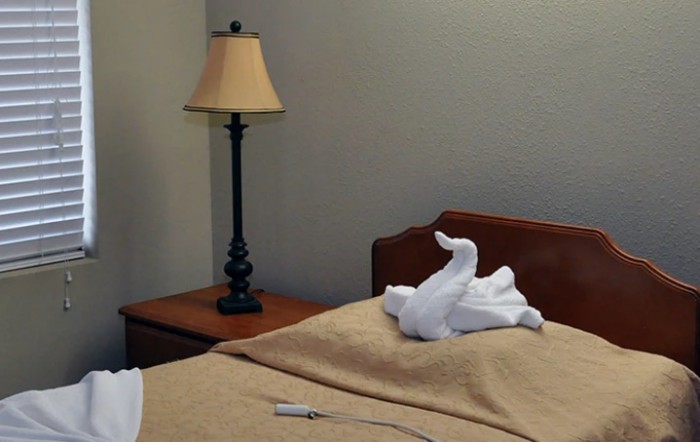
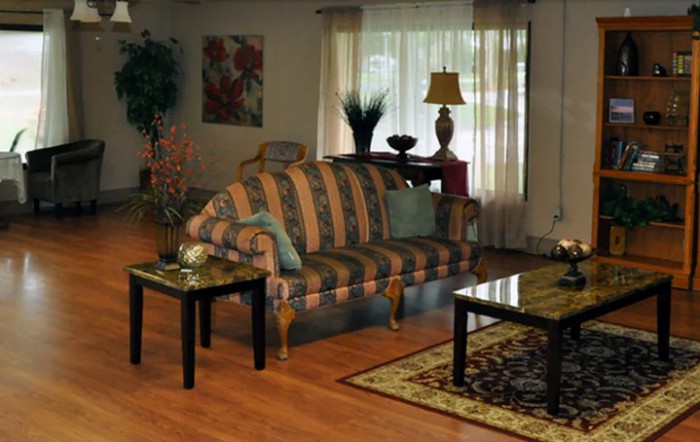
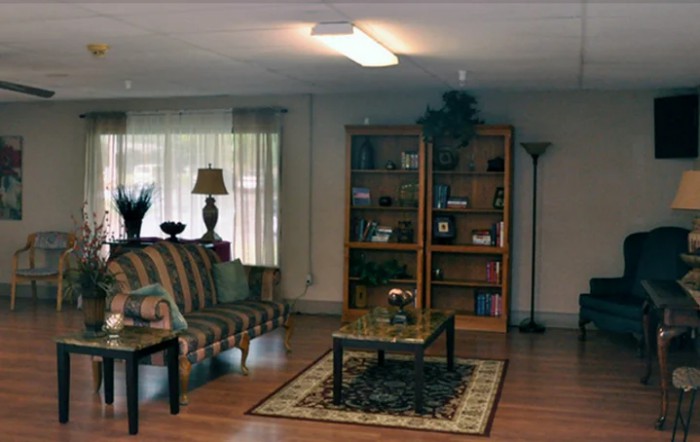
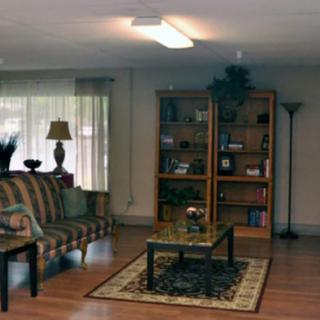
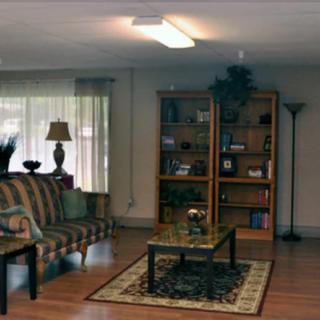
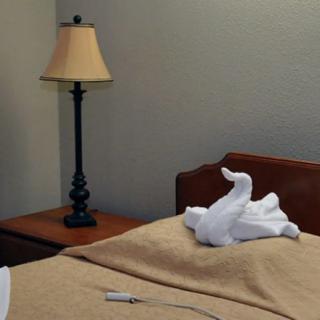
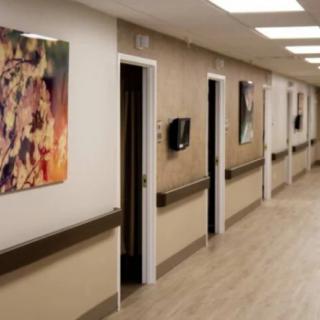
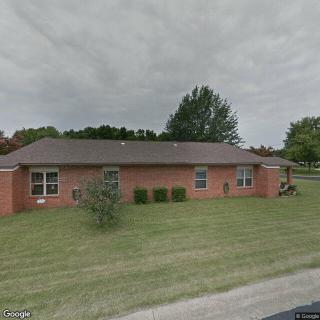
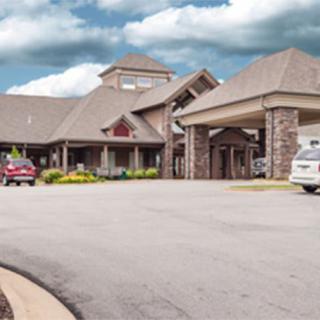
Community Compassion Center Of Searcy on seniors.fyi includes 10 photos including images showing interior, hallway, rug, decor, bedroom, living room, artwork, bookshelves, and more.
Nearby Communities
Pathfinder - Longwood
Searcy, AR
Small, personalized assisted living with diabetes-friendly meals and structured activities.
Harding Place Retirement Community
Searcy, AR
4.8 from 39 reviews
$2,180 to $3,465 / month
Caring staff, active activities, and a home-like setting.
The Crossing At Riverside Health And Rehabilitatio
Searcy, AR
3.8 from 45 reviews
Cheerful staff in a well-maintained, activity-rich facility.
Christopher Homes of Searcy
Searcy, AR
5 from 3 reviews
$500 / month
Very affordable studio price ($500/mo) with abundant nearby amenities (cafes, parks, restaurants, hospitals, transportation, worship, and entertainment).
Providence Assisted Living of Searcy
Searcy, AR
4.5 from 22 reviews
$1,233 to $5,287 / month
Attentive staff, clean environment, and engaging activities with ample amenities.
Providence PCC of Searcy
Searcy, AR
24/7 supervision with comprehensive care and ample amenities (dining, salon, library, activities).
Crestview Senior Living
Cabot, AR
4.9 from 57 reviews
$3,000 to $5,500 / month
Friendly, dedicated staff with a welcoming community and appealing amenities such as restaurant-style dining.
Lonoke Health And Rehab Center
Lonoke, AR
4.1 from 18 reviews
$4,000 / month
Extensive on-site amenities and care (24/7 supervision, medication management, restaurant-style dining, beauty salon, fitness room, transportation) in a supportive community.
Palliative care focuses on alleviating distress at any stage of a serious illness and can accompany curative treatments, while hospice care is for those nearing the end of life with a prognosis of six months or less, emphasizing comfort over curative measures. Both prioritize holistic care for patients and families but differ in timing, goals, and scope.
Fecal incontinence, prevalent among older adults, arises from factors like weakened pelvic muscles and nerve damage, significantly affecting well-being and social interactions. Diagnosis involves clinical evaluation and tests to inform tailored treatments, while caregivers and preventive measures can aid in managing the condition effectively.
Anticipatory grief is an emotional response to the impending loss of a loved one, characterized by complex emotions such as sadness and anger, and involves navigating stages similar to those identified by Kübler-Ross. Coping strategies are vital for managing this process, emphasizing compassionate communication, self-care, and support groups while recognizing the cultural influences on grieving.
Get PricingAsk A QuestionSchedule A TourContact Senior Advisor
By clicking submit, you agree to our Partner's Terms of Use. You
also consent to receive calls and texts, which may be autodialed, from our Partner. Your consent is not a condition to
using our Partner's service. Please visit our Partner's Privacy Policy for information about their privacy practices.





 245 resident community capacity
 Skilled Nursing Facility
 Air-conditioning
 Beauty salon
 Cable or satellite TV
 Computer center
 Dining room
 Fitness room
 Fully furnished
 Gaming room
 Garden
 Housekeeping services
 Kitchenette
 Move-in coordination
 Outdoor space
 Private bathrooms
 Restaurant-style dining
 Small library
 Telephone
 Wellness center
 Wi-Fi/high-speed internet available
 Community operated transportation
 12-16 hour nursing
 24-hour call system
 Activities of daily living assistance
 Assistance with bathing
 Assistance with dressing
 Assistance with transfers
 Diabetes diet
 Medication management
 Mental wellness program
 Special dietary restrictions
 Concierge services
 Planned day trips
 Small, personalized assisted living with diabetes-friendly meals and structured activities.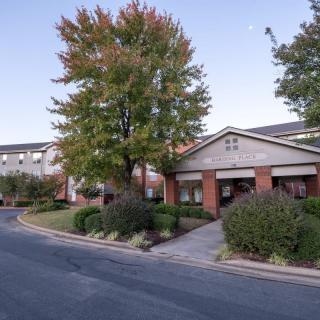


 Understanding the Nuances of Palliative Care and Hospice: A Comprehensive Exploration
 Fecal Incontinence in Older Adults: A Comprehensive Guide
 Recognizing the Journey: Understanding and Navigating Anticipatory Grief