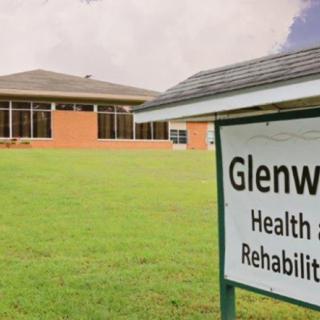
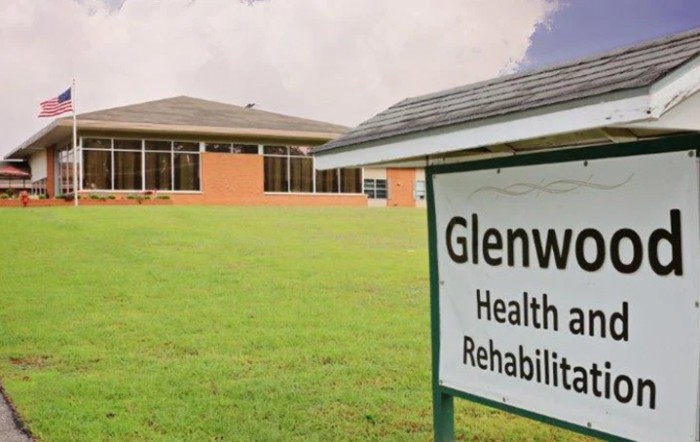
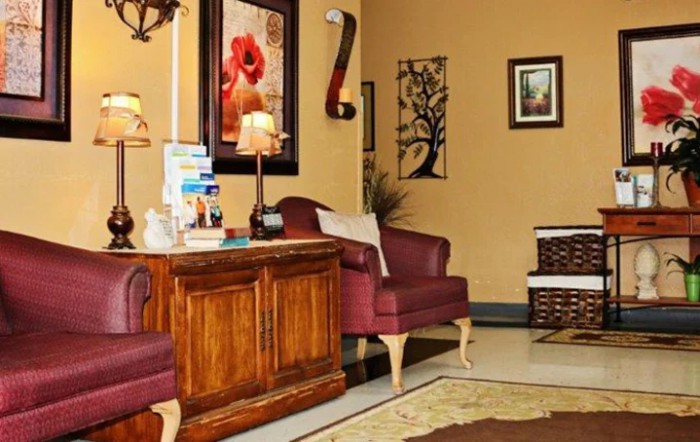
615 Mountain View Road, Glenwood, AR 71943
For more information about senior living options: (866) 208-4318
Glenwood Health And Rehabilitation Costs & Pricing
Glenwood Health and Rehabilitation offers private room accommodations at a monthly cost of $4,295, which aligns with the pricing in Pike County. This rate is slightly higher than the state average in Arkansas, where similar facilities typically charge around $4,236 per month for comparable private room options. The consistency in pricing between Glenwood and the county reflects a commitment to providing quality care within the local market, while still positioning itself just above the state average. This suggests a focus on delivering specialized services or amenities that contribute to an enhanced resident experience.
| Floor plans | Glenwood Health And Rehabilitation | Pike County | Arkansas |
|---|---|---|---|
| Private | $4,295 | $4,295 | $4,236 |
Overall Review of Glenwood Health And Rehabilitation
Pros
 They spoil residents and treat them like family, providing great care.
- The staff took excellent care of a beloved uncle and eased him into his next journey.
- The staff was caring and supportive, and he absolutely loved it there.
- Residents are treated with the utmost respect by the staff, who become like family to everyone who walks through their doors.
Cons
 It isn’t a healthy environment for the elderly, and the staff would need to go back to school to learn how to actually be caregivers.
- It’s disgusting.
- The reviewer cautions others not to use the facility.
Review
This community is best suited for families seeking a warm, family-like atmosphere where seniors are treated with genuine care and safety. It serves residents who prioritize personal attention and meaningful daily interactions, especially those preparing for rehab with the goal of returning home. In Glenwood, AR, Glenwood Health And Rehabilitation earns bulk praise for caregivers who make residents feel cherished and who stay attentive to daily well-being, providing a reassuring sense of security for family members who want eyes-on-care and dependable routines.
Those who may want to consider alternatives are families focusing on a consistently clinical, highly regimented environment, or on a facility with uniformly polished ambiance and staffing across shifts. A portion of the feedback flags a desire for stronger caregiver training and a more robust, less variable environment, suggesting that environments perceived as unhealthy or unprofessional in some shifts can overshadow otherwise solid outcomes. For families with high expectations for uniform nurse presence, streamlined operations, or a modern facility feel, exploring other options is prudent.
The strongest positives center on compassionate, almost familial engagement from staff, and on tangible safety and rehab successes. Residents are described as being treated like family, with staff who spoil their loved ones and take pride in their well-being. Rehab outcomes are highlighted as a meaningful strength, with several accounts of residents returning home successfully after therapy and of caregivers offering steady support through transitions. The consistent thread is a sense that care teams are deeply invested in residents’ comfort, dignity, and progress, which translates into reliable day-to-day reassurance for families.
Against that warmth, there are notable concerns voiced by a minority. A worrisome minority describe the environment as unhealthy or misaligned with elderly care standards, and there are calls for improved caregiver training. When these concerns surface, they underscore a real risk: variability in how care is delivered and in how consistently staff apply best practices. The tension between heartfelt, attentive moments and reports of gaps in professionalism can make choosing this community feel like balancing trust against a few red flags.
How the strengths offset the weaknesses depends on what a family prioritizes. For families who value a nurturing presence, a sense of “family away from home,” and evidence that rehab can restore independence, the pros can outweigh the cons. The same strengths, personal warmth, perceived safety, and demonstrable rehab gains, provide a compelling case for choice when the goal is emotional comfort and functional improvement. However, the occasional criticism about environment quality and training cannot be dismissed; those factors can influence daily satisfaction and overall care consistency over time.
In the end, Glenwood Health And Rehabilitation is a solid option for seniors who want a personable, attentive setting with credible rehab potential and a caregiver culture that feels like extended family. It is less ideal for families who require flawless clinical execution across all shifts or who demand a uniformly pristine environment with overt, consistent professional standards. Prospective residents should prioritize a firsthand visit, speak directly with care staff and therapy teams, and verify staffing patterns and training commitments. If those conversations reaffirm strong, compassionate practice and clear pathways to rehab success, this community can be a trusted home; if not, alternative options with a steadier clinical cadence and environment may better fit the needs at hand.
 80 resident community capacity
 Skilled Nursing Facility
 Air-conditioning
 Beauty salon
 Cable or satellite TV
 Computer center
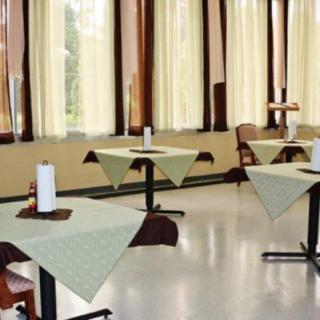
 Dining room
 Fitness room
 Fully furnished
 Gaming room
 Garden
 Housekeeping services
 Kitchenette
 Move-in coordination
 Outdoor space
 Private bathrooms
 Restaurant-style dining
 Small library
 Telephone
 Wellness center
 Wi-Fi/high-speed internet available
 Community operated transportation
 12-16 hour nursing
 24-hour call system
 Activities of daily living assistance
 Assistance with bathing
 Assistance with dressing
 Assistance with transfers
 Diabetes diet
 Medication management
 Mental wellness program
 Special dietary restrictions
 Concierge services
 Planned day trips



 6 Crucial Ways an Elder Law Attorney Assists Families
 Navigating the Tax Landscape of Caregiving: Credits, Deductions, and Beyond
 Highly Beneficial Low-Impact Exercises for Senior Living Residents