Prestige Care And Rehabilitation Center Of Anchorage

Save

  • Interior

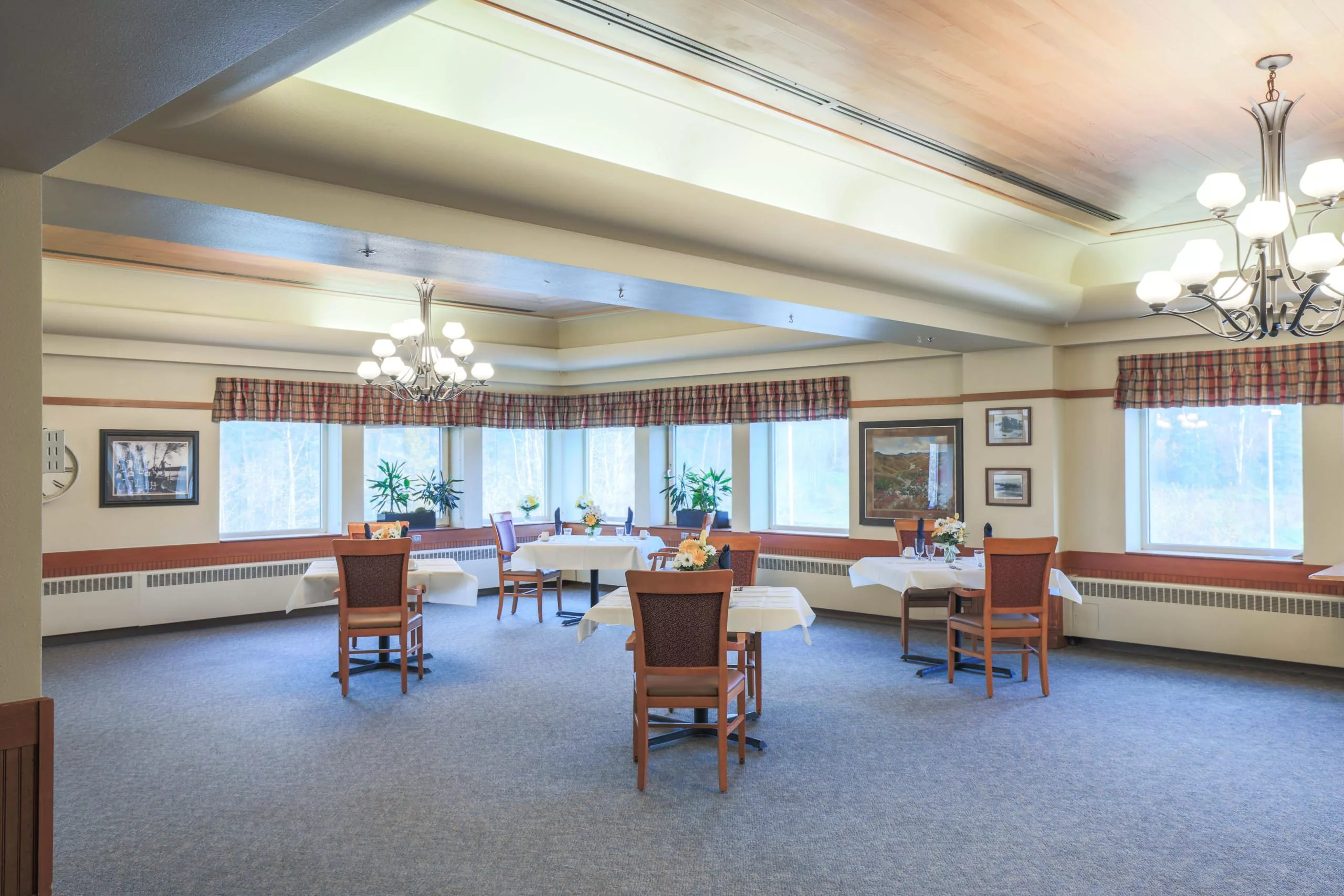
    A spacious dining room with several tables and chairs, large windows, and plants decorating the space.
  • Decor

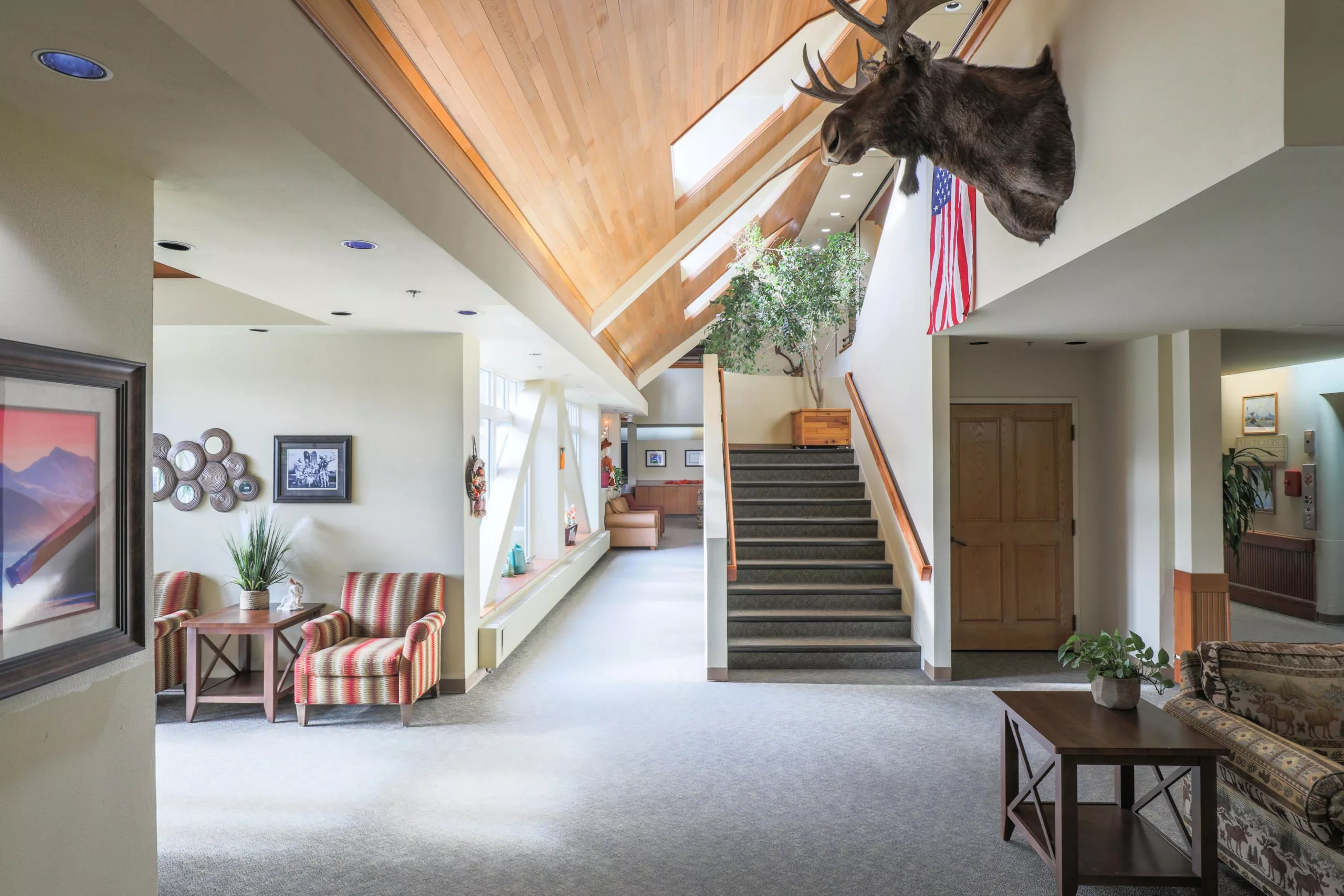
    A well-lit lobby area featuring a staircase, wood ceiling, and moose head decor.
  • Building

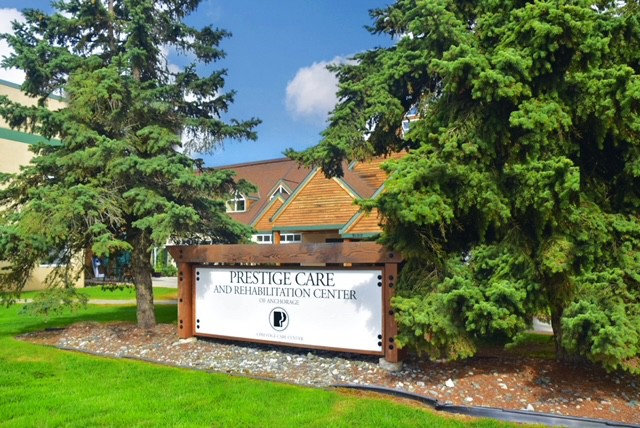
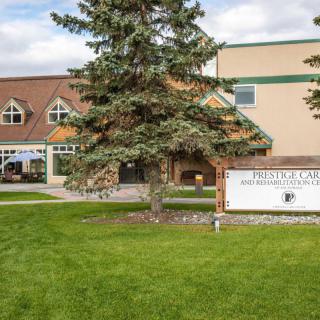
    A sign for a senior care center surrounded by trees and greenery under a clear blue sky.
  • Bedroom

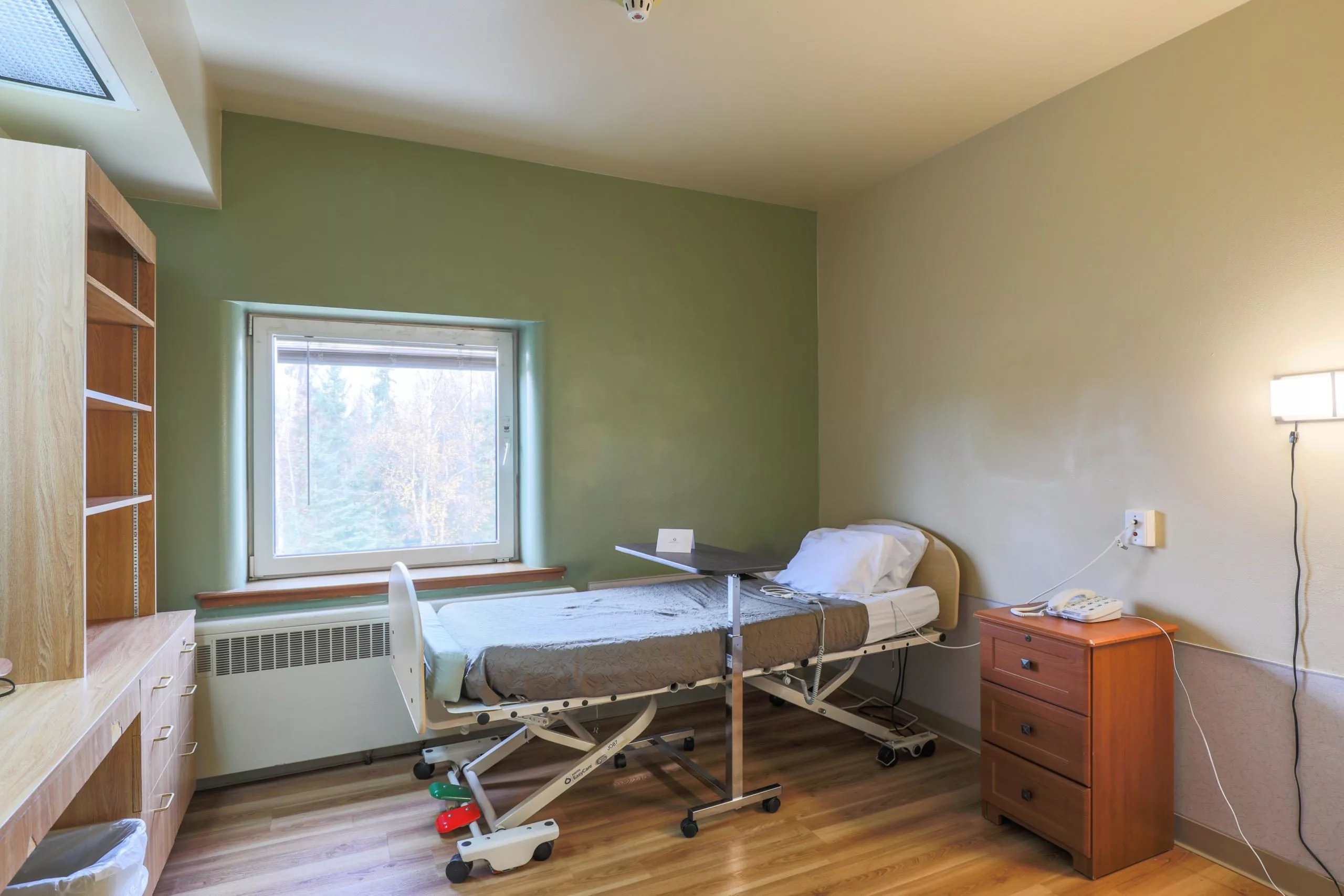
    A hospital room with a single adjustable bed and a small bedside table.
  • Trees

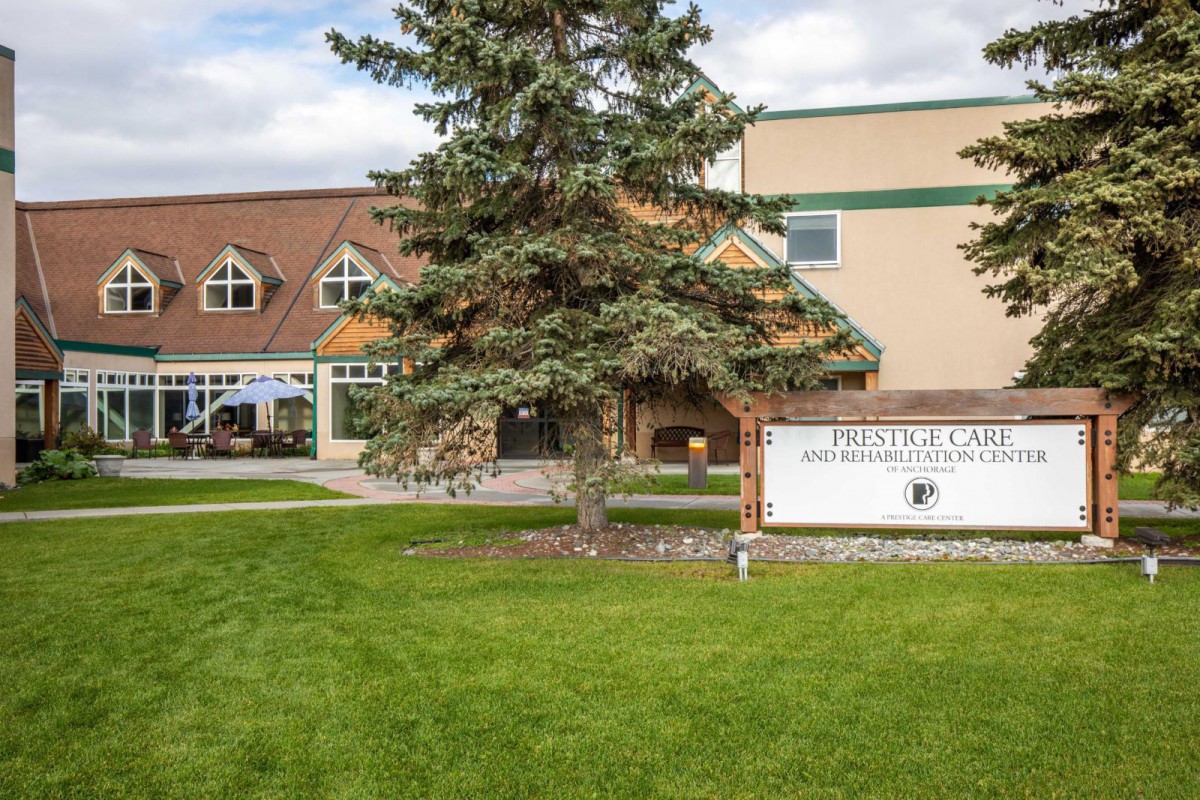
    A school building with a sign outside, surrounded by trees and grass.
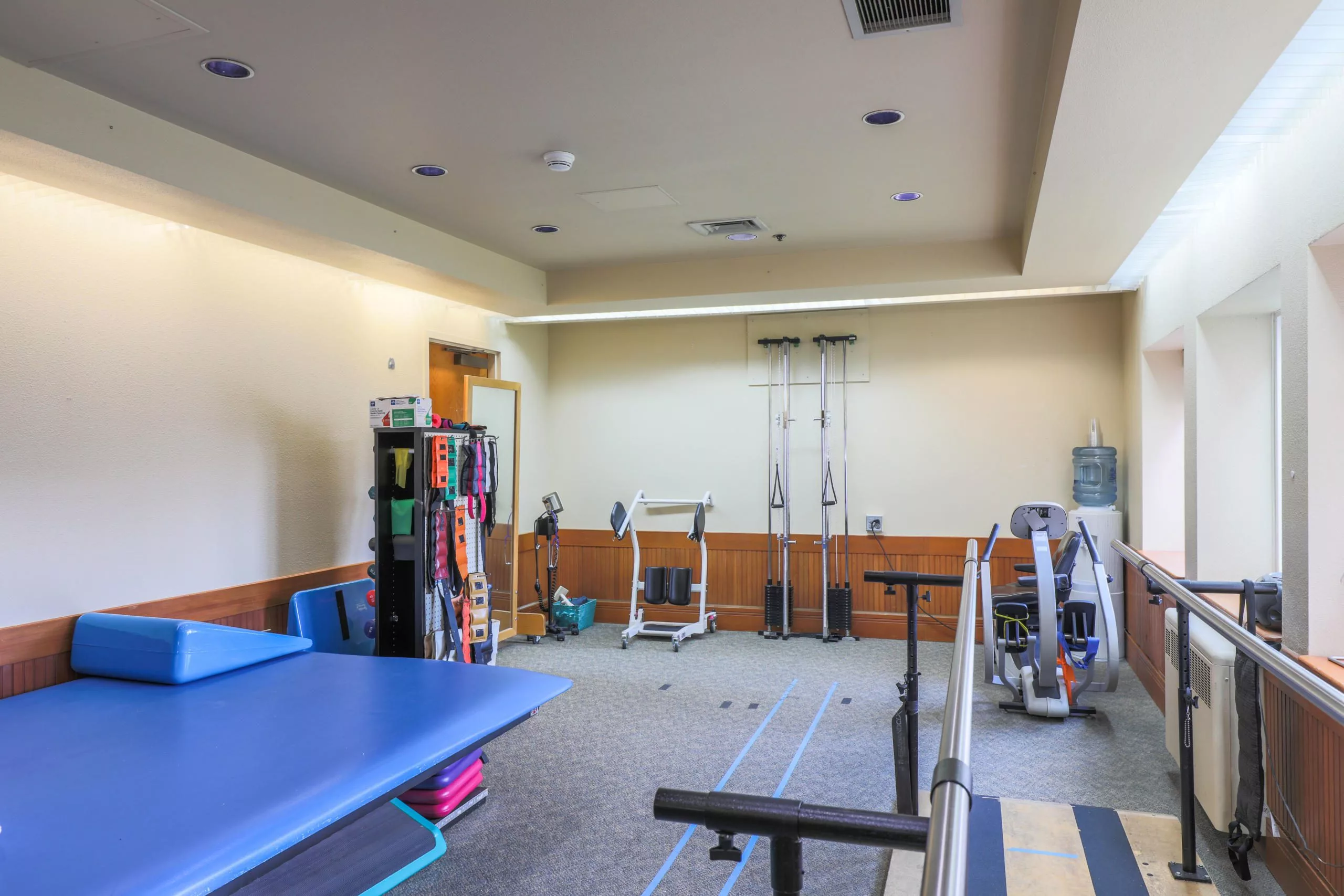
  • Exercise Equipment

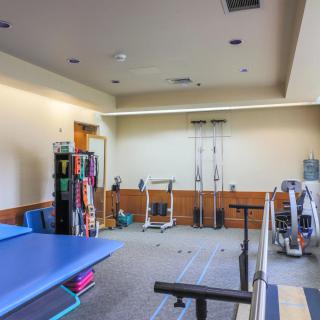
    A physical therapy room equipped with various exercise and rehabilitation tools.

Prestige Care And Rehabilitation Center Of Anchorage

9100 Centennial Circle, Anchorage, AK 99504

For more information about senior living options: (844) 490-3973

2.8 from 30 reviews
5 stars
11
4 stars
2
3 stars
1
2 stars
3
1 stars
13

Skilled Nursing Facility

Overall Review of Prestige Care And Rehabilitation Center Of Anchorage

Pros

  • pro The staff is very caring.
  • pro Diane, the Social Services manager, went above and beyond, staying late and even coming in on her day off to help.
  • pro Centennial provided transportation to multiple doctor appointments, which was a Godsend for the patient with significant mobility issues.
  • pro The staff at the facility really works hard.
  • pro The front desk staff were helpful, coordinating all transport, and the van driver was wonderful.
  • pro The doctor at Centennial impressed the reviewer with his time and care.

Cons

  • pro The staff are described as uncaring who do not take patients' symptoms seriously, sometimes with fatal outcomes.
  • pro Nurses are labeled as glorified CNAs who don't provide adequate care.
  • pro The facility allegedly failed to diagnose sepsis and pneumonia, contributing to a patient's death.
  • pro There are reports of resident abuse that administrators did not reprimand or address.
  • pro Safety is severely lacking: no bed alarms, outdated fire systems, too few staff, and no evacuation drills.
  • pro Discharging disoriented elderly patients home without proper follow-up care after medication changes is deemed dangerous.
  • pro Hygiene and infection control are questioned, including improper handwashing and lack of gloves by staff.

Review

There's a striking and unsettling mix of experiences captured in the stories people shared about these facilities. On one hand, there are glowing memories of compassionate, proactive care and staff who went the extra mile to keep a loved one safe and supported. On the other, there are devastating accounts of neglect, miscommunication, and safety failures that culminated in serious harm and, in at least one case, death. Together, they paint a portrait of a place where care quality seems to swing dramatically from one day to the next, and where the difference between a good outcome and a tragic one often hinges on who is on shift, what leadership is present, and how thoroughly concerns are listened to and acted upon.

Several reviewers praised Centennial for the humanity and dedication of its people. They spoke highly of the staff as a whole, noting that the team was consistently caring and attentive. A nurse practitioner or doctor was described as generous with time and attention, and a particular social services manager - Diane - was singled out for almost heroic responsiveness. She reportedly stayed late, even came in on her day off, and went to great lengths to obtain information from physicians to coordinate home care after discharge. The transport services were described as a lifeline for a patient with significant mobility challenges, and the physical therapy team was recognized for diligent, thorough work. The front desk and van drivers were also mentioned in positive terms for their coordination and supportive demeanor. In short, there are vivid stories of staff members who truly try to make the path through care and recovery smoother for families and patients.

Yet, courted by those moments of praise are deeply troubling reflections about the same facility and others in the same network. Several reviewers openly asked how a place could still be open after the kind of experiences they described. One account warned families to avoid Centennial if a loved one requires specialized post-surgical care, especially after discharge. Another commenter urged urgent investigation after warning that a mother-in-law needed to be removed from Centennial as quickly as possible. Taken together, these voices suggest that for every patient who experiences kindness and competence, there may be others who encounter delayed responses, gaps in care, and fear about what happens when care needs escalate.

The most searing accounts center on a grandmother who spent nearly two months in a facility before dying there. The family described a cascade of concerns: a patient who could not eat or drink properly yet was treated with standard medications and generic advice to simply increase protein drinks and switch to soft foods; a failure to respond to worsening symptoms that should have triggered a more urgent evaluation; and ultimately a death from sepsis and organ failure that the family felt should have been caught earlier. The narrative questions whether the nurses truly understood her symptoms, whether proper infections were being prevented, and whether basic hygiene and safety practices - handwashing, glove use, masks when needed - were consistently observed. The family's frustration culminated in sweeping accusations about the quality of care, including suspicions about the nursing staff's attentiveness and concern for the patient's well-being, and a belief that the health crisis could have been prevented with better diagnosis and timely treatment.

In addition to concerns about medical care, this set of reviews highlights frightening gaps in safety, policy, and procedure. A long, grave section of one review described an evacuation readiness problem: outdated fire safety equipment, a lack of practical drills, empty or poorly equipped stairwells, and maintenance issues with electrical systems that would worry any parent or guardian about how residents would fare in a real emergency. The reviewer described a "tragedy waiting to happen" scenario and recounted a distressing history of alleged resident abuse, with claims that management did not take the concerns seriously enough to discipline an accused staff member. The maintenance and safety issues are presented as a structural risk, not just isolated incidents, and they are paired with broader concerns about staffing levels and the adequacy of resident supervision.

The Anchorage facility, Prestige, is described by many reviewers through a similarly mixed lens. One account begins with a stark Day 1 warning: a hospice patient being placed in a setting that did not feel safe, highlighting a lack of appropriate care and dignity during a critical period. The severity of some complaints intensified when a patient on hospice was discharged after an IV medication was removed without doctor or family consultation, leaving the patient at home in high-risk conditions with insufficient follow-up. Accusations about disrespectful, disorganized communication and potentially dangerous non-communication protocols followed, and the patient ended up back in the hospital the next day. These stories underscore the heavy consequences that can arise from poor information flow and a failure to anticipate or address emergencies in real time.

Despite these alarming accounts, there are notes that some staff members at Prestige were diligent, compassionate, and hardworking. Reviewers acknowledged that nurses could deliver excellent care and that physical therapy and occupational therapy staff were committed to helping residents improve. Some aspects of the facility - such as religious services and a willingness to provide meaningful activities - are mentioned as positive touches that help residents maintain dignity and connection to their communities. There are also pragmatic observations about routine activities that can be meaningful in a rehab or long-term care setting, including the opportunity to engage in workouts and therapies and certain amenities like Wi-Fi. But even these relatively neutral or mildly positive observations sit within a larger context of concerns about staffing adequacy, responsiveness to requests, and the overall ratio of caregivers to residents.

The broader thread connecting these experiences is the stark disparity between moments of genuine care and scenes of neglect or confusion. Families describe staff who are deeply committed and others who appear overwhelmed, under-resourced, or inadequately supervised. The same hospital-like setting that can offer on-point clinical attention and a supportive social worker can also become a space where critical symptoms go unaddressed, where changes in a patient's condition aren't escalated promptly, and where communication gaps lead to truly dangerous situations. In several reviews, the heart of the issue isn't necessarily a single bad actor but a system that fluctuates between best practices and serious oversights - sometimes within the same facility, across different shifts, or across different departments.

For families navigating these waters, the takeaway is complicated but important. Personal experiences vary dramatically, and a single story can capture extraordinary care on one day and alarming lapses the next. Prospective patients and their families are advised to listen to a broad spectrum of experiences, visit facilities with questions ready about safety drills, hand hygiene protocols, infection control, and discharge planning, and to seek direct conversations with care teams about how emergencies and hospice needs will be handled. If there is a choice, asking about nurse-to-patient ratios, the process for escalating concerns, and the transparency of management in addressing complaints can provide essential clarity before consent and admission. In the end, the goal remains the same: to have a care environment where compassion, safety, and competent medical attention are consistently prioritized for every resident, every day.

Features

Housing

  • 21 resident community capacity 21 resident community capacity

Types of Care

  • Skilled Nursing Facility Skilled Nursing FacilitySkilled Nursing Facilities are crucial for seniors as they provide round-the-clock medical care, rehabilitation services, and assistance with daily activities. These facilities ensure that seniors receive the specialized care they need to maintain their health and well-being as they age.

Amenities

  • Beauty salon Beauty salonBeauty salons are important for seniors because they provide a space for them to feel pampered, socialize, and maintain their personal grooming and hygiene. Regular visits to a beauty salon can help boost seniors' self-esteem and overall well-being.
  • Cable or satellite TV Cable or satellite TVCable or satellite TV is important for seniors because it provides entertainment, news, and companionship, helping to combat loneliness and boredom. It also offers a wide range of programming options tailored to different interests and preferences.
  • Dining room Dining roomDining rooms are important for seniors as they provide a space for socialization, connection, and nutritious meals. They offer opportunities for residents to bond over shared meals, foster a sense of community, and promote healthy eating habits. Dining rooms also ensure that seniors have access to well-balanced meals tailored to their dietary needs and preferences.
  • Fully furnished Fully furnishedFully furnished senior living communities are important for seniors because they provide convenience, comfort, and a hassle-free moving experience. Seniors can easily settle into their new living space without the stress of having to buy and move furniture. This allows them to focus on enjoying their new home and community.
  • Garden GardenGardens are important for seniors as they provide a peaceful and therapeutic environment for relaxation, physical activity, and socialization. Being in nature has been shown to reduce stress, improve mood, and promote overall well-being. Gardens also offer opportunities for seniors to engage in gardening activities, which can improve mobility, flexibility, and cognitive function. Additionally, gardens create a sense of community and connection with others who share a passion for plants and outdoor spaces.
  • Housekeeping services Housekeeping servicesHousekeeping services are important for seniors because they help maintain a clean and safe living environment, promote independence, and reduce the risk of accidents or illnesses. Additionally, having assistance with household chores can alleviate physical strain and allow seniors to focus on other aspects of their well-being.
  • Kitchenette KitchenetteKitchenettes are important for seniors living in senior living communities because they provide the convenience and independence of being able to prepare simple meals and snacks in the comfort of their own living space. This can help promote a sense of autonomy and well-being for seniors, allowing them to maintain some level of control over their dietary choices and daily routines.
  • Move-in coordination Move-in coordinationMove-in coordination is important for seniors because it helps ease the transition into their new living environment. It ensures that all logistics, such as packing, organizing movers, and setting up utilities are taken care of, allowing seniors to focus on settling in and adjusting to their new home. Having a smooth move-in process can alleviate stress and anxiety, making the transition smoother and more enjoyable for seniors.
  • Outdoor space Outdoor spaceOutdoor spaces are important for seniors as they provide opportunities for physical activity, social interaction, exposure to natural light and fresh air, and a sense of connection to nature. Having access to outdoor spaces can improve overall well-being and quality of life for older adults living in senior communities.
  • Telephone TelephoneTelephones are important for seniors as they provide a lifeline for communication with loved ones, emergency services, and healthcare providers. They offer a sense of security and independence, enabling seniors to stay connected and access assistance when needed.
  • Wi-Fi/high-speed internet available Wi-Fi/high-speed internet availableWi-Fi/high-speed internet is important for seniors to stay connected with loved ones, access online resources, and participate in virtual activities to combat feelings of loneliness and isolation. It also allows them to easily manage healthcare needs, access entertainment, and engage in lifelong learning opportunities.

Transportation

  • Ted Stevens Anchorage International (10 miles away) Ted Stevens Anchorage International (10 miles away)

Care Services

  • 24-hour call system 24-hour call system24-hour call systems are important for seniors because they provide peace of mind and immediate assistance in case of emergencies. This technology ensures that help is always available, promoting safety and security for elderly individuals living alone or in assisted living facilities.
  • 24-hour supervision 24-hour supervision24-hour supervision is important for seniors to ensure their safety, well-being, and access to immediate assistance in case of emergencies or health issues. This constant support provides peace of mind for both seniors and their loved ones, allowing them to age in place with dignity and security.
  • Activities of daily living assistance Activities of daily living assistanceActivities of daily living assistance are important for seniors because they provide essential support with tasks such as eating, bathing, dressing, and mobility. This assistance helps seniors maintain their independence, dignity, and overall quality of life as they age.
  • Assistance with bathing Assistance with bathingAssistance with bathing is crucial for seniors as it helps maintain personal hygiene, prevents infections, and ensures their overall well-being and comfort. It also provides a sense of dignity and independence for seniors who may struggle with this task on their own.
  • Assistance with dressing Assistance with dressingAssistance with dressing is important for seniors because it helps maintain their independence, promotes personal hygiene, prevents accidents and injuries, and improves overall quality of life. This service ensures that seniors can continue to dress comfortably and confidently, despite any physical limitations they may have.
  • Assistance with transfers Assistance with transfersAssistance with transfers is crucial for seniors as it helps prevent falls and injuries, maintains their independence, and ensures they can safely navigate their living environment. It also provides peace of mind for both seniors and their loved ones.
  • Coordination with health care providers Coordination with health care providersCoordination with health care providers is crucial for seniors to ensure proper medical care, medication management, and overall well-being. This collaboration helps prevent overlapping treatments, track progress more effectively, and provide comprehensive support tailored to individual needs.
  • Diabetes diet Diabetes dietA diabetes diet is crucial for seniors as it helps manage blood sugar levels, reduce risks of complications, and improve overall health and well-being. By following a balanced and nutritious diet tailored to their specific needs, seniors can better control their diabetes and enhance their quality of life.
  • Meal preparation and service Meal preparation and serviceMeal preparation and service are crucial for seniors as they may have limited mobility or energy to cook nutritious meals. Having access to healthy and convenient food options can ensure they are getting the proper nutrition needed to maintain their overall health and well-being.
  • Medication management Medication managementMedication management is crucial for seniors to ensure they are taking the right medications at the correct dosages and times. This helps prevent adverse drug interactions, reduces the risk of medication errors, and promotes overall health and well-being. Proactive management also allows for adjustments as needed based on changing health conditions or new prescriptions.
  • Mental wellness program Mental wellness programMental wellness programs are essential for seniors as they promote cognitive stimulation, emotional support, and social engagement. These programs help prevent isolation, depression, and cognitive decline, ultimately enhancing the overall quality of life for older adults.
  • Special dietary restrictions Special dietary restrictionsSpecial dietary restrictions are important for seniors because age-related changes in metabolism and health conditions can make it difficult for their bodies to process certain foods. By following a diet tailored to their specific needs, seniors can maintain their overall health and well-being, manage chronic conditions, and reduce the risk of complications such as malnutrition or food interactions with medications.
  • Transportation arrangement (medical) Transportation arrangement (medical)Transportation arrangements for medical purposes are essential for seniors as they may have difficulty driving themselves to appointments or accessing public transportation. Having reliable and safe transportation options ensures that seniors can receive timely medical care and maintain their health and well-being.
  • Transportation to doctors appointments Transportation to doctors appointmentsTransportation to doctors' appointments is crucial for seniors as it ensures they have access to necessary medical care and support for their health needs. Without reliable transportation, seniors may struggle to attend important appointments, leading to potential delays in treatment and health complications. Providing transportation services helps seniors maintain their overall well-being and quality of life.
Dining

  • Diabetes diet Diabetes dietA diabetes diet is crucial for seniors as it helps manage blood sugar levels, reduce risks of complications, and improve overall health and well-being. By following a balanced and nutritious diet tailored to their specific needs, seniors can better control their diabetes and enhance their quality of life.
  • Special dietary restrictions Special dietary restrictionsSpecial dietary restrictions are important for seniors because age-related changes in metabolism and health conditions can make it difficult for their bodies to process certain foods. By following a diet tailored to their specific needs, seniors can maintain their overall health and well-being, manage chronic conditions, and reduce the risk of complications such as malnutrition or food interactions with medications.

Activities

  • Community-sponsored activities Community-sponsored activitiesCommunity-sponsored activities are important for seniors as they provide opportunities for social interaction, mental stimulation, and physical activity. These activities can help improve overall well-being, combat loneliness and isolation, and promote a sense of belonging and purpose among older adults.
  • Resident-run activities Resident-run activitiesResident-run activities are important for seniors as they encourage social interaction, creativity, and a sense of autonomy. These activities empower seniors to stay engaged and active in their community while fostering meaningful connections with their peers.
  • Scheduled daily activities Scheduled daily activitiesScheduled daily activities are important for seniors because they provide structure, socialization, mental stimulation, and physical activity. Engaging in regular activities can improve overall well-being and quality of life for seniors living in a community setting.

Description

Prestige Care And Rehabilitation Center Of Anchorage is an assisted living community located in Anchorage, AK. Residents at this facility can enjoy a range of amenities including cable or satellite TV, a dining room, and fully furnished accommodations. The community also provides housekeeping services and offers residents access to outdoor spaces such as gardens. Each unit is equipped with a kitchenette, telephone, and Wi-Fi/high-speed internet.

Care services provided at Prestige Care And Rehabilitation Center Of Anchorage are designed to meet the individual needs of each resident. The dedicated staff offers 24-hour supervision and assistance with activities of daily living such as bathing, dressing, and transfers. They also coordinate with healthcare providers to ensure residents receive the necessary care. Special attention is given to individuals with diabetes or specific dietary restrictions, with meals prepared according to their needs.

Residents can participate in various activities organized by the community or run by fellow residents themselves. There are scheduled daily activities that cater to different interests and hobbies. For those who wish to explore the surrounding area, there are several cafes, parks, pharmacies, restaurants, hospitals, places of worship, theaters nearby.

At Prestige Care And Rehabilitation Center Of Anchorage, the focus is on providing personalized care in a comfortable and supportive environment.

Nearby Places of Interest

Restaurants

  • McDonald's (0.6 miles)
  • Pita Pit (Tikhatnu Muldoon) (0.9 miles)
  • Raising Cane's Chicken Fingers (0.9 miles)
  • McDonald's (0.9 miles)
  • Panda Express (0.9 miles)
  • Ronnie 2 (1 miles)
  • Arby's (1.1 miles)

Theaters

  • Regal Tikahtnu IMAX & RPX (0.9 miles)

Pharmacies

  • CVS Pharmacy (1 miles)
  • Walgreens (1.4 miles)
  • Allegiance Health Care (3.6 miles)
  • Ivy Home Infusions (3.9 miles)
  • Providence Health Park Pharmacy (4.5 miles)

Hospitals

  • Alaska Department Of Veterans Affairs - VA Hospital (1 miles)
  • Alaska Va Healthcare System (1.1 miles)
  • JBER Hospital (1.2 miles)
  • JBER Dental Clinic (1.2 miles)
  • North Star Behavioral Health System Hospital (3.4 miles)
  • Hall, Meghan - Coalition Health Center (4 miles)
  • ANMC Fireweed Building (4 miles)

Cafes

  • Starbucks (1.1 miles)
  • CaffĂ© D'arte Alaska (2.1 miles)
  • Kaladi Brothers Coffee (3.3 miles)
  • Arctic Grounds Coffee Company (3.3 miles)

Physicians

  • VA MEDICAL Center-ANCHORAGE (1.1 miles)
  • JBER Orthopedic Clinic (1.2 miles)
  • Alaska Commons Surgery Center (1.6 miles)
  • Mountain View Health Center (3.3 miles)
  • John Baptist Dekeyser (3.7 miles)
  • University Imaging Center (3.8 miles)
  • Pioneer GI Clinic (3.8 miles)

Places of Worship

  • St Innocent Russian Orthodox Cathedral (1.4 miles)
  • Anchorage Baptist Temple (2.5 miles)

Parks

  • Little Dipper Park (2.4 miles)
  • The Polar Bear Park (2.7 miles)
  • Castle Heights Park (3.8 miles)

Transportation

  • Elmendorf Airport (EDF) (3.1 miles)
  • Elmendorf Flight Line (3.7 miles)

Frequently Asked Questions

Where is Prestige Care And Rehabilitation Center Of Anchorage?
What photos are available for Prestige Care And Rehabilitation Center Of Anchorage in Anchorage, Alaska?

Nearby Communities

  • Robert W Rude Housing Center

    Robert W Rude Housing Center

    Anchorage, AK

    3.7 from 3 reviews
     

    pro Strong sense of community with on-site activities and specialized diabetic care.

  • Padre Pio Assisted Living Home

    Padre Pio Assisted Living Home

    Anchorage, AK

    4.7 from 14 reviews
     

    pro Homelike setting with 24/7 supervision, ADL support, and diabetes-friendly meals.

  • Hearts And Hands Of Care III

    Hearts And Hands Of Care III

    Anchorage, AK

    4.9 from 18 reviews
     

    pro Small, homelike board-and-care with 24/7 supervision, ADL assistance, diabetes-friendly meals, and coordinated transportation.

  • Parker Too Alh

    Parker Too Alh

    Anchorage, AK

    4 from 4 reviews
     

    pro Small, intimate board-and-care setting offering personalized care, meals, and coordination services.

  • Quality And Quantity Care Services

    Quality And Quantity Care Services

    Anchorage, AK

    5 from 3 reviews
     

    pro 24/7 care with furnished spaces and housekeeping.

  • Arc Melody Place

    Arc Melody Place

    Anchorage, AK


    pro Personalized assisted living with 24/7 supervision and comprehensive ADL support.

  • Aspen Creek

    Aspen Creek

    Anchorage, AK

    4.7 from 64 reviews
    $6,200 to $7,500 / month

    pro Friendly, attentive staff in a beautiful, well-maintained facility with engaging activities.

  • Northern Comfort

    Northern Comfort

    Wasilla, AK


    pro Small, intimate setting with 24/7 supervision and personalized care.

Skilled Nursing Facility in Nearby Cities

Related Resources

  • how to pay for nursing homeNavigating the Financial Road to Nursing Home Care: In-Depth Guidance and Resources

    The article offers detailed guidance on the financial complexities of nursing home care, covering costs, payment methods, and alternative funding strategies while emphasizing the importance of proactive planning and legal considerations for individuals and families making care decisions.

  • caregiver benefitsSupportive Employee Benefits That Help Caregivers Attain Better Work-Life Harmony

    The article emphasizes the critical role of supportive employee benefits for caregivers, advocating for flexible scheduling, paid leave, and mental health services to ease their challenges while enhancing employee well-being and organizational loyalty. It also highlights the importance of strong leadership in promoting these initiatives to foster a sustainable workplace culture that values caregivers.

  • best car for seniorsTop Cars for Senior Drivers and Essential Safety Innovations
    Senior drivers prioritize comfort, safety, and ease of use in vehicles due to age-related challenges, seeking features like easy entry, clear visibility, and modern driver-assistance technologies. Recommended models include the Subaru Forester, Honda CR-V, and Toyota Camry, with emphasis on test-driving for personal comfort and evaluating crash-test ratings alongside insurance considerations.