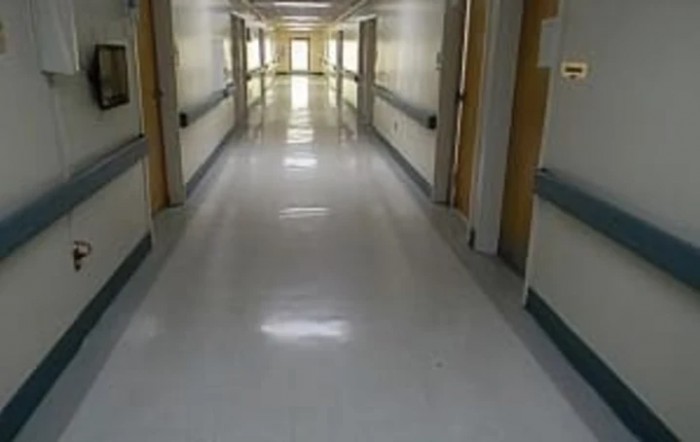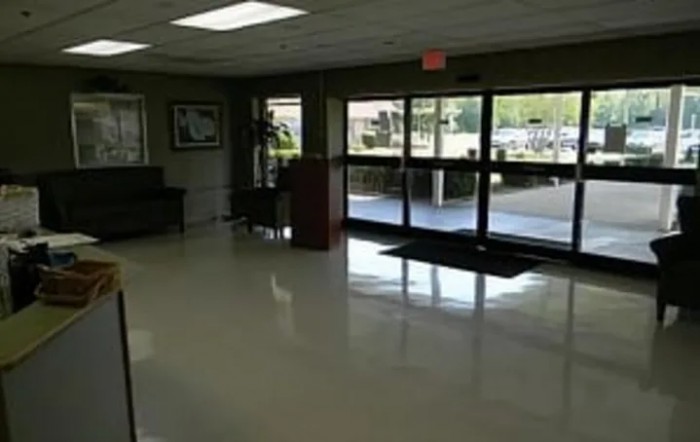











11 Bell Road, Selma, AL 36701
For more information about senior living options: (866) 208-4318
Overall Review of Blue Ridge Healthcare Selma
Pros
 The staff were welcoming and helpful to the resident and family.
- The staff were polite, on their jobs, and actively engaged with patients.
- The facility provided a clean, well-located room and was accommodating to the resident’s needs.
- They offered several programs for residents and provided rehab for various conditions.
- The nurses, therapists, and staff treated residents with the utmost respect.
- The resident was able to leave in a shorter period of time than expected due to the care received.
Cons
 The facility should be closed for the lack of safety and care provided to patients.
- Medications are not administered correctly.
- There is zero sanitation in the facility.
- Call buttons are not answered.
- It is the worst place ever.
- The facility neglected grandma and grandpa; this is pure neglect.
- The mother fell out of bed, broke two bones in her neck, and contracted MRSA under Warren Manor's care.
- There were occasions when the staff were less attentive to her needs.
Review
Blue Ridge Healthcare Selma is best viewed as an option only for families who must place a loved one in a Selma-area skilled nursing or rehab setting and are prepared to stay intensely engaged. The reviews point to a care environment where safety and consistent responsiveness are not reliably guaranteed, so success hinges on aggressive family advocacy, constant monitoring of medication administration, sanitation standards, and prompt assistance. In practical terms, this facility favors households willing to act as daily care partners, ready to intervene the moment concerns arise.
Alternatives should be considered by any family that cannot tolerate frequent lapses in basic care. Those with a highly frail or visually impaired resident, or anyone who requires rock-solid medication management and infection control, should look elsewhere. The review set includes contrasting examples: other local facilities, cited by reviewers, have stronger reputations for attentive staff, dependable rehab programming, and more reliable call-response, which can translate into safer, more predictable daily life for residents.
The main cons laid out in the accounts are sobering and not easily dismissed. Repeated claims describe medication administration errors, poor sanitation, and call bells that go unanswered. Families recount moments when assistance was delayed, meals and room cleaning were not on schedule, and laundry issues surfaced. In one instance, a resident’s serious injury and a hospital transfer are mentioned in the broader context of concerns about care quality; while the details refer to a different setting, they illustrate the gravity of neglect-like experiences highlighted in these reviews. Taken together, these themes emphasize a pattern that elevates risk for medical complications and distress for residents and families alike.
On the brighter side, those same reviews occasionally reference courteous staff, welcoming interactions, and instances of proactive rehab or active programming in other nearby facilities. Clean rooms and well-maintained spaces appear as rare but real positives in the broader feedback landscape. However, these positives do not cancel out the consistently reported hazards around medication safety, sanitation, and timely help. In practical terms, the few surface strengths are dwarfed by the recurring safety and responsiveness concerns that pervade the accounts.
Given this balance of risk and limited up‑side, the key question becomes whether the benefits could reasonably outweigh the drawbacks in a real-world placement. For most families, the safe conclusion is that the cons currently outweigh the pros, unless there is an extraordinary capacity for vigilant oversight and rapid escalation of issues on a daily basis. Prospective residents should proceed with concrete, time-bound checks that test whether the facility can deliver reliable medication safety, strict sanitation, and consistently prompt assistance before any long-term commitment is made.
Actionable next steps are clear. Families should schedule a comprehensive, in-person tour and request to observe medication administration and the response times to calls for assistance in real time. Ask for up-to-date inspection results and any corrective action plans, and insist on speaking with the administrator and nursing leadership about staffing levels, shift coverage, and quality-control processes. If there is any hesitation or incomplete transparency, that hesitation should become a deal-breaker. For those who cannot accept the documented reliability gaps, consider Warren Manor or other Selma-area providers that reviewers highlight as having more consistent staff responsiveness and stronger rehab support. In short, choose a setting where safety, sanitation, and timely care are demonstrably non-negotiable, not aspirational.
 172 resident community capacity
 Skilled Nursing Facility
 Air-conditioning
 Beauty salon
 Cable or satellite TV
 Computer center
 Dining room
 Fitness room
 Fully furnished
 Gaming room
 Garden
 Housekeeping services
 Kitchenette
 Move-in coordination
 Outdoor space
 Private bathrooms
 Restaurant-style dining
 Small library
 Telephone
 Wellness center
 Wi-Fi/high-speed internet available
 Community operated transportation
 12-16 hour nursing
 24-hour call system
 Activities of daily living assistance
 Assistance with bathing
 Assistance with dressing
 Assistance with transfers
 Diabetes diet
 Medication management
 Mental wellness program
 Special dietary restrictions
 Concierge services
 Planned day trips




 Recognizing the Journey: Understanding and Navigating Anticipatory Grief
 Encouraging Participation in Adult Day Care: A Guide to Supporting a Hesitant Parent
 Comprehensive Exploration of Living Wills and Other Advance Directives