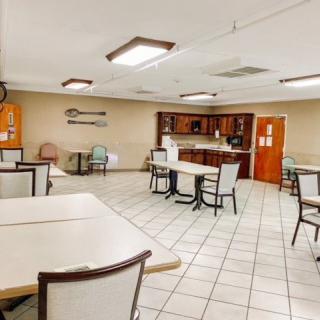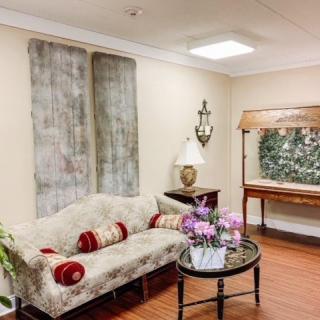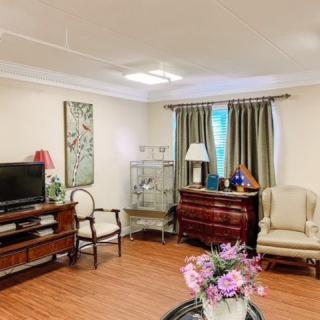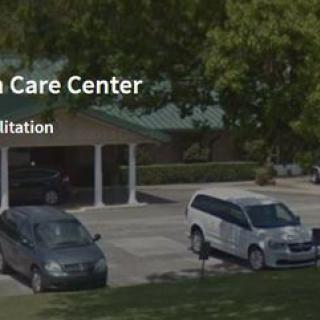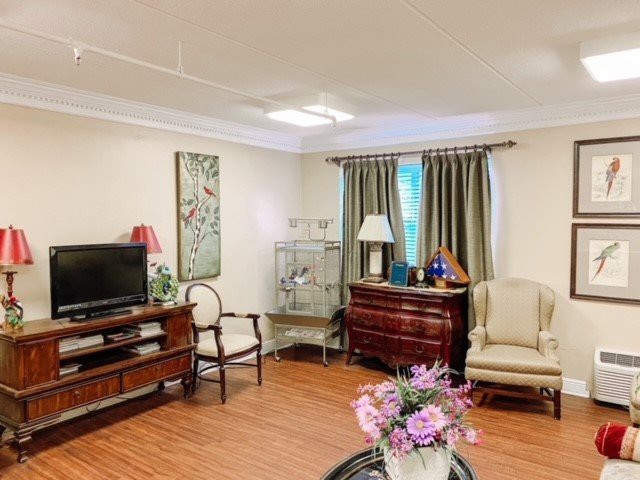
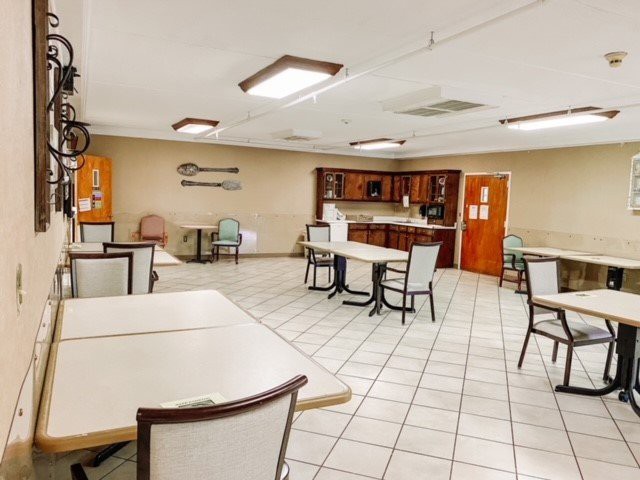
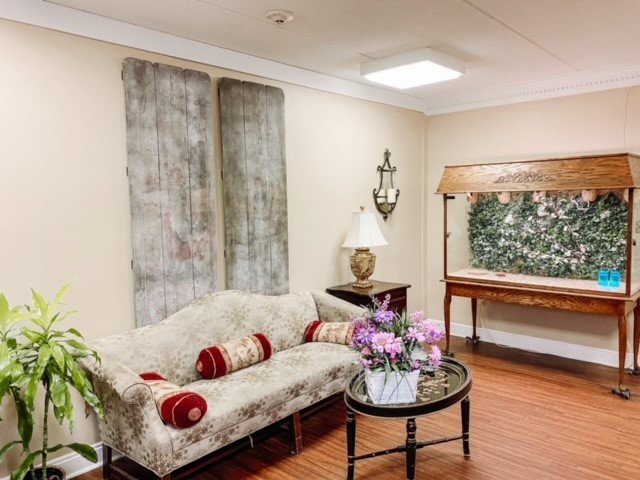

2046 South Alabama Avenue, Monroeville, AL 36460
For more information about senior living options: (866) 208-4318
Overall Review of Englewood Health Care Center
Pros
 The reviewer describes the experience as great, noting respectful staff and a very clean facility.
- The physical therapist is identified as the best part of the facility, earning five stars.
- The mother reports nothing but good things about all the nurses and staff and is pleased with how she was treated.
- The staff are described as friendly, with many nurses having been there for years.
- The facility is consistently described as very clean.
- The reviewer would recommend the facility’s services to others.
Cons
 The patient care was well below normal.
- The spouse was left in soiled underwear for over an hour on at least two occasions.
- A CNA administered medications to the spouse, which is outside the CNA’s scope of practice.
- A medication was given that left him unable to wake for a couple of days.
- He became dehydrated, disoriented, and his level of consciousness decreased.
- He was transported to the hospital, dehydrated and found to have C. diff, after ongoing questioning of his care.
- His wedding band and bottom dentures were lost amid the chaos.
- The majority of facility staff showed little to no concern for his health decline; no one took responsibility.
- Staff appeared to focus on covering their backs and blaming others rather than those caring for him.
- On the first night, staff promised to document injuries and feed him, but he was left to feed himself and food ended up scattered.
- Repeatedly informing staff of severe pain, but the next nurse or aide used the affected arm to check blood pressure, showing poor shift-change communication.
- Multiple roaches were discovered in the mother’s suite, with the countertop also covered in roaches; staff acknowledged the issue but no one was available to address it that evening.
- We were forced to move her to another room due to the unsanitary conditions.
- Norco was discontinued, but a later shift attempted to administer the drug, indicating dangerous miscommunication.
- A lift charger was damaged or misplaced, causing delays and conflicting information about availability.
- Weekend staff were described as lazy, reflecting poor management.
- There were excessive disturbances at night and not enough time spent on rehab.
- The front desk was often unreachable, with calls ringing and hanging up.
- The facility did not meet expectations for rehabilitation, with too much nighttime disturbance and insufficient rehab time.
Review
Englewood Health Care Center in Monroeville is best suited for rehab-focused residents who want access to a capable physical therapy program and who appreciate a generally clean, courteous environment. The facility rewards families that are willing to stay actively involved, ask for clear care plans, and push for accountability at every shift change. That said, it is not ideal for those requiring unwavering medical oversight, meticulous infection control, and consistently reliable day-to-day care without close, discerning monitoring from relatives or guardians. Individuals who cannot tolerate recurring gaps in communication, questions about medication administration, or sporadic safety follow-through should seriously consider alternatives.
On the upside, the strongest positive thread runs through rehabilitation quality. The physical therapy team earns robust praise and is repeatedly identified as the best aspect of the center. When rehab is the priority, the therapists’ expertise and persistence can drive meaningful functional gains. The environment is described as clean, and staff are frequently characterized as friendly and respectful. For families seeking a facility with approachable clinicians who understand the rehab trajectory, Englewood delivers a credible framework for progress, with several nurses who have long tenures contributing to a stable, if imperfect, caregiving culture.
But the advantages are consistently undercut by a troubling set of safety and operational failures. Grave concerns surface from multiple, independent reports: patients left in soiled garments for extended periods; medication administration performed by personnel outside their scope; instances of dehydration and even acute disruption of consciousness linked to drug events; and a troubling loss of personal items during care. These episodes are not isolated anecdotes but appear woven into a pattern of insufficient accountability. When care lapses escalate to hospital transfers or to notarizable safety concerns, the overall risk profile shifts decisively toward caution.
Communication and equipment gaps amplify the risk and coexist with sanitation issues. Shifts failing to pass critical information about injuries, pain, or needed treatments create preventable discomfort and potential complications. Roaches in patient rooms and inconsistent access to lifting equipment or chargers point to systemic deficiencies in maintenance and resource management. The discordance between staff members over basic operational questions, such as whether a lift is available or whether pain medications should be resumed, further destabilizes the patient experience. In short, the operational backbone shows fragility where daily reliability is non-negotiable for rehabilitation success.
These confluence of positives and negatives makes the calculus clear: the most favorable outcome at Englewood hinges on whether rehabilitation progress and a friendly environment can be achieved without exposing a resident to preventable safety risks. For families prioritizing therapy milestones and a generally courteous staff, the pros can deliver meaningful gains. However, when the main objective is consistent safety, precise medication management, and a consistently documented care plan across shifts, the cons loom large enough to offset the gains. The facility’s ability to deliver high-quality rehab cannot be fully trusted without vigilant oversight and proactive engagement from family members or designated guardians.
For families weighing a move, practical steps sharpen the decision. Arrange a targeted tour focused on rehab routines, nurse-to-patient ratios, and the process for med administration and error remediation. Request a written, cross-shift care plan that specifies who monitors pain, who approves medications, and how dehydration or infection signals are escalated. Ask for a dedicated point person, a care coordinator or unit supervisor, who can provide timely updates and document changes in therapy goals. Inspect cleanliness room-by-room and verify that pest control and sanitation challenges have a concrete remediation timeline with accountable leadership. Finally, probe alternative facilities in the same market that regularly post stronger infection-control metrics and more consistent shift-to-shift communication, ensuring a choice aligned with both safety and rehabilitation priorities.
In the final assessment, Englewood Health Care Center embodies a mixed proposition: notable rehabilitation potential and a generally welcoming atmosphere, balanced against pronounced safety and operational vulnerabilities. It serves best those families who are prepared to supervise care actively, insist on transparent communication, and tolerate ongoing efforts to tighten processes. For anyone whose priority is unwavering safety, predictable medication handling, and a consistently quiet rehab environment, alternatives with stronger track records in infection control and care coordination warrant serious consideration. The decision should hinge on a clear trajectory for addressing the identified gaps and on a concrete plan to safeguard the resident’s well-being while pursuing meaningful rehabilitation outcomes.
 87 resident community capacity
 Skilled Nursing Facility
 Air-conditioning
 Beauty salon
 Cable or satellite TV
 Computer center
 Dining room
 Fitness room
 Fully furnished
 Gaming room
 Garden
 Housekeeping services
 Kitchenette
 Move-in coordination
 Outdoor space
 Private bathrooms
 Restaurant-style dining
 Small library
 Telephone
 Wellness center
 Wi-Fi/high-speed internet available
 Community operated transportation
 12-16 hour nursing
 24-hour call system
 Activities of daily living assistance
 Assistance with bathing
 Assistance with dressing
 Assistance with transfers
 Diabetes diet
 Medication management
 Mental wellness program
 Special dietary restrictions
 Concierge services
 Planned day trips




 Caring for Those Who Care: Recognizing, Understanding, and Overcoming Caregiver Burnout
 Caregiver Exhaustion: Recognizing the Signs and Restoring Your Well-Being
 Understanding Hospice Care at Home: Comprehensive Services, Key Benefits, and Eligibility