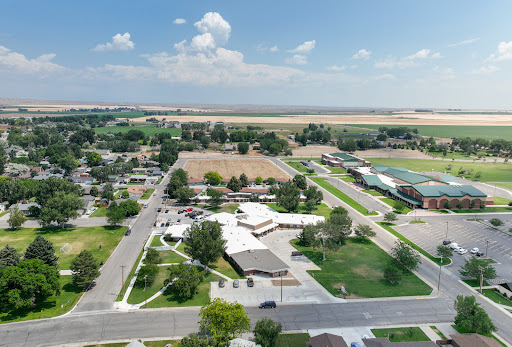
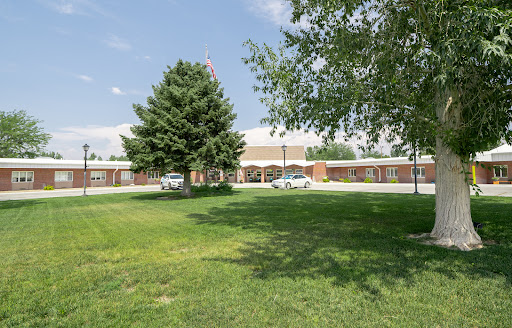
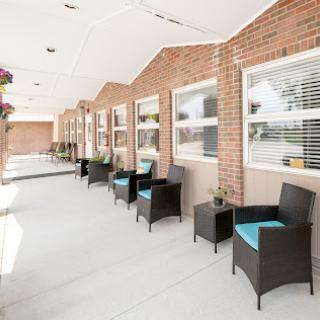
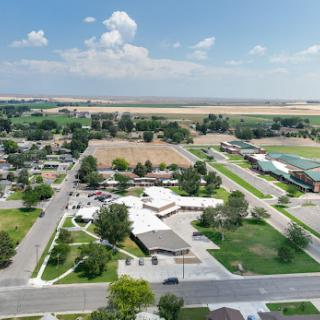
1901 Howell Avenue, Worland, WY 82401
For more information about senior living options: (866) 208-4318
Worland Healthcare & Rehabilitation Center Costs & Pricing
Worland Healthcare & Rehabilitation Center offers competitive pricing for its private rooms, with a monthly cost of $2,097, which aligns precisely with the average costs in Washakie County. This pricing is significantly lower than the statewide average in Wyoming, where private room rates reach about $3,513 per month. By maintaining this rate, Worland Healthcare & Rehabilitation Center not only provides accessible care for residents but also positions itself as an attractive option for families seeking quality rehabilitation services without the burden of higher costs typically found at the state level.
| Floor plans | Worland Healthcare & Rehabilitation Center | Washakie County | Wyoming |
|---|---|---|---|
| Private | $2,097 | $2,097 | $3,513 |
Overall Review of Worland Healthcare & Rehabilitation Center
Pros
 The facility is very good.
- The staff were all very good to residents during their stay.
- The therapy helped a 92-year-old mom regain walking ability and progress toward independent living at home.
- Therapists Michael and Megan were encouraging and consistent in both physical and occupational therapies.
- The CNAs were spectacular, with Daniel always smiling and offering positive comments.
- The staff helped the patient regain health so she could return home.
- The PT and OT are the greatest.
- The staff are friendly and accommodating, with prompt responses to patient needs.
- The meals are great and there are meaningful activities, helping residents stay engaged and connected.
Review
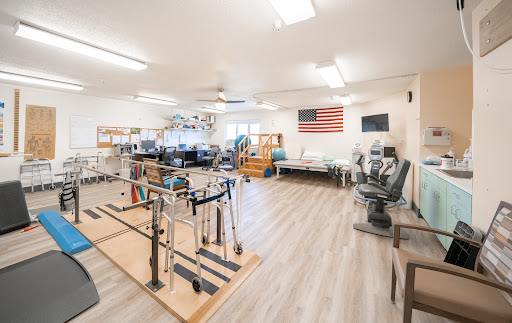
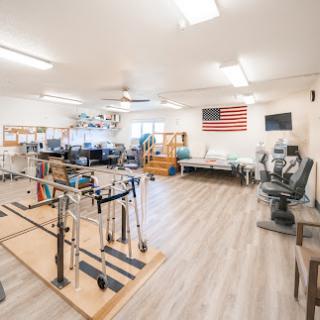
Worland Healthcare & Rehabilitation Center is best suited for seniors who need a disciplined, outcomes-driven rehabilitation path with the clear objective of returning to independent living. The reviews consistently call out daily therapy, physical and occupational, that pushes residents from limited mobility to functional walking with a walker and even stair use before discharge. This is not a place for pass-through care; it is a post-acute setting where the goal is safe, confident transitions home. Families repeatedly highlight how therapists and CNAs collaborate to restore independence, with rehab success tightly tied to real-world activities, home routines, and the ability to resume familiar daily life.
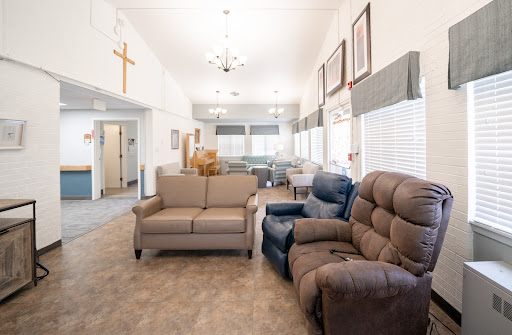
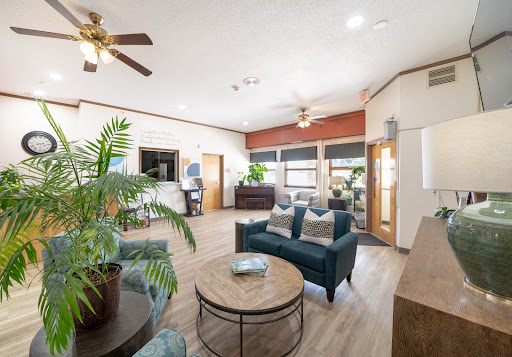
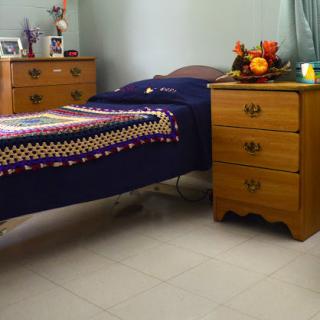
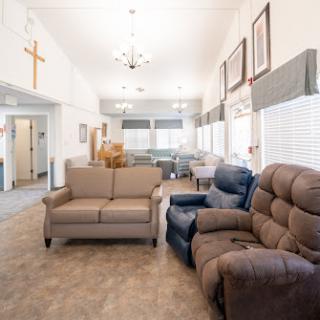
Those who may want to consider alternatives include families prioritizing ongoing, specialized memory care or a setting that is visibly newer or more expansive. The center acknowledges ongoing updates to cabinetry, furniture, and décor, signaling a mid-cycle refresh rather than a completed cosmetic upgrade. For households seeking a facility with a heavy emphasis on advanced dementia care, or a campus that feels distinctly new and modern from the moment of entry, broader market options should be explored. In short, this is a rehab-centric environment with strong nursing and therapy but not a substitute for dedicated memory-care specialization.
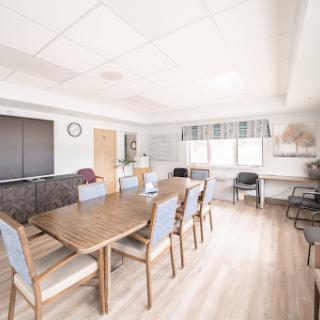
The key advantages, the therapy intensity, the dedication of CNAs, and the family-friendly rhythm, largely offset the drawbacks. The strongest proof is in patient outcomes: a hip fracture survivor who progressed from near immobility to walking with a walker, climbing stairs, and returning to independent living under the steady guidance of the therapy team. Caregivers praise the compassionate, steady hands of staff such as Michael and Megan in therapy and the consistently attentive CNAs like Daniel, whose positive demeanor translates into tangible daily improvements. The care model also supports meaningful family involvement, with spaces for celebrations, meals, and routine updates that help families stay connected and reassured about ongoing progress.
Concrete examples from the resident experience reinforce the offset. Families describe “great care” and “excellent” PT and OT service that effectively restore strength and mobility. The care team’s reliability is highlighted by prompt responsiveness to patient needs and requests, and the human touch shines through in small-but-powerful gestures, special setups for birthdays, the ability to share meals with loved ones, and routine communications that keep kin in the loop. A sense of community emerges in the form of friendships among residents and consistent interactions with a staff committed to maintaining dignity, comfort, and purpose, which in turn underpins the initiative to return home safely.
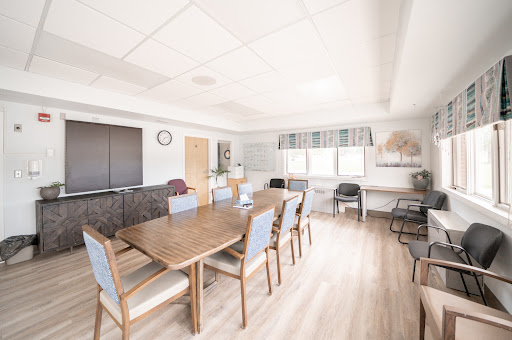
Practical guidance for families evaluating Worland centers on leveraging its strengths while vetting fit. Schedule time to observe therapy sessions and how therapists coordinate with CNAs; ask about formal discharge-planning processes and home-transition supports, especially equipment needs or in-home services that will be necessary after discharge. Inquire about activity calendars, meal service quality, and family-access policies, these elements matter when the goal is a stable return to home life. Also, probe current renovation timelines to understand what the environment will look like in six to twelve months, particularly if a more polished or modern aesthetic is a priority.
Overall, Worland Healthcare & Rehabilitation Center stands out as a practical, proven choice for post-acute rehab with a clear pathway back to independent living. It earns results, not rhetoric: families see real mobility gains, meaningful caregiver relationships, and a supportive setting that keeps home-life rhythms alive during recovery. For seniors whose foremost need is robust, hands-on rehabilitation paired with compassionate daily care, and for families who want an environment where staff genuinely partner in the patient’s return to home, this center remains a strong, reliable option. If memory-care specialization or a newly renovated campus is non-negotiable, exploring alternatives makes sense; otherwise, the combination of therapy-driven progress, responsive caregiving, and a family-oriented atmosphere makes Worland a prudent, confident recommendation.
 87 resident community capacity
 Memory Care
 Skilled Nursing Facility
 Air-conditioning
 Beauty salon
 Cable or satellite TV
 Computer center
 Dining room
 Fitness room
 Fully furnished
 Gaming room
 Garden
 Housekeeping services
 Kitchenette
 Move-in coordination
 Outdoor space
 Private bathrooms
 Restaurant-style dining
 Small library
 Telephone
 Wellness center
 Wi-Fi/high-speed internet available
 Community operated transportation
 24-hour call system
 Activities of daily living assistance
 Assistance with bathing
 Assistance with dressing
 Assistance with transfers
 Diabetes diet
 Medication management
 Mental wellness program
 Special dietary restrictions
 Concierge services
 Planned day trips


 How and When Medicaid May Cover Assisted Living Costs
 A Detailed Exploration of Assisted Living Medicaid Waivers Across the United States
 Exploring the Contrasts Between Assisted Living and Skilled Nursing