
305 S Spring St, Random Lake, WI 53075
To contact a resident: (920) 994-8304
For more information about senior living options: (866) 208-4318
Gables on the Pond Memory Care Costs & Pricing
At Gables on the Pond Memory Care, the monthly costs for accommodations reflect a commitment to quality care and a supportive environment tailored for residents with memory challenges. A studio unit is priced at $5,200, which is notably higher than the average costs in Washington County ($4,386) and across Wisconsin ($3,999). Similarly, the one-bedroom units are offered at $5,500, exceeding both county ($3,451) and state averages ($3,412). While these rates may be higher than those typically found in the surrounding areas, they represent not just living space but also comprehensive services designed to enhance residents' well-being and quality of life.
| Floor plans | Gables on the Pond Memory Care | Washington County | Wisconsin |
|---|---|---|---|
| Studio | $5,200 | $4,386 | $3,999 |
| 1 Bedroom | $5,500 | $3,451 | $3,412 |
Memory care communities with a similar price nearby
-
from -$200 / mo
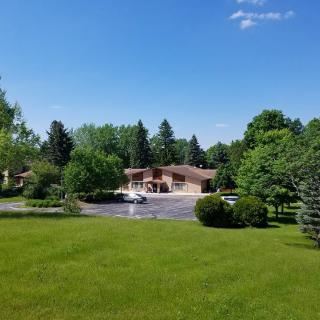
Compassionate Heights of Beechwood
$5,000 / month12.1 miles away -
from -$1000 / mo

River Way Place
$4,200 / month13.2 miles away -
from -$950 / mo
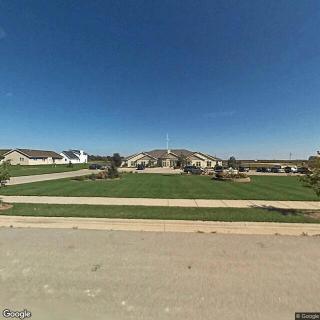
Belgium Gardens
$4,250 to $5,000 / month7.8 miles away -
from -$950 / mo
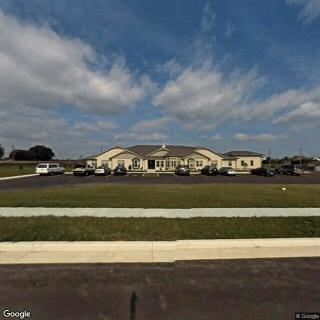
Cedar Grove Gardens II
$4,250 to $5,000 / month7.0 miles away -
from -$950 / mo
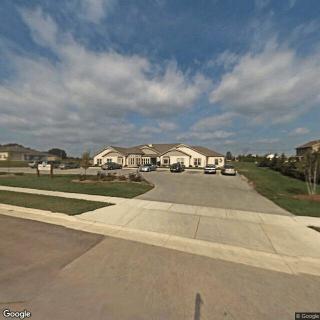
Cedar Grove Gardens I
$4,250 to $5,000 / month7.1 miles away
Overall Review of Gables on the Pond Memory Care
Pros
 The visitors found it very welcoming from the moment they walked in.
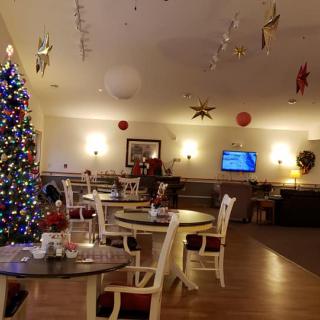
- The facility was very clean, inviting, and presented in an open, airy layout.
- Shannon, the activity director, was upbeat and energetic and played a key role in the tour's success.
- Residents were engaged, and the staff personalized experiences for them.
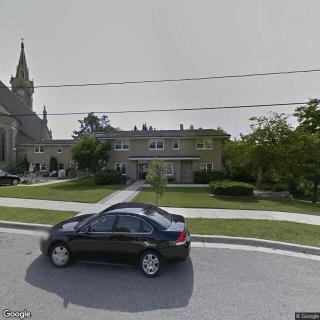
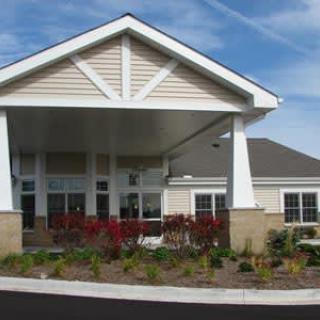
- The place did not feel like a nursing home; it was well kept and appealing both inside and out.
Cons
 The experience did not feel right.
Review
Gables on the Pond Memory Care in Random Lake is best suited for families seeking a memory-care environment that feels warm, engaging, and genuinely resident-centered. The community presents a home-like, open-concept setting where the dining area, activities space, and kitchen flow together, promoting easy social interaction and spontaneous participation. The strongest draw is the staff-driven energy that permeates tours and daily life, especially the activity team, which has a proven ability to connect with residents on a personal level. For families prioritizing lively programming, visible enthusiasm, and a place that doesn’t read as clinical, this is a compelling, action-oriented option.
Those evaluating alternatives should note who may want something different. If clinical oversight and a more structured, low-stimulation routine are non-negotiables, other communities with a tighter medical model may be a better match. The mixed public ratings, 3.6 out of 5, with two low scores and one terse negative comment, signal that experiences vary. A reviewer’s blunt “Did not feel right!” underscores that not all families will connect with the pace, tone, or perceived fit, even when the space itself feels inviting. In short, for situations requiring very consistent care protocols or a quieter ambiance, exploring additional options is prudent.
The practical upside of Gables on the Pond lies in its tangible pros. The facility appears well maintained and clean, with a vibe that clearly differentiates it from a sterile nursing home. The open layout, where activities, dining, and kitchen spaces are adjacent, facilitates social engagement and makes daily routines more natural for residents. The standout asset is the staff’s ability to personalize programming; a tour witness accounts for one-on-one connections, residents sharing meaningful feedback, and a strong sense that activities are tailored to individual histories. The menu glimpses, even if not tested at mealtime, convey a thoughtful approach to variety and planning, suggesting an organized culinary program aligned with resident preferences.
Yet a sober read of the cons reveals why this community cannot be assumed to fit every family’s criteria. The low-end ratings introduce a caution flag about consistency across experiences. Without deeper specifics, questions remain about staffing stability, the degree of clinical oversight, and whether the program remains aligned with a resident’s evolving needs. The absence of dramatic negatives around food or living conditions is reassuring, but the overall rating distribution implies that some residents and families may encounter disconnects between expectations and daily reality. For memory-care residents who prize predictability and a highly regulated routine, this is a meaningful consideration.
The balance of evidence suggests that the positives can offset most concerns for the right resident. When engagement is high and residents feel known, mood stability and daily purpose often improve, which in turn reduces agitation and fosters a sense of autonomy within a compassionate framework. An environment that feels lively rather than institutional contributes to comfort and willingness to participate, which is particularly valuable in memory care where social engagement is therapeutic. The decisive factor becomes whether the individual’s temperament thrives in a energetic programming style and enjoys immediate access to staff and activities that respond to personal stories and preferences.
Ultimately, the decision hinges on matching the resident’s needs to the community’s strengths. Gables on the Pond Memory Care delivers a practical option for families seeking warmth, meaningful social programming, and a non-clinical ambience, anchored by a standout activity director who makes personal connections work. It may be less suitable for those requiring intensive medical supervision, a markedly quieter pace, or unwavering consistency across every day across all residents. Prospective families should arrange multiple visits, speak with several residents and staff, and observe during different activities and meal times. If those checks confirm a lively, personalized, and well-maintained environment, Gables on the Pond becomes a solid, action-ready choice; if not, it is wise to continue the search for a memory-care setting that aligns more closely with those specific care and pace preferences.
 1-bedroom apartments
 Memory Care
 Activities on-site
 Air-conditioning
 Bath tubs
 Beautician on-site
 Cable or satellite TV
 Devotional services on-site
 Ground floor units
 Indoor common areas
 Outdoor common areas
 Respite or short term stays offered
 Wheelchair accessible showers
 Diabetic care
 Incontinence care
 Medication management
 Guest meals
 Art classes
 Birthday parties
 Brain fitness
 Gardening club
 Intergenerational programs
 Live musical performances
 Stretching classes
 Trivia games
 Wii bowling
 A Thorough Discussion of Medications Potentially Linked to Dementia Risk
 Why Do Dementia Patients Sleep So Much? Understanding Oversleeping, Stages, and Care Approaches
 8 Key Indicators That Suggest It May Be Time to Transition from Assisted Living to Skilled Nursing Care