
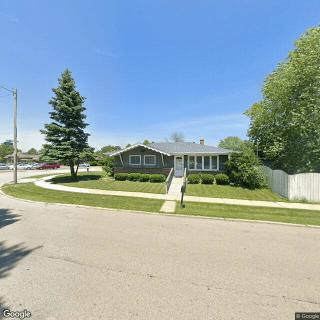
6101 16th St, Racine, WI 53406
To contact a resident: (262) 637-7486
For more information about senior living options: (866) 208-4318
Overall Review of Becker-Shoop Ctr
Pros
 The staff paid attention to residents and conducted rounds, taking vitals.
- They remained alert while performing their duties.
- They discovered the mom was sicker than anyone knew and acted accordingly.
- The mom liked the food there.
- The facility was well-kept inside and out.
- There was a large window with a view and a pleasant room layout.
- There were daily activities, including bingo, with a full itinerary of resident events.
- The Becker Shoop staff were really good to the father, and the care was good.
Cons
 The Gardens of Mount Pleasant lacks a constant on-site nurse.
- This place is terrible.
- They do not take residents to their appointments.
- They waited six days to take her to the emergency room after she passed out.
- Family members are not allowed to see their loved ones.
- It is stupid to restrict family access.
- There was only one kind staff member; the rest were not attentive.
- Not enough staff.
- The nurse administered the blood thinner injection incorrectly, causing pain.
- Pills were dropped on the floor and kicked underneath the bed.
- The staff did not adjust the room temperature or provide water or a call button within reach.
Review
Becker-Shoop Center in Racine is best suited for seniors who need steady daily living support, routine check-ins, and active social programming, provided a family is prepared to stay closely involved in care oversight. This is a pragmatic choice for residents whose medical needs aren’t chronically unstable but who value a living environment with structured activities, predictable meals, and the opportunity to engage with staff and peers. The setting can work when budget is a consideration and the resident’s health needs can be managed with vigilant supervision from a family or trusted advocate who can monitor care quality day to day.
Those who should seriously consider alternatives are residents with high or fluctuating medical needs, complex nursing requirements, or cognitive conditions that demand constant, on-site professional oversight. Families who cannot be present regularly to verify care, respond to red flags, and coordinate with multiple caregivers will feel the risk of inconsistent attention. Also, if a resident requires immediate ER access, tight medication management, or highly responsive assistance with mobility and daily tasks, a facility with stronger staffing ratios and more robust medical protocols is likely a safer match.
On the strength side, several accounts highlight moments when staff were attentive, performed rounds, took vitals, and acted to address acute concerns. When caregivers are engaged, residents receive necessary supervision, and the facility demonstrates enough organization to run daily activities and provide meals that residents find acceptable. In some reviews, the care team was described as capable and compassionate, and the environment could be adequate for short-term rehab stays or for residents who gratefully accept reliable routine rather than highly specialized medical attention. These positives show that Becker-Shoop can deliver decent day-to-day functioning when staffing aligns with demand.
Yet the most persistent and troubling themes across reviews are staffing gaps and uneven care quality. Repeated concerns center on too few staff members, with reports of delayed attention to urgent needs, missed appointments, and insufficient assistance with everyday comforts such as room temperature, water, or call-button access. Medication handling was criticized in at least one rehab scenario, including concerns about how injections or pill administration were performed and how pills were managed after being dropped. Family access and visibility also emerge as a notable weakness, with several accounts describing limited opportunity for loved ones to participate in or monitor care, which compounds risk when care is inconsistent.
The contrast between the limited but real strengths and the serious, recurring cons means the pros do not fully offset the downsides. The facility can deliver solid daily living support when staffing is sufficient and staff members are consistently attentive, yet the frequency of understaffing, care gaps, and lapses in basic safety practices creates a fragile baseline. For families, this means a heightened need for proactive engagement, regular oversight, and clear escalation paths, which may not be feasible for all schedules or budgets. In short, Becker-Shoop can work for a carefully prepared profile, but it is not the default choice for residents who require unwavering medical oversight or dependable, responsive care without constant family involvement.
For families evaluating options, the prudent course is to conduct a rigorous in-person evaluation focused on staffing patterns, nurse presence, and care escalation processes. Ask to observe a shift, speak with the care staff about typical patient loads, and request real-world examples of rapid response to urgent needs. Seek details on on-site nursing availability, response times, and how care plans are communicated across shifts. Examine visitation policies, transparency in daily care updates, and how medications are managed from administration to reconciliation. Compare Becker-Shoop against nearby communities with higher staffing ratios and more consistent clinical oversight, especially if the resident’s needs may escalate. The best-fit decision will balance attainable daily life quality with uncompromising safeguards: reliable attention when it matters most, and clear, dependable pathways for family involvement.
 Memory Care
 Skilled Nursing Facility
 General Mitchell International (16 miles away)




 Vibrant Senior Living: A Comprehensive Guide for Active Older Adults
 Assisted Living and Memory Care: Understanding Their Core Differences
 Choosing the Right Senior Care: A Detailed Exploration of Assisted Living and Nursing Homes