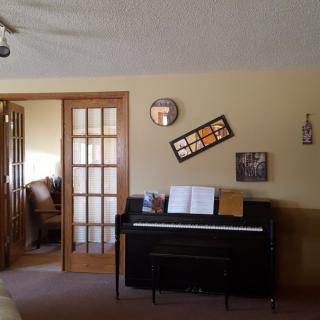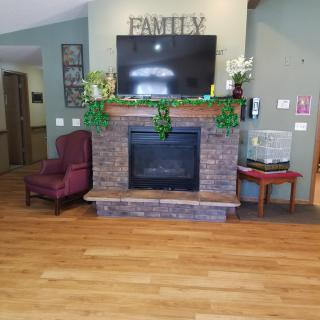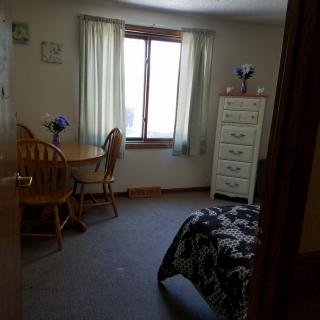
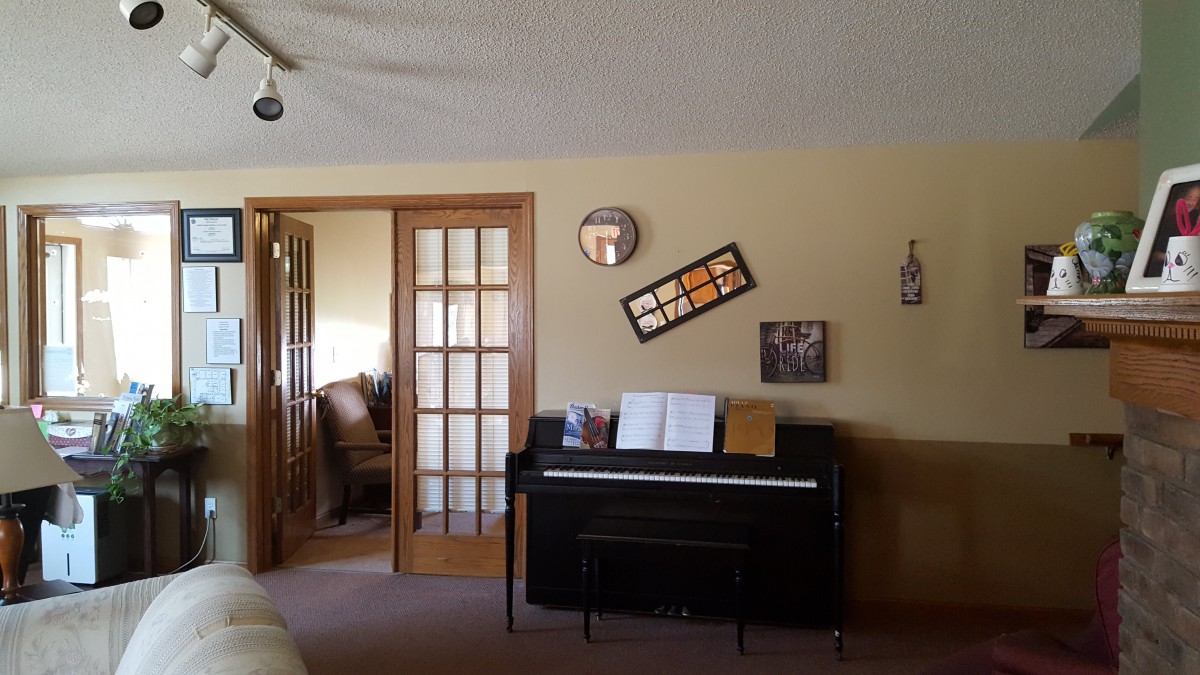
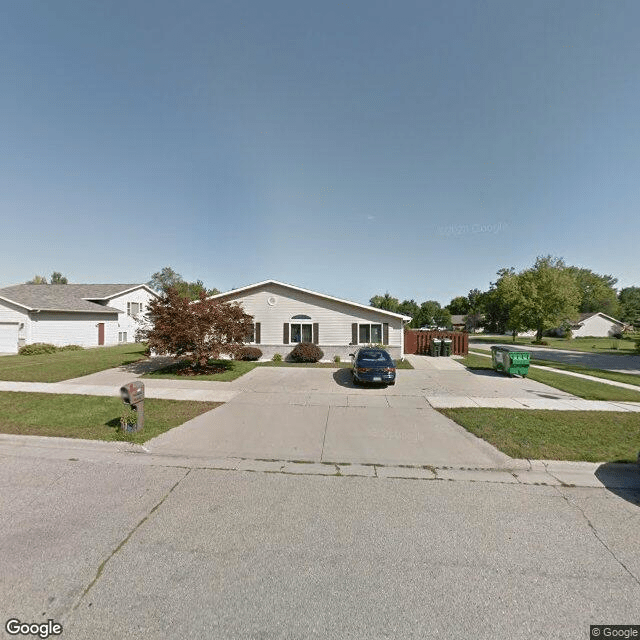
719 Hawthorne Avenue, Janesville, WI 53545
To contact a resident: (608) 554-3565
For more information about senior living options: (866) 208-4318
Hawthorne Home Costs & Pricing
Hawthorne Home offers competitive pricing for its accommodations compared to both Rock County and the broader Wisconsin area. For a private room, residents at Hawthorne Home benefit from a monthly cost of $3,200, which is notably lower than the average of $4,023 in Rock County and $4,339 across the state. However, in terms of studio apartments, Hawthorne's rate of $4,200 exceeds Rock County's average of $3,525 but remains relatively close to Wisconsin's overall average of $3,999. This pricing structure presents prospective residents with an appealing option for private living while highlighting a balanced cost consideration for studio arrangements within the local context. Overall, Hawthorne Home provides value that aligns well with market trends in both county and state settings.
| Floor plans | Hawthorne Home | Rock County | Wisconsin |
|---|---|---|---|
| Private | $3,200 | $4,023 | $4,339 |
| Studio | $4,200 | $3,525 | $3,999 |
Memory care communities with a similar price nearby
-
from +$99 / mo

Our House Senior Living - Whitewater Memory Care
$3,299 to $4,675 / month18.1 miles away -
from +$130 / mo
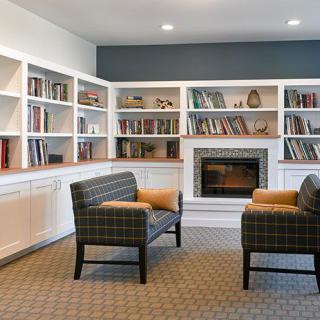
Reena Senior Living
$3,330 to $4,160 / month18.5 miles away -
from -$380 / mo
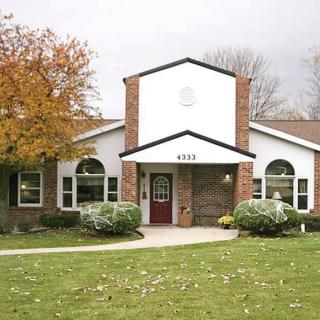
Our House Senior Living Memory Care - Janesville
$2,820 to $5,000 / month2.8 miles away -
from +$200 / mo
Serenity Homes - Stoughton
$3,400 / month19.2 miles away -
from -$300 / mo
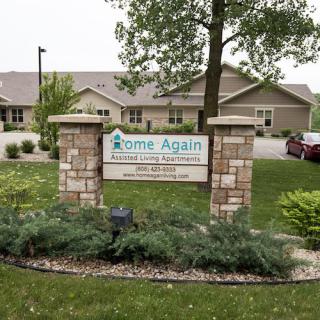
Home Again Assisted Living - Cambridge
$2,900 to $3,550 / month21.3 miles away
Overall Review of Hawthorne Home
Pros
 The place is a great home.
- The staff go above and beyond their caregiver duties.
- Families feel fortunate to have found a place that is caring and respectful toward residents.
- Residents experience fewer falls and improved mobility.
- Residents are treated as individuals and welcomed into a family-like environment.
- The meals are great and the facility is kept very clean.
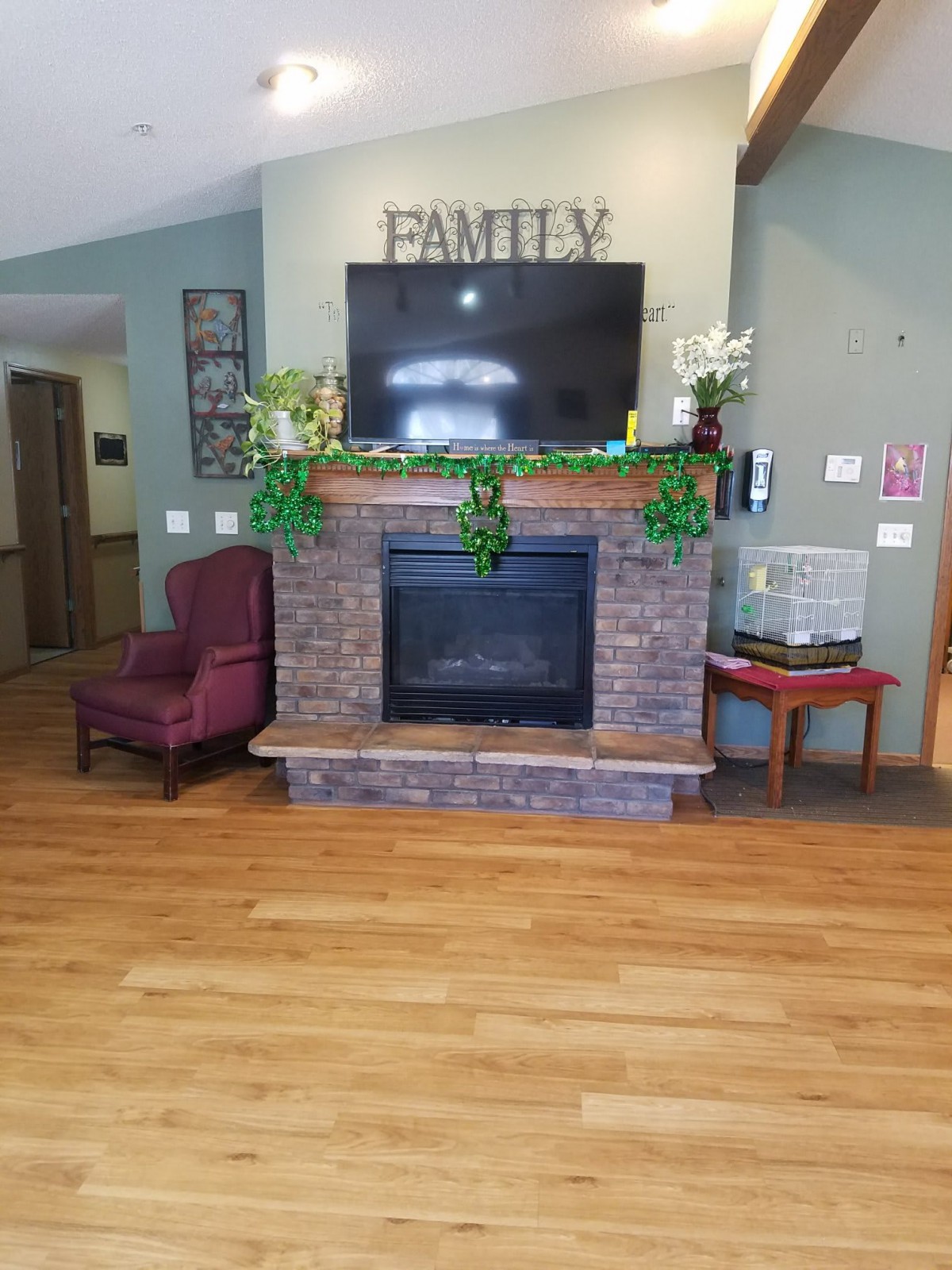
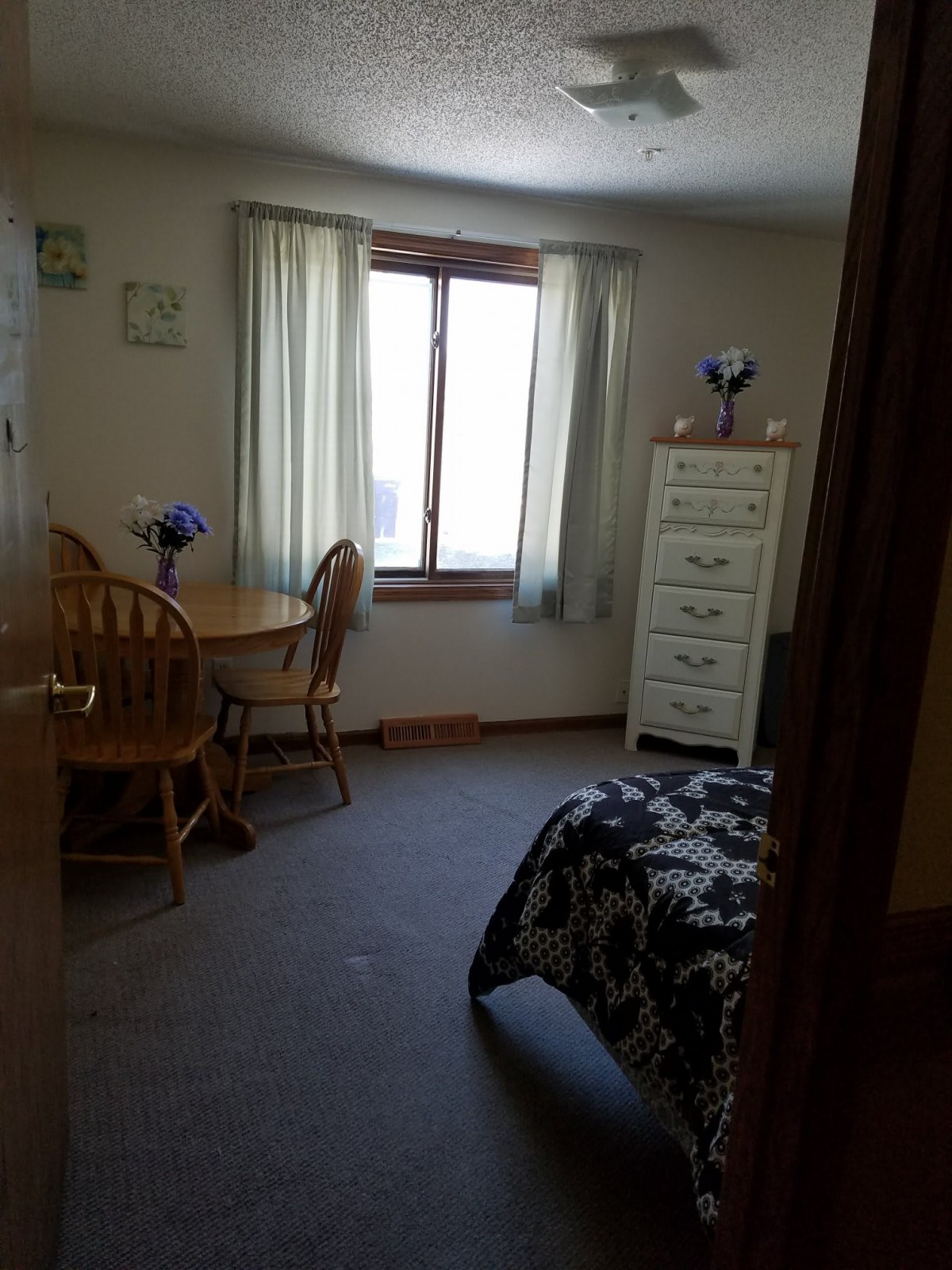
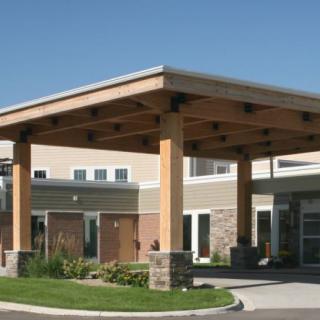
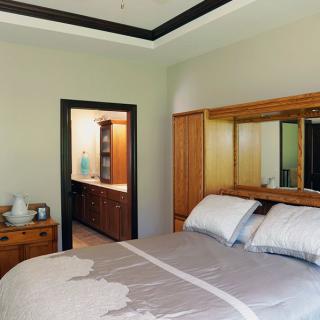
- The community offers private rooms with shared living spaces, resembling a large home that meets residents’ needs.
Cons
 The location was lacking in many ways.
- The experience was not a good one.
- The community is terrible.
- There were only a few okay staff, but the community was terrible.
- The reviewer moved their mother out of the place.
Review
Hawthorne Home in Janesville, WI is best suited for families seeking a small, home-like atmosphere where residents are treated as individuals and staff form lasting relationships. It works well for seniors who value warmth, privacy, and daily life that unfolds in a house-like setting with a familiar, “family” feeling. For families prioritizing a strong clinical footprint, predictable staffing, or high-acuity medical services, alternatives with larger campuses, more structured routines, and dedicated clinical oversight may be more appropriate.
Several observations point to genuine, frontline care. Residents are described as cherished, with staff who know them and treat them as part of a family. The setting is consistently portrayed as clean, comfortable, and somewhat private, each resident often having their own room within a shared, living-centered layout. Positive notes highlight mobility and safety improvements, suggesting the team actively supports independence and reduces risk. Transition into the community is described as smooth, and meals are generally seen as satisfactory, contributing to a positive daily rhythm and a sense of normalcy.
Yet the picture contains clear fault lines. A subset of reviews questions consistency and overall reliability, labeling the community as terrible and pointing to only a few staff members who meet expectations. These accounts suggest uneven day-to-day care and gaps in supervision, which can translate into frustration for families seeking dependable, ongoing oversight. A concrete warning appears in at least one instance where a family chose to move a loved one out due to a disappointing experience, underscoring that the strong positive dynamic is not universal.
The strongest positives, in particular, genuine warmth, accessible staff, and a home-centric culture, can offset the weaker threads when expectations are aligned with Hawthorne’s strengths. For residents who flourish on social connection, individualized attention, and a sense of belonging, the staff’s willingness to engage, assist with outdoor time, and support a smooth transition builds meaningful value. The home-like environment, coupled with a focus on dignity and personal interaction, could meaningfully enhance quality of life for many residents, even if staffing consistency varies from shift to shift.
Families should approach Hawthorne with a clear, people-focused checklist. During visits, observe how staff interact with residents, note whether residents seem engaged, and inquire about caregiver-to-resident ratios and daily routines. Ask for specifics on how falls risk, mobility coaching, and medication administration are managed, and who the consistent point of contact will be. If high-level medical oversight, memory-care programming, or around-the-clock nursing are non-negotiable, this community may fall short and alternatives with stronger clinical infrastructures should be explored. For those prioritizing a genuine, intimate setting with strong family-like ties, Hawthorne is a compelling match, provided there is confidence in the continuity and quality of care.
Final judgment centers on alignment of expectations with reality. Hawthorne Home delivers a warm, individualized, home-like experience that can feel transformative for residents and families seeking belonging and daily companionship. It is a practical, attractive option for those who value intimacy, personal attention, and a community where staff strive to treat residents as family. If clinical intensity and consistent staffing clarity are essential, or if a resident requires higher-acuity services, other communities warrant serious consideration. The decisive move is a candid visit: verify current staffing, observe daily interactions, and confirm a concrete plan for ongoing care. When the fit is right, Hawthorne Home offers more than care, it offers a welcoming, supportive home.
 Board and Care Home
 Memory Care
 Cats allowed
 Dogs allowed
 Activities off-site
 Air-conditioning
 Bath tubs
 Beautician on-site
 Cable or satellite TV
 Indoor common areas
 Outdoor common areas
 Private
 Respite or short term stays offered
 Wi-Fi/high-speed internet available
 Diabetic care
 High acuity care
 Incontinence care
 Medication management
 Anytime dining
 Art classes
 Brain fitness
 Day trips and outings
 Forever fit
 Karaoke
 Light therapy programs
 Live dance or theater performances
 Live musical performances
 Other religious services
 Stretching classes
 Trivia games
 Wii bowling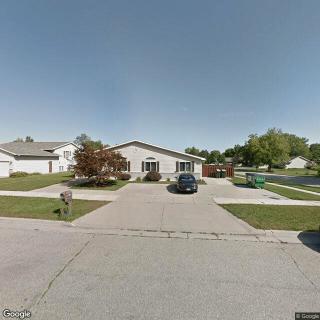


 Estimating the Expenses of At-Home Dementia Care: A Detailed Exploration
 Comprehensive Insights on the Late Stages of Dementia: What to Expect and How to Provide Care
 Medications Associated with Dementia Risk: A Comprehensive Overview