
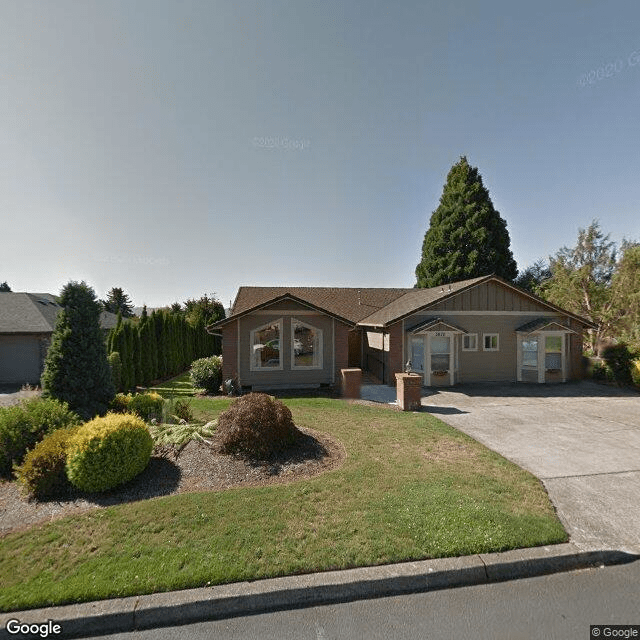
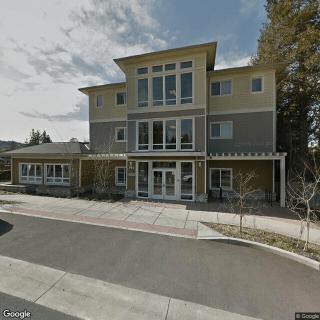
3970 F Circle, Washougal, WA 98671
To contact a resident: (360) 844-5199
For more information about senior living options: (866) 208-4318
Orchard Hills AFH Costs & Pricing
Orchard Hills AFH offers a competitive pricing structure for its residents, with all room types - studio, private, and semi-private - available at a monthly rate of $3,500. This places Orchard Hills slightly above the average costs in Skamania County, where similar accommodations range from $3,273 for studios to $3,700 for private rooms. However, it remains significantly more affordable than the statewide averages in Washington, which reach up to $4,772 for private rooms. This pricing strategy reflects Orchard Hills' commitment to providing quality care and comfortable living arrangements while remaining mindful of local economic factors. Overall, residents can expect both value and personalized service at Orchard Hills AFH compared to other options in the region.
| Floor plans | Orchard Hills AFH | Skamania County | Washington |
|---|---|---|---|
| Studio | $3,500 | $3,273 | $4,128 |
| Private | $3,500 | $3,700 | $4,774 |
| Semi-Private | $3,500 | $3,700 | $4,272 |
Memory care communities with a similar price nearby
-
About the same
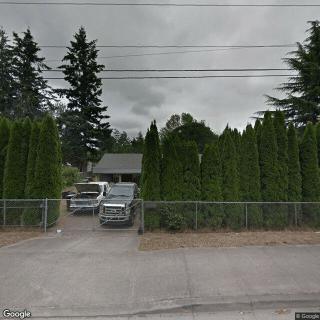
American Living Adult Family Home LLC
$3,500 / month10.5 miles away -
from -$500 / mo
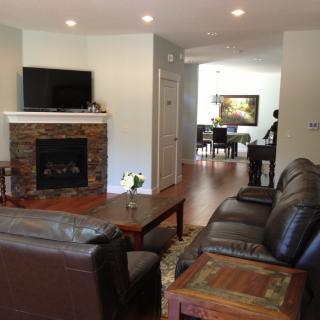
Elder Garden Care Home, LLC
$3,000 / month7.4 miles away -
About the same
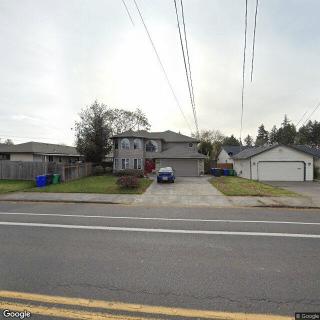
Northwest Home Health
$3,500 to $3,700 / month15.3 miles away -
from -$500 / mo
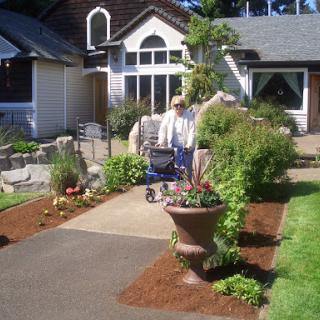
Rivercrest Adult Care
$3,000 to $3,700 / month21.3 miles away -
from +$500 / mo
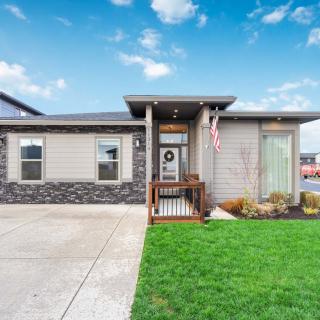
The Finest Care AFH, LLC
$4,000 to $5,500 / month10.3 miles away
Overall Review of Orchard Hills AFH
Pros
 The community takes very good care of residents.
- The staff and the owner create positive interactions with residents.
- The staff promptly addresses residents' requests.
- The initial tour was thorough and informative.
- Orchard Hills AFH provides attentive and loving care to residents.
- The staff and owners are patient and help residents maintain dignity.
- The staff are supportive to families, always ready to answer questions and provide resources.
- The home provides a safe and nurturing environment for loved ones.
Review
Orchard Hills AFH in Washougal is best suited for families that want a warm, home-like setting where seniors receive highly personalized, consistently attentive care, especially when memory challenges are involved. This community shines for residents who value dignity, patience, and enduring caregiver relationships over a large, impersonal campus experience. It is a natural fit for loved ones who benefit from a calm routine, familiar surroundings, and hands-on oversight from owners who treat residents as family. For families prioritizing close communication and a transparent care approach, Orchard Hills presents a compelling, practical match.
Those weighing alternatives should consider that Orchard Hills operates as a smaller, in‑home style residence rather than a sprawling memory-care campus. Residents with very high acuity in medical needs, or those requiring round-the-clock clinical oversight and a broad slate of on-site medical services, may find the format too limited. Families facing the demand for a robust activities calendar, extensive transportation options, or advanced rehabilitation programs may want to compare larger assisted living communities or dedicated memory-care facilities that emphasize institutional resources and schedule flexibility.
The most persuasive pros revolve around the human touch: consistently attentive, loving care that keeps a loved one feeling safe and respected. The staff and owners are described as patient and reassuring, especially as dementia progresses, with a focus on preserving dignity through difficult phases. Responses to requests are rapid, and information is shared openly, which reduces the stress of care planning for families. This combination creates a reliable sense of continuity and trust that often yields less agitation and more cooperation from residents who need reassurance.
Another strong factor is the family-forward approach. Families repeatedly note that the team is supportive, willing to answer questions, and ready to provide resources when needed. The initial tour is not just informative but informative in a way that lays out expectations clearly, helping decision-makers gauge fit early. In practice, residents benefit from a nurturing atmosphere where small restorative rituals and daily routines feel predictable and safe. For memory-care needs, this environment supports meaningful engagement and personal dignity, even as cognitive demands increase.
Still, prospective clients should assess how far the pros carry the day against potential gaps. The intimate scale encourages deep personal connections, but may limit access to broad social programming or on-site clinical depth. The care philosophy prioritizes emotional security and respectful treatment, which is exactly what many families seek; however, families should confirm the availability of specific dementia-trained staff during night shifts, the process for crisis management, and the adequacy of on-site medical supervision for evolving conditions. A practical check is to request sample care plans, observe a routine moment in the day, and speak with current residents or families about the consistency of staffing during key hours.
In the final judgment, Orchard Hills AFH stands out for families who want a high-touch, compassionate home for a loved one facing memory loss, delivered with consistent caregiver warmth and transparent, family-inclusive communication. It is a strong fit when the priority is dignity-preserving, individualized attention in a small, home-like setting, and when demand for rapid responsiveness from staff and owners outweighs the need for extensive clinical infrastructure. Those seeking a larger campus with expansive programming or heavy medical supervision should consider alternatives, but for a caregiver-focused, trust-building environment, Orchard Hills delivers a practical, credible choice. The next step is a focused tour paired with a candid discussion about care plans, staffing patterns, and available dementia-specific resources to confirm this community aligns with the loved one’s current needs and future progression.
 Board and Care Home
 Memory Care
 Cats allowed
 Dogs allowed
 Activities off-site
 Devotional services off-site
 Indoor common areas
 Outdoor common areas
 Private
 Private bathrooms
 Wheelchair accessible showers
 Portland International (13 miles away)
 Diabetic care
 High acuity care
 Incontinence care
 Medication management
 Meals provided


 When to Transition from Assisted Living to Memory Care: Key Indicators, Steps, and Finding the Right Community
 Understanding the Distinctions: Assisted Living and Memory Care Explained
 How to Communicate with a Loved One Living with Dementia: 10 Supportive Strategies