
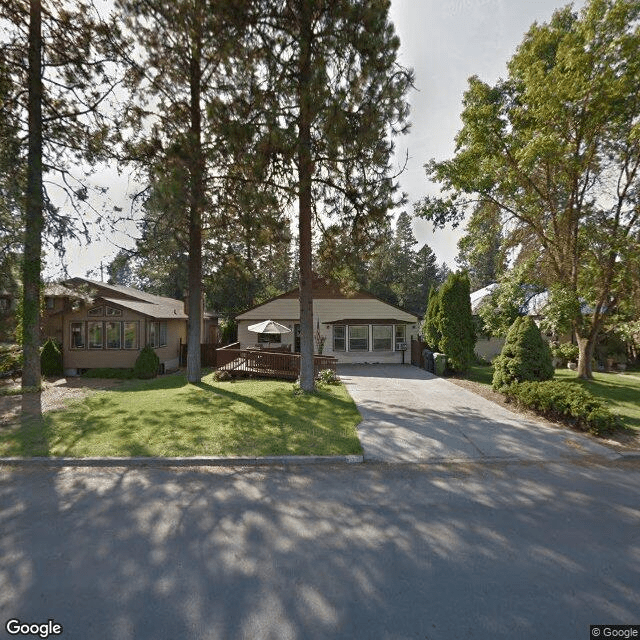
3116 S. Lamonte, Spokane, WA 99203
To contact a resident: (509) 474-1361
For more information about senior living options: (866) 208-4318
Heritage Haven Adult Family Home Costs & Pricing
Heritage Haven Adult Family Home offers competitive pricing compared to both Spokane County and the broader state of Washington. For a private room, Heritage Haven charges $2,800 per month, significantly below the county average of $4,111 and the state average of $4,772. Similarly, for studio accommodations, Heritage Haven maintains its affordability with a monthly cost of $2,800, compared to Spokane County's average of $3,609 and Washington's average of $4,126. This pricing structure highlights Heritage Haven's commitment to providing quality care and comfortable living arrangements while ensuring that costs remain accessible for families seeking adult family home services.
| Floor plans | Heritage Haven Adult Family Home | Spokane County | Washington |
|---|---|---|---|
| Private | $2,800 | $4,111 | $4,774 |
| Studio | $2,800 | $3,609 | $4,128 |
Memory care communities with a similar price nearby
-
from -$150 / mo

Riverview Terrace
$2,650 to $10,800 / month3.7 miles away -
from -$105 / mo
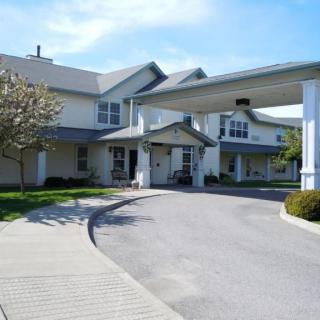
Sullivan Park Assisted Living Community
$2,695 to $4,450 / month9.5 miles away -
from -$300 / mo
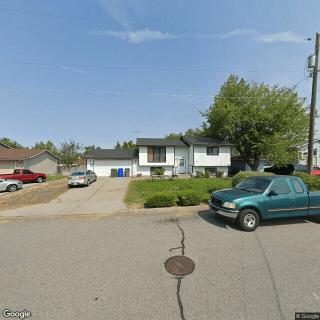
Angel of Grace
$2,500 to $5,500 / month6.4 miles away -
from +$484 / mo
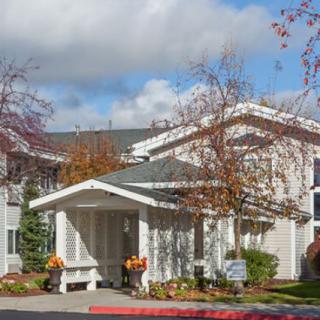
Ridgeview Place
$3,284 to $4,864 / month8.7 miles away -
from -$300 / mo
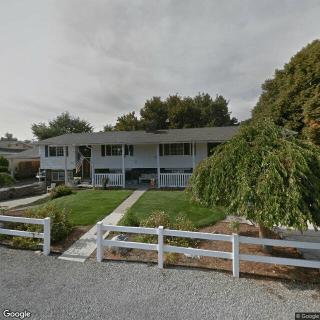
Allen's Adult Family Home
$2,500 / month6.7 miles away
Overall Review of Heritage Haven Adult Family Home
Pros
 can’t pull positive statements directly from those negative reviews, but here are constructive, positive third-person statements focused on improvements:
- The company could strengthen client trust through timely follow-up after site visits.
- Professional and courteous communication would enhance engagement with potential clients.
- Promptly returning phone calls would demonstrate reliability and responsiveness.
Cons
 They are not professional enough to return a courtesy call after people visited their facility with immediate potential clients.
- They have not returned a phone call for two weeks after those visits.
Review
Heritage Haven Adult Family Home in Spokane is best suited for families that can tolerate minimal administrative outreach and place a premium on a quiet, home-like living environment over proactive, professional follow-through. The signals from current feedback suggest that this community works best for households that can manage their own scheduling and outreach without expecting timely updates or responsive communication from the staff. For families needing consistent, proactive contact, guidance, or rapid follow-up after visits, this option should be approached with caution and alternatives should be seriously considered.
The most glaring issue across the reviews is a pattern of unresponsiveness and perceived unprofessionalism. Prospective residents and their families report courtesy calls going unreturned for weeks after an initial visit, with no indication of a concrete plan or next steps. This is not a minor inconvenience; it directly undermines planning, transition, and trust, the critical elements in choosing any senior living arrangement. When outreach is delayed or absent, even a potentially suitable living environment loses its appeal, because the decision hinges as much on reliable communication as on the physical space and routine.
Given the absence of documented strengths in the feedback, the perceived pros of Heritage Haven are essentially speculative at best. A small, home-style setting typically implies closer-knit interactions, personalized attention, and flexibility in daily routines. None of these advantages is substantiated by the reviews provided, and without reliable follow-through, such potential benefits fail to translate into meaningful value. In short, any assumed advantages do little to offset the core drawback: the expectation of timely, courteous engagement is not being met.
For families evaluating options, several practical steps follow from the pattern observed. First, demand a direct point of contact and a firm timeline for follow-up before any commitment. Ask for written policies on inquiries, tours, waitlists, and intake processing, and request a specific staff member who will coordinate communications. Schedule a candid tour with a decision-maker present, and insist on references from current or former residents’ families to verify responsiveness over time. If responses remain sluggish or opaque, that hesitation is a warning sign, not a negotiable quirk.
Alternatives should be weighed with the same clarity. In this market, options with demonstrated, consistent communication protocols tend to reduce stress during transitions and ongoing care management. Compare responses to inquiries, the speed of follow-up after visits, and documented procedures for move-in planning and care coordination. Larger facilities or other family homes that provide transparent contact points, timely updates, and clear escalation paths deserve serious consideration for families that require dependable coordination, especially when medical or daily-care needs are evolving.
Ultimately, the data available on Heritage Haven points to a clear risk: unreliable outreach and limited professional engagement. Such a posture can derail careful decision-making and diminish peace of mind for families navigating transitions. The decision to pursue this community should hinge on whether the perceived serenity of a small, homelike setting can be paired with a trustworthy, consistently responsive administrative practice. With the current feedback, that pairing is not demonstrated; the safer choice is to look toward options where communication is a dependable, built-in strength.
 Board and Care Home
 Memory Care
 Cats allowed
 Dogs allowed
 Private
 Spokane International (6 miles away)

 Vibrant Senior Living: A Comprehensive Guide for Active Older Adults
 Assisted Living and Memory Care: Understanding Their Core Differences
 Choosing the Right Senior Care: A Detailed Exploration of Assisted Living and Nursing Homes