
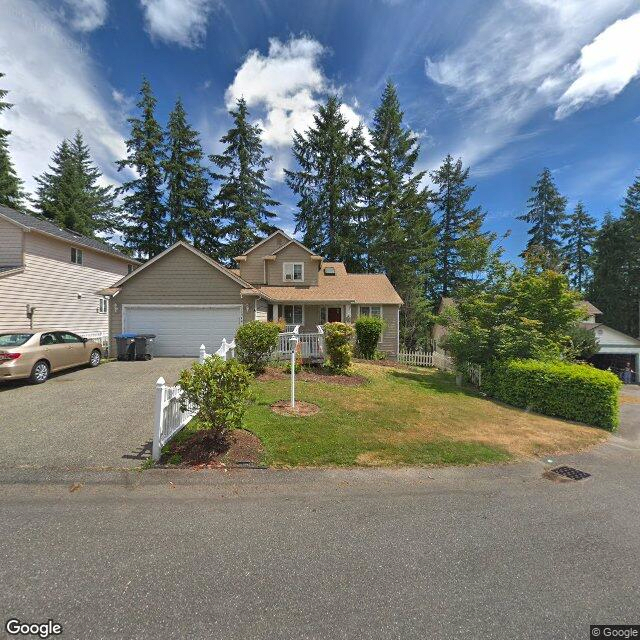
10944 Peony Place, Silverdale, WA 98383
To contact a resident: (360) 535-3721
For more information about senior living options: (866) 208-4318
Amana Care Adult Family Home Costs & Pricing
Amana Care Adult Family Home offers a semi-private room at a monthly cost of $6,000, which is significantly higher than the average costs in both Kitsap County and the broader state of Washington, where the typical expenses are $4,280 and $4,267 respectively. This price point reflects not only the amenities and personalized care services that residents can expect at Amana Care but also indicates a premium for the quality of life and support provided within their environment. While it is essential to consider budgetary constraints when evaluating long-term care options, families may find that the additional investment at Amana Care could lead to enhanced well-being for their loved ones.
| Floor plans | Amana Care Adult Family Home | Kitsap County | Washington |
|---|---|---|---|
| Semi-Private | $6,000 | $4,280 | $4,272 |
Memory care communities with a similar price nearby
-
from +$500 / mo

The Promised Land
$6,500 / month21.4 miles away -
About the same
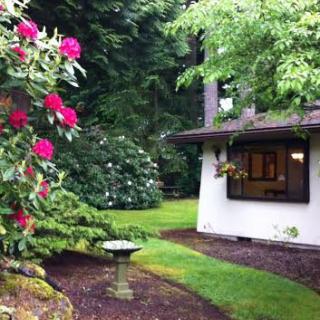
Home Away From Home LLC
$6,000 to $7,000 / month21.1 miles away -
About the same
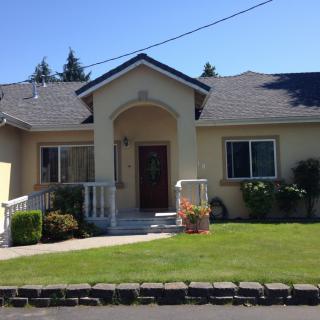
Elderly Home Care
$6,000 to $8,000 / month21.2 miles away -
from -$250 / mo

Fieldstone Rolling Bay and Fieldstone Memory Care
$5,750 to $8,895 / month7.5 miles away -
About the same
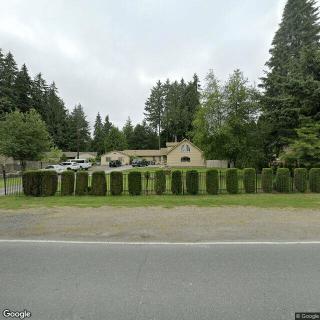
Sunny Side Adult Family Home
$6,000 / month25.0 miles away
Overall Review of Amana Care Adult Family Home
Pros
 Her mom was a resident for five years, and it provided peace of mind.
- The caretakers were wonderful and fun to be around.
- They were very happy with Amana Care Adult Family Home.
- They were also very happy with a place for mom.
- After hearing the radio ad, they called and were greeted warmly, feeling they were in good hands.
- Throughout the time her mom has been there, the experience has been great.
- They are very happy with A Place for Mom.
Review
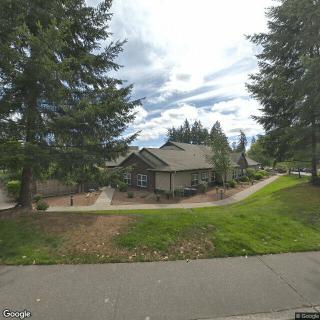
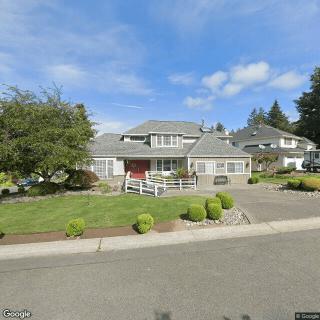
Amana Care Adult Family Home in Silverdale is best suited for seniors and families who prioritize a true home-like atmosphere, intimate care, and steady, personal attention. The setting is clearly designed to foster continuity and warmth, where residents can become familiar with caretakers and staff who are consistently present day after day. This community excels for someone who values peace of mind from knowing caregivers are engaged, approachable, and genuinely fond of their residents, and for relatives who want transparent, ongoing reassurance. The small-scale, family-like layout supports regular interaction, predictable routines, and a sense that the resident is known by name and story rather than by room number. For families who want a bridge between independent living and formal medical oversight, this is a practical fit.
People who may want to consider alternatives are those whose loved one requires higher levels of medical intervention, complex nursing care, or a broader slate of on-site therapies and activities. Amana Care’s home-style model naturally prioritizes personal relationships and day-to-day compatibility; however, it may not offer the same depth of medical supervision or rehab services found in larger assisted living campuses or skilled nursing facilities. Families should assess whether a resident’s needs include frequent skilled nursing, wound care, or intensive medication management that would benefit from a bigger team or dedicated clinical spaces. If independence with robust medical support is the goal, evaluating other options alongside this community is the prudent path.
The strongest selling points are the staff’s reliability and the sense of calm they cultivate. One former resident’s family describes five years of peace of mind, underpinned by caretakers who are described as wonderful and enjoyable to be around. That emotional tenor, staff who are both competent and personable, translates into daily life that feels safe and pleasant, not transactional. The warm welcome families receive during initial inquiries also matters; multiple accounts highlight quick, friendly responses that immediately convey competence and care. In a setting like this, knowing a caregiver’s name and seeing familiar faces day after day can significantly reduce the anxiety families feel when entrusting a loved one to care.
Another tangible pro is the efficient intake experience facilitated by referral channels. Reviews note prompt action after hearing an advertisement and an assurance that “you’re in good hands,” which signals a frictionless start and clear expectations. Consistency of message from those channels reinforces trust and lowers the stress of choosing senior housing. Beyond the move-in, the ongoing chemistry between resident and caretakers matters just as much; the emphasis on warmth and approachability turns routine care into genuinely reassuring daily life. For families, these aspects become measurable advantages when weighing the decision, because they directly influence ongoing satisfaction, retention, and perceived value over the long arc of care.
Where the positives are most impactful, the potential downsides become more visible if not acknowledged. The intimate, family-home model can limit scale: fewer staff, smaller common spaces, and a narrower menu of structured activities than larger communities. Yet these constraints are precisely what enable the deep, personalized relationships that residents and families rate so highly. The care philosophy, hands-on, friendly, and attentive, often offsets the trade-offs by delivering consistent daily interactions, flexibility in routines, and a sense of belonging that’s hard to replicate in bigger campuses. In practical terms, the decision hinges on whether the resident’s priorities align with that homelike pace or whether comprehensive medical services at scale are non-negotiable.
Decision guidance is clear. Amana Care is a strong match for families seeking a low-friction transition into assisted living, with high marks for caregiver warmth, stability, and communication. It suits residents who thrive on personal connections, predictable routines, and the reassurance that caregivers know them well. Those who should explore alternatives include individuals needing advanced clinical oversight, broad activity programming, or aggressive rehabilitation services that a smaller home may not sustain. Visit with questions about staff-to-resident ratios, available medical supports, and day-to-day programming to verify fit. For the right resident, this community delivers peace of mind, genuine companionship, and a dependable, homey quality of life that makes the choice a straightforward one.
 Board and Care Home
 Memory Care
 Activities off-site
 Bath tubs
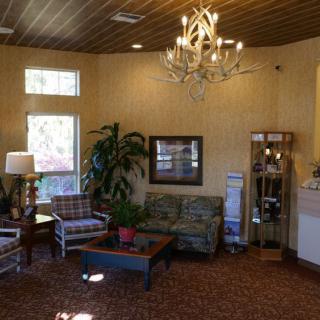
 Indoor common areas
 Outdoor common areas
 Seattle-Tacoma International (22 miles away)
 Ambulatory care
 Diabetic care
 High acuity care
 Incontinence care
 Medication management
 Meals provided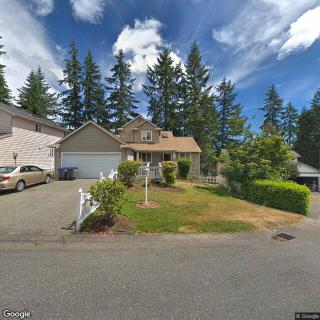


 A Thorough Discussion of Medications Potentially Linked to Dementia Risk
 Why Do Dementia Patients Sleep So Much? Understanding Oversleeping, Stages, and Care Approaches
 8 Key Indicators That Suggest It May Be Time to Transition from Assisted Living to Skilled Nursing Care