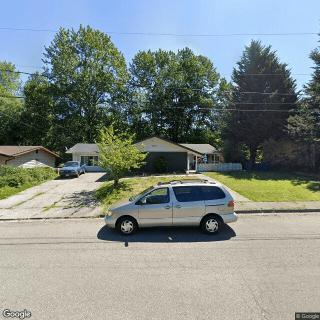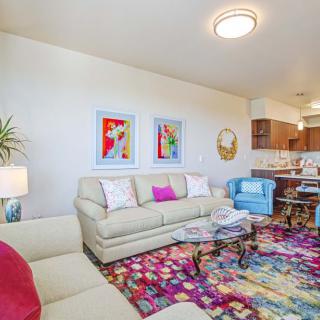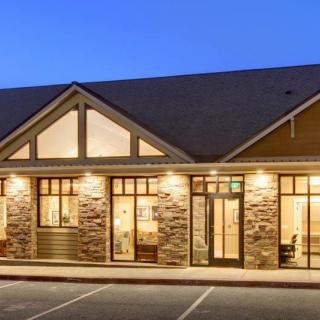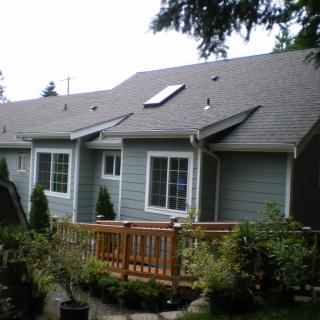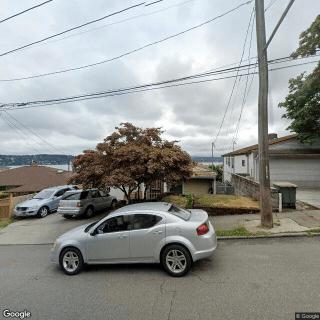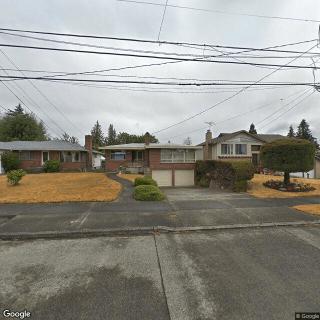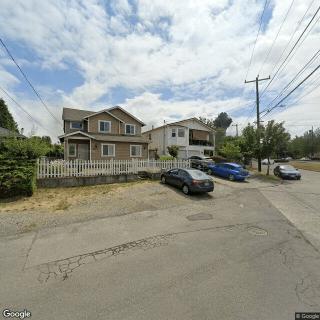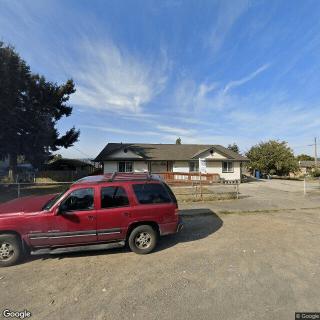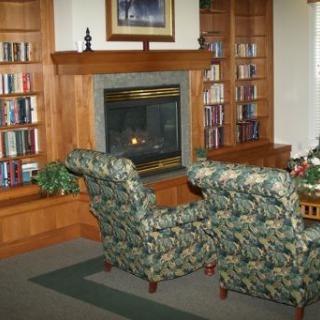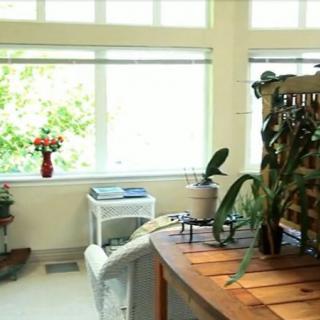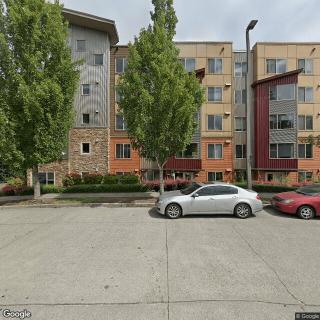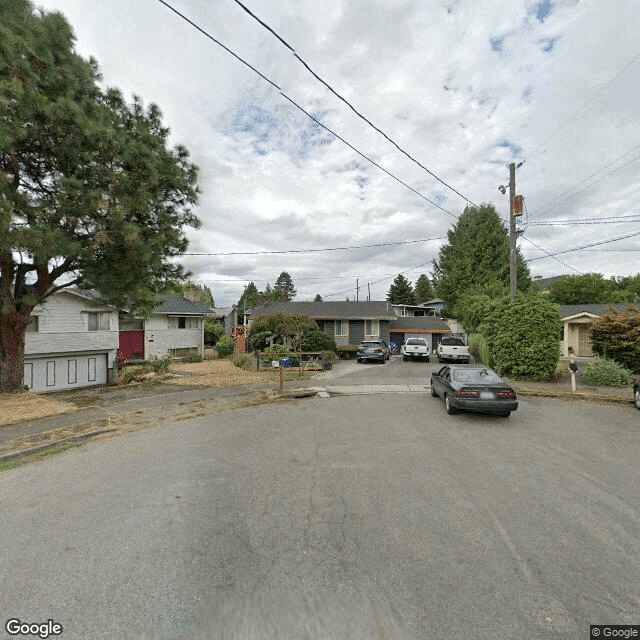
Pleasant Adult Family Home in Seattle, WA

Save
Pleasant Adult Family Home

Pleasant Adult Family Home in Seattle, WA

9610 53rd Avenue South, Seattle, WA 98118

For more information about senior living options: (844) 490-3973

3.5 from 4 reviews
5 stars
1
4 stars
2
3 stars
0
2 stars
0
1 stars
1

Board and Care Home Memory Care

Pleasant Adult Family Home Costs & Pricing

Pleasant Adult Family Home offers competitive pricing for its services, particularly when compared to the broader market in King County and the state of Washington. With semi-private rooms priced at $2,500 per month, residents benefit from substantial savings, as similar accommodations in King County average around $4,430 and $4,267 statewide. For those seeking more privacy, Pleasant's private rooms are offered at $3,500 a month, which remains significantly lower than the county's average of $5,034 and the state's average of $4,772. This makes Pleasant Adult Family Home an attractive option for families looking for quality care without exorbitant costs.

Floor plansPleasant Adult Family HomeKing CountyWashington
Semi-Private$2,500$4,430$4,272
Private$3,500$5,034$4,774

Overall Review of Pleasant Adult Family Home

Pros

  • pro Her home was impeccably clean, and the team was always attentive and accommodating.
  • pro In terms of living space and decor, it was the nicer of the places they toured.
  • pro She was very responsive and really went the extra mile for her loved one.
  • pro Beth is a nurse and is hands-on with all of her houses.

Cons

  • pro The reviewer warned others to stay away from the place.
  • pro The mother was abused there and left paralyzed.
  • pro Rates were raised within ten months to double the original agreement.
  • pro The owners spoke broken English and answered in Romanian, then pushed the family out and wouldn't let them recover their mother's belongings.
  • pro The wood ramp looked bumpy and rough for walkers.
  • pro The downstairs room where another woman stayed was dark.

Review

Pleasant Adult Family Home in Seattle is best suited for families that prize a small, home-like setting where cleanliness and personal attention are constant priorities and where a hands-on, nurse-led operator actively oversees daily care. The property's atmosphere can feel upscale and comfortable, with a strong emphasis on neatness and responsive staffing. A key positive is Beth, a nurse by background, who runs the operation and is described as hands-on with all the houses. For families who want direct access to someone who understands clinical care at the point of contact and who value a cheerful, attentive team, this community can deliver a solid day-to-day living experience.

Yet, prospective residents should explicitly consider alternatives if safety governance, financial predictability, and clear communication are paramount. One review presented a harrowing red flag: allegations of abuse and harmful treatment, coupled with a dramatic and contested rise in rates and a forceful push-out when concerns were raised. Beyond that extreme case, other reviewers note that ownership interactions can be difficult to follow, with comments about owners speaking in languages other than English during conversations about pricing and policies. For families needing transparent governance and predictable contracts, these signals warrant a cautious comparison with other options.

The strongest positives - impeccable cleanliness, a highly attentive staff, and a facility that feels well cared-for - do carry meaningful weight for residents who require routine oversight and a calm, predictable environment. The staff are described as responsive and accommodating, and the home's decor and upkeep create a welcoming backdrop for daily living. Beth's hands-on approach and clinical background can translate into timely attention to health needs, medication management, and coordinated care tasks. These elements can translate into tangible quality of life gains, particularly for residents who rely on consistent staff presence and a nurse-led touch.

However, the gravity of the concerns cannot be dismissed. The most serious red flags involve safety and financial practices: alleged abuse, sudden rate increases, and a history of owners seemingly pushing families out and withholding belongings. Even when the care day-to-day appears well-run, governance and financial reliability undercut trust and long-term security. Add to that a practical, safety-oriented note about accessibility: a wooden ramp that can feel rough for walkers and a downstairs room that can feel dark. While not every resident will experience these issues, they are real considerations that affect mobility, independence, and overall safety in daily routines.

In evaluating this community, it helps to separate personal day-to-day care quality from governance and risk management. The favorable care environment - cleanliness, attentiveness, and hands-on clinical leadership - can offset some routine anxieties about daily living. Yet that offset is insufficient if governance practices raise questions about pricing fairness, resident rights, and safeguarding against mistreatment. For families who cannot tolerate ambiguous billing, tense landlord-style interactions, or potential miscommunications at the ownership level, the practical conclusion is clear: explore alternatives with stronger, independent oversight and transparent contract terms before committing.

For families who still pursue Pleasant Adult Family Home, a disciplined due diligence plan is essential. Request current licensing and recent inspection summaries, and ask for a complete, written pricing schedule with an itemized list of what is included. Seek direct explanations of any rate changes, contract renewal terms, and policies around refunds or deposits if moves become necessary. Visit at varying times to observe staff turnover, responsiveness, and how care plans are actually executed; talk with other residents and families about consistency and safety. Require a clear management contact and a documented escalation path for any concerns.

Bottom line: Pleasant Adult Family Home is a practical choice for those seeking a clean, intimate setting with a nurse-led, hands-on operator and strong daily care. It is not a fit for families prioritizing rock-solid governance, transparent pricing, and robust safeguards against mistreatment. Alternatives should be considered by anyone who places a premium on predictable costs, unambiguous policies, and verifiable safety oversight. If choosing this community, couple the move with proactive oversight, explicit contracts, and a plan to stay closely involved so that daily care remains matched by governance and financial clarity.

Features

Types of Care

  • Board and Care Home Board and Care HomeBoard and care homes provide a smaller, more intimate setting for seniors who require assistance with daily tasks but do not need the level of care offered by a nursing home. They offer personalized care, meals, and social activities in a homelike environment, ensuring that seniors receive individualized attention and support in their golden years.
  • Memory Care Memory CareMemory care is crucial for seniors as it provides specialized support and services for individuals with dementia or Alzheimer's disease. These programs offer a safe and secure environment where residents receive personalized care, cognitive stimulation, and help with daily activities. Memory care helps seniors maintain their independence, quality of life, and dignity while also providing peace of mind for their families.

Pets

  • Cats allowed Cats allowed"Pet friendly" senior living communities are important for seniors because pets provide companionship, reduce feelings of loneliness and depression, promote physical activity and mental stimulation, and offer a sense of purpose and responsibility. Pets can improve overall well-being and quality of life for seniors in many ways.
  • Dogs allowed Dogs allowed"Pet friendly" senior living communities are important for seniors because pets provide companionship, reduce feelings of loneliness and depression, promote physical activity and mental stimulation, and offer a sense of purpose and responsibility. Pets can improve overall well-being and quality of life for seniors in many ways.

Amenities

  • Activities off-site Activities off-siteEngaging in off-site activities is crucial for seniors to maintain social connections, stay active, and stimulate their minds. It promotes overall well-being and helps combat feelings of isolation and loneliness.
  • Activities on-site Activities on-siteActivities on-site are important for seniors because they provide opportunities for socialization, mental stimulation, physical activity, and overall well-being. Engaging in activities can help seniors stay active, maintain their independence, and improve their quality of life.
  • Bath tubs Bath tubsBath tubs are important for seniors because they provide a safe and relaxing way to bathe, helping to prevent slips and falls while promoting independence and overall well-being.
  • Devotional services on-site Devotional services on-siteDevotional services on-site provide seniors with spiritual support and a sense of community, as well as an opportunity for reflection and guidance during their senior living experience. This can promote emotional well-being and connection to others, leading to a more fulfilling and enriching lifestyle in their later years.
  • Indoor common areas Indoor common areasIndoor common areas are crucial for seniors as they provide a space for socialization, recreation, and community engagement, promoting overall well-being and reducing feelings of isolation and loneliness.
  • Outdoor common areas Outdoor common areasOutdoor common areas are important for seniors as they provide a space for socialization, physical activity, and relaxation. Being outside in nature can improve mood and overall well-being, while also encouraging movement and engagement with others. These spaces can help combat feelings of isolation and promote a sense of community among residents.
  • Private PrivatePrivacy is important for seniors as it allows them to maintain their independence, dignity, and sense of control over their own lives. It also gives them the space and freedom to relax, reflect, and engage in activities that bring them joy and fulfillment. Creating private spaces within senior living facilities is crucial for promoting overall well-being and quality of life.
  • Respite or short term stays offered Respite or short term stays offeredRespite or short term stays provide seniors with a temporary solution when their regular caregiver is unavailable, offering them the opportunity to receive additional care and support during times of need, while also giving caregivers a chance to rest and recharge.
  • Wheelchair accessible showers Wheelchair accessible showersWheelchair accessible showers are crucial for seniors as they provide a safe and independent bathing option for those with mobility challenges. These showers help prevent falls and allow seniors to maintain their dignity and autonomy while ensuring they can bathe comfortably.

Transportation

  • Seattle-Tacoma International (5 miles away) Seattle-Tacoma International (5 miles away)

Care Services

  • Diabetic care Diabetic careDiabetic care is crucial for seniors as they are more susceptible to developing diabetes due to aging and other health conditions. Proper management of diabetes can help prevent complications such as heart disease, vision loss, and nerve damage, improving the overall quality of life for seniors in senior living communities.
  • High acuity care High acuity careHigh acuity care is important for seniors because it provides specialized medical attention and support for individuals with complex medical needs. This level of care ensures that seniors receive the appropriate treatment and assistance to maintain their health and quality of life as they age.
  • Incontinence care Incontinence careIncontinence care is essential for seniors to maintain their dignity, hygiene, and overall quality of life. By addressing incontinence issues promptly and effectively, seniors can enjoy a sense of independence and comfort in their daily activities.
  • Medication management Medication managementMedication management is crucial for seniors to ensure they are taking the right medications at the correct dosages and times. This helps prevent adverse drug interactions, reduces the risk of medication errors, and promotes overall health and well-being. Proactive management also allows for adjustments as needed based on changing health conditions or new prescriptions.

Dining

  • Kosher KosherKosher options are important for seniors because they adhere to dietary laws that are significant to many Jewish individuals, providing them with peace of mind and an opportunity to maintain their cultural traditions and beliefs while living in a senior living community.
  • Meals provided Meals provided"Meals provided" are crucial for seniors in assisted living communities as it ensures they have access to nutritious, balanced meals without the stress of meal planning and preparation. This can help promote overall health and well-being for seniors who may have limited mobility or cognitive abilities.
  • Vegetarian VegetarianA vegetarian diet is important for seniors because it can help lower the risk of chronic diseases, maintain a healthy weight, and provide essential nutrients needed for aging bodies. Additionally, plant-based diets are often easier on digestive systems and can contribute to overall well-being in older adults.

Activities

  • Activities off-site Activities off-siteEngaging in off-site activities is crucial for seniors to maintain social connections, stay active, and stimulate their minds. It promotes overall well-being and helps combat feelings of isolation and loneliness.
  • Activities on-site Activities on-siteActivities on-site are important for seniors because they provide opportunities for socialization, mental stimulation, physical activity, and overall well-being. Engaging in activities can help seniors stay active, maintain their independence, and improve their quality of life.
  • Devotional activities on-site Devotional activities on-siteDevotional activities on-site provide seniors with a sense of community, spiritual fulfillment, and emotional support, promoting overall well-being and a positive sense of purpose in their lives.

Description

The Pleasant Adult Family Home in Seattle, WA is a warm and inviting assisted living community that provides specialized memory care for seniors. Our dedicated staff is trained to provide high acuity care and incontinence care, ensuring the highest level of comfort and support for our residents.

In addition to our excellent care services, we offer a range of amenities to enhance the overall experience for our residents. Our on-site activities provide opportunities for socialization and engagement, while devotional services cater to spiritual needs. Indoor and outdoor common areas are available for relaxation and recreation, creating a welcoming environment for all.

Our facility is designed with accessibility in mind, featuring wheelchair accessible showers and bath tubs. We also offer respite or short term stays for those who require temporary assistance or recovery from illness or injury. Medication management is provided to ensure that residents receive their medications as prescribed.

Nutrition plays an important role in maintaining overall health, which is why we take pride in providing delicious meals with a focus on vegetarian options. Residents can look forward to satisfying their taste buds while receiving balanced nutrition.

In terms of activities outside of our community, there are 6 cafes, 5 parks, 15 pharmacies, 1 physician's office and 4 restaurants located nearby. Transportation options are readily available for convenience and ease of access.

At Pleasant Adult Family Home, we strive to create a caring environment where seniors with memory care needs can thrive. We understand the challenges that come with memory loss, which is why we have tailored our services and amenities to meet the unique needs of our residents.

Nearby Places of Interest

This area of Seattle, Washington offers a convenient and well-rounded community for senior living. With several pharmacies located within a few miles, access to medical supplies and medications is easily accessible. Additionally, there are multiple transportation options nearby, including light rail stations and an airport, making it convenient for travel or visiting loved ones. The neighborhood also boasts a variety of cafes and restaurants for dining out or grabbing a coffee with friends. For outdoor enthusiasts, there are several parks in the area for peaceful walks or picnics. Moreover, there are reputable physicians and hospitals within a short distance for any healthcare needs. Overall, this part of Seattle provides a blend of amenities that cater to senior residents looking for convenience and comfort in their daily lives.

Pharmacies

  • Rite Aid (0.5 miles)
  • Walgreens (3 miles)
  • Walgreens (3.4 miles)
  • CVS Pharmacy (3.4 miles)
  • Walgreens (3.4 miles)
  • Bartell Drugs - Ebt (4.1 miles)
  • Walgreens (4.1 miles)

Transportation

  • Link Light Rail - Rainier Beach Station (0.7 miles)
  • Renton Municipal Airport (RNT) (2.9 miles)
  • Columbia City Station (3.2 miles)
  • Mount Baker Station (4.4 miles)
  • North Satellite (5 miles)
  • SeaTac/Airport Station (5.1 miles)
  • Concourse D (5.1 miles)

Cafes

  • Starbucks (2.2 miles)
  • The Flora Bakehouse (3.3 miles)
  • Starbucks (3.4 miles)
  • Starbucks (3.8 miles)
  • Dutch Bros Coffee (3.8 miles)
  • Starbucks (4.9 miles)
  • Floret (5.4 miles)

Parks

  • Seward Park (2.3 miles)
  • North SeaTac Park (2.7 miles)
  • Gene Coulon Memorial Beach Park (3.1 miles)
  • Lake Washington Boulevard Park (3.1 miles)
  • Genesee Park & Playground (3.4 miles)
  • Ed Munro Seahurst Park (5.2 miles)
  • Blue Dog Pond (5.2 miles)

Restaurants

  • IHOP (3.8 miles)
  • Moctezuma's Mexican Restaurant & Tequila Bar (4.1 miles)
  • Uwajimaya (4.1 miles)
  • Azteca Mexican Restaurants (4.9 miles)
  • El Rinconsito (5 miles)
  • Seattle Taproom (5.4 miles)
  • 13 Coins (5.4 miles)

Physicians

  • King LASIK (3.8 miles)
  • Valley Medical Center, Rehab Services Pt Ot Therapy (5.3 miles)
  • Three Tree Women's Clinic (5.5 miles)
  • Northwest Foot And Ankle Center, PS (5.8 miles)
  • Allegro Pediatrics (6 miles)
  • Kent Eye Clinic (6.9 miles)

Hospitals

  • Providence Mount St. Vincent - Seattle (5.9 miles)
  • Harborview Medical Center (6.6 miles)
  • Swedish Medical Center (6.9 miles)

Theaters

  • AMC Factoria 8 (6.2 miles)

Frequently Asked Questions

How much does it cost to live at Pleasant Adult Family Home in Seattle, WA?
Where is Pleasant Adult Family Home?
Does Pleasant Adult Family Home provide care for residents with dementia or Alzheimer's disease?
Does Pleasant Adult Family Home allow residents to have pets?

Nearby Communities

  • Verdant Grove

    Verdant Grove

    Seattle, WA

    2.8 from 8 reviews
    $4,000 to $7,000 / month

    pro Small, family-like atmosphere with personalized attention and private rooms, plus a pleasant outdoor space.

  • A-Z Adult Family Home I

    A-Z Adult Family Home I

    Seattle, WA

     
    $4,500 / month

    pro Affordable private/semi-private rooms with private baths and on-site amenities; supports high-acuity care.

  • Gayden Family Home,  RN

    Gayden Family Home, RN

    Seattle, WA


    pro Personalized care with easy access to amenities, parks, dining, and healthcare.

  • L Mar Adult Family Home

    L Mar Adult Family Home

    Seattle, WA


    pro Nearby cafes, parks, pharmacies, restaurants, and hospitals.

  • Concejo Adult Family Home

    Concejo Adult Family Home

    Seattle, WA

     
    $4,000 / month

    pro Budget-friendly private-room price ($4,000/mo) with high-acuity care and diverse dining options.

  • Westview Adult Family Home

    Westview Adult Family Home

    Seattle, WA

    5 from 1 review
    $3,000 to $5,000 / month

    pro Memory Care-focused with personalized care and competitive pricing.

  • Park Place

    Park Place

    Seattle, WA

    4.5 from 61 reviews
    $2,395 to $2,695 / month

    pro Caring staff and a welcoming, community-focused atmosphere.

  • The Lakeshore

    The Lakeshore

    Seattle, WA

    4.5 from 96 reviews
    $3,470 to $6,305 / month

    pro Beautiful lake views with well-maintained grounds, friendly staff, and engaging activities.

  • Arrowhead Gardens

    Arrowhead Gardens

    Seattle, WA

    3.8 from 99 reviews
    $680 to $4,620 / month

    pro Friendly, attentive staff; clean facilities; engaging activities; pleasant outdoor spaces.

Related Resources

  • memory care activitiesEngaging Memory Care Activities That Enhance Quality of Life

    Memory care activities are essential for improving the quality of life of seniors with cognitive impairments, as they stimulate cognitive function, promote well-being, and encourage social interaction through tailored strategies. These activities combine structured exercises with spontaneous tasks, sensory engagement, physical workouts, creative pursuits, and intergenerational interactions to enhance emotional connection and a sense of purpose.

  • when to move from assisted living to memory careWhen to Transition from Assisted Living to Memory Care: Key Indicators, Steps, and Finding the Right Community

    Transitioning from assisted living to memory care is driven by an individual's cognitive decline and specific needs, requiring careful evaluation of indicators like increased confusion and wandering. The process involves consulting medical professionals, researching suitable communities, considering financial and legal aspects, and ensuring effective communication for personalized care plans.

  • assisted living vs memory careUnderstanding the Distinctions: Assisted Living and Memory Care Explained

    The article differentiates between assisted living and memory care, explaining that assisted living supports seniors with daily activities while promoting independence, whereas memory care provides specialized services for individuals with dementia, focusing on secure environments and cognitive support. It also addresses staff training, safety considerations, costs, family involvement, and transition strategies for families navigating these care options.