
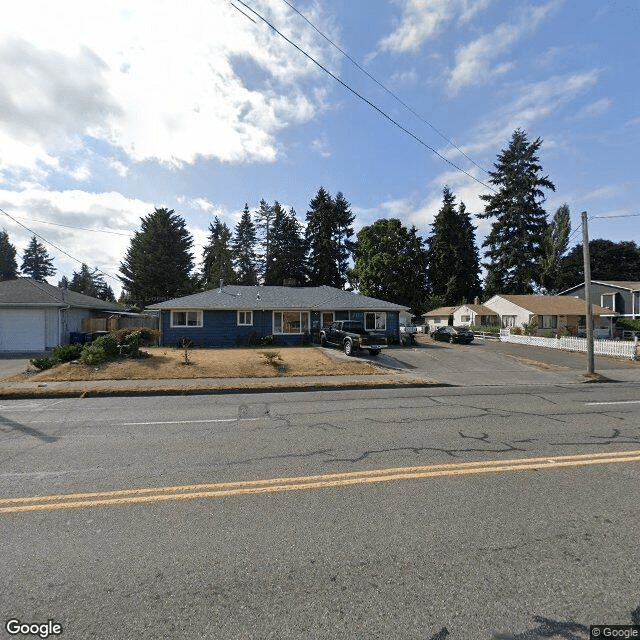
3049 S. 200th St., Seatac, WA 98198
To contact a resident: (206) 212-0786
For more information about senior living options: (866) 208-4318
Cozy Care AFH Costs & Pricing
Cozy Care AFH offers competitive pricing for its private and studio room accommodations, with both types available at $3,000 per month. This rate is significantly lower than the averages for King County and the broader state of Washington, where the typical costs for similar private and studio rooms stand at $5,034 and $4,464, respectively. By providing quality care at a more affordable price point, Cozy Care AFH positions itself as an attractive option for individuals seeking supportive living environments without compromising on service or comfort. With these rates, residents can enjoy a financially manageable solution to their housing needs while still receiving exceptional care.
| Floor plans | Cozy Care AFH | King County | Washington |
|---|---|---|---|
| Private | $3,000 | $5,034 | $4,774 |
| Studio | $3,000 | $4,464 | $4,128 |
Memory care communities with a similar price nearby
-
from +$375 / mo
Evergreen Manor Senior Care Inc
$3,375 to $7,500 / month19.7 miles away -
About the same

Hummingbird Homecare
$3,000 / month11.4 miles away -
About the same
Caring Adult Family Home #1
$3,000 / month24.0 miles away -
About the same
Home Care in Kent Inc.
$3,000 to $3,500 / month4.6 miles away -
from +$500 / mo

Twin Lakes Haven Adult Family Home
$3,500 to $8,000 / month8.0 miles away
Overall Review of Cozy Care AFH
Pros
 Nest In Home Care LLC is a lifeline for families.
- Their compassionate caregivers provide exceptional support.
- They ensure loved ones feel safe and cherished in the comfort of their own homes.
- The team's dedication brings peace of mind to families.
- Clients are genuinely grateful for the care and dedication of Nest In Home Care LLC.
Review
Cozy Care AFH in Seatac is best suited for seniors who prize a truly home-like, intimate care setting where daily attention is personalized and consistently delivered. This community shines for families that want to see a small team know the resident’s routines, preferences, and comfort triggers, and for those who value the quiet reassurance of a caregiver presence that feels more like family than a shift change. The strongest signal from the available feedback is that when care is delivered in a familiar, at-home environment, safety and a steady sense of being cherished can become the baseline experience for a loved one.
Those considering Cozy Care AFH should explicitly weigh alternatives if the situation calls for heavier clinical oversight or more expansive programming. If a resident needs complex medical management, regular on-site nursing, or a robust menu of memory-care therapies and social activities on a larger campus, a conventional assisted living community or a skilled-nursing facility may offer the certainty and scale that such needs require. Also, families facing frequent, around-the-clock care demands or high-acreage activities would likely find a larger setting more capable of sustaining those requirements.
The clearest pro in the feedback is the evident compassion of caregivers and the strong sense of safety and care in a home setting. The testimonial notes that caregivers provide exceptional support and that the loved one feels safe and cherished while remaining in familiar surroundings. In a Cozy Care AFH arrangement, that kind of emotional warmth translates into predictable routines, quick responsiveness, and an environment where family members experience peace of mind from daily interactions with staff who know the resident well. This emphasis on emotional well-being can be the deciding factor for families balancing independence with dependable oversight.
That said, the implied cons of a smaller AFH model should be acknowledged when weighing choices. Limited on-site medical resources, potentially fewer opportunities for structured activities, and a narrower selection of specialized therapies can be real trade-offs compared to larger communities. These gaps are not inevitable, but they require families to assess whether the emphasis on personalized, one-on-one attention will compensate for the absence of extensive programming and immediate access to medical teams. The offset comes when care remains highly tailored, caregivers are consistently present, and communication with family is direct and frequent.
Families evaluating Cozy Care AFH should pursue a practical due-diligence checklist framed around staffing, safety, and daily life logistics. Inquire about staff-to-resident ratios, the process for caregiver training and ongoing education, and how turnover is managed. Confirm licensure status, emergency procedures, and the availability of medical partners for routine visits, medication management, and timely coordination with outside physicians. Request a sample weekly schedule to understand activity variety and how much social engagement, gentle exercise, and cognitive stimulation are offered within the home setting. Clarify what happens if higher-level care is needed suddenly.
In the end, Cozy Care AFH delivers a compelling home-centered option grounded in warmth, attentiveness, and a sense of security. It is a strong fit for families prioritizing intimate, relationship-driven care where a loved one can thrive with consistent caregivers who know their story. However, for residents requiring heavy clinical oversight, broad programming, or specialized memory-care services, alternatives in larger assisted living communities or nursing settings may be more appropriate. The choice should hinge on the resident’s medical needs, social preferences, and the family’s tolerance for a smaller care footprint balanced against the undeniable value of personalized, compassionate attention.
 Board and Care Home
 Memory Care
 Private
 Seattle-Tacoma International (2 miles away)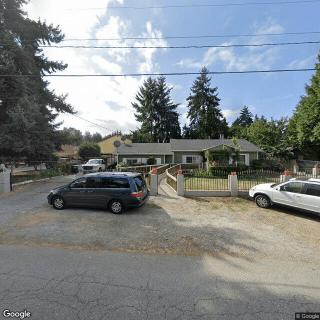



 How and When Medicaid May Cover Assisted Living Costs
 A Detailed Exploration of Assisted Living Medicaid Waivers Across the United States
 Exploring the Contrasts Between Assisted Living and Skilled Nursing