
2325 48th AVE, Tumwater, WA 98512
To contact a resident: (360) 705-3650
For more information about senior living options: (866) 208-4318
Tumwater Meadows AFH Costs & Pricing
Tumwater Meadows Adult Family Home (AFH) offers pricing that reflects its commitment to quality care in a comfortable environment. For a semi-private room, the cost is $4,500 per month, which is slightly above both Thurston County's average of $4,280 and the state average of $4,267, indicating a focus on enhanced services or amenities. The pricing is similar for private and one-bedroom accommodations at $5,000 each; here again, Tumwater Meadows sits just above the local averages of $4,532 and $4,085 respectively. Overall, while the costs at Tumwater Meadows AFH are higher than those of neighboring facilities in both Thurston County and across Washington State, these rates can be seen as reflective of the high standards of care and personalized attention residents receive at this facility.
| Floor plans | Tumwater Meadows AFH | Thurston County | Washington |
|---|---|---|---|
| Semi-Private | $4,500 | $4,280 | $4,272 |
| Private | $5,000 | $4,532 | $4,774 |
| 1 Bedroom | $5,000 | $4,085 | $4,634 |
Memory care communities with a similar price nearby
-
from -$500 / mo
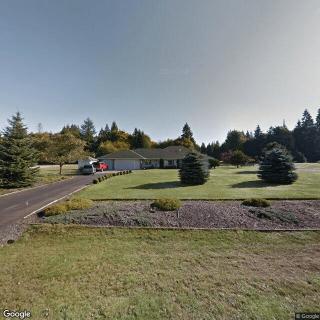
Canterwoods Estate AFH
$4,000 to $5,500 / month6.8 miles away -
from +$500 / mo
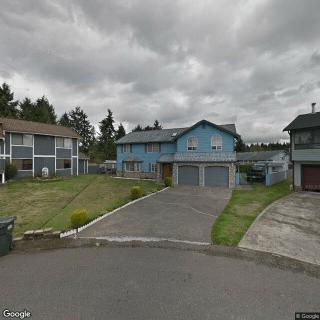
Canna Court Adult Family Home
$5,000 to $7,500 / month9.5 miles away -
from -$525 / mo
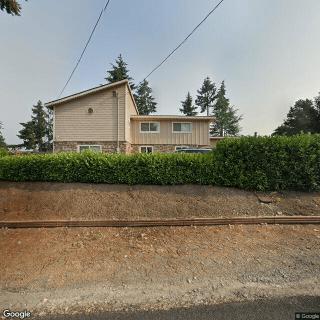
House of Hope AFH
$3,975 to $7,500 / month24.7 miles away -
from -$423 / mo
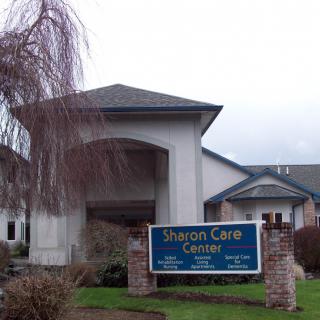
Sharon Care Center
$4,077 to $5,384 / month18.9 miles away -
About the same
Garden Courte Memory Care
$4,630 to $6,065 / month5.4 miles away
Overall Review of Tumwater Meadows AFH
Pros
 The home is inviting and heartfully warm.
- The home is open for visits with advance notice.
- The facility and the owner are very nice and accommodating.
- It is a wonderful, quiet, wooded setting.
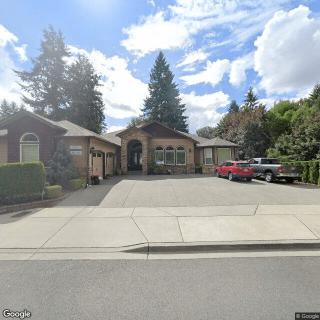
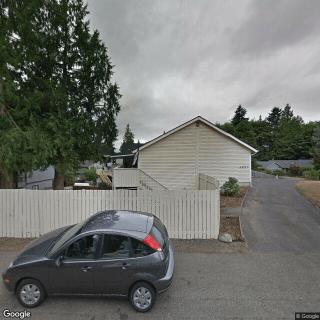
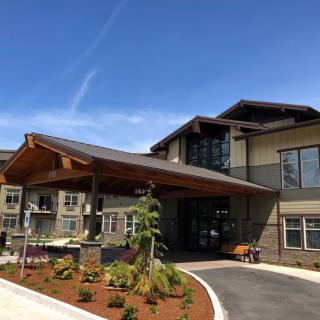
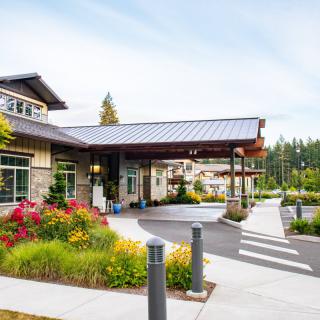
- The AFH is clearly a residential home in a beautiful wooded setting.
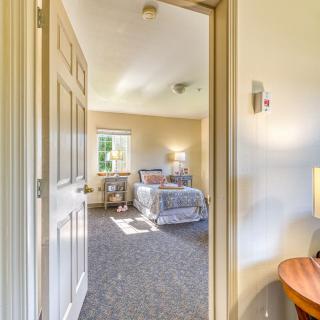
- The rooms are nicely furnished, and residents can bring in some of their own furniture.
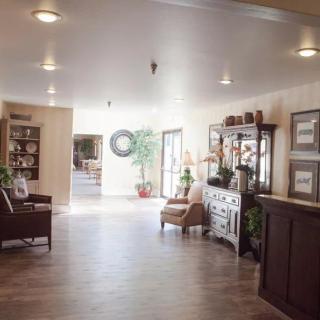
- The common area is spacious, well furnished, and multifunctional for living, dining, and activities like movie/theater/arts and crafts.
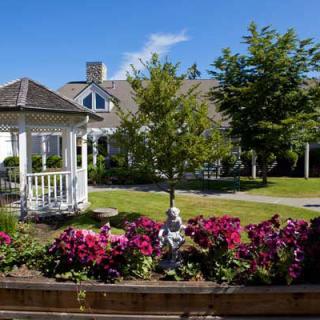
- The garden is lovely and well landscaped.
- The kitchen is open to the living/dining/family room, with coffee and snacks available.
- The owners are friendly and answer questions.
Cons
 Some current residents seemed mobility challenged and unhappy with their aging situations.
- One resident appeared satisfied but not happy about being there, calling it “a place.”
- The residents watched the reviewer but didn’t return smiles, giving an impression of coldness.
- It was not the ideal choice for their parents.
Review
Tumwater Meadows AFH is best suited for families seeking a warm, intimate, home-like assisted living experience where care feels personal and the surroundings promote a tranquil, non-clinical lifestyle. The community shines for those who prioritize a quiet, wooded setting, open, family-friendly visitation, and a place that can feel like home rather than a facility. In particular, it can be a strong fit for families facing dementia placement decisions who want a welcoming environment and flexibility around loved ones’ access and contact with relatives.
There are clear alternatives worth considering for certain needs. Families seeking robust, hospital-level medical oversight or a large continuum of care may be better served by larger, vertically integrated communities with on-site 24/7 nursing and formal memory-care programs. Those who require highly structured daily schedules, dense programming, or aggressive behavioral support may find the intimate AFH model less capable of delivering the intensity some cases demand. Additionally, if a resident’s primary priority is bustling activity and a busy social calendar, this setting’s tranquil pace may feel too quiet.
The strongest positives here offset potential drawbacks in meaningful ways. The owners come across as genuinely caring and accommodating, which translates into a pace and tone that many families value when navigating sensitive transitions. The setting itself, residential, with abundant natural light, gardens, and multi-use spaces, creates opportunities for casual, comfortable interactions, arts and crafts, and informal gatherings that can help residents feel seen and included. The common areas function flexibly as living rooms, theaters, and activity hubs, while outdoor spaces and the covered porch provide accessible options for light exercise and outdoor enjoyment. The ability to bring personal furniture and the home-like kitchen area with readily available snacks reinforce a sense of ownership and familiarity that is often missing in larger facilities.
Yet, the core caveat remains: this is a small, home-style operation, and that carries implications. Some residents appear mobility challenged, which means the level of daily, hands-on assistance may not match what a larger, more staffed community delivers. A few remarks from family members hint at mixed satisfaction among residents, underscoring that the intimate setting can feel quiet to those who crave more social stimulation or who require more robust engagement. For families evaluating dementia care, the AFH model can work very well if the plan centers on personal attention and flexible visitation, but it may fall short for those needing intensive, continuous clinical management.
The ways in which the pros offset the cons are concrete and practical. The intimate staff-to-resident dynamic, reinforced by owner involvement, tends to yield quick responsiveness and a sense of trust that is hard to replicate in bigger facilities. Open visitation policies and the ability to accommodate family schedules reduce isolation risks and support ongoing involvement in care decisions, a critical factor for dementia care and end-of-life planning. Therapies, speech, physical, occupational, being available on-call mitigate concerns about access to rehabilitative services, and the home-like layout makes coordination with care partners smoother rather than more cumbersome. In short, the advantages center on trust, comfort, and ease of integration for families, which can meaningfully outweigh the limitations of scale.
Bottom line: Tumwater Meadows AFH is a compelling option for families prioritizing warmth, personal attention, and a comfortable, home-forward atmosphere. It tends to attract decisions where visitation flexibility and a serene environment matter as much as, or more than, a full suite of clinical amenities. For those whose loved one requires intensive, 24/7 medical oversight, or who want a rapidly paced social calendar and a large staff, alternatives should be pursued. Prospective families should visit with a clear checklist: confirm the level of daily assistance offered, verify staff coverage across the day and night, inquire about memory-care capabilities and wandering safeguards, and assess whether the quiet, residential rhythm aligns with the resident’s personality and needs. If these align, Tumwater Meadows AFH can deliver a trusted, home-centered option that eases transitions and preserves dignity and connection.
 Board and Care Home
 Memory Care
 Activities off-site
 Air-conditioning
 Cable or satellite TV
 Devotional services off-site
 Handicap accessible
 Indoor common areas
 Kitchenette
 Outdoor common areas
 Private
 Respite or short term stays offered
 Wheelchair accessible showers
 Wi-Fi/high-speed internet available
 Diabetic care
 High acuity care
 Incontinence care
 Medication management
 Anytime dining
 Bible study group
 Birthday parties
 Cooking classes
 Resident band or musicians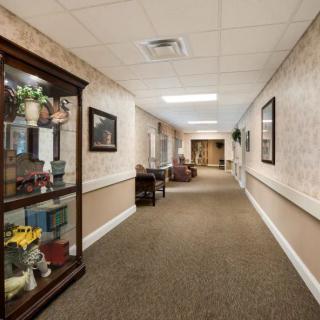
 Memory Care Pathways: A Holistic Guide to Dementia Support
 Comprehending Evening Confusion in Dementia: Causes, Manifestations, and Support
 Delirium and Dementia: Unraveling the Key Differences