
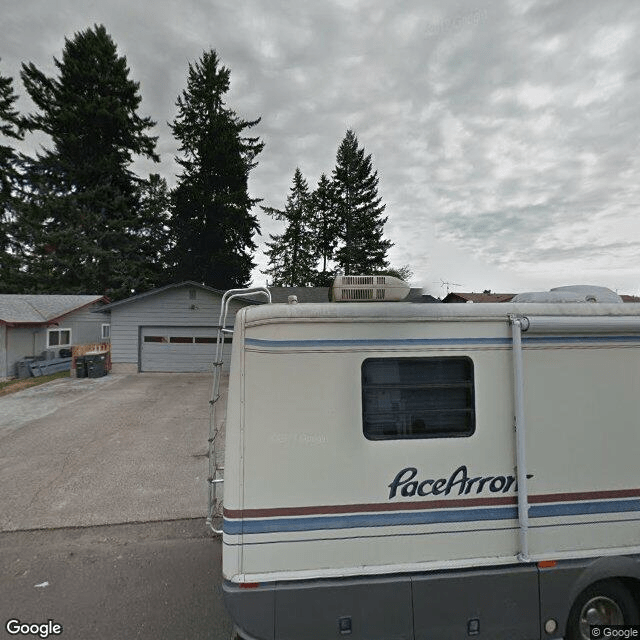
514 Trialblazer Ct. SE, Lacey, WA 98503
To contact a resident: (360) 584-9428
For more information about senior living options: (866) 208-4318
Norflor Manor AFH III Costs & Pricing
Norflor Manor AFH III offers competitive pricing for its residential care services in Thurston County, with monthly costs significantly lower than the regional averages. For a semi-private room, residents can expect to pay $3,500, which is notably less than the county average of $4,280 and the state average of $4,267. Similarly, those opting for a private room will find Norflor Manor's rate of $3,800 to be more affordable than both Thurston County's average of $4,532 and Washington state's average of $4,772. This positioning not only makes Norflor Manor an appealing choice for families seeking quality care at reasonable rates but also reflects the facility's commitment to providing accessible senior living options without compromising on service quality.
| Floor plans | Norflor Manor AFH III | Thurston County | Washington |
|---|---|---|---|
| Semi-Private | $3,500 | $4,280 | $4,272 |
| Private | $3,800 | $4,532 | $4,774 |
Memory care communities with a similar price nearby
-
from +$500 / mo
Canterwoods Estate AFH
$4,000 to $5,500 / month4.8 miles away -
About the same

Ahadi Care Adult Family Home
$3,500 to $4,000 / month24.6 miles away -
About the same
Brooks Blessings Adult Family Home
$3,500 to $5,500 / month17.6 miles away -
from -$405 / mo

The Young House
$3,095 to $6,000 / month12.7 miles away -
from -$500 / mo
The Artful Lodger
$3,000 to $3,600 / month24.2 miles away
Overall Review of Norflor Manor AFH III
Pros
 The staff consistently provide care and compassion, going above and beyond to make residents feel comfortable, safe, and valued.
- The facility is clean, well-maintained, and welcoming.
- Rooms are spacious and allow for personal touches, creating a true home-like environment.
- The common areas are lively and provide a great space for residents to socialize and engage in activities.
- Personalized care plans show they take time to understand each resident’s unique needs and preferences.
- Meals are nutritious and delicious.
- Communication with families is excellent, with regular updates and staff who are always available to answer questions.
- They encourage family involvement, are open to feedback, and are patient and understanding, including with dementia issues; the owner is knowledgeable and ensures residents are well taken care of.
Review
Norflor Manor AFH III is best suited for families seeking a small, home-like setting in Lacey where care feels personal and families stay actively involved. The scoring logic reflected in three positive reviews of a nearby, similarly structured adult family home shows what works: staff who deliver compassionate, individualized attention; a clean, welcoming environment; roomy spaces that residents can personalize; and a lively yet intimate common area that supports meaningful social activity. For families prioritizing steady, transparent communication and a care plan tailored to each resident’s needs, this kind of setting offers real peace of mind and a sense of belonging for the senior who benefits from routine, warmth, and consistent staff attention.
Those who may want to consider alternatives are primarily residents who require more extensive medical infrastructure or rehab services than a small family home typically provides. If 24/7 on-site nursing, physician oversight, or a broader menu of on-site therapies is essential, or if a larger community with more formalized medical programming is non-negotiable, it pays to widen the search to bigger assisted living campuses or dedicated memory-care facilities. Families should also assess whether a more expansive activity calendar and transportation network are priorities, since those features are more common in larger operations.
The strongest pros highlighted in the reviews, and the ones that most clearly offset potential trade-offs, center on personalized care, open communication, and a genuinely homelike atmosphere. A customized care plan, crafted with attention to the resident’s preferences and needs, stands in for a one-size-fits-all approach and helps prevent gaps in daily support. Regular updates to families and easy access to staff create dependable lines of communication, reducing anxiety around a loved one’s well-being. Cleanliness, well-maintained rooms, and a welcoming ambiance offset any concern about a “small-scale” setting feeling less capable, by demonstrating consistent care standards and attention to detail.
Another pivotal pro is the staff’s approach to dementia care. Descriptions of patient, understanding, and patient staff, coupled with an owner who is knowledgeable and actively involved, signal a level of stability and expertise that matters deeply for residents with memory challenges. The ability to address dementia issues with patience and practical strategies, along with a culture of openness to feedback from families, helps ensure that daily routines, safety precautions, and cognitive-stimulation activities remain thoughtful and focused. When family members feel heard and engaged, the perceived risk of limited oversight in a smaller home is significantly reduced.
The daily life picture painted by these reviews is particularly compelling for residents who value personal touches, social engagement, and predictable routines. Spacious rooms that allow personalization, nutritious meals, and lively but manageable common areas create a balanced environment where life-quality can be preserved even as assistance increases. The emphasis on family involvement, through regular updates and an accessible staff team, translates into meaningful continuity of care and reduced emotional strain for loved ones. For seniors who want to thrive in a setting that feels less clinical and more like a true home, these attributes are decisive.
For families evaluating Norflor Manor AFH III, the practical steps are straightforward. Confirm that care plans are genuinely individualized and reviewed regularly, and inquire about dementia-specific training and strategies employed by the staff. Observe interactions during a visit: are caregivers patient, respectful, and engaged with residents? Request a tour of meal service and ask about menu options and food quality. Review the activity calendar and ask how families stay informed about daily progress. Check room configurations, safety features, and the accessibility of the owner or administrator for ongoing questions. If these criteria align with the resident’s needs, and if a smaller, family-oriented setting with strong communication is paramount, this model proves compelling. Conversely, if the resident requires more intensive medical oversight or a broader continuum of rehab and therapy services, alternatives with larger-scale resources may be more appropriate.
 Board and Care Home
 Memory Care
 Activities off-site
 Beautician on-site
 Devotional services off-site
 Indoor common areas
 Outdoor common areas
 Private
 Ambulatory care
 Diabetic care
 High acuity care
 Incontinence care
 Medication management
 Meals provided

 Nourishing the Mind: Essential Dietary Approaches for Dementia
 Understanding Dementia Behaviors: Practical Insights and Strategies for Caregivers
 When Dementia Sparks Anger and Aggression: Understanding the Connection and Ways to Cope