
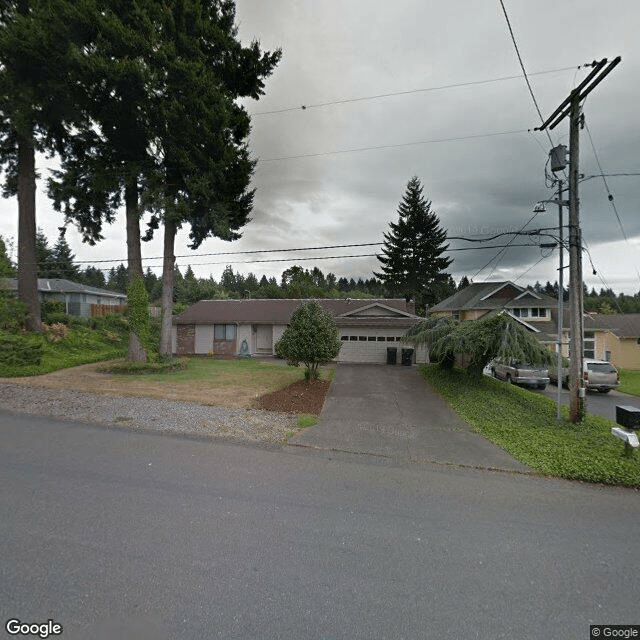
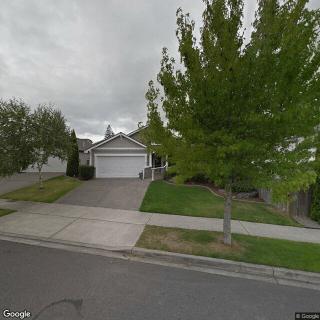
6537 Husky Way SE, Olympia, WA 98503
To contact a resident: (368) 515-0811
For more information about senior living options: (866) 208-4318
Dodd's Adult Family Care Costs & Pricing
Dodd's Adult Family Care offers competitive pricing for its room options compared to the broader market in Thurston County and the state of Washington. For a studio, Dodd's charges $4,500 per month, which is slightly above the county average of $4,131 but on par with the state rate of $4,126. When considering private rooms, Dodd's pricing remains consistent at $4,500, positioning it just below the county's average of $4,532 and significantly lower than Washington's overall average of $4,772. These figures reflect Dodd's commitment to providing quality care while maintaining affordability within the local context.
| Floor plans | Dodd's Adult Family Care | Thurston County | Washington |
|---|---|---|---|
| Studio | $4,500 | $4,131 | $4,128 |
| Private | $4,500 | $4,532 | $4,774 |
Memory care communities with a similar price nearby
-
from -$500 / mo

Canterwoods Estate AFH
$4,000 to $5,500 / month4.9 miles away -
from -$195 / mo

Penrose Harbor at Heron's Key
$4,305 to $7,332 / month22.0 miles away -
from -$300 / mo

The Lodge At Mallard's Landing
$4,200 to $5,500 / month21.0 miles away -
from -$400 / mo

Gencare Lifestyle Tacoma at Point Ruston
$4,100 to $7,000 / month21.9 miles away -
from +$500 / mo
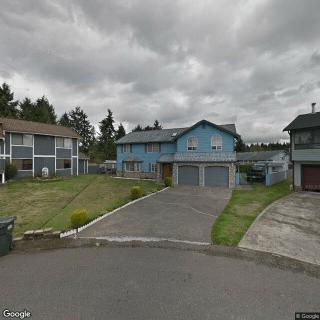
Canna Court Adult Family Home
$5,000 to $7,500 / month2.8 miles away
Overall Review of Dodd's Adult Family Care
Pros
 Families describe Lidia's Adult Family Home as exceptional and full of loving care.
- The meals are homemade, delicious, nutritious, and tailored to each resident's needs.
- The home feels peaceful, calm, and like a real family environment, not a nursing facility.
- Lidia and her staff are consistently attentive, compassionate, and communicative, addressing residents' needs promptly.
- Staff provide around-the-clock care, with dedication such as staying up all night with a resident when necessary.
- Dignity is maintained and residents are kept as active as possible, even as health challenges progress.
- The home is immaculate, well-equipped, and encourages family involvement and visits.
Cons
 The staff yelled at and disrespected residents and even stole belongings.
- The reviewer warned others not to use Dodds, stating that the staff were lazy and mean.
- The stay felt like a prison to the reviewer.
- The place treats elderly residents as temporary.
- The new AFH is not that appealing.
- The reviewer warned not to waste time there.
Review
Dodd's Adult Family Care in Olympia is best suited for families seeking a true home-like environment where care is personal, attentive, and intimately connected to daily living. This community excels for seniors who value warmth, familiar faces, and regular, home-cooked meals delivered with a caregiver’s assurance. It works well for residents who need help with daily activities, a calm, private setting rather than a conventional nursing home, and a level of medical support that can be coordinated within a small, family-style home. The strongest draw is the sense that residents are treated as family members, with caregivers who know their routines, preferences, and histories, and who integrate care with social engagement rather than sterile routines.
Those considering alternatives should note that this option may not suit every situation. For families prioritizing strict professional boundaries, rigid safety protocols, or a larger, more hospital-like staff, other communities with bigger facilities and round-the-clock licensed nursing may be a better match. A recurring concern in the reviews is variability in staff conduct, including claims of yelling or disrespect and even theft, which raises trust and safety questions for residents with cognitive needs or higher care demands. If a resident requires consistent, highly supervised clinical oversight or a transparent, formal grievance process, a larger or more regulated setting deserves strong consideration.
The most persuasive pros, home ambiance, personalized attention, and customized meals, are what offset substantial drawbacks for many families. The ability to tailor meals to individual needs, maintain dignity through familiar routines, and participate in social activities within a family-like framework creates substantial emotional security. The capacity to support hospice or end-of-life care in a familiar environment, aided by equipment, accessibility features, and nurse delegation capacity, further strengthens the appeal for residents who wish to avoid institutional feels while still receiving competent support. When these pros align with staff consistency and trustworthy interaction, the advantage is clear and compelling.
Yet, the negative threads cannot be ignored. Several reviews document troubling staff behavior, including yelling and disrespect, with at least one report alleging misappropriation of belongings. Such experiences erode trust quickly and can jeopardize a resident’s sense of safety, particularly for those with memory challenges or sensitive social dynamics. The occasional “prison-like” or “not appealing” sentiment also signals a mismatch in expectations about autonomy, pace, and the daily lived experience. These are not minor complaints; they are material factors that families must weigh against any perceived warmth and homey charm.
Ultimately, balancing the positives and negatives hinges on concrete, on-the-ground realities during visits. For families drawn to a caring, home-forward setting, the favorable factors can win out if staffing is stable, compassionate, and consistently responsive. Prospective residents should demand transparency on caregiver ratios, continuity of care, medication management, and how nurse delegation is implemented day by day. A direct, unannounced visit during meals and activities can reveal the true dynamics, whether staff are attentive and respectful, whether residents appear engaged and comfortable, and whether privacy and personal routines are respected. References from current families, sample care plans, and documented safety protocols should accompany any impression.
Bottom line: this community is a strong fit for those who crave a deeply personal, family-style living experience where dignity, social connection, and individualized nourishment are prioritized. It can be an excellent fit for late-stage care or hospice within a familiar home setting, provided that the care team remains consistently compassionate and accountable. For families needing tighter professional boundaries, robust formal oversight, or a larger medical footprint, exploring alternatives is prudent. Thorough, in-person evaluations, focusing on staff stability, safety measures, incident history, and receptiveness to family involvement, will determine whether the warmth and personalized touch triumph over the risks, or whether a different path offers greater reassurance and fit.
 Board and Care Home
 Memory Care
 Activities off-site
 Beautician on-site
 Devotional services off-site
 Indoor common areas
 Outdoor common areas
 Private
 Private bathrooms
 Respite or short term stays offered
 Wheelchair accessible showers
 Ambulatory care
 Diabetic care
 Incontinence care
 Medication management
 Kosher



 A Holistic Dementia Care Guide: Effective Strategies for Memory Support
 Memory Care Pathways: A Holistic Guide to Dementia Support
 Comprehending Evening Confusion in Dementia: Causes, Manifestations, and Support