
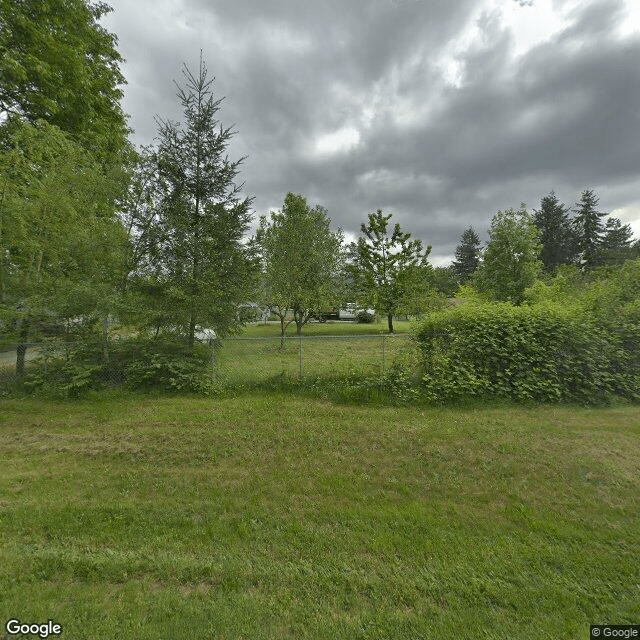
15617 Southeast 290th Street, Kent, WA 98042
To contact a resident: (253) 709-2725
For more information about senior living options: (866) 208-4318
Senior Care AFH Living Costs & Pricing
The costs associated with Senior Care Adult Family Home (AFH) living in King County, Washington, reflect a notable premium compared to the broader state averages. For semi-private accommodations, the monthly fee stands at $5,000, which exceeds both King County's average of $4,430 and the state average of $4,267. Similarly, for one-bedroom units, residents can expect to pay $6,000 in AFH settings, surpassing the county's rate of $5,127 and the state's average of $4,632. For private rooms, the disparity is even more pronounced; while AFH living commands a monthly cost of $7,500, this is significantly higher than King County's rate of $5,034 and Washington state's average of $4,772. These figures highlight not only the elevated costs within King County but also point to a broader trend in senior care expenses that can vary significantly depending on location and type of accommodation offered.
| Floor plans | Senior Care AFH Living | King County | Washington |
|---|---|---|---|
| Semi-Private | $5,000 | $4,430 | $4,272 |
| 1 Bedroom | $6,000 | $5,127 | $4,634 |
| Private | $7,500 | $5,034 | $4,774 |
Memory care communities with a similar price nearby
-
from +$500 / mo

Twin Lake Adult Family Home
$5,500 to $6,500 / month11.5 miles away -
About the same
Peace and Pleasant Care Adult Family Home II
$5,000 to $6,000 / month6.9 miles away -
from -$695 / mo
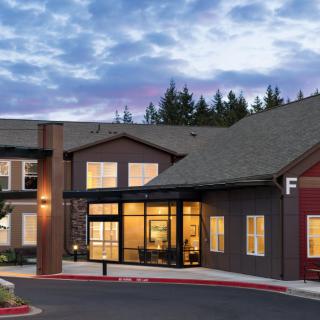
Penrose Harbor at Heron's Key
$4,305 to $7,332 / month21.5 miles away -
from -$500 / mo
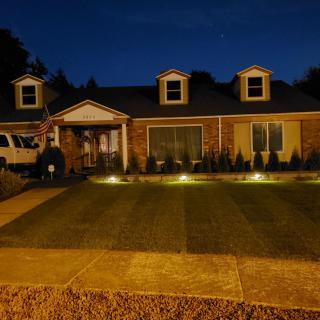
A Serenity AFH
$4,500 to $6,000 / month4.1 miles away -
from +$500 / mo

3 Tree Vista Adult Family Home, LLC
$5,500 / month13.6 miles away
Overall Review of Senior Care AFH Living
Pros
 The senior care home is highly recommended by families.
- The mother was cared for with the utmost respect and dignity.
- The people and the family at the home are amazing.
- The love shown to the mother and daughter felt truly like family.
- Appletree Senior Care is superior to other adult family homes.
- The staff and administration demonstrate the home’s mission and vision in action.
Review
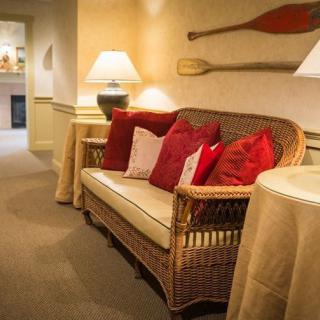
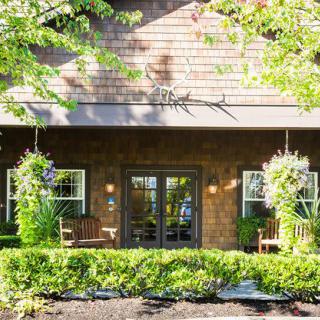
Senior Care AFH Living in Kent, WA is best suited for families seeking a small, home-like setting where residents receive remarkably personalized care and where staff treat elders with genuine warmth and respect. The stories from families emphasize care delivered with dignity, and the environment feels like a true extension of family life. This is the kind of community where a spouse or adult child can drop in, know the caregiving team, and observe a daily rhythm that centers on comfort, safety, and emotional well-being. For seniors who value intimate attention, steady routines, and a crew that makes the residence feel like family, this is a compelling option.
Those weighing alternatives should consider whether needs extend beyond what a single-family home atmosphere can sustain. If a resident requires intense clinical oversight, complex medical management, or a memory-care environment with specialized protocols, a larger assisted living or dedicated memory-care setting may be more appropriate. Similarly, families seeking a broad social calendar, extensive on-site programming, or a facility with substantial on-site nursing staff at all hours might find roomier options more aligned with expectations. In short, the intimate AFH model shines in personal connection, but may not be the ideal fit for every level of care.
The strongest pros reside in the relationships that permeate daily life. Residents are cared for with evident respect and dignity, and families consistently note that the care team functions as an extended family. The environment cultivates trust, with loved ones reporting that the staff embody the mission and vision in tangible ways. The emotional reassurance is palpable: caregivers know residents well, recognize changing needs quickly, and display a readiness to accommodate family involvement. Those elements, consistency, compassion, and a clearly lived purpose, often translate into less caregiver turnover and a more stable, reassuring presence for residents.
This intimate setting does come with trade-offs, but the positives often offset them decisively. A smaller footprint means fewer on-site resources than a larger facility might offer, which can translate into more limited activities, less formal programming, or a lighter clinical footprint. Yet the reviews indicate that the care team’s attentiveness and the family-like culture routinely compensate for those gaps. When families can participate and observe daily interactions, the sense of security rises: staff are accountable, responsive, and aligned with residents’ goals. In this way, the pros, dignified care, personal attention, and mission-driven service, largely counterbalance any constraints typical of a smaller home.
For decision-makers who still need to benchmark options, it’s prudent to compare this Kent AFH with larger communities that boast broader clinical services, exercise programs, and memory-care corridors. If a resident’s needs include regular 24/7 nursing availability, structured group activities across multiple age groups, or dementia-specific programming with trained specialists, those features should drive the search elsewhere. However, for families prioritizing a low-key, high-trust environment where the care feels customized and deeply human, the case for this home remains strong. The testimonials suggest a level of warmth and integrity that is rare in larger settings.
Ultimately, this community stands out for families seeking a compassionate, family-centered approach to aging in place. It is especially compelling for couples transitioning from independent living or for spouses who want reassurance that their loved one will be treated with unparalleled respect. Prospective residents and their families should visit with specific questions about daily routines, staff continuity, and how care plans are updated, then weigh whether the intimate, mission-driven model aligns with current medical and emotional needs. If alignment exists, the decision becomes clear: choose a setting where care feels less like service and more like a trusted, extended family partnership.
 Board and Care Home
 Memory Care
 Activities off-site
 Bath tubs
 Indoor common areas
 Outdoor common areas
 Private
 Private bathrooms
 Seattle-Tacoma International (11 miles away)
 Diabetic care
 High acuity care
 Incontinence care
 Medication management
 Kosher
 Christian services
 Estimating the Expenses of At-Home Dementia Care: A Detailed Exploration
 Comprehensive Insights on the Late Stages of Dementia: What to Expect and How to Provide Care
 Medications Associated with Dementia Risk: A Comprehensive Overview