
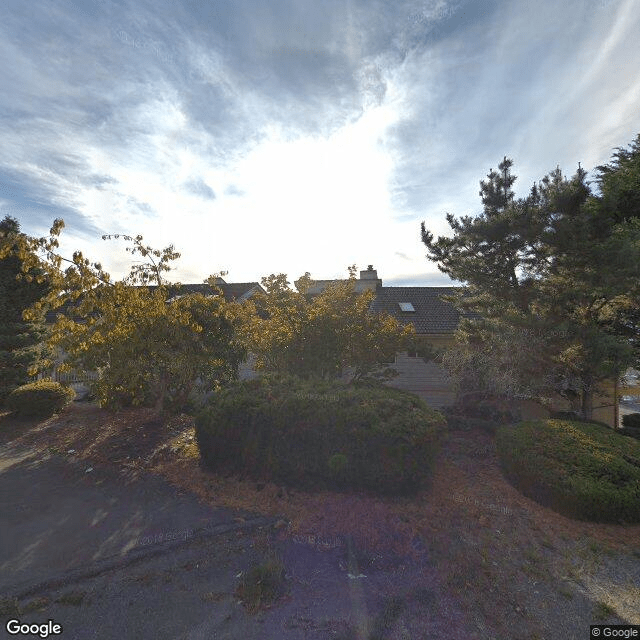
7404 Braemar Drive, Edmonds, WA 98026
To contact a resident: (425) 772-3269
For more information about senior living options: (866) 208-4318
Amazing Grace AFH II Costs & Pricing
Amazing Grace AFH II offers private room accommodations at a competitive rate of $4,500 per month. This cost is notably lower than the average in Snohomish County, where the typical expense for similar facilities stands at approximately $4,834, as well as below the state average of $4,772 for Washington. This pricing reflects Amazing Grace AFH II's commitment to providing quality care in a comfortable environment while maintaining affordability in comparison to regional and state-wide standards. Such competitive pricing positions Amazing Grace AFH II as an attractive option for families seeking residential care solutions without compromising on quality or comfort.
| Floor plans | Amazing Grace AFH II | Snohomish County | Washington |
|---|---|---|---|
| Private | $4,500 | $4,834 | $4,774 |
Memory care communities with a similar price nearby
-
About the same
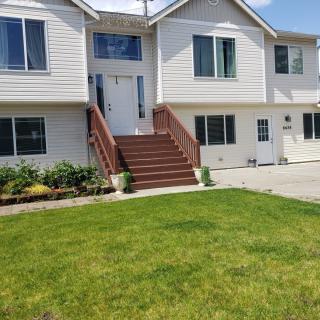
We Care Adult Family Home
$4,500 to $8,000 / month8.6 miles away -
from +$500 / mo
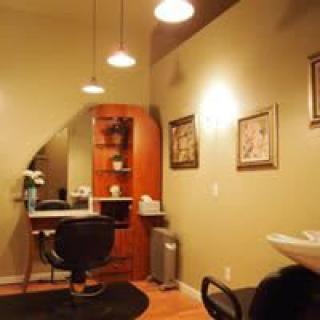
Abundant Life Lynnwood
$5,000 to $6,000 / month3.8 miles away -
About the same
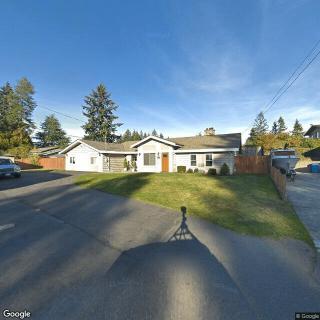
Happy Family Adult Family Home 2
$4,500 / month5.7 miles away -
About the same
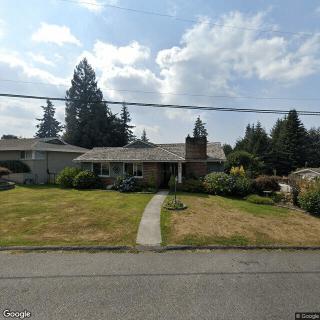
Amy's Adult Care Home
$4,500 / month9.4 miles away -
About the same
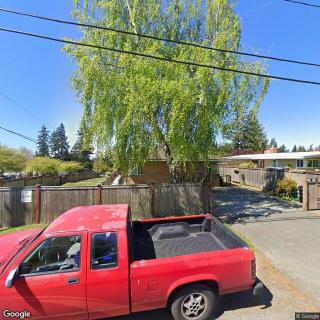
Happy Family Adult Family Home 3
$4,500 to $5,500 / month8.4 miles away
Overall Review of Amazing Grace AFH II
Pros
 They have had a very good and positive experience with Amazing Grace AFH.
- Amazing Grace AFH is described as excellent and very thorough, with no negative points.
- The value is pretty good, and price reductions make it more affordable than the previous place.
- They offer activities like weekly karaoke, resident outings, bingo, and good food, which their mother likes.
- The homes are very nice, with small, well-organized layouts and safety features like grab bars in all bathrooms.
Review
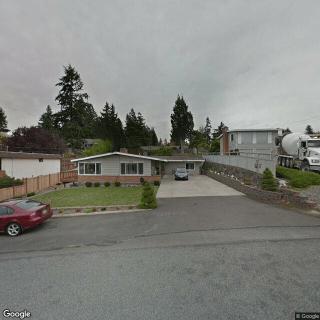
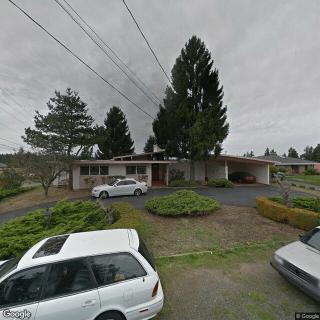
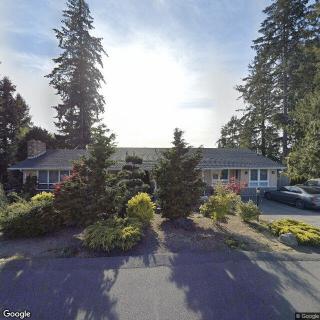
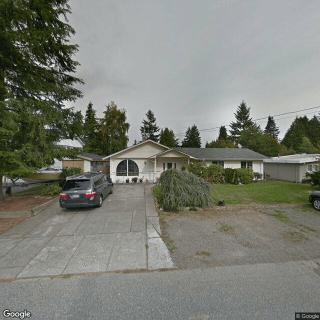
Amazing Grace AFH II in Edmonds is best suited for seniors who want a truly small, home-like living arrangement with hands-on supervision and regular social engagement. The three-house model caps total residents around 18, delivering daily attentiveness that larger campuses struggle to match. Staffing is deliberately intimate, with roughly one caregiver for every three residents, which translates into more personalized assistance and a steadier daily routine. For families watching price, the value proposition is compelling, especially after recent adjustments that made this option more accessible than when first encountered. This is not a place for those seeking a sprawling campus or a suite of upscale amenities; it is for families prioritizing closeness, practicality, and dependable care in a modest setting.
Those weighing alternatives should consider whether around-the-clock skilled nursing, memory-care specialization, or expansive outdoor space are essential. The footprint here is compact: three small homes with limited yard space and no plan for large, on-site medical clinics. While weekly activities like karaoke and outings provide social texture, the range of amenities will be far from what larger communities offer. For residents who require private bathroom access as a default, the layout may feel restrictive since two rooms per floor have private baths while the rest share bathrooms. This arrangement can influence privacy and morning routines, particularly for residents who value independent access to a bathroom during the night.
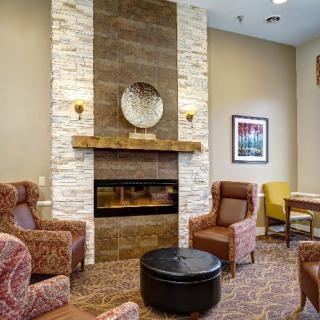
The strongest positives stem from the intimate setting and the clear emphasis on personal attention. Clean, recently renovated interiors, no lingering odors and thoughtful safety features, demonstrate a focus on a comfortable, livable environment. Each floor includes two rooms with private bathrooms, and all remaining rooms share a bath, which keeps living spaces affordable without sacrificing essential hygiene. Large, open communal spaces and two dining areas, one on each floor, support socialization without overwhelming residents. The homes are sized around 4,000 square feet each, with residents contributing their own furniture to foster a genuine home feel, enhancing comfort and familiarity for day-to-day life.
These advantages offset several potential drawbacks, but not perfectly. The high caregiver ratio helps mitigate the realities of a small operation: staff can know individual routines, offer timely assistance, and maintain a calm tempo that many families value. The presence of regular activities, karaoke, local excursions, and shared meals, helps maintain engagement and a sense of community, which is often core to satisfaction in assisted living. On the flip side, the limited outdoor space and the absence of universal private baths can be a deal-breaker for residents who prize privacy and outdoor time or for families seeking a more self-contained, resort-like experience. The ongoing renovations also create a transitional atmosphere at times, which may affect perception of consistency.
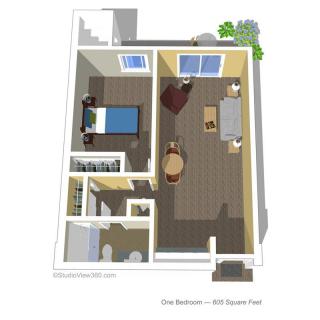
Practical details reinforce the decision framework. Each home operates with a simple, predictable structure: three homes, each with a maximum of six residents, and a staffing model roughly aligned to one caregiver for every three residents. The floor plans emphasize practical flow: main kitchens on the primary level and smaller kitchens on the lower level, which can influence meal service and food variety. The facility emphasizes safety with grab bars in all bathrooms and a preference for residents to furnish their spaces, reinforcing the sense of ownership and hominess. Communal spaces and dining areas are thoughtfully distributed to minimize crowding, supporting a relaxed social cadence rather than a bustling campus atmosphere.
In the end, this community is a strong fit for seniors who want a warm, tight-knit, cost-conscious setting where caregivers know residents by name and daily life stays personal and manageable. It is less suited for those who require extensive medical oversight, a broad spectrum of amenities, or generous outdoor space. For families exploring options, compare Amazing Grace AFH II with larger assisted living facilities that offer on-site nursing, memory-care programs, and more expansive grounds. Visit with staff to gauge consistency and care philosophy, inquire about meals and dietary accommodations, and observe how activities are tailored to individual interests. When the match is right, the need for close, attentive care paired with a reasonable price, the small, well-run homes can be a very strong choice.
 Board and Care Home
 Memory Care
 Cats allowed
 Dogs allowed
 Activities off-site
 Devotional services off-site
 Indoor common areas
 Outdoor common areas
 Private
 Private bathrooms
 Respite or short term stays offered
 Wheelchair accessible showers
 Diabetic care
 High acuity care
 Incontinence care
 Medication management
 Meals provided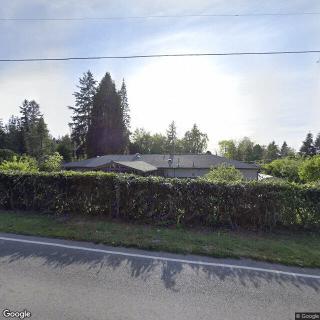
 Why Do Dementia Patients Sleep So Much? Understanding Oversleeping, Stages, and Care Approaches
 8 Key Indicators That Suggest It May Be Time to Transition from Assisted Living to Skilled Nursing Care
 Nourishing the Mind: Essential Dietary Approaches for Dementia