
412 Farrell Street, South Burlington, VT 05403
For more information about senior living options: (866) 208-4318
Overall Review of Memory Care at Allen Brook
Pros
 The place is described as a great, very clean, safe, and comfortable home for tenants.
- The tenants are portrayed as nice and happy to be living in the building.
- Casey Chamberlin is praised for going out of her way to help, showing generosity, and being patient and willing.
- The overall impression is that the property is nice, comfortable, and clean.
Review
Memory Care at Allen Brook in South Burlington is best suited for seniors with memory needs who want a compact, home-like setting where warmth, safety, and personal attention define daily life. Families seeking a straightforward, clean, and approachable environment will find this community a solid match. The emphasis on a comfortable living space, resident friendliness, and an easy, welcoming onboarding makes it a practical choice for those prioritizing an emotionally smooth transition and steady daily routine over resort-style amenities.
Those who may want to consider alternatives include families requiring more intensive clinical oversight or a broader spectrum of medical services around the clock. If a larger campus with extensive memory-care programming, or a setting that demonstrably stocks higher staff-to-resident ratios and a more structured activities calendar, is essential, other communities should be explored. Additionally, households with tighter budget constraints or a preference for a more bustling, city-like environment may want to compare options to ensure expectations around scale and services are met.
The strongest positives are tangible and consistently echoed: spaces that feel clean, safe, and comfortable, with residents who appear at ease and content in their surroundings. The staff presence and demeanor come through as friendly and approachable, contributing to a sense of belonging and trust. In particular, the admissions contact, Casey Chamberlin, emerges as a standout asset, delivering personalized, compassionate support that smooths the move-in process and helps families navigate documentation and logistics with sensitivity. That level of responsiveness translates into reduced stress at a critical juncture and sets a foundation for ongoing rapport.
These advantages matter because they translate into practical, day-to-day advantages for families and residents. A home-like environment paired with attentive staff can lessen relocation anxiety, encouraging residents to settle more quickly and engage with daily life. Cleanliness and safety measures support peace of mind for families, while positive interactions among residents and staff foster a community atmosphere rather than a clinical one. When onboarding is handled with patience and flexibility, the initial transition often yields higher satisfaction for both the resident and the family, which is a meaningful offset to the intangible costs of moving into memory care.
Still, the posted feedback is not without caveats. The rating mix, several mid-range reviews alongside those five-star impressions, signals that experiences can vary. While no specific care gaps are detailed in the available comments, the presence of 3-star ratings suggests that some families encounter expectations that aren’t fully met in every case. Given the lack of explicit negatives, the prudent reader should verify aspects that matter most: the depth and consistency of memory-care programming, the cadence of activity offerings, measurable staffing levels, and the clarity of ongoing family communication. Prospective residents should also confirm how care plans are crafted, updated, and shared with relatives.
The bottom line is practical and decision-oriented: Allen Brook Memory Care offers a compelling option for families prioritizing a homey feel, a clean and safe environment, and genuinely responsive admissions support. It is a strong match for those who value interpersonal warmth and a straightforward transition into memory care. For families needing more intensive clinical oversight, larger-scale programming, or a richer array of daily activities, it’s wise to compare alternatives to ensure the chosen setting aligns with long-term care demands and expectations. A guided visit with questions focused on care depth, staff availability, and family updates will clarify whether this community fits the required level of oversight and engagement.
 22 resident community capacity
 Memory Care
 Beauty salon
 Cable or satellite TV
 Dining room
 Fully furnished
 Garden
 Housekeeping services
 Kitchenette
 Move-in coordination
 Outdoor space
 Telephone
 Wi-Fi/high-speed internet available
 Burlington International (3 miles away)
 24-hour call system
 Activities of daily living assistance
 Assistance with bathing
 Assistance with dressing
 Assistance with transfers
 Diabetes diet
 Hospice waiver
 Meal preparation and service
 Medication management
 Mental wellness program
 Special dietary restrictions
 Transportation arrangement (medical)
 Transportation to doctors appointments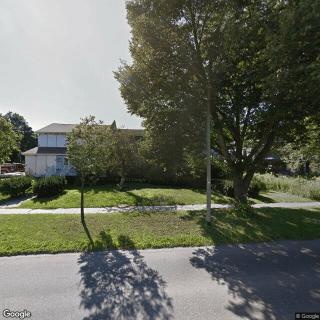







 A Detailed Exploration of Assisted Living Medicaid Waivers Across the United States
 Exploring the Contrasts Between Assisted Living and Skilled Nursing
 Vibrant Senior Living: A Comprehensive Guide for Active Older Adults