
5109 Lake Forest Drive, Rowlett, TX 75088
To contact a resident: (214) 607-9120
For more information about senior living options: (866) 208-4318
Livia's Care Costs & Pricing
Livia's Care offers competitive pricing for its services compared to both Rockwall County and the broader Texas market. For a private room, Livia's Care charges $2,500 per month, significantly lower than the county average of $3,387 and the state average of $4,096. This provides substantial savings for families seeking quality care without compromising on comfort. Similarly, the studio option at Livia's Care is priced at $3,000 per month, which remains more affordable than Rockwall County's average of $4,207 while being slightly above the state's average of $3,758. Overall, Livia's Care stands out as an economically viable choice for those in need of assisted living options in the region.
| Floor plans | Livia's Care | Rockwall County | Texas |
|---|---|---|---|
| Private | $2,500 | $3,387 | $4,096 |
| Studio | $3,000 | $4,207 | $3,758 |
Memory care communities with a similar price nearby
-
from +$300 / mo

B & Y Care Home
$2,800 to $4,000 / month17.8 miles away -
from -$115 / mo
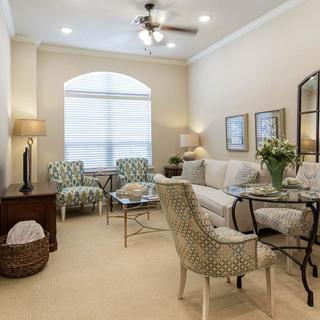
Briarview Senior Living
$2,385 to $5,715 / month19.1 miles away -
from +$495 / mo
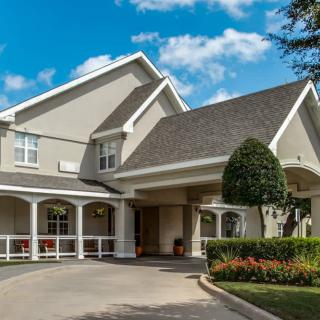
Parsons House Preston Hollow
$2,995 to $4,295 / month16.8 miles away -
from +$225 / mo

Monticello West
$2,725 to $5,095 / month14.2 miles away -
from +$300 / mo
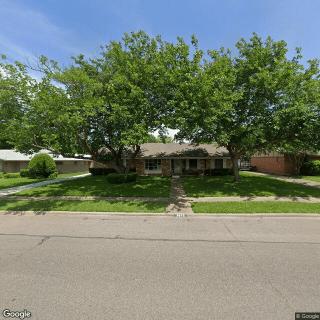
Snowbirds Roost
$2,800 to $3,000 / month18.4 miles away
Overall Review of Livia's Care
Pros
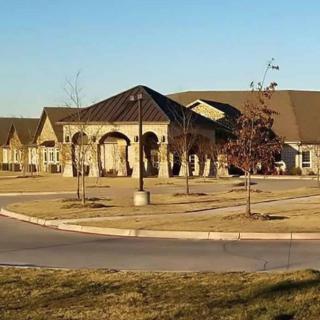
 The home is beautiful.
- It is a beautiful home.
Cons
 The owner/caregivers speak little English, making communication difficult.
- The language barrier with the owner/caregivers hinders effective communication.
Review
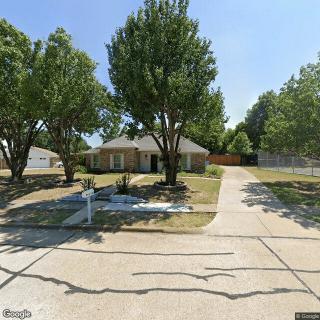
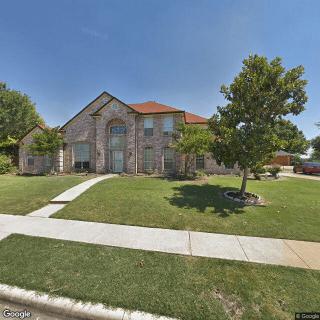
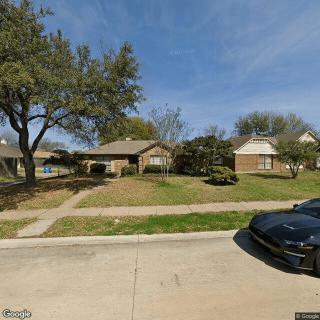
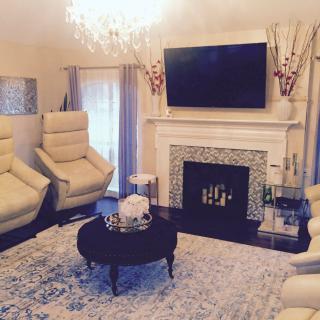
Livia’s Care in Rowlett, Texas appears best suited for families who prize a warm, home-like atmosphere and personal, attentively tended days for their loved one. The property reads as a beautiful residence, offering a cozy, non-institutional feel that can make a transition into care less jarring. That strength matters a great deal for residents who respond well to a familiar, domestic environment and to caregivers who know them personally. The flip side, however, is a pronounced language gap: the owner and caregivers reportedly do not speak much English. For families where clear, frequent English communication is non-negotiable, think medication changes, daily care updates, and rapid escalation of concerns, this gap can become a meaningful obstacle. In practical terms, the setting works best when language barriers can be bridged by family involvement or bilingual staff, rather than relied upon as the default mode of operation.
Families should explicitly consider alternatives if English-language clarity is essential to safe, coordinated care. The two available reviews give a consistent signal that communication may be hindered by limited English proficiency among the caregiving team. If a resident requires regular, easy-to-understand instructions, real-time questions answered, and prompt, written confirmations in English, this facility may prove frustrating or risky. Those with complex medical regimens, dementia-related communication needs, or family members who need to stay as active care coordinators will likely want options with stronger English-speaking staffing or at least readily available translation support. In short, this community is less suitable for households prioritizing seamless, language-forward care coordination.
Yet the favorable attributes do carry meaningful weight when weighed against the language concern. The beauty of the home setting can translate into lower stress, more predictable daily routines, and a relational caregiving dynamic that feels more personal than some larger facilities. For families who can tolerate or mitigate the language barrier, through in-person translators, written notes in a preferred language, or the involvement of bilingual family members, these strengths offer tangible comfort, a calmer pace, and a sense of belonging for a loved one. The closeness of a smaller operation can also foster stronger ties with caregivers, which matters for daily mood, consistency, and perceived attentiveness. When language is not a bottleneck, the home atmosphere becomes a real asset.
From a practical standpoint, families should pursue a focused, candid tour that tests communication workflows before making any commitment. Ask for a walkthrough with a bilingual staff member or the owner to gauge how day-to-day updates, care plans, and medication instructions will be conveyed. Request sample entries of care notes, incident reports, and care-plan reviews written in the resident’s preferred language, if possible. Inquire about how shifts are staffed and how language barriers are handled during emergencies or off-hours. Clarify whether there is access to translation services or a designated point person who can bridge language gaps with families. These conversations will reveal whether the home-like appeal can be sustained without compromising safety and accountability.
Ultimately, the decision centers on a balance between ambiance and communication reliability. Livia’s Care is a viable option for families who value a beautiful, intimate setting and can invest in bridging the language gap, whether through family involvement, bilingual staff, or translation aids. For those who cannot compromise on English clarity in daily care, or who require consistent, immediate understanding of care decisions, alternatives with stronger English-speaking leadership and more transparent communication processes should be prioritized. The recommendation is clear: treat language capability as the deal-breaker variable, and verify it upfront with concrete, written communication standards during any serious consideration. A thoughtful tour, plus direct questions about language, staffing, and care coordination, will separate a warm, home-like fit from a program that may quickly feel risky or frustrating.
 Board and Care Home
 Memory Care
 Private
 Private bathrooms
 Respite or short term stays offered
 Dallas Love (18 miles away)
 Diabetic care
 High acuity care
 Christian services


 Comprehensive Insights on the Late Stages of Dementia: What to Expect and How to Provide Care
 Medications Associated with Dementia Risk: A Comprehensive Overview
 Guiding Your Journey: Understanding Power of Attorney for Elderly Parents