
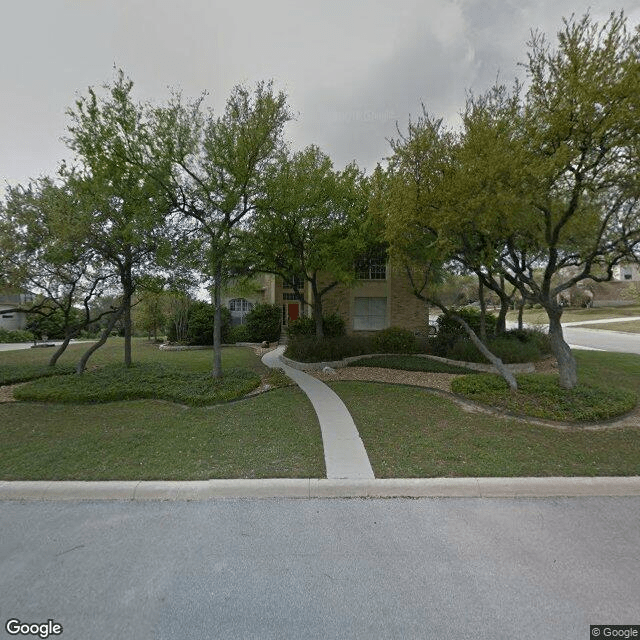
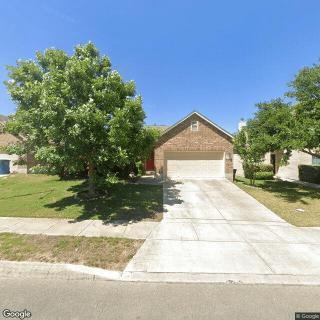
9634 Jason Bend, Helotes, TX 78023
To contact a resident: (623) 977-8700
For more information about senior living options: (866) 208-4318
San Antonio - A+ CARE 1 Costs & Pricing
San Antonio - A+ CARE 1 offers competitive pricing for its residential options, with a consistent monthly rate of $3,500 across private rooms, studios, and one-bedroom units. This pricing places it slightly above the average costs in Medina County, where similar accommodations range from $3,085 to $3,450. In contrast, the overall state average in Texas is higher, with costs for these types of rooms reaching up to $4,096 for private accommodations. This positioning suggests that A+ CARE 1 not only provides value within the local market but also maintains affordability compared to broader state trends, making it an appealing choice for prospective residents seeking quality care without excessive financial burden.
| Floor plans | San Antonio - A+ CARE 1 | Medina County | Texas |
|---|---|---|---|
| 1 Bedroom | $3,500 | $3,085 | $3,761 |
| Private | $3,500 | $3,450 | $4,096 |
| Studio | $3,500 | $3,293 | $3,758 |
Memory care communities with a similar price nearby
-
About the same

Parkway Assisted Living
$3,500 to $4,500 / month8.5 miles away -
About the same
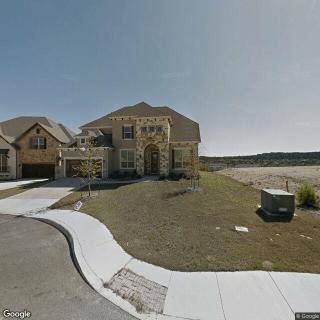
San Antonio - A-Z Senior Care 1
$3,500 / month3.5 miles away -
from +$500 / mo
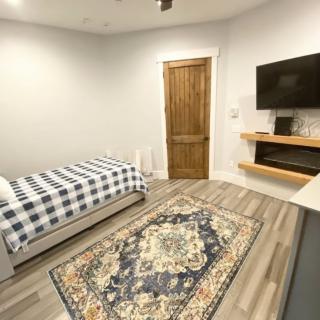
Aging Gracefully Assisted Living
$4,000 to $4,500 / month4.8 miles away -
from -$500 / mo
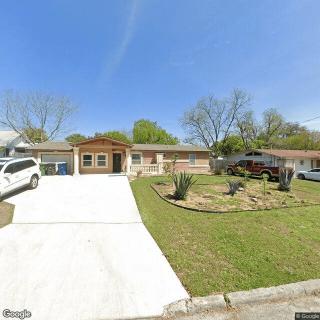
Paam Care, LLC
$3,000 to $3,500 / month9.5 miles away -
from -$601 / mo

The Etta at Shavano Park
$2,899 to $5,199 / month6.3 miles away
Overall Review of San Antonio - A+ CARE 1
Pros
 The staff were very friendly, professional, and caring.
 - Daniel, Alexis, and Michael were praised for their helpful and encouraging physical therapy.
- Kenneth's therapists provided a supportive and reassuring experience throughout treatment.
- Great Health Home Care is mentioned in a positive light.
- PHC provider services are described as among the greatest and always ready to assist with any needs.
Cons
 The reviewer notes that A-Plus is a total failure and should be renamed F Rehab.
- The speech-therapy visit was a terrible experience for their child.
- The staff started by giving a toy to the toddler, then took it away, causing distress.
- The therapist questioned why the child cried and asked invasive questions, making the parent feel judged.
- The therapist appeared inexperienced and lacked basic customer-service etiquette and knowledge of how to work with children.
- The questions were unreasonable and could have been handled online; it felt like taunting.
- The team gave the impression they were not speech specialists and failed to convey any “wow” factor.
- Scheduling was poor, with a month-long wait and only lunch-time slots that interfered with the child’s nap time.
- The company seemed focused on Medicaid paperwork over care, making it feel like the wrong choice.
- There was no condolences offered when informed of a family member’s death, signaling a lack of empathy.
- The service was criticized for prioritizing insurance information over helpful rates, with little transparency.
Review
A+ CARE 1 in Helotes, TX, is best suited for seniors who want a small, personally attentive rehab presence and can tolerate variability in scheduling and cross-service consistency. The strongest, consistently reported positive thread relates to the physical therapy team: friendly, professional clinicians who seem genuinely encouraging, capable of guiding mobility and recovery with a steady, hands-on approach. For residents who respond well to direct, one-on-one attention and a warm therapeutic tone, the rehab experience can feel supportive and motivating, which is a meaningful advantage in a setting where daily routines hinge on functional gains.
Those considering alternatives should note that this community might not meet needs centered on reliability, predictability, and broad-based care coordination. Families prioritizing a tightly run operation with uniform care plans across therapy, nursing, and activities, backed by transparent scheduling and proactive communication, will want to look elsewhere. Several reviews point to inconsistent scheduling, with limited appointment windows and clashes with daily routines or nap times, plus concerns about how care is coordinated across disciplines. When time management and seamless cross-team communication are non-negotiable, this option warrants caution.
In weighing the pros against the cons, the most persuasive upside remains the dedicated rehab staff. The positive impressions of Daniel, Alexis, and Michael in therapy scenarios illustrate what dedicated clinicians can accomplish: steady encouragement, practical guidance, and a sense that progress is being watched and supported. Those gains, however, appear to risk being undercut when other services, particularly speech therapy, are described as lacking depth or confidence, and when administrative elements undercut the experience with tangled scheduling or unclear expectations. The balance tilts toward a cautious fit for rehab-forward residents, but with clear guardrails on overall care coordination.
Another cautionary note centers on communication and empathy. One review highlights a lack of condolence or timely acknowledgment after a family member’s passing, which speaks to a culture that may struggle with sensitive, person-centered moments. Emotional support and respectful, timely communication are not optional extras in senior living; they are essential to a sense of security and trust. While warm, competent therapists exist within the team, the absence of consistently empathetic, holistic communication across all staff can erode confidence in the overall resident experience. This is a meaningful red flag for families seeking stability and reassurance beyond the rehab chair.
For decision-making, the prudent path is to probe beyond surface impressions. Prospective residents should request a focused tour of the rehab spaces and daily living supports, and demand direct contact with the supervisor who coordinates across therapies. Ask about staff training, turnover, and the process for updating care plans; confirm who tracks progress toward goals and how residents and families receive progress updates. Inquiries about billing, Medicaid-related processes, and how Medicaid concerns are handled should be explicit. Engage current residents or families if possible to assess consistency of responsiveness, wait times, and whether promises translate into real, day-to-day reliability.
Bottom line: A+ CARE 1 can work for seniors who prize a warm, hands-on rehab presence and can tolerate some scheduling variability and uneven cross-disciplinary consistency. For families where dependable scheduling, cohesive care coordination, and consistently empathetic communication are non-negotiable, alternatives with stronger, more uniform geriatric care credentials are worth exploring. The decisive step is to validate alignment on therapy depth, care coordination, and responsive communication before commitment, and to compare with nearby communities that demonstrate steadier reliability and a clearly integrated care model.
 Board and Care Home
 Memory Care
 Activities on-site
 Devotional services off-site
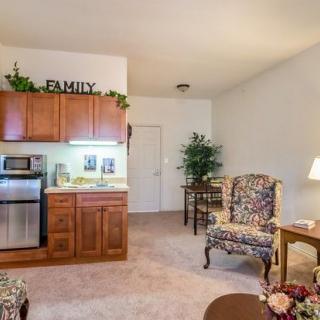
 Indoor common areas
 Private
 San Antonio International (12 miles away)
 Ambulatory care
 Diabetic care
 Meals provided





 8 Key Indicators That Suggest It May Be Time to Transition from Assisted Living to Skilled Nursing Care
 Nourishing the Mind: Essential Dietary Approaches for Dementia
 Understanding Dementia Behaviors: Practical Insights and Strategies for Caregivers