
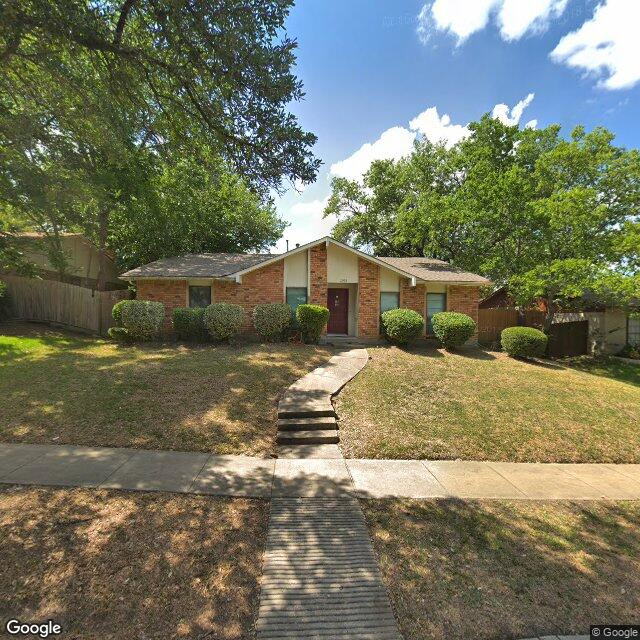
2909 Clover Valley, Garland, TX 75043
To contact a resident: (972) 693-0113
For more information about senior living options: (866) 208-4318
Gracious Care Home - Garland Costs & Pricing
Gracious Care Home in Garland offers competitive pricing for its residential care services, particularly when compared to both Dallas County and the broader Texas market. For a semi-private room, residents can expect to pay $2,500 per month, which is significantly lower than the county average of $3,535 and the state average of $3,680. Studio accommodations are priced at $3,000, again offering a more affordable option than both Dallas County's average of $3,625 and Texas's average of $3,758. Moreover, private rooms are also available at $3,000 per month at Gracious Care Home - this rate stands in stark contrast to the higher costs of $4,702 in Dallas County and $4,096 statewide. Overall, Gracious Care Home positions itself as an economical yet quality choice for those seeking assisted living options in the Garland area.
| Floor plans | Gracious Care Home - Garland | Dallas County | Texas |
|---|---|---|---|
| Semi-Private | $2,500 | $3,535 | $3,680 |
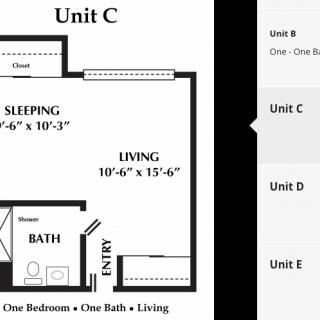
| Studio | $3,000 | $3,625 | $3,758 |
| Private | $3,000 | $4,702 | $4,096 |
Memory care communities with a similar price nearby
-
from +$300 / mo

B & Y Care Home
$2,800 to $4,000 / month17.9 miles away -
from -$115 / mo
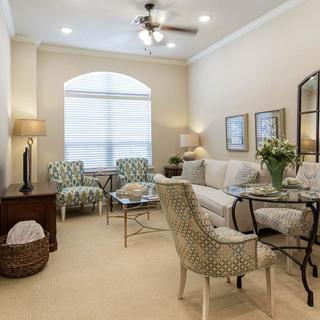
Briarview Senior Living
$2,385 to $5,715 / month19.0 miles away -
from +$495 / mo
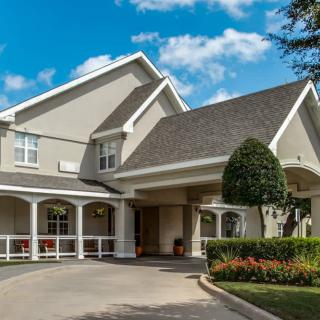
Parsons House Preston Hollow
$2,995 to $4,295 / month14.9 miles away -
from +$225 / mo

Monticello West
$2,725 to $5,095 / month11.6 miles away -
from +$300 / mo
Snowbirds Roost
$2,800 to $3,000 / month17.1 miles away
Overall Review of Gracious Care Home - Garland
Cons
 The facility is described as awful.
- The food is bad and not nutritious or healthy.
- Linens are not changed, and the caregiver is rude and mentally abusive to residents.
- The staff are not well trained to care for senior citizens, and language barriers exist.
- Movement is restricted; residents are kept mostly in bed or in a wheelchair.
- Bedsores and untreated pneumonia occurred and were hidden from the family.
- The resident died after about 7.5 months at the facility.
- No condolence call was made to the family after the death.
- There were financial concerns, including unpaid rent claimed by the facility.
Review
Gracious Care Home in Garland is best suited for families with extremely limited options who can and will actively supervise daily care, monitor health changes, and press for accountability. The reviews indicate a pattern of neglectful care, poor hygiene, and disengaged staff, making this residence a risky choice for anyone relying on consistent, respectful treatment. It is not a fit for seniors who need regular medical oversight, mobility encouragement, or a rehabilitative focus. Realistically, only those who have no viable alternative and who can stay closely involved from admission onward should consider this home, with a clear plan to monitor every shift, meal, and medication change.
Those who may want to consider alternatives are families prioritizing English-speaking staff, attentive caregivers, and transparent, responsive communication. If a senior requires nutritious meals, timely linen changes, consistent daily routines, and a facility that honors requests for contact when concerns arise, this home should not be pursued. Any family that values safe, dignified care and a proactive approach to pressure sores, infections, and hydration should look at other facilities. Prospective residents should also demand evidence of licensure compliance, clear incident reporting, and a track record of staff training, without which the choice becomes unacceptable.
From the perspective of outcomes, the absence of credible advantages renders the potential positives moot. The only conceivable upside, perhaps a smaller, home-like environment, does not appear to compensate for persistent, systemic problems described by multiple families. The overwhelming issues, unprofessional conduct, neglect of basic needs, and unsafe health conditions, tip the balance decisively toward seeking alternatives. In practical terms, the apparent affordability cannot offset the risk of bedsores, pneumonia, malnutrition, and the emotional toll of perceived abandonment.
Specific concerns recur across accounts: meals described as unnutritious; linens not changed; staff behavior labeled rude and abusive; language barriers that hinder safe care; staff training deemed insufficient; restrictions on residents’ mobility that effectively confine them to bed or wheelchair; serious health harms including bedsores and pneumonia that were not promptly addressed; a troubling lack of communication with families, including a disputed rent matter and missing condolences after a resident’s passing. These patterns collectively signal a care environment that fails basic expectations for guardianship, dignity, and safety, undermining trust in daily operations and health outcomes.
It is essential for families evaluating assisted living to push beyond surface impressions. Seek facilities with clear meal plans and evidence of nutrition oversight, actively observe mealtime for pacing, texture, and resident participation, and ask for the care schedule and incident logs. Verify staffing ratios, qualifications, and language proficiency; request bilingual staff if needed; and interview several staff members privately about daily routines. Check licensure status with the state and review any prior enforcement actions. Contact current residents or their families, if possible, to gauge consistency of response when concerns arise. Ensure a formal, written grievance process and a commitment to timely family updates.
Overall, the balance of evidence from the available reviews is against Gracious Care Home for any senior requiring reliable care and respectful treatment. Families should prioritize alternatives with stronger staffing, transparent operations, and documented safeguards against neglect and malnutrition. If choosing this setting is unavoidable, set rigid expectations, insist on frequent, documented updates, and arrange for close external oversight from admissions onward. The prudent decision is to redirect to facilities with proven safety records and compassionate care, rather than accepting a high-risk placement that exposes a loved one to avoidable harm.
 Board and Care Home
 Memory Care
 Cats allowed
 Dogs allowed
 Activities on-site
 Devotional services off-site
 Indoor common areas
 Private
 Dallas Love (16 miles away)
 Diabetic care
 High acuity care
 Incontinence care
 Medication management
 Meals provided
 Nearby amenities (cafes, pharmacies, physicians, restaurants, places of worship, and theater) for convenient access.




 22 Remarkable Caregiver Support Groups Available Online and In-Person
 Understanding Medicaid Coverage for Assisted Living: A Comprehensive Guide
 How and When Medicaid May Cover Assisted Living Costs