For more information about senior living options: (866) 208-4318
3.8 from 57 reviews
5 stars
35
4 stars
4
3 stars
4
2 stars
2
1 stars
12
Autumn Leaves of Cityview Costs & Pricing
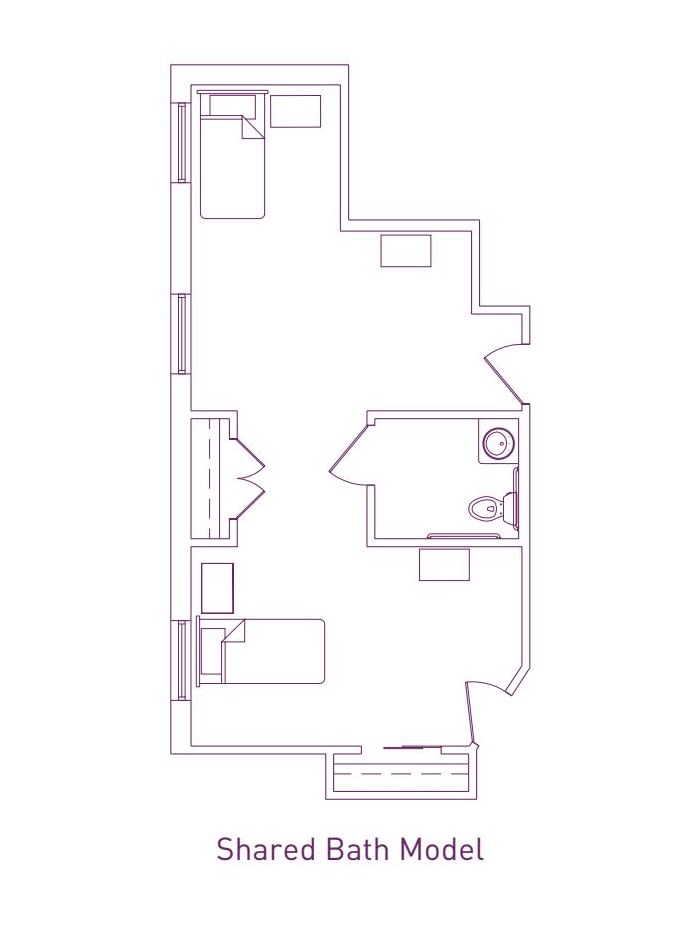
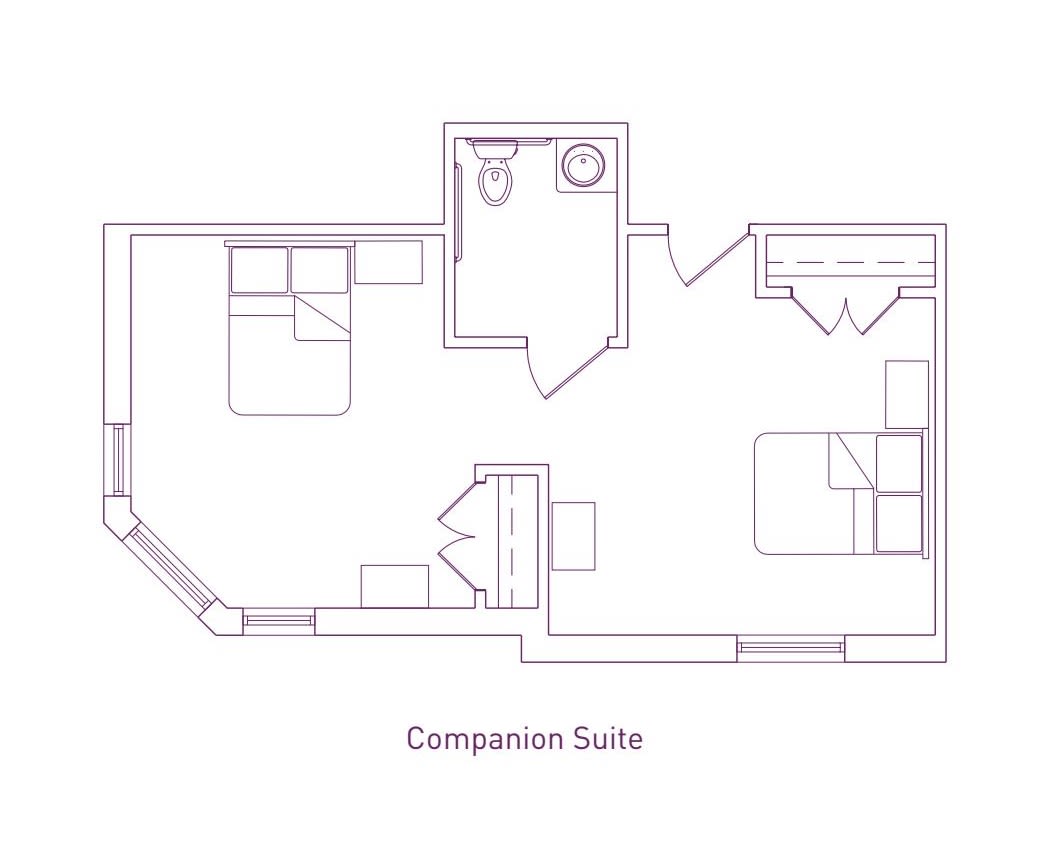
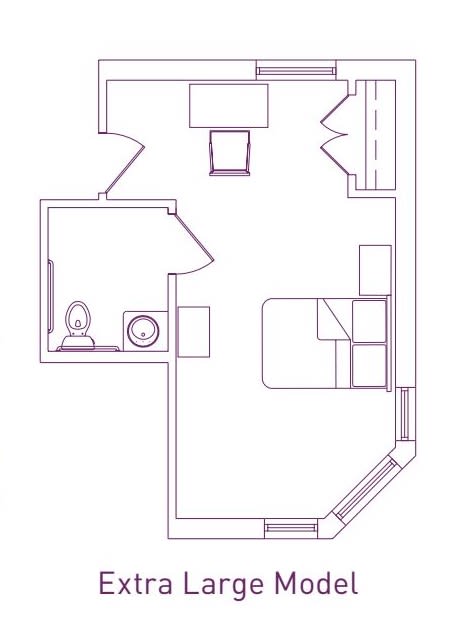
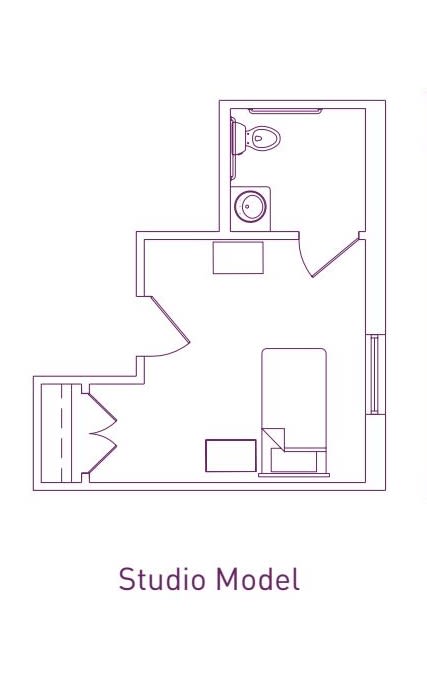
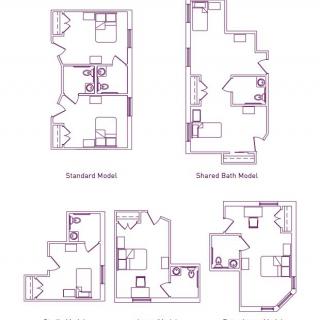
Autumn Leaves of Cityview offers a range of room types designed to cater to varying needs and preferences, with costs that reflect the premium services and amenities provided. For a one-bedroom unit, residents can expect to pay between $3,700 and $6,750, which is notably higher than the average rates in Tarrant County at $3,741 and across Texas at $3,761. The semi-private accommodations are priced at $5,450, exceeding both county and state averages of $3,889 and $3,680 respectively. Additionally, the studio option is available for $6,450, again surpassing local and state benchmarks where average prices are approximately $3,659 and $3,758. While these costs may be above the regional norms, they reflect Autumn Leaves' commitment to providing specialized care for individuals with memory challenges in a supportive environment.
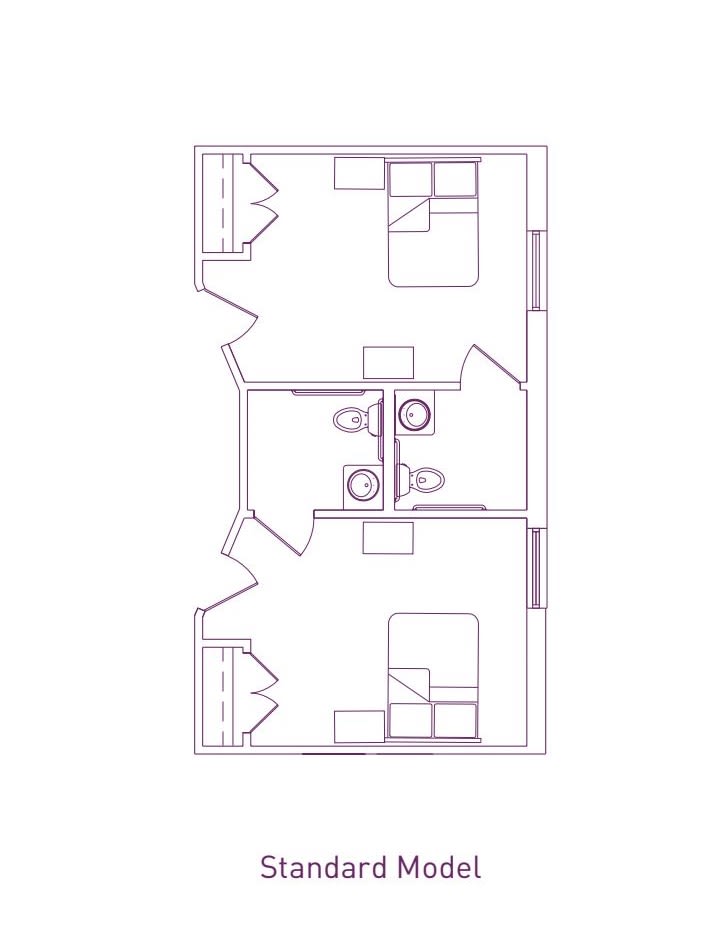
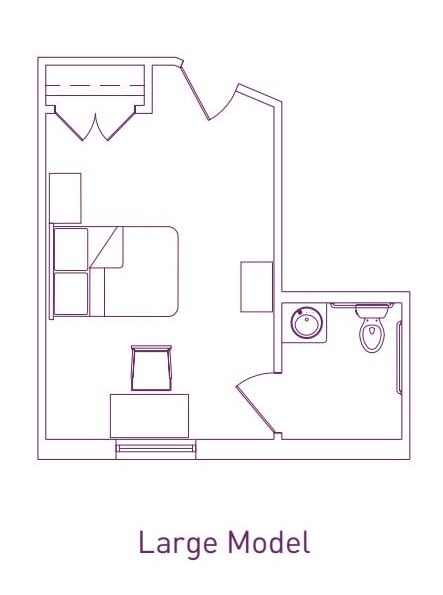
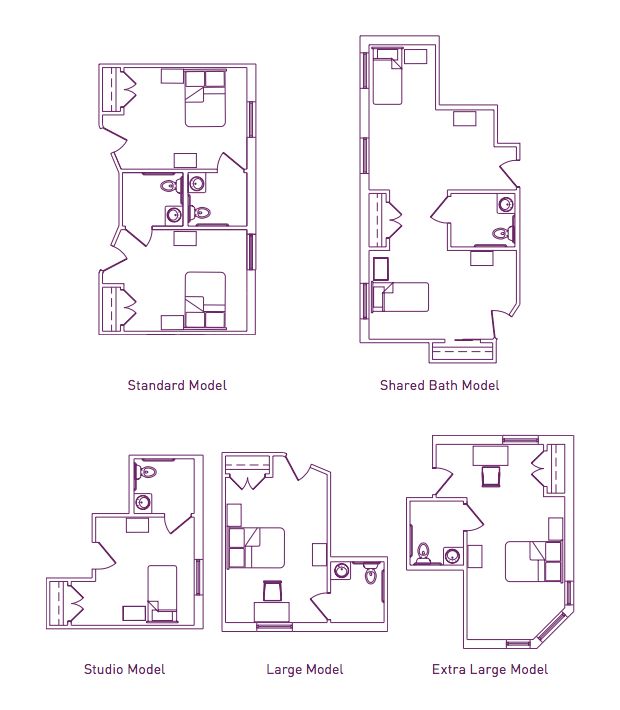
Floor plans
Autumn Leaves of Cityview
Tarrant County
Texas
1 Bedroom
$3,700 to $6,750
$3,741
$3,761
Semi-Private
$5,450
$3,889
$3,680
Studio
$6,450
$3,659
$3,758
Memory care communities with a similar price nearby
Residents and families often describe staff as attentive and responsive.
Multiple reviews mention feeling comfortable because staff follow up, help residents with daily routines, and communicate with families. Some families say they can reach staff during difficult times and that questions are answered professionally. A few reviews also raise the opposite concern, describing missed explanations and slow communication, so the experience isn’t uniform.
common12 reviews mention this
Cleanliness and a “home-like” feel
Many reviewers point to cleanliness and a more home-like environment.
Several residents and families describe the facility as clean and pleasant to visit, with rooms kept orderly and spaces that feel more like a home than an institution. Reviews also mention staff disinfecting and addressing messes quickly when incidents happen. Still, a smaller set of reviews express serious sanitation and safety complaints, which is a major caveat for due diligence.
common6 reviews mention this
Activities and dining during the day
Residents are described as staying engaged with activities and meals.
Many reviews mention scheduled activities and community events, including crafts and group activities that help residents stay active. Families also describe how the community involves residents in meals and creates opportunities to eat together. A few reviewers, however, say their loved ones’ specific needs weren’t consistently planned or coordinated, so activity and dining experiences may vary by resident.
caveat7 reviews mention this
Safety and care-management concerns
Several reviews raise concerns about safety and medication management.
While some families report good outcomes and attentive daily care, other reviews describe falls, medication problems, and inadequate supervision. A few accounts describe troubling sanitation incidents and note that leadership did not respond in a way that families felt addressed their concerns. Because these issues appear in multiple independent reviews, it’s important to ask detailed questions about supervision, incident follow-up, and medication processes.
caveat2 reviews mention this
Cost and rent increases
Some families say pricing feels high and can change quickly.
At least a couple of reviews mention the community being expensive and note rent increases. That sentiment aligns with the general positioning of pricing above county and state benchmarks across unit types. If cost predictability matters to your family, it’s worth confirming what drives increases and how rates change over time.
How we summarize
Counts show how many written reviews mention each theme; a review can touch several themes, and only frequently mentioned themes are displayed.
Features
Housing
46 resident community capacity
Studio apartments
Types of Care
Memory Care
Respite Care
Pets
Cats allowed
Dogs allowed
Amenities
Activities off-site
Activities on-site
Air-conditioning
Bath tubs
Beautician on-site
Beauty salon
Cable or satellite TV
Devotional services on-site
Dining room
Financing advice
Full kitchen
Fully furnished
Garden
Ground floor units
Guasts at mealtime
Guest parking
Handicap accessible
Housekeeping services
Indoor common areas
Kitchenette
Laundry
Move-in coordination
Outdoor common areas
Outdoor space
Party space
Respite or short term stays offered
Restaurant-style dining
Security gate
Small library
TV room
Telephone
VA Benefits Consultation
Wheelchair accessible showers
Wi-Fi/high-speed internet available
Care Services
24-hour call system
24-hour supervision
Activities of daily living assistance
Ambulatory care
Assistance with bathing
Assistance with dressing
Assistance with transfers
Diabetes diet
Diabetic care
High acuity care
Incontinence care
Meal preparation and service
Medication management
Mental wellness program
Mild cognitive impairment
Special dietary restrictions
Specialized memory care programming
Dining
Diabetes diet
Gluten-free
Guest meals
Low / no sodium
Meals provided
No Sugar
Professional chef
Restaurant style dining
Special dietary restrictions
Special dining programs
Vegan
Activities
Activities off-site
Art classes
Book club
Community-sponsored activities
Cooking classes
Cooking club
Day trips and outings
Devotional activities on-site
Educational speakers / life long learning
Games
Gardening club
Karaoke
Live dance or theater performances
Live musical performances
Live well programs
Religious services
Resident-run activities
Scheduled daily activities
Stories
Visiting chaplain or priest
Wine tasting
Videos
Nearby Places of Interest
This part of Fort Worth, Texas offers a variety of healthcare options, including physicians specializing in various fields such as neurology, oncology, and mental health. There are also multiple hospitals nearby for convenient access to medical care. In terms of amenities, there are several pharmacies in the vicinity for easy prescription refills. For dining options, there are popular fast food establishments as well as sit-down restaurants within a short distance. Additionally, there are entertainment venues such as movie theaters and cafes for leisure activities. The area also boasts green spaces like parks for outdoor recreation and a sense of serenity. Lastly, there is a place of worship for spiritual fulfillment and community engagement. Overall, this area provides a well-rounded environment for senior living with accessible healthcare services, recreational activities, and community connections.
Physicians
My Hope TMS Center (0 miles)
Touchstone Imaging Southwest Fort Worth (0.1 miles)
Texas Oncology Pa (0.1 miles)
Dfw Neurology (0.3 miles)
Baylor Family Medical Center At Southwest Fort Worth (0.7 miles)
Psymed Solutions (0.8 miles)
Diabetes & Thyroid Center of Fort Worth (0.9 miles)
Hospitals
Texas Health Harris Methodist Hospital Southwest Fort Worth (0.4 miles)
Tele 4 (0.4 miles)
Pcu 4 (0.4 miles)
Regency Hospital of Fort Worth (0.7 miles)
Texas Health Clearfork (3.9 miles)
Baylor Surgical Center (6.7 miles)
Baylor Scott & White Hospital Medicine - All Saints (6.8 miles)
Autumn Leaves of Cityview offers a range of room types designed to cater to varying needs and preferences, with costs that reflect the premium services and amenities provided. For a one-bedroom unit, residents can expect to pay between $3,700 and $6,750, which is notably higher than the average rates in Tarrant County at $3,741 and across Texas at $3,761. The semi-private accommodations are priced at $5,450, exceeding both county and state averages of $3,889 and $3,680 respectively. Additionally, the studio option is available for $6,450, again surpassing local and state benchmarks where average prices are approximately $3,659 and $3,758. While these costs may be above the regional norms, they reflect Autumn Leaves' commitment to providing specialized care for individuals with memory challenges in a supportive environment.
The comprehensive features offered by Autumn Leaves of Cityview play a vital role in supporting residents with dementia or Alzheimer's disease. The 24-hour supervision ensures constant oversight, enhancing safety and comfort while fostering a sense of security. Activities of daily living assistance, including help with bathing, dressing, and transfers, promotes independence while addressing the unique challenges faced by individuals at various stages of cognitive decline. Incontinence care further preserves dignity and encourages participation in daily routines. Meal preparation and service tailored to individual dietary needs ensure that residents receive balanced nutrition, which is essential for overall health. Medication management supports adherence to prescribed treatments, minimizing the risk of complications. Additionally, a mental wellness program combined with specialized memory care programming enables cognitive engagement through tailored activities that promote social interaction and stimulate memory recall, effectively enhancing the quality of life for those affected by mild cognitive impairment or advanced dementia.
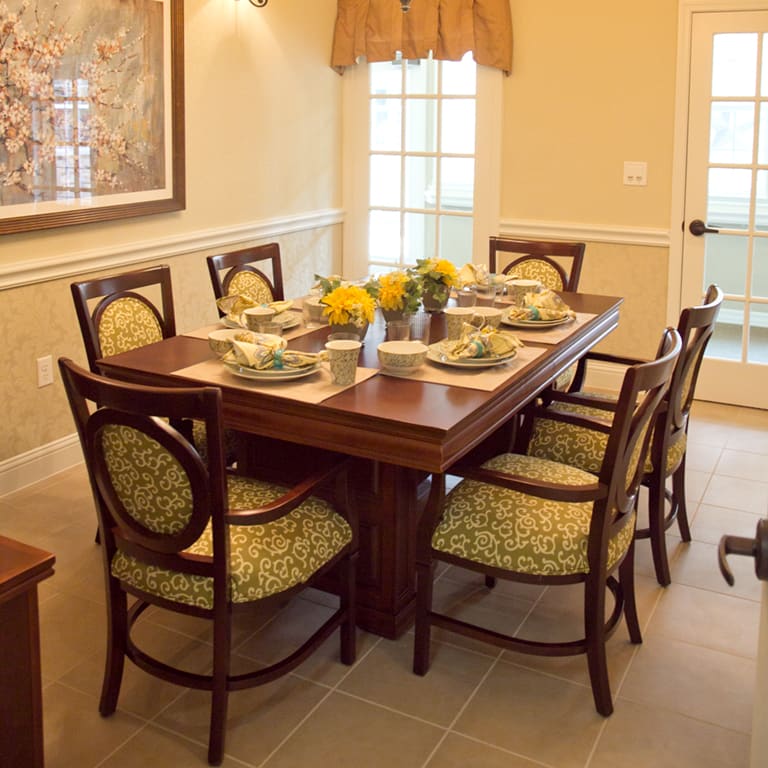
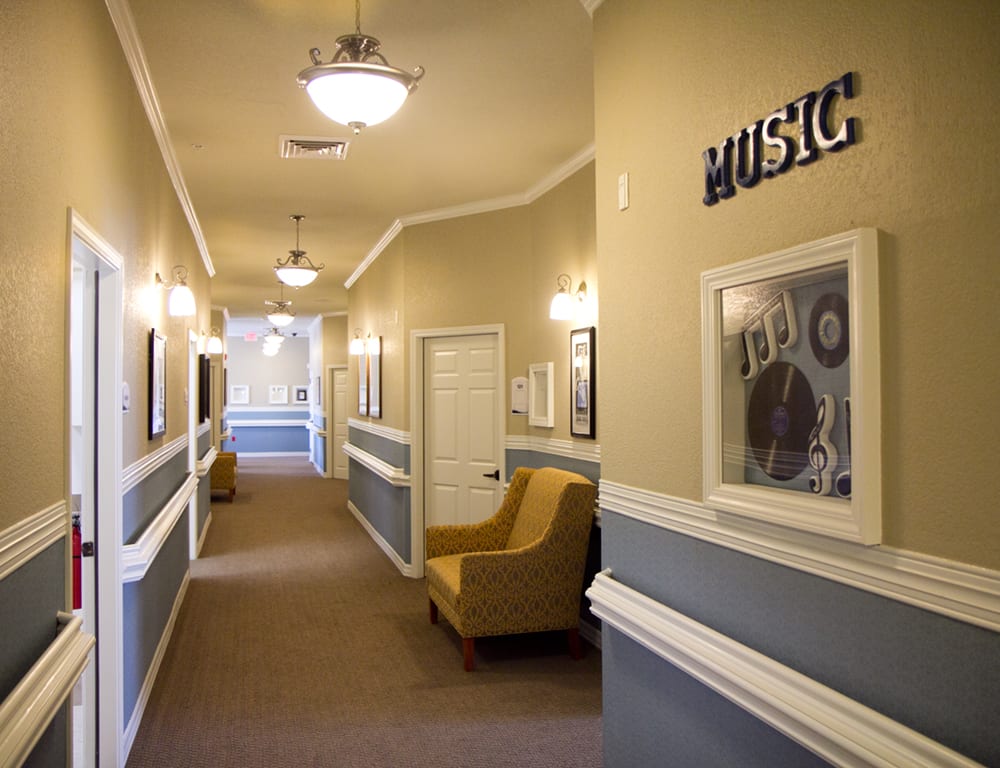
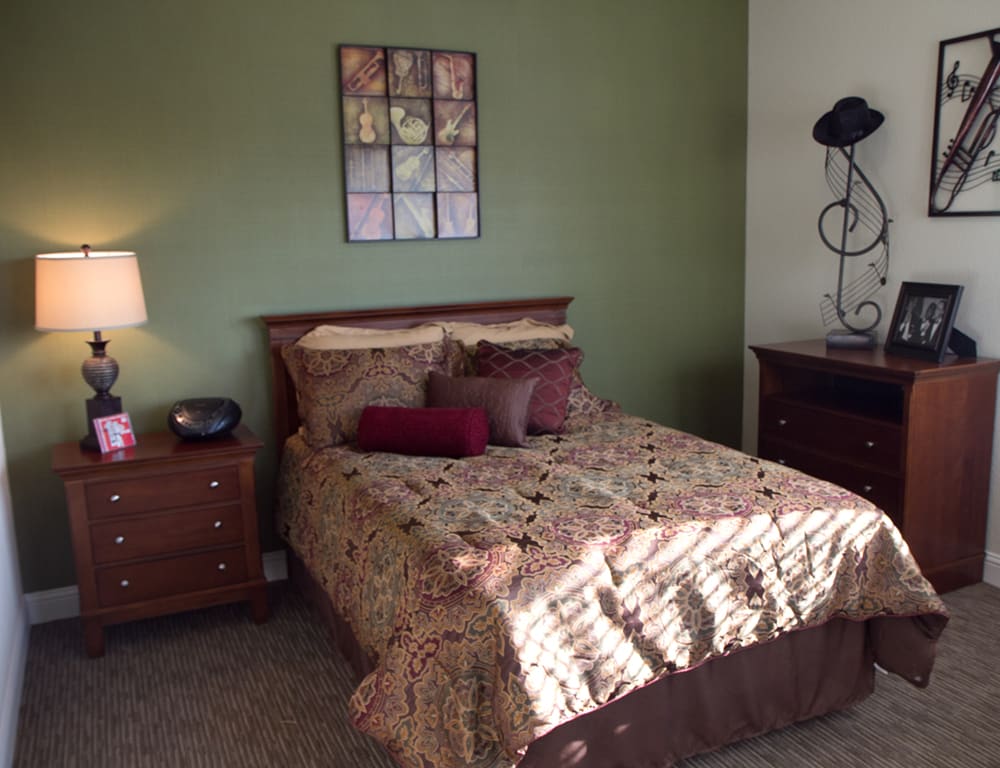
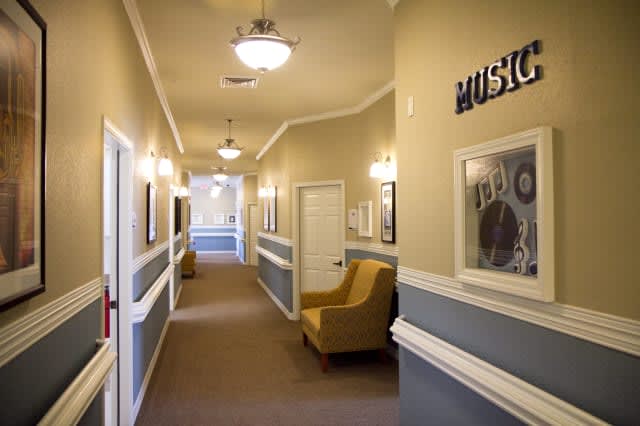
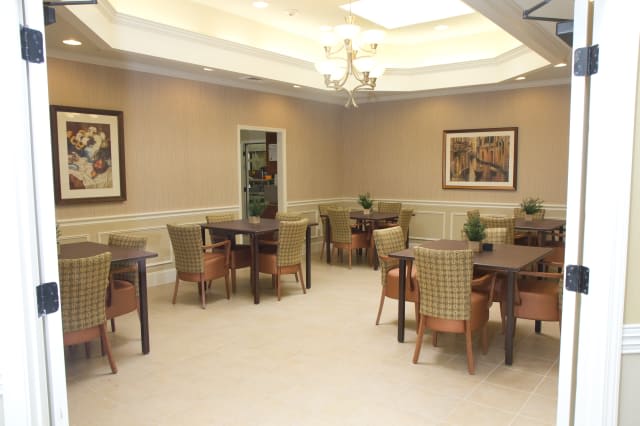
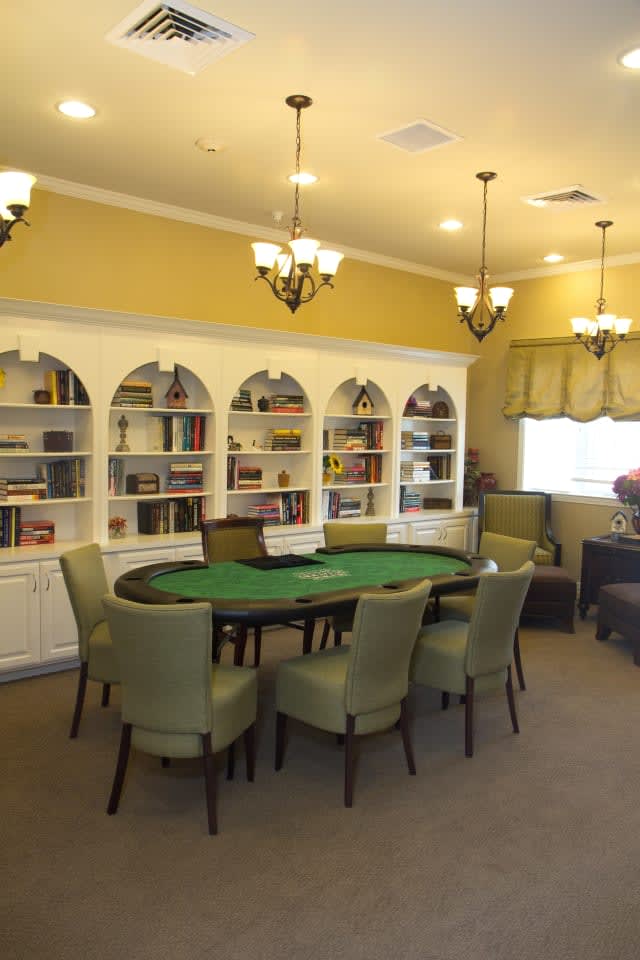
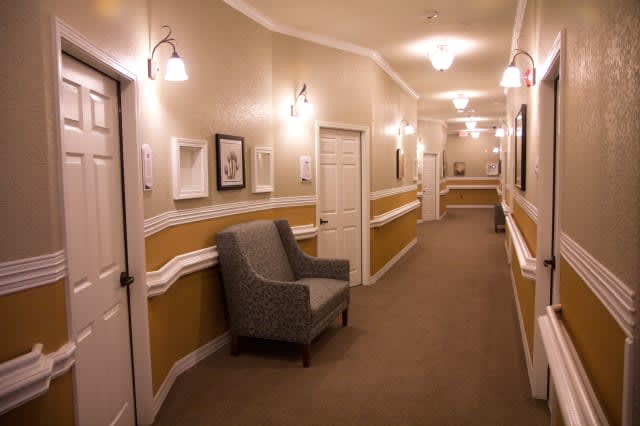
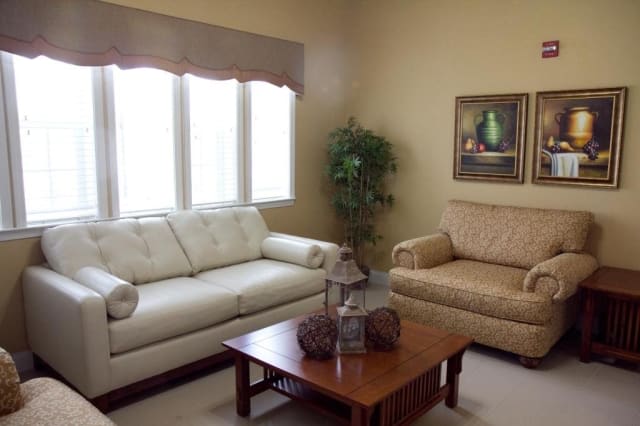
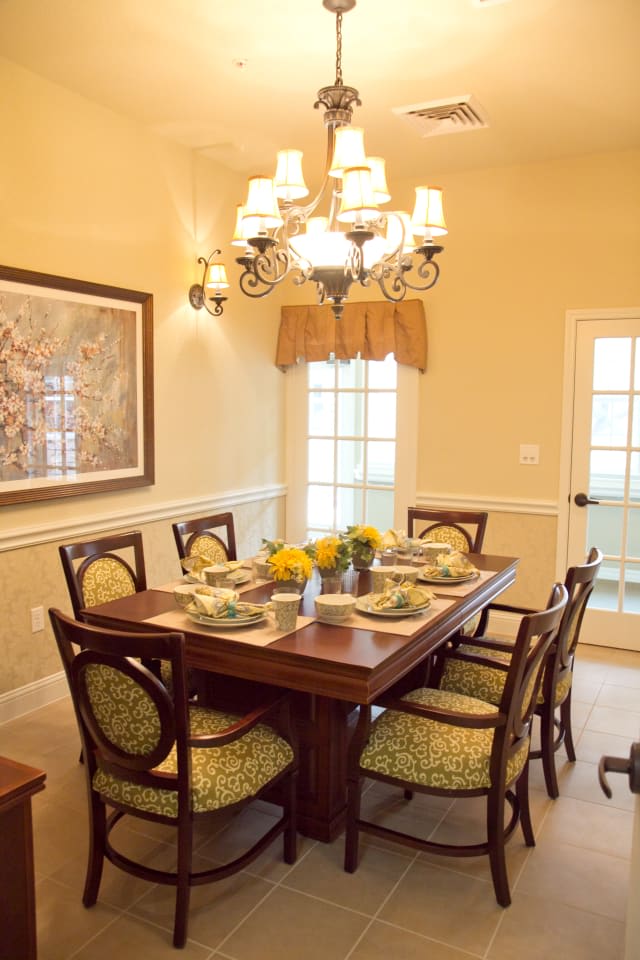
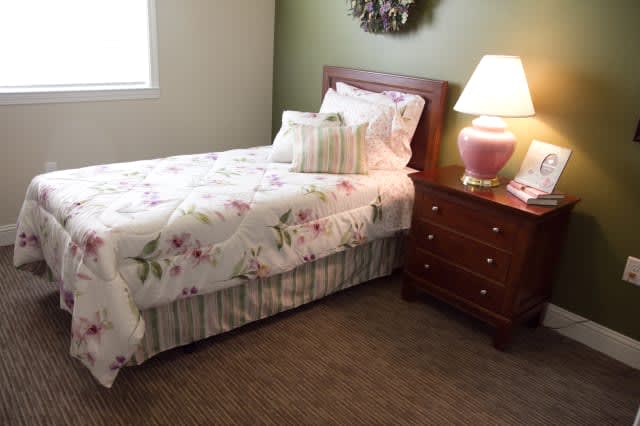
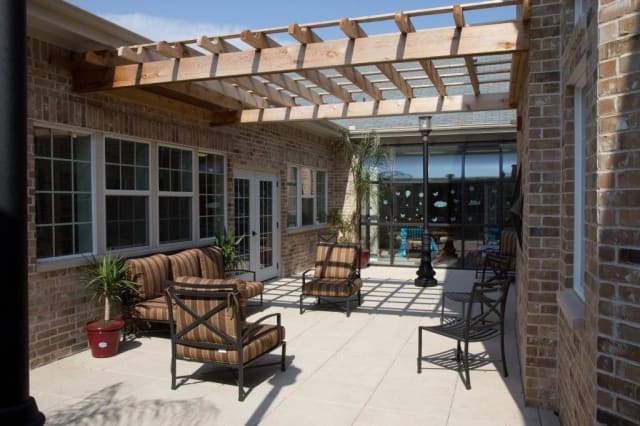
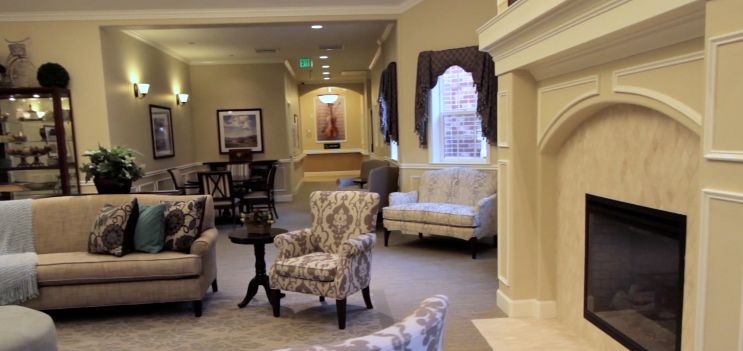
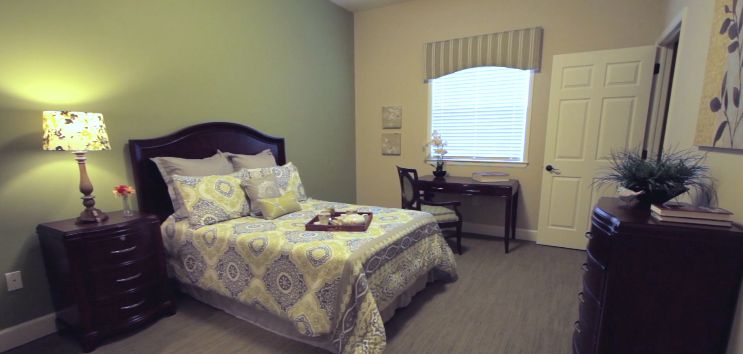
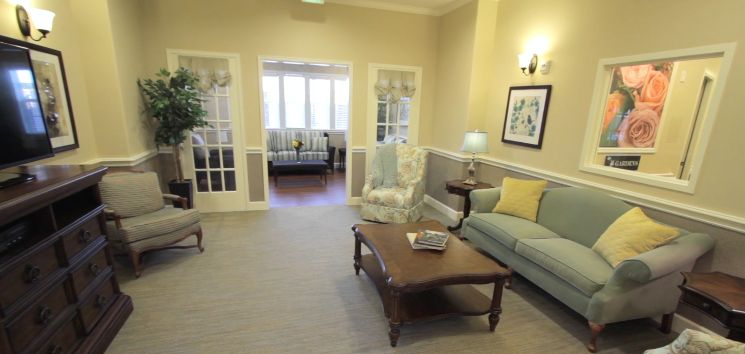
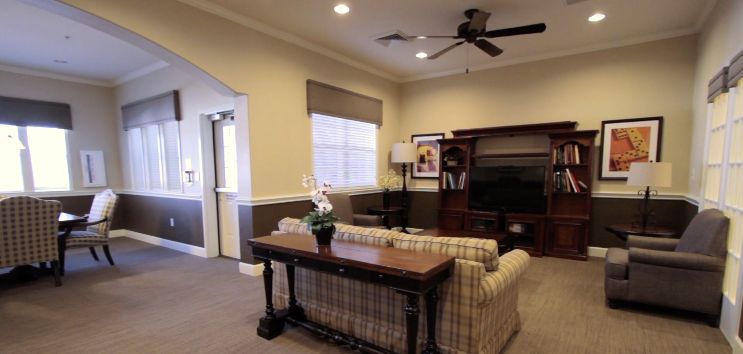
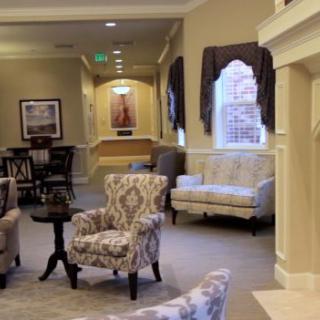
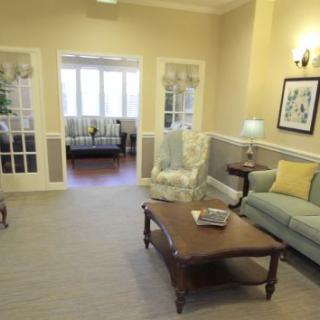
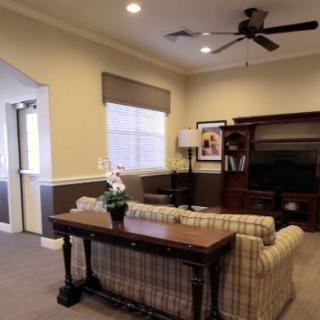
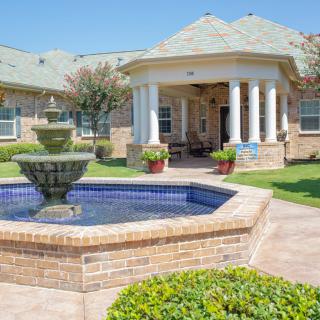
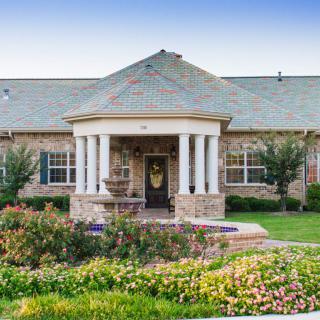
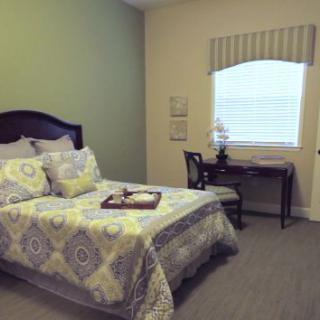
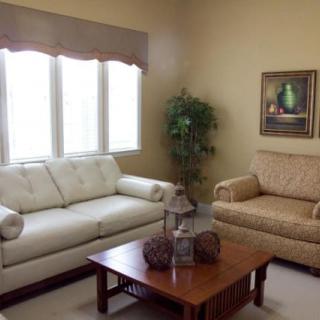
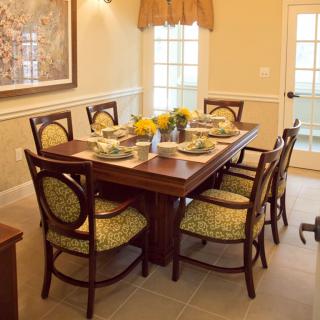
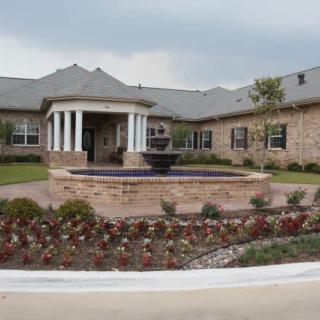
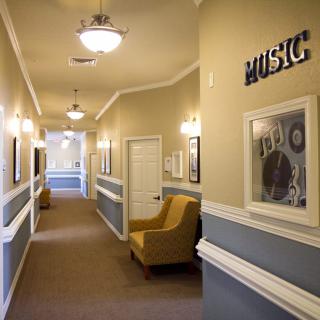
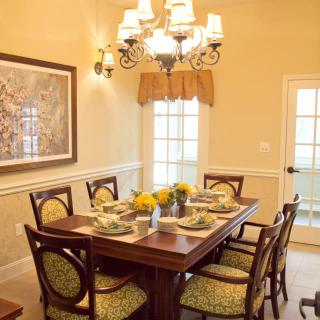
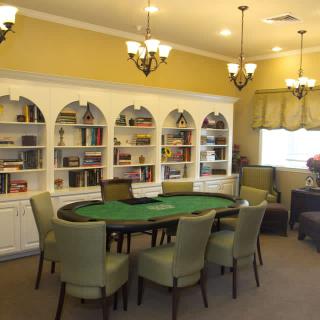
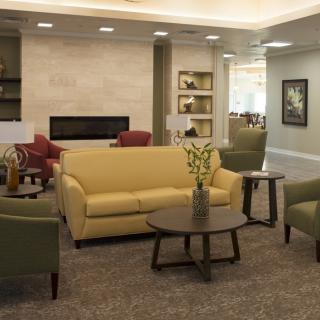
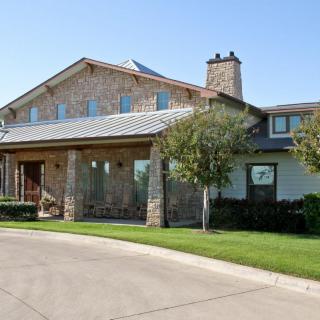
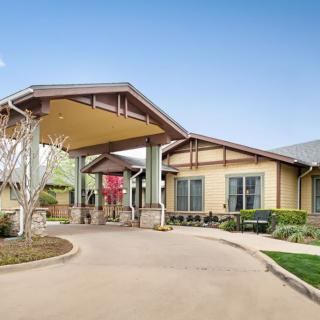
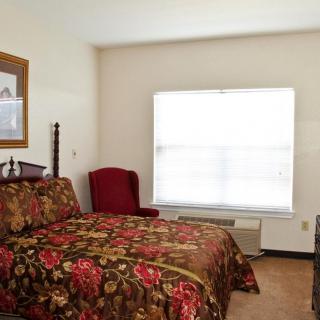
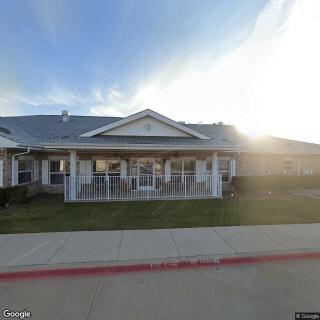
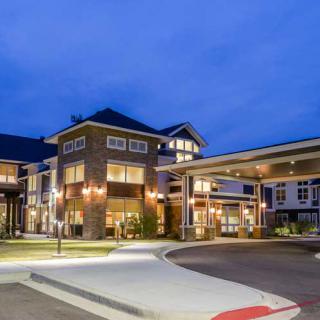
Autumn Leaves of Cityview on seniors.fyi includes 27 photos including images showing floor plan, interior, decor, bedroom, architecture, windows, lighting, living room, and more.
Nearby Communities
Mira Vista Court
Fort Worth, TX
3.8 from 48 reviews
Attractive, upscale facility with spacious private rooms and quality dining.
The Auberge At Benbrook Lake
Fort Worth, TX
4 from 41 reviews
$4,320 to $5,835 / month
Pleasant atmosphere with clean facilities and friendly, communicative staff.
Sunrise of Fort Worth
Fort Worth, TX
4.7 from 180 reviews
$3,000 to $4,500 / month
Warm, attentive staff; clean, spacious apartments; active social life and attractive grounds.
Circle Of Helping Hands
Fort Worth, TX
5 from 1 review
Small, intimate setting with personalized, comprehensive care.
The Waterford At Fort Worth
Fort Worth, TX
4.4 from 195 reviews
$1,845 to $3,185 / month
Attentive staff and engaging activities
Casablanca Assisted Living And Memory Care
Fort Worth, TX
3.5 from 2 reviews
Friendly, helpful staff and clean rooms.
Cityview Nursing And Rehabilitation Center
Fort Worth, TX
4 from 125 reviews
Extensive on-site amenities and care services (24-hour supervision, meals with special diets, transportation, activities, and wellness programs).
Dementia, influenced by aging and certain medications, may be exacerbated by drug classes such as anticholinergics, benzodiazepines, and antipsychotics, which are associated with cognitive impairment. Regular medication reviews by healthcare professionals are crucial for older adults to manage risks and optimize cognitive health.
Dementia often results in disrupted sleep patterns, leading to excessive daytime sleeping due to factors like brain damage affecting circadian rhythms, medication side effects, and lack of structure in daily activities. Caregivers must monitor these changes closely, as oversleeping can increase risks such as malnutrition or dehydration, and provide necessary support and routines to enhance patient engagement and well-being.
The transition from assisted living to skilled nursing care is often prompted by complex medical needs that assisted living cannot meet, with key indicators including frequent health declines, increased falls, severe memory issues, and caregiver burnout. Families should recognize these signs early to discuss options with healthcare providers and prepare for the emotional and logistical aspects of moving to a facility that offers comprehensive medical support.
Get PricingAsk A QuestionSchedule A TourContact Senior Advisor
By clicking submit, you agree to our Partner's Terms of Use. You
also consent to receive calls and texts, which may be autodialed, from our Partner. Your consent is not a condition to
using our Partner's service. Please visit our Partner's Privacy Policy for information about their privacy practices.


 46 resident community capacity
 Studio apartments
 Memory Care
 Respite Care
 Cats allowed
 Dogs allowed
 Activities off-site
 Air-conditioning
 Bath tubs
 Beautician on-site
 Cable or satellite TV
 Devotional services on-site
 Dining room
 Financing advice
 Full kitchen
 Fully furnished
 Garden
 Ground floor units
 Guest parking
 Handicap accessible
 Housekeeping services
 Indoor common areas
 Laundry
 Move-in coordination
 Outdoor common areas
 Party space
 Restaurant-style dining
 Security gate
 Small library
 Telephone
 Wheelchair accessible showers
 Wi-Fi/high-speed internet available
 24-hour call system
 Ambulatory care
 Assistance with bathing
 Assistance with dressing
 Assistance with transfers
 Diabetes diet
 Diabetic care
 High acuity care
 Incontinence care
 Medication management
 Mental wellness program
 Special dietary restrictions
 Art classes
 Book club
 Cooking classes
 Day trips and outings
 Educational speakers / life long learning
 Games
Games Karaoke
 Live dance or theater performances
 Live musical performances
 Live well programs
 Visiting chaplain or priest
 Wine tasting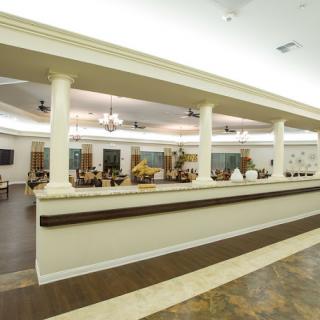
 Attractive, upscale facility with spacious private rooms and quality dining.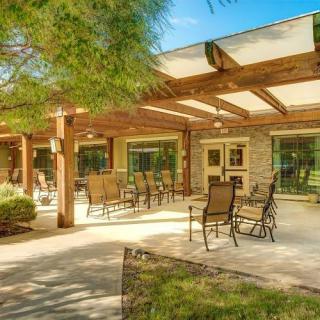

 A Thorough Discussion of Medications Potentially Linked to Dementia Risk
 Why Do Dementia Patients Sleep So Much? Understanding Oversleeping, Stages, and Care Approaches
 8 Key Indicators That Suggest It May Be Time to Transition from Assisted Living to Skilled Nursing Care