At Sage Oak of Denton, the monthly costs for accommodations reflect a higher investment compared to the broader Denton County and state averages. For a private room, residents can expect to pay $5,475, which is significantly above the county's average of $4,161 and the state's average of $4,096. The one-bedroom option at Sage Oak is priced at $7,975, starkly contrasting with the more affordable average of $3,749 in Denton County and the state's average of $3,761. This pricing structure suggests that Sage Oak may offer enhanced services or facilities that cater to those seeking a premium living experience in a supportive environment.
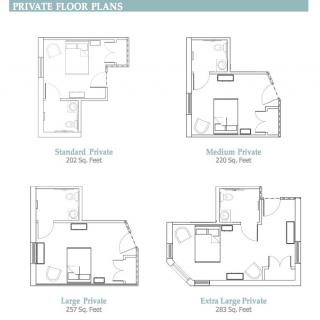
Floor plans
Sage Oak of Denton
Denton County
Texas
Private
$5,475
$4,161
$4,096
1 Bedroom
$7,975
$3,749
$3,761
Memory care communities with a similar price nearby
Restaurant-style, chef-prepared meals are a frequent highlight in resident experiences.
Multiple residents and families describe the food as excellent or five-star, often calling out chef-prepared meals and restaurant-style presentation. Several people also mention that residents eat better after moving in, including gaining weight. In addition to everyday dining, reviewers describe special meals and events that make dining feel like a shared experience rather than a routine task.
common61 reviews mention this
Staff care and responsiveness
Residents are consistently described as treated with kindness, attentiveness, and prompt help.
Across the reviews, families emphasize compassionate caregivers who treat residents respectfully and make them feel cared for. Many reviewers point to responsiveness—such as keeping families updated, addressing needs quickly, and adjusting care when residents’ moods or routines change. Several also describe staff going beyond basic tasks during transitions and hospital situations, helping ease worries for families.
differentiator19 reviews mention this
Memory care support feels personal
Memory care is described as tailored, with staff learning individual triggers and preferences.
Reviews focused on dementia and memory care describe a more personal approach, including staff taking time to learn residents’ likes, dislikes, and triggers. Families also mention regular communication and updates, along with support for emotional well-being—not just physical routines. Several reviewers describe improved stability and fewer difficult episodes after moving into Sage Oak’s memory care setting.
common24 reviews mention this
Home-like design and layout
Small-house layouts and open common spaces are repeatedly described as calming and easier to navigate.
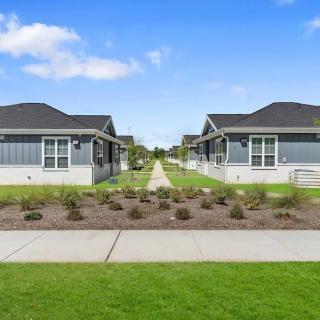
Many reviewers say the community feels like home, with bright, clean, well-kept spaces and a layout that reduces long hallways and confusion. Several describe short, simple paths and accessible gathering areas as part of the comfort. Families also mention practical details that support safety and day-to-day independence, including easy access to meals and everyday movement around the home.
common10 reviews mention this
Activities keep residents engaged
Purposeful activities—beyond the basics—are a recurring part of life here.
Multiple reviews mention ongoing activities and events that residents look forward to, including community programming and music or themed gatherings. Some people also describe staff working to involve residents socially instead of keeping them isolated. A few reviewers specifically wish for more formal advance scheduling, suggesting activities happen but aren’t always shared with families in a consistent way.
caveat2 reviews mention this
Pricing runs above averages
Pricing is described as higher, even though families say care includes more items.
At least a couple of reviews directly reference cost coming in above what some families expected. One reviewer notes the price is slightly higher but says the difference is offset by what is included and the lack of increases when the level of care changes. Still, the reviews indicate that families evaluate the value by comparing what they receive alongside the monthly cost.
How we summarize
Counts show how many written reviews mention each theme; a review can touch several themes, and only frequently mentioned themes are displayed.
Features
Types of Care
Board and Care Home
Memory Care
Pets
Cats allowed
Dogs allowed
Transportation
Dallas-Fort Worth International (24 miles away)
Nearby Places of Interest
Restaurants
Sonic Drive-In (0.3 miles)
Mazatlan Restaurant (0.6 miles)
McDonald's (1.6 miles)
KFC (1.6 miles)
Harvest House (1.8 miles)
Oak St Drafthouse (1.8 miles)
East Side Denton (1.8 miles)
Physicians
Family Health Solutions (0.6 miles)
Denton Bodysculpting (1.6 miles)
Academy of Pain Management (1.6 miles)
Denton Alternative Medicine Center (1.9 miles)
Mosier, Cobos & Chambers Surgical Group: Victor L Cobos, MD (2.1 miles)
Curtis Mosier MD (2.2 miles)
Timothy McGuire MD (2.6 miles)
Places of Worship
Church of Jesus Christ of Latter Day Saints (0.8 miles)
First Cumberland Presbyterian Church (1.3 miles)
Singing Oaks Church of Christ (1.5 miles)
Towne North Baptist Church (1.8 miles)
Immaculate Conception Catholic Church (3.2 miles)
Pharmacies
CVS Pharmacy (1.5 miles)
Walgreens (1.5 miles)
Denton Pharmacy (2.4 miles)
CVS Pharmacy (2.7 miles)
Walgreens (2.8 miles)
Albertsons Pharmacy (3.2 miles)
Southern Star Pharmacy (3.4 miles)
Parks
Quakertown Park (1.6 miles)
Denton Isd Natatorium (2 miles)
Cafes
Zera Coffee Company (1.7 miles)
Starbucks (1.7 miles)
HTeaO (3 miles)
Hospitals
Denton Rehab Hospital (1.8 miles)
Denton Psychiatric Hospital (2.9 miles)
Baylor Surgicare (3 miles)
Texas Health Presbyterian Hospital Denton (3.6 miles)
At Sage Oak of Denton, the monthly costs for accommodations reflect a higher investment compared to the broader Denton County and state averages. For a private room, residents can expect to pay $5,475, which is significantly above the county's average of $4,161 and the state's average of $4,096. The one-bedroom option at Sage Oak is priced at $7,975, starkly contrasting with the more affordable average of $3,749 in Denton County and the state's average of $3,761. This pricing structure suggests that Sage Oak may offer enhanced services or facilities that cater to those seeking a premium living experience in a supportive environment.
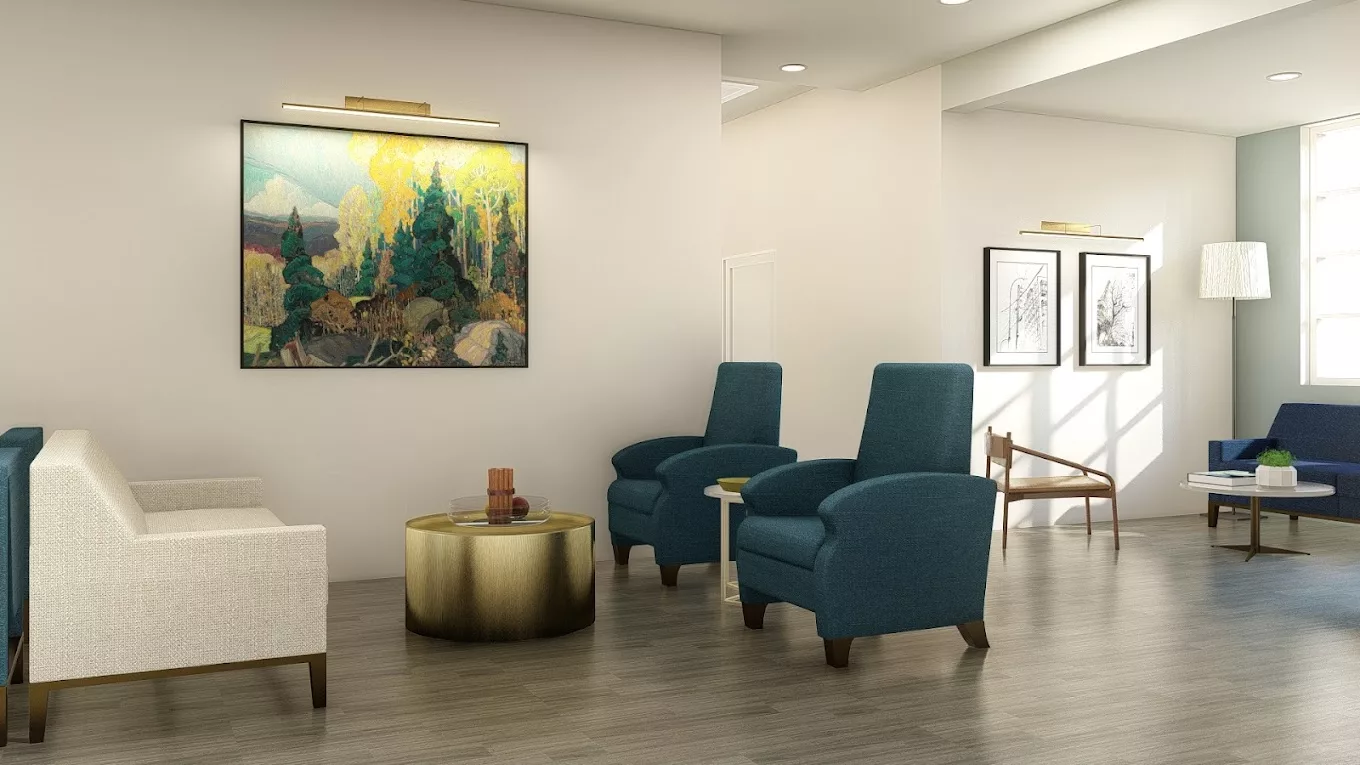
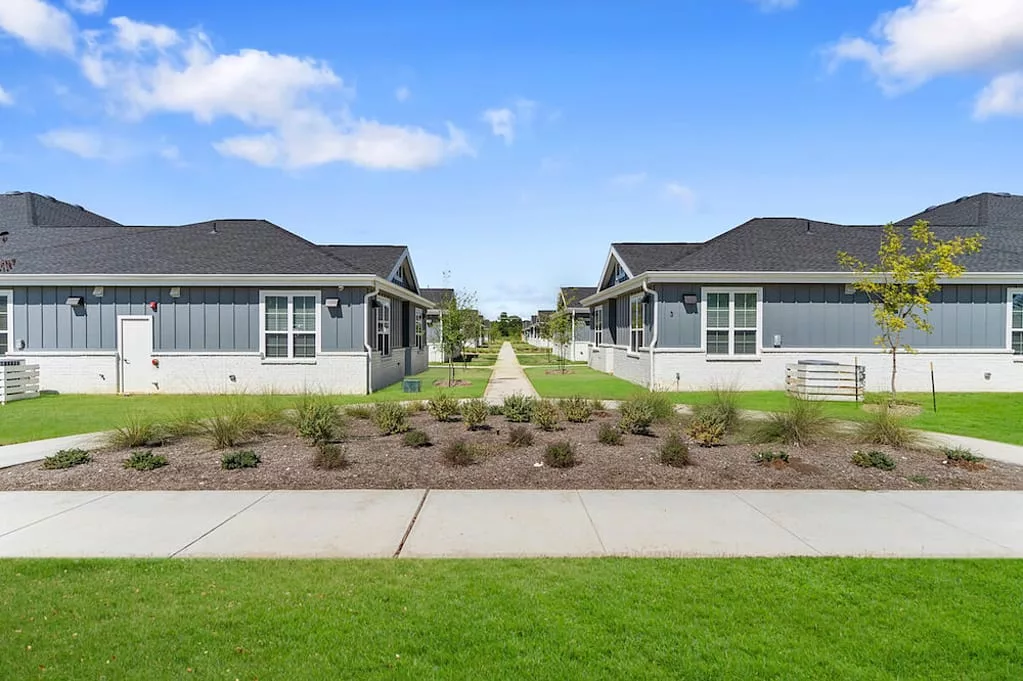
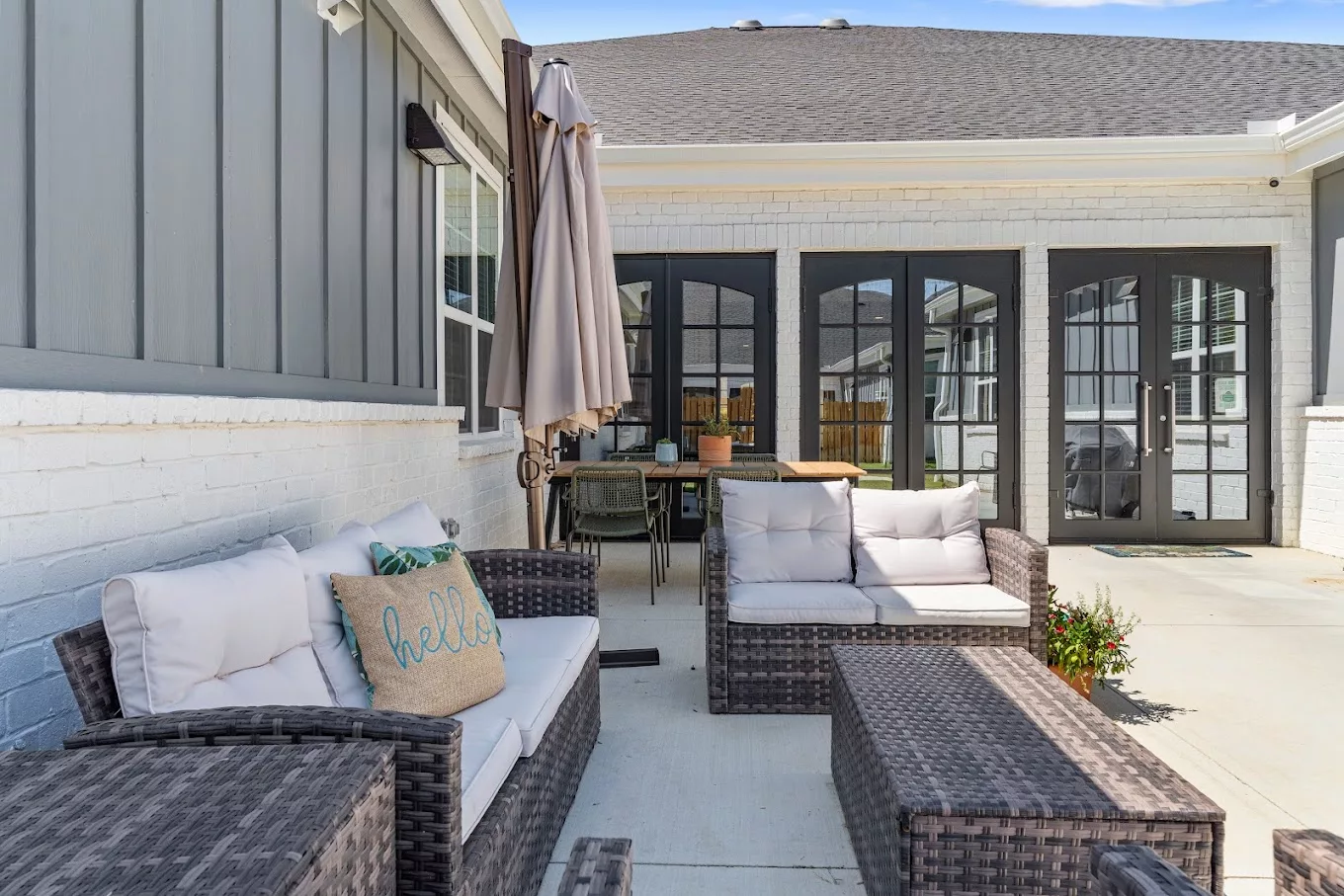
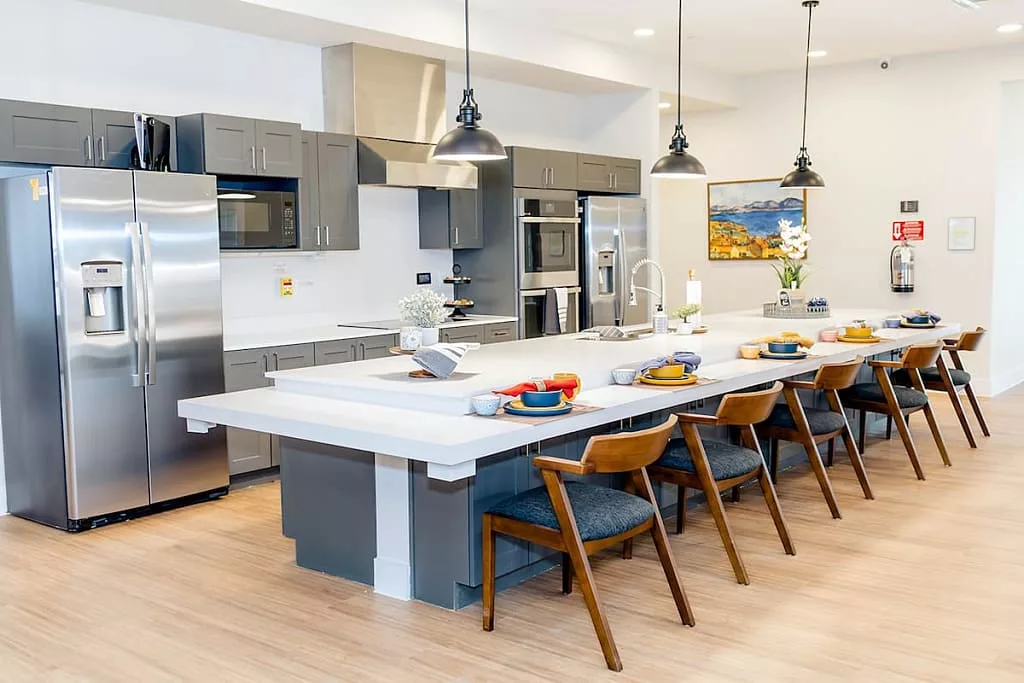
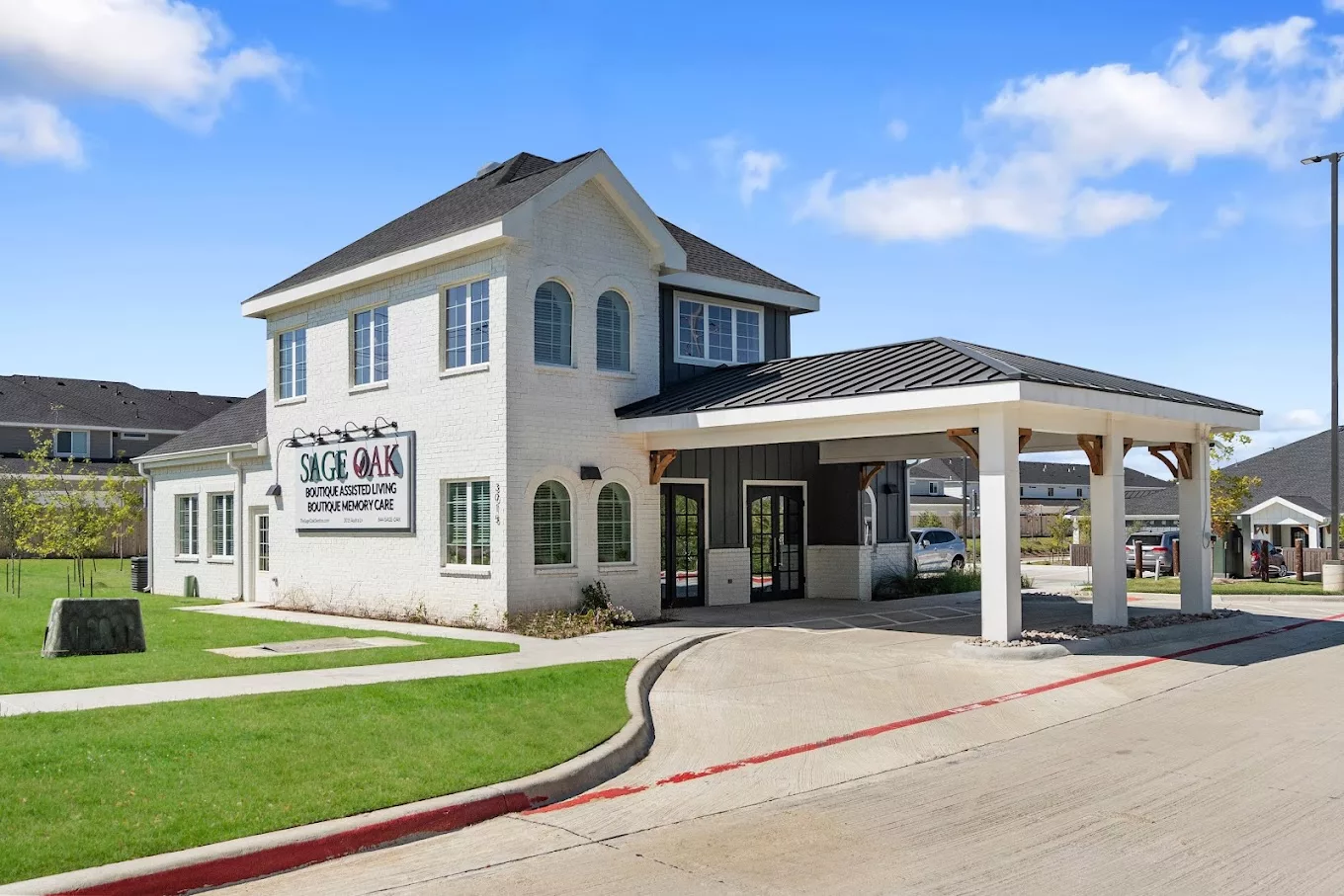
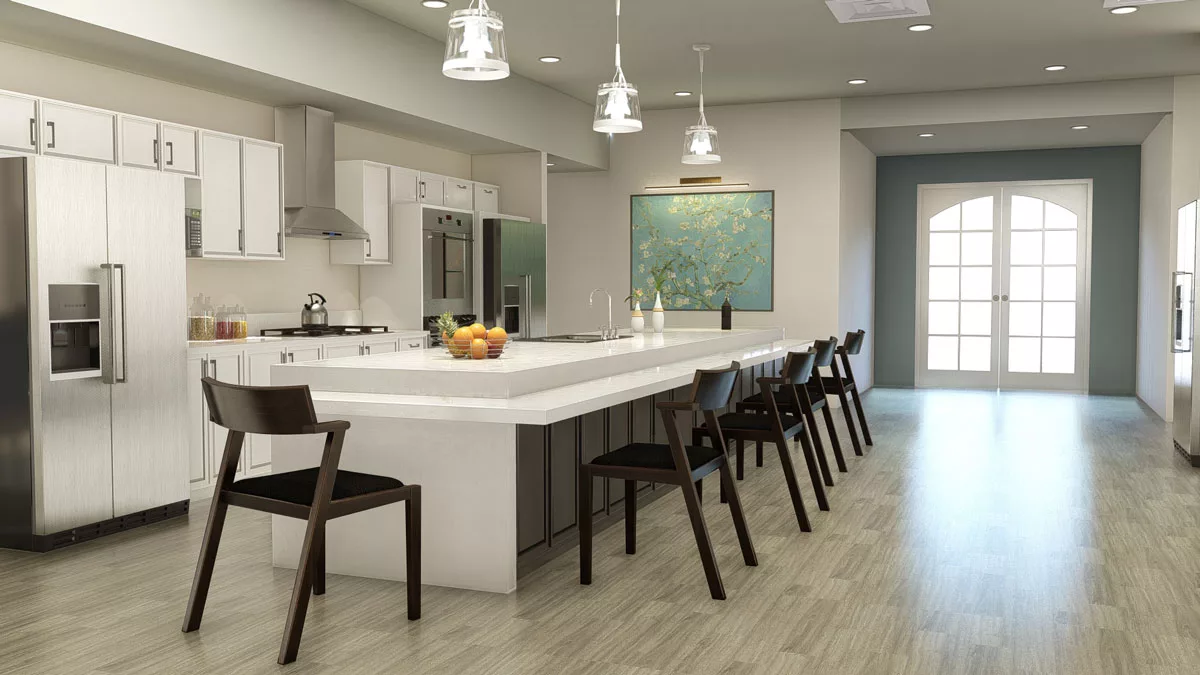
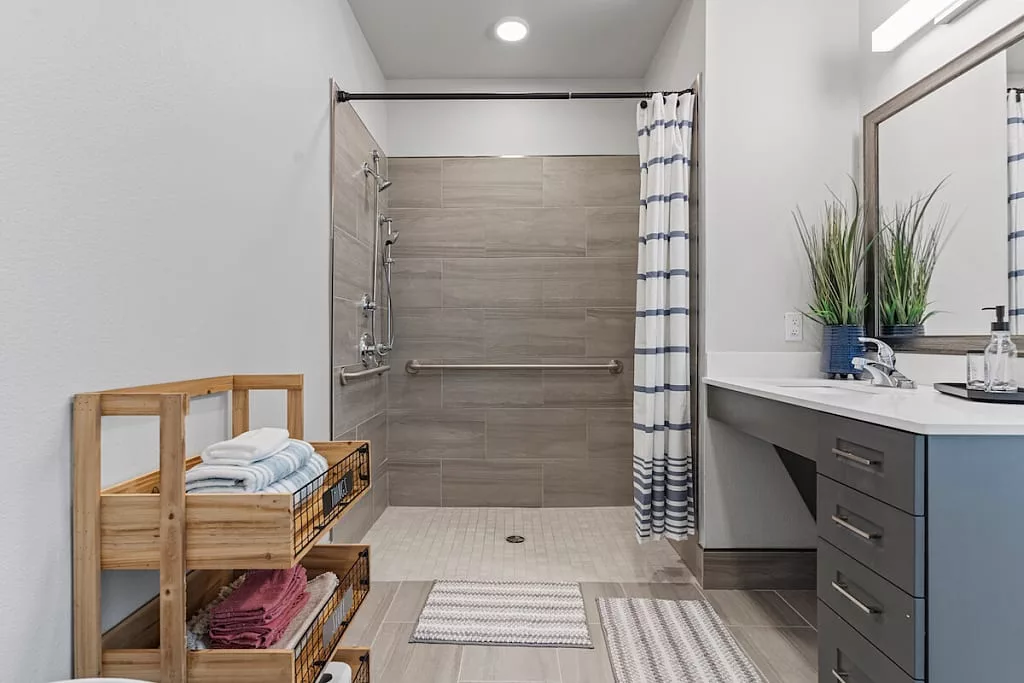
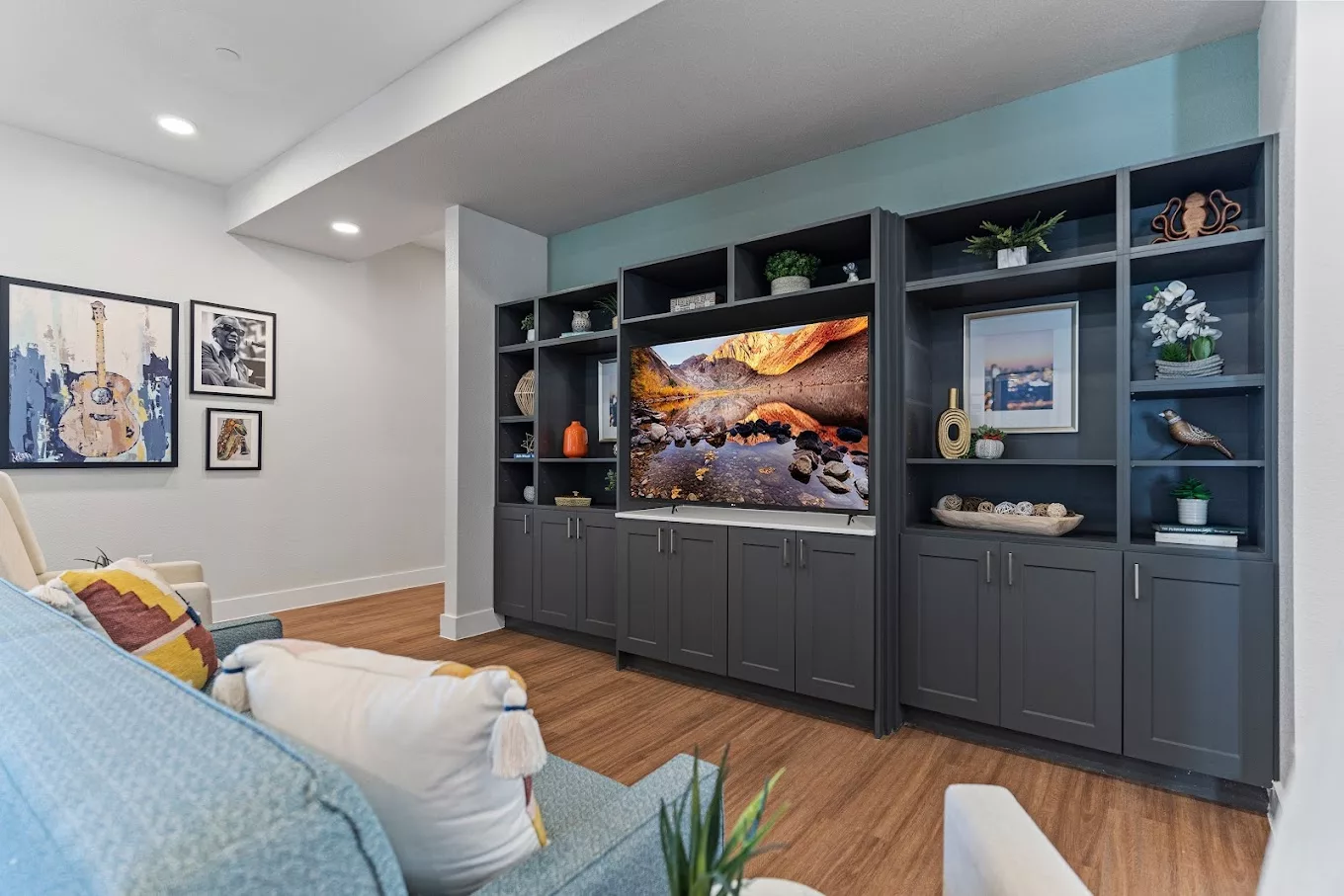
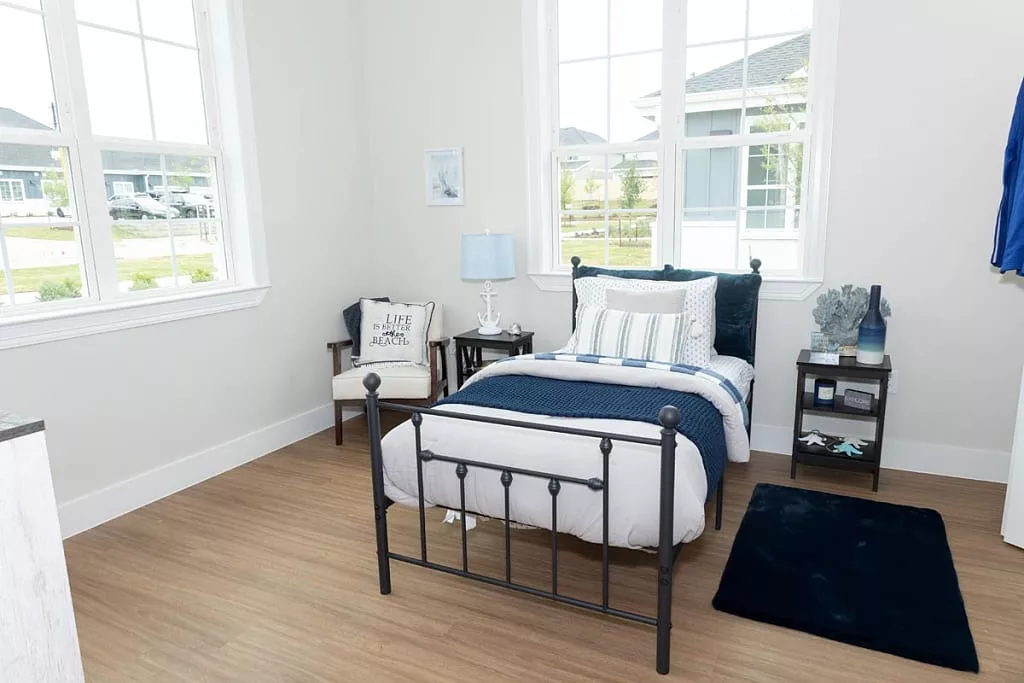
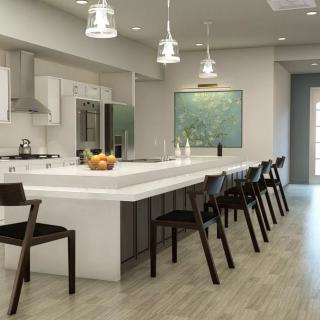
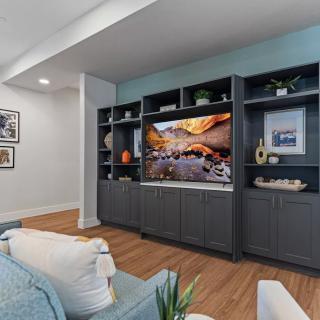
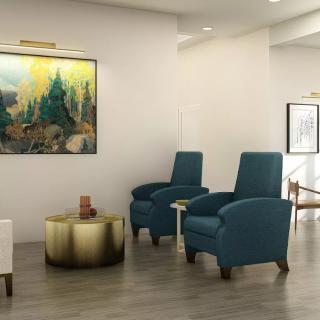
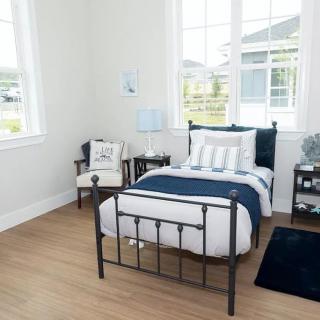
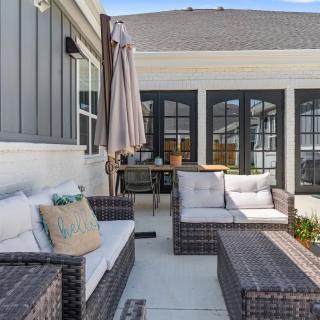
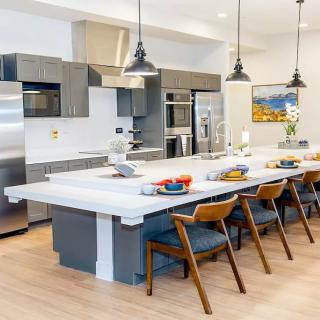
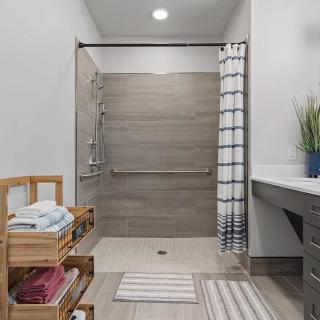
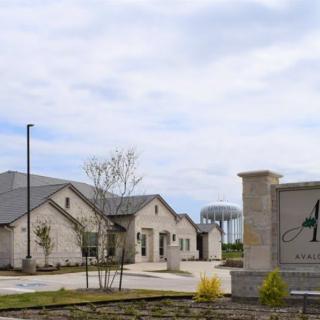
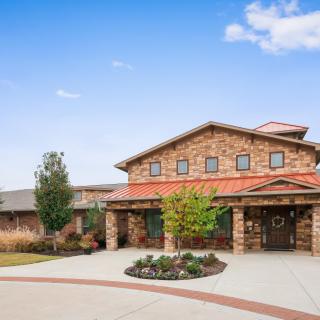
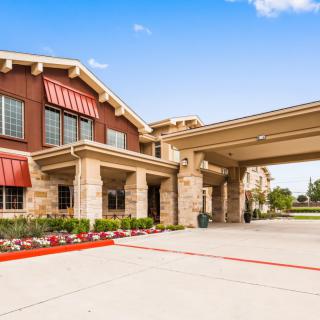
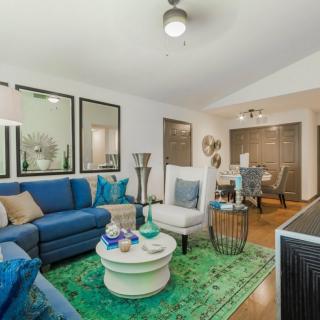
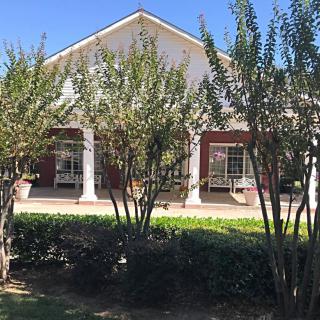
Sage Oak of Denton on seniors.fyi includes 9 photos including images showing interior, living room, bedroom, windows, kitchen, pendant lights, bathroom, television, and more.
Nearby Communities
Fairhaven Denton
Denton, TX
4.5 from 40 reviews
24/7 supervision and comprehensive care with dietary options.
Fairhaven Denton
Denton, TX
4.6 from 68 reviews
$4,200 to $5,595 / month
Friendly, attentive staff; clean, well-maintained facilities with engaging activities.
Bellaire Residential Assisted Living And Memory Care 2
Denton, TX
5 from 20 reviews
Specialized memory care programming with 24/7 supervision and coordinated medical care.
Bellaire Residential Assisted Living And Memory Care 1
Denton, TX
5 from 18 reviews
Specialized memory care with 24-hour supervision and coordinated healthcare.
Cottonwood Nursing And Rehabilitation
Denton, TX
3.8 from 27 reviews
Warm staff with a strong sense of community and responsive leadership.
Denton Rehabilitation And Nursing Center
Denton, TX
3.9 from 100 reviews
Clean, home-like setting with attentive staff and strong rehabilitation and activity programs.
Visiting Angels - Midland, TX
Midland, TX
4.7 from 97 reviews
Comprehensive, nurturing care with extensive nearby amenities.
Sunstone Village
Denton, TX
4.3 from 122 reviews
$1,500 to $1,700 / month
Friendly staff and an active 55+ community with ample amenities and activities.
Carriage House Assisted Living of Denton
Denton, TX
4.3 from 43 reviews
$3,600 to $4,200 / month
Caring, responsive staff and a close-knit community.
The guide outlines the complexities of Medicaid coverage for assisted living, highlighting significant state-to-state variations, limited coverage often restricted to personal care services, and the existence of specialized waivers for certain needs like memory care. It advises families to consult local Medicaid offices for options while emphasizing the importance of understanding state-specific regulations and facility policies.
Medicaid coverage for assisted living varies by state and is primarily available to low-income individuals, with eligibility dependent on strict income and asset limits. Some states offer HCBS waivers for specific services in assisted living, but families must generally cover room and board costs, and should verify facility acceptance of Medicaid while considering potential waiting lists.
Medicaid waivers for assisted living services provide vital support for seniors and individuals with disabilities in need of long-term care, with varying state-specific eligibility criteria and benefits. These waivers cover personal care and case management but often do not fully cover room and board, leading to waiting lists for many applicants.
Get PricingAsk A QuestionSchedule A TourContact Senior Advisor
By clicking submit, you agree to our Partner's Terms of Use. You
also consent to receive calls and texts, which may be autodialed, from our Partner. Your consent is not a condition to
using our Partner's service. Please visit our Partner's Privacy Policy for information about their privacy practices.





 Board and Care Home
 Memory Care
 Cats allowed
 Dogs allowed
 Dallas-Fort Worth International (24 miles away)
 24/7 supervision and comprehensive care with dietary options.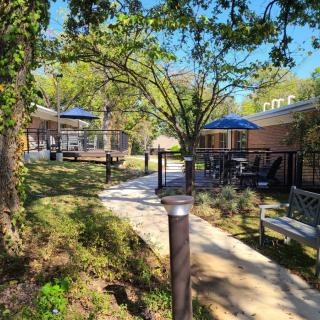


 Understanding Medicaid Coverage for Assisted Living: A Comprehensive Guide
 How and When Medicaid May Cover Assisted Living Costs
 A Detailed Exploration of Assisted Living Medicaid Waivers Across the United States