Village Green Alzheimer's Care Home in Conroe, TX

Save

  • Interior

    A decorated circular room with a chandelier hanging from the ceiling, featuring a central table adorned with flowers and surrounded by multiple doors.
  • Decor

    A beautifully decorated foyer with a large wooden double door, elegant chandelier, and stylish seating area.
  • Building

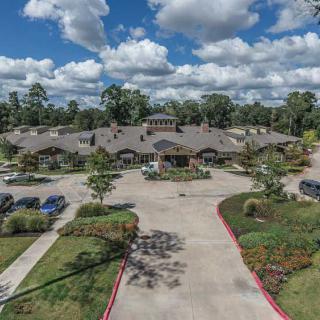
    A well-lit building entrance surrounded by trees in the evening.
  • Architecture

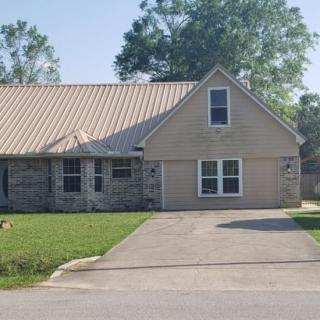
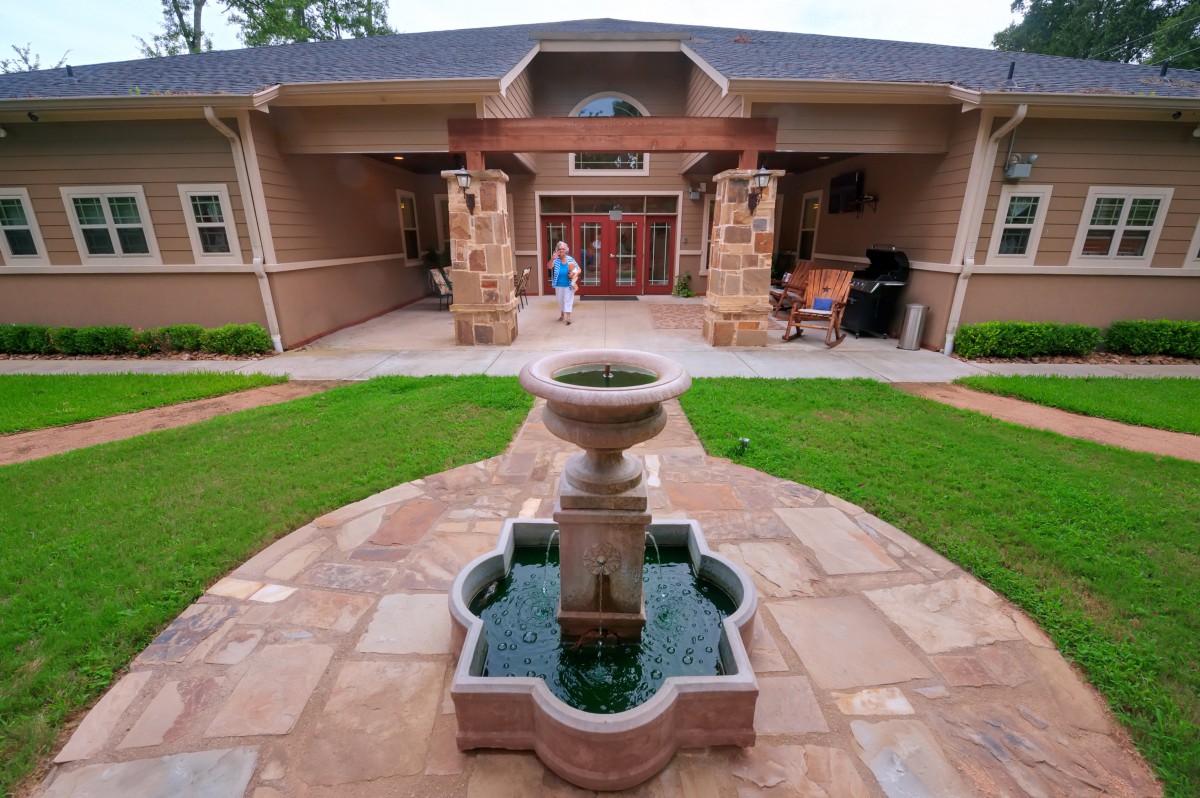
    A landscaped front yard with a central fountain leading up to a house entrance.
  • Trees

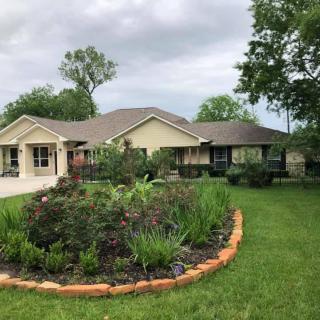
    A tranquil garden scene with a stone path leading to a small fountain, surrounded by trees and enclosed by a wooden fence.
  • Windows

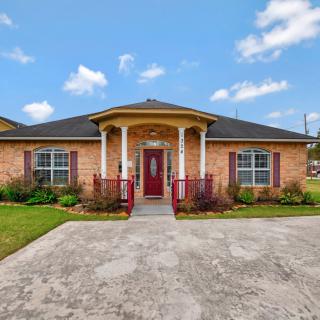
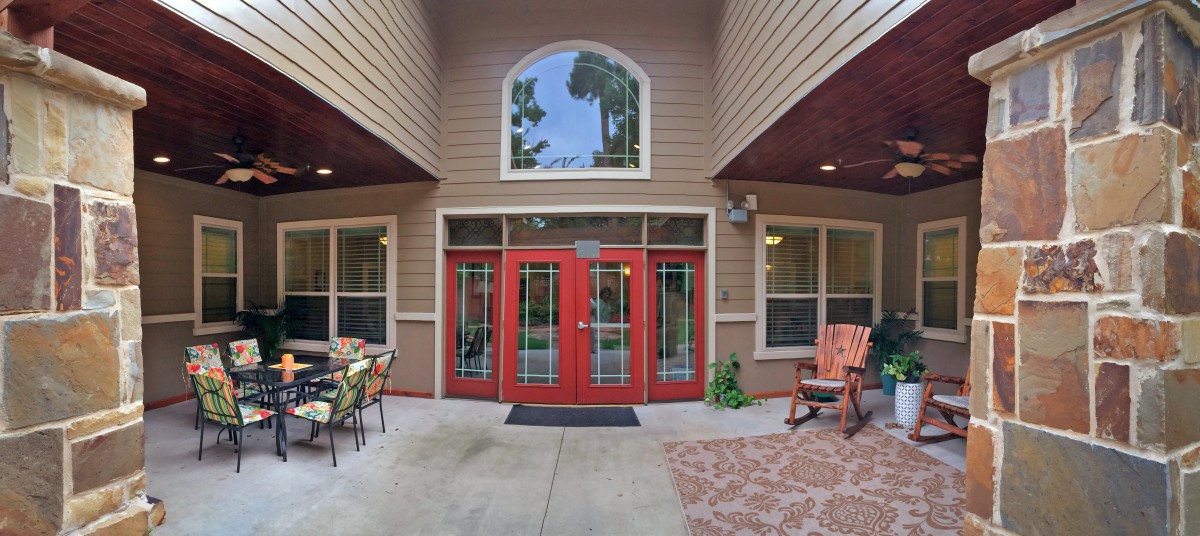
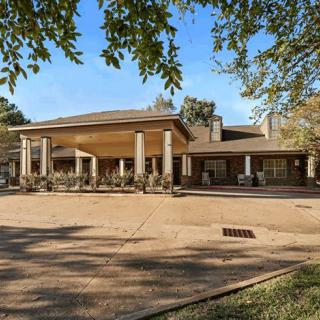
    A welcoming entrance with red double doors and patio seating in a residential setting.
  • Lighting

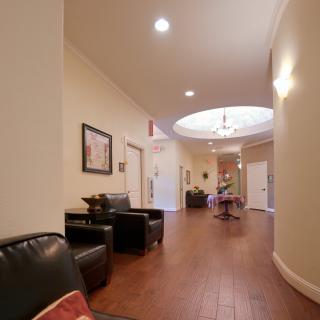
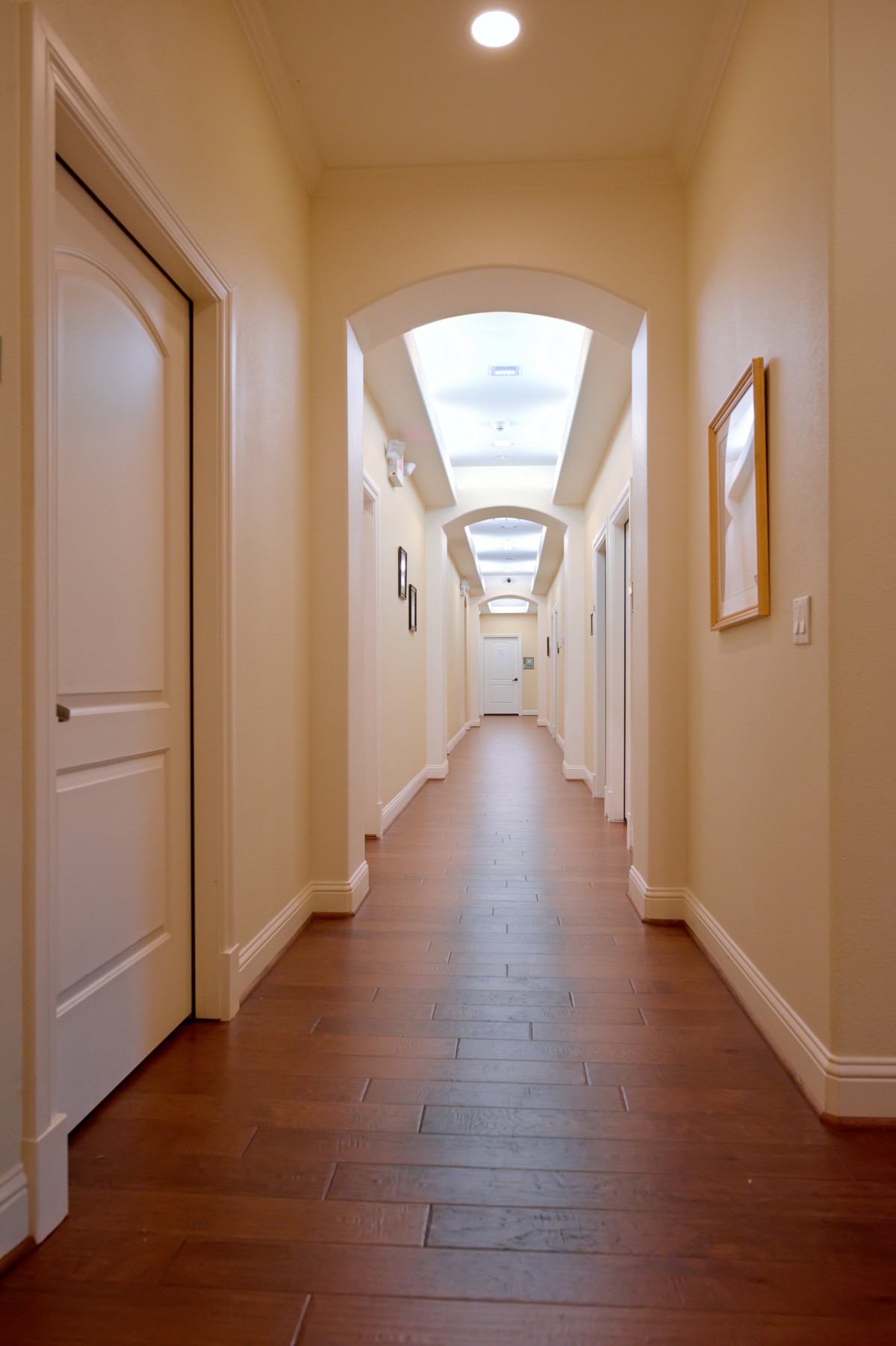
    A well-lit hallway with several doors on each side.
  • Artwork

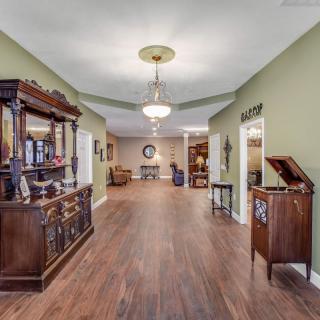
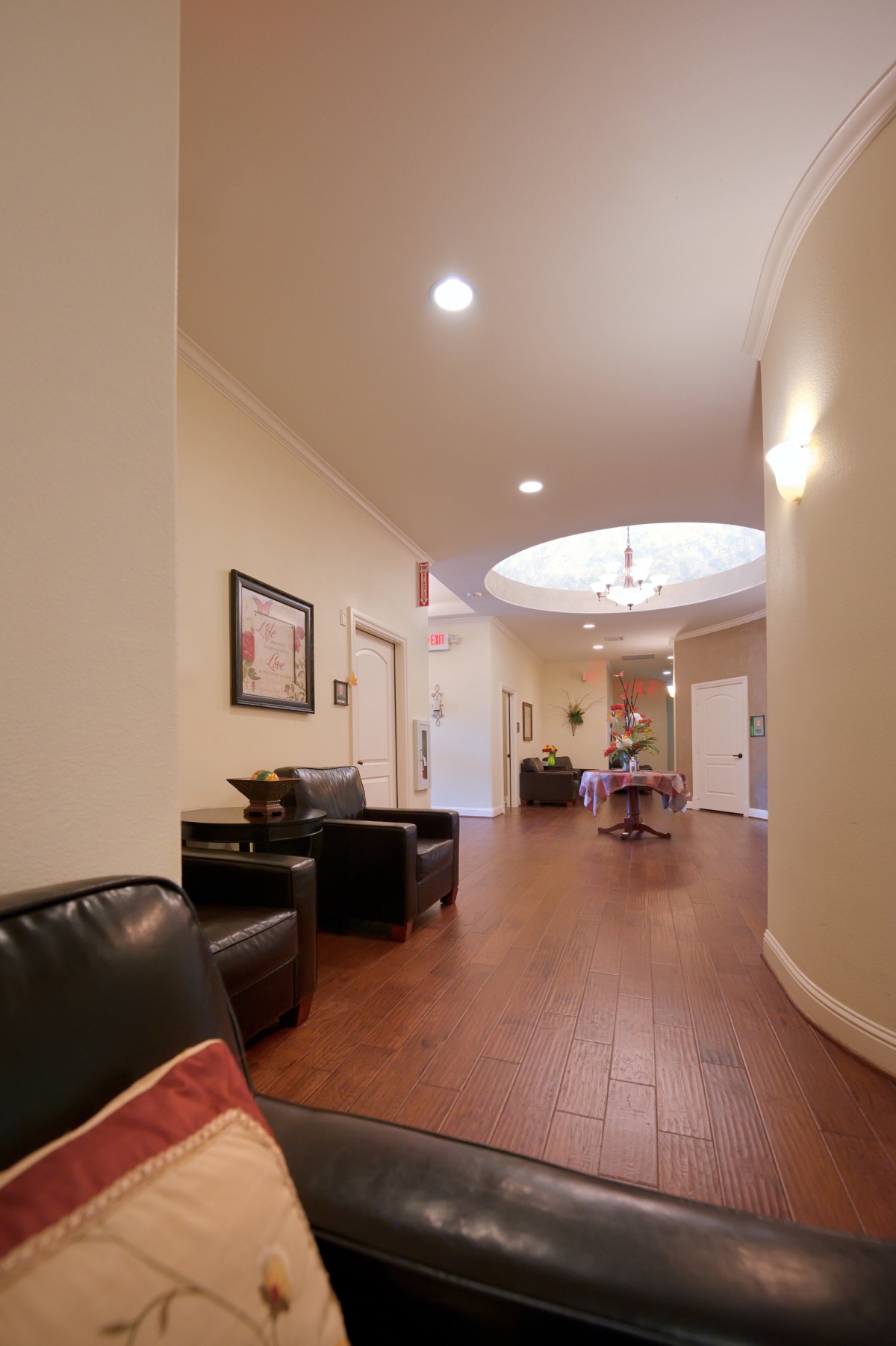
    A well-lit hallway with wooden flooring, featuring a seating area and decorative artwork.

Village Green Alzheimer's Care Home in Conroe, TX

404 South Loop 336 W, Conroe, TX 77304

For more information about senior living options: (844) 490-3973

4.2 from 47 reviews
5 stars
36
4 stars
1
3 stars
1
2 stars
1
1 stars
8

Memory Care

Village Green Alzheimer's Care Home Costs & Pricing

Village Green Alzheimer's Care Home offers specialized care for residents, reflecting its comprehensive approach to support those with Alzheimer's and related conditions. The monthly costs for accommodations at Village Green vary by room type, with semi-private rooms priced at $4,010, which is notably higher than the county average of $3,664 and slightly above the state average of $3,680. For private rooms, residents can expect a monthly fee of $4,812 - this again surpasses both Montgomery County's average of $4,177 and Texas' average of $4,096. Additionally, the one-bedroom options are offered at $6,000 per month, significantly exceeding the county benchmark of $4,089 and the state figure of $3,761. These costs reflect not only the quality of care and dedicated services provided but also highlight Village Green's commitment to creating a supportive environment for individuals living with Alzheimer's.

Floor plansVillage Green Alzheimer's Care HomeMontgomery CountyTexas
Semi-Private$4,010$3,664$3,680
Private$4,812$4,177$4,096
1 Bedroom$6,000$4,089$3,761

What level of care are you interested in?

Assisted Living

Memory Care

Independent Living

Skilled Nursing Facility

Continuing Care Retirement Community (CCRC)CCRC

Other


Request a tour at Village Green Alzheimer's Care Home

    Overall Review of Village Green Alzheimer's Care Home

    Pros

    • pro Village Green is a warm and inviting community where residents and families feel at home.
    • pro The staff are caring and dedicated, consistently going above and beyond for residents.
    • pro Residents are treated like family and receive attentive, loving care.
    • pro The facility is clean, well maintained, and feels like a home rather than an institution.
    • pro Management and staff are professional, compassionate, and responsive to concerns.
    • pro Family involvement is encouraged through interactive events and regular updates.
    • pro The memory care environment is described as safe, supportive, and full of meaningful activities.
    • pro The care staff are extraordinary, providing care that goes above and beyond for residents.

    Cons

    • pro A reviewer does not recommend Village Green Conroe, alleging Kayla has multiple DWIs and cared for a mother under the influence, claiming the staff do not care.
    • pro The reviewer described the Conroe facility as very unprofessional and advised others to take their loved ones elsewhere.
    • pro A commenter stated that one star is enough, signaling a poor impression of the place.
    • pro Another reviewer recounted a terrible experience, noting that staff were not educated to administer medications and medication errors occurred constantly.
    • pro A visitor reported staff attitudes as horrible and rude, with medication mishandling and a hallway smelling of urine, making them uncomfortable.
    • pro A reviewer withdrew a loved one due to safety concerns, believing the owner was not truthful.
    • pro A critic labeled Village Medical in Conroe as the worst place, claiming they care only about collecting money.
    • pro One review noted that the building itself is not the most upscale.

    Review

    Village Green Alzheimer's Care Home in Conroe is best suited for families seeking a truly home-like, intimate memory-care environment where residents are treated like family and daily life centers on warmth, routine, and meaningful engagement. This community excels for loved ones with Alzheimer's or other forms of dementia when the priority is personal connections, steady caregiving, and transparent, frequent communication with families. It is especially strong for families who value a smaller setting that allows staff to tailor activities, meals, and daily schedules to individual needs, with a premium placed on safety, reassurance, and a sense of belonging.

    For families weighing alternatives, this community may not be the right fit if attention to upscale aesthetics or very high medical acuity is non-negotiable. Several reviews flag concerns about staffing consistency and occasional lapses in care that could be problematic for residents requiring robust, round-the-clock medical oversight. There are also remarks about medication processes and occasional unprofessional behavior from individual staff, which underscores the importance of careful due diligence. In short, those prioritizing a hospital-like atmosphere, sprawling campuses, or specialized clinical protocols may find stronger contenders elsewhere.

    The strongest positives - warmth, routine, and an unmistakable home atmosphere - are what most families praise and they largely offset the noted drawbacks. Families repeatedly describe a staff that genuinely cares, with the sense that residents are treated as part of a close-knit family rather than as distant patients. Cleanliness and a soothing, homey ambiance figure prominently, with reviewers highlighting the on-site meals, family-friendly events, and the presence of a resident dog as meaningful touches. The smaller size also translates into more personalized attention, fewer mix-ups, and easier access for families to participate in care planning and daily activities. These elements create stability that can slow anxiety for memory-compromised residents and provide considerable peace of mind for relatives.

    Staff dedication and leadership emerge as consistently strong themes. Several reviews point to managers and front-line staff who are collaborative, communicative, and responsive to questions and requests. The implication is that when the team is settled, families feel informed and involved - an essential factor in memory-care decisions. The facility's emphasis on engaging activities, visible care routines, and opportunities for family interaction - such as interactive evenings and transparent updates - helps residents stay engaged and connected. In practice, this means the negatives can often be managed through proactive partnerships with the care team, with families confident that staff are trying to "create a home" rather than simply supervise a resident.

    Still, the caveats cannot be ignored. A few reviews highlight shifts in staff quality and attitudes, with comments ranging from concern over perceived mood shifts to fears about medication administration. Onestar feedback about a specific staff member and concerns about rapid turnover in some departments serve as reminders that consistency matters deeply in memory care. Prospective families should verify staffing patterns across different shifts, ask who administers medications and how often care plans are reviewed, and request direct conversations with the nurse manager about protocols. Observing interactions during visits, and probing for references that speak to sustained performance over time, can reveal whether the current temperament of the team matches long-term expectations.

    In the final assessment, Village Green Conroe offers a compelling choice for families who want a small, compassionate, and home-centered memory-care setting. The environment leans into care that feels personal and sustaining - staff who know residents by name, homespun routines, and open channels for family involvement. Alternatives should be considered for families requiring a facility with more expansive amenities, higher clinical acuity coverage, or a different cultural emphasis around care delivery. For those who value warmth, consistency of soft touches, and the felt sense of "home" a loved one can call their own, Village Green Conroe is a strong, practical match. Tour the community, meet the leadership team, and observe weekday routines to confirm that the balance between heart and oversight aligns with the specific needs and expectations of the resident.

    Features

    Types of Care

    • Memory Care Memory CareMemory care is crucial for seniors as it provides specialized support and services for individuals with dementia or Alzheimer's disease. These programs offer a safe and secure environment where residents receive personalized care, cognitive stimulation, and help with daily activities. Memory care helps seniors maintain their independence, quality of life, and dignity while also providing peace of mind for their families.

    Pets

    • Cats allowed Cats allowed"Pet friendly" senior living communities are important for seniors because pets provide companionship, reduce feelings of loneliness and depression, promote physical activity and mental stimulation, and offer a sense of purpose and responsibility. Pets can improve overall well-being and quality of life for seniors in many ways.
    • Dogs allowed Dogs allowed"Pet friendly" senior living communities are important for seniors because pets provide companionship, reduce feelings of loneliness and depression, promote physical activity and mental stimulation, and offer a sense of purpose and responsibility. Pets can improve overall well-being and quality of life for seniors in many ways.

    Amenities

    • Activities off-site Activities off-siteEngaging in off-site activities is crucial for seniors to maintain social connections, stay active, and stimulate their minds. It promotes overall well-being and helps combat feelings of isolation and loneliness.
    • Activities on-site Activities on-siteActivities on-site are important for seniors because they provide opportunities for socialization, mental stimulation, physical activity, and overall well-being. Engaging in activities can help seniors stay active, maintain their independence, and improve their quality of life.
    • Bath tubs Bath tubsBath tubs are important for seniors because they provide a safe and relaxing way to bathe, helping to prevent slips and falls while promoting independence and overall well-being.
    • Beautician on-site Beautician on-siteHaving a beautician on-site at a senior living community is important for seniors as it allows them to easily access grooming and personal care services, boosting their self-esteem and overall well-being. It also provides convenience and helps seniors maintain their sense of independence and personal style.
    • Devotional services on-site Devotional services on-siteDevotional services on-site provide seniors with spiritual support and a sense of community, as well as an opportunity for reflection and guidance during their senior living experience. This can promote emotional well-being and connection to others, leading to a more fulfilling and enriching lifestyle in their later years.
    • Ground floor units Ground floor unitsGround floor units are important for seniors because they provide easy accessibility, reduced risk of falls and injuries, and convenience for those with mobility issues. Seniors can avoid climbing stairs or using elevators, making daily tasks and activities more manageable and enjoyable.
    • Indoor common areas Indoor common areasIndoor common areas are crucial for seniors as they provide a space for socialization, recreation, and community engagement, promoting overall well-being and reducing feelings of isolation and loneliness.
    • Outdoor common areas Outdoor common areasOutdoor common areas are important for seniors as they provide a space for socialization, physical activity, and relaxation. Being outside in nature can improve mood and overall well-being, while also encouraging movement and engagement with others. These spaces can help combat feelings of isolation and promote a sense of community among residents.
    • Respite or short term stays offered Respite or short term stays offeredRespite or short term stays provide seniors with a temporary solution when their regular caregiver is unavailable, offering them the opportunity to receive additional care and support during times of need, while also giving caregivers a chance to rest and recharge.
    • Swimming pool / hot tub Swimming pool / hot tubSwimming pools and hot tubs are important for seniors as they provide a safe and enjoyable way to stay active, improve mobility, reduce joint pain, and promote relaxation. Regular use of these amenities can contribute to overall well-being and quality of life for older adults living in senior communities.
    • Wheelchair accessible showers Wheelchair accessible showersWheelchair accessible showers are crucial for seniors as they provide a safe and independent bathing option for those with mobility challenges. These showers help prevent falls and allow seniors to maintain their dignity and autonomy while ensuring they can bathe comfortably.
    • Wi-Fi/high-speed internet available Wi-Fi/high-speed internet availableWi-Fi/high-speed internet is important for seniors to stay connected with loved ones, access online resources, and participate in virtual activities to combat feelings of loneliness and isolation. It also allows them to easily manage healthcare needs, access entertainment, and engage in lifelong learning opportunities.

    Transportation

    • George Bush Intercontinental (23 miles away) George Bush Intercontinental (23 miles away)

    Care Services

    • Ambulatory care Ambulatory care"Ambulatory care services provide essential medical support and treatment to seniors without requiring hospitalization, allowing them to maintain their independence and quality of life while managing chronic conditions or receiving routine medical care."
    • Diabetic care Diabetic careDiabetic care is crucial for seniors as they are more susceptible to developing diabetes due to aging and other health conditions. Proper management of diabetes can help prevent complications such as heart disease, vision loss, and nerve damage, improving the overall quality of life for seniors in senior living communities.
    • High acuity care High acuity careHigh acuity care is important for seniors because it provides specialized medical attention and support for individuals with complex medical needs. This level of care ensures that seniors receive the appropriate treatment and assistance to maintain their health and quality of life as they age.
    • Incontinence care Incontinence careIncontinence care is essential for seniors to maintain their dignity, hygiene, and overall quality of life. By addressing incontinence issues promptly and effectively, seniors can enjoy a sense of independence and comfort in their daily activities.
    • Medication management Medication managementMedication management is crucial for seniors to ensure they are taking the right medications at the correct dosages and times. This helps prevent adverse drug interactions, reduces the risk of medication errors, and promotes overall health and well-being. Proactive management also allows for adjustments as needed based on changing health conditions or new prescriptions.

    Dining

    • Anytime dining Anytime diningAnytime dining is important for seniors because it allows them the flexibility to eat when they are hungry, rather than being restricted to set meal times. This can be especially beneficial for those with medical conditions or medications that affect their appetite, as well as those who may have difficulty adhering to a strict dining schedule. Overall, anytime dining promotes independence and overall well-being for seniors in senior living communities.
    • Gluten-free Gluten-freeGluten-free options are important for seniors as they are more prone to digestive issues and dietary sensitivities. Offering gluten-free meal choices in senior living communities can help improve their overall health and well-being.
    • Guest meals Guest mealsGuest meals are important for seniors living in senior living communities because they provide an opportunity for socialization and companionship. Sharing a meal with friends, family, or new acquaintances can help combat feelings of loneliness and isolation, promote a sense of community, and enhance overall well-being. Additionally, guest meals allow seniors to enjoy delicious food in a comfortable setting without the hassle of cooking or cleaning up, making dining a pleasurable and stress-free experience.
    • Kosher KosherKosher options are important for seniors because they adhere to dietary laws that are significant to many Jewish individuals, providing them with peace of mind and an opportunity to maintain their cultural traditions and beliefs while living in a senior living community.
    • Low / no sodium Low / no sodiumLow/no sodium options are important for seniors because excessive sodium intake can lead to high blood pressure, heart disease, and other health issues commonly experienced by older adults. By choosing low/no sodium foods, seniors can better manage their health and reduce their risk of developing these conditions.
    • Meals provided Meals provided"Meals provided" are crucial for seniors in assisted living communities as it ensures they have access to nutritious, balanced meals without the stress of meal planning and preparation. This can help promote overall health and well-being for seniors who may have limited mobility or cognitive abilities.
    • No Sugar No SugarNo sugar diets are important for seniors because they can help prevent or manage chronic conditions such as diabetes, heart disease, and obesity. Sugar can also contribute to cognitive decline and inflammation in the body, so reducing sugar intake can lead to overall improved health and well-being in older adults.
    • Restaurant style dining Restaurant style diningRestaurant style dining is important for seniors as it offers them a social and enjoyable dining experience, promotes healthy eating habits, and provides personalized menu options to cater to their dietary needs and preferences. This type of dining setting can enhance their overall quality of life and create a sense of community within the senior living facility.
    • Special dining programs Special dining programsSpecial dining programs are important for seniors because they provide nutritious meals tailored to their dietary needs and preferences. These programs also offer socialization opportunities, promote overall health and well-being, and can help prevent malnutrition.
    • Vegetarian VegetarianA vegetarian diet is important for seniors because it can help lower the risk of chronic diseases, maintain a healthy weight, and provide essential nutrients needed for aging bodies. Additionally, plant-based diets are often easier on digestive systems and can contribute to overall well-being in older adults.

    Activities

    • Activities off-site Activities off-siteEngaging in off-site activities is crucial for seniors to maintain social connections, stay active, and stimulate their minds. It promotes overall well-being and helps combat feelings of isolation and loneliness.
    • Activities on-site Activities on-siteActivities on-site are important for seniors because they provide opportunities for socialization, mental stimulation, physical activity, and overall well-being. Engaging in activities can help seniors stay active, maintain their independence, and improve their quality of life.
    • Art classes Art classesArt classes are important for seniors because they provide a creative outlet, improve cognitive function, reduce stress and anxiety, promote socialization, and enhance overall well-being and quality of life.
    • BBQs or picnics BBQs or picnicsBBQs or picnics provide seniors with social interaction, enjoyment of the outdoors, and a sense of community, contributing to their overall well-being and quality of life.
    • Birthday parties Birthday partiesBirthday parties are important for seniors as they provide an opportunity for celebration, socialization, and joy. They allow seniors to feel special and appreciated, boosting their mood and overall well-being. Additionally, birthday parties can help combat feelings of isolation and loneliness by fostering connections with friends, family, and community members.
    • Devotional activities on-site Devotional activities on-siteDevotional activities on-site provide seniors with a sense of community, spiritual fulfillment, and emotional support, promoting overall well-being and a positive sense of purpose in their lives.
    • Gardening club Gardening clubGardening clubs are important for seniors because they provide a sense of community, promote physical activity and mental well-being, and offer opportunities for socialization and connection with nature. Gardening can also improve cognitive function and overall quality of life for seniors.
    • Holiday parties Holiday partiesHoliday parties are important for seniors because they provide opportunities for socialization, community involvement, and mental stimulation. These festive events offer a sense of belonging and connection during a time that can be lonely for many older adults. Additionally, participating in holiday celebrations can boost mood and overall well-being for seniors living in senior living communities.
    • Live musical performances Live musical performancesLive musical performances can provide seniors with a sense of joy, nostalgia, and connection. Music has the power to evoke emotions and memories, improve mood and cognitive function, and foster social interaction among seniors. It can also serve as a form of therapy and stress relief for older adults, making it an important activity to include in senior living communities.
    • Reminiscence programs Reminiscence programsReminiscence programs are vital for seniors as they provide opportunities for them to reflect on their life experiences, share memories with others, and maintain cognitive function. These programs can improve mood, stimulate social interaction, and enhance overall well-being for older adults.
    • Stretching classes Stretching classesStretching classes are important for seniors because they help improve flexibility, reduce the risk of injury, and promote overall health and well-being. Regular stretching can also help alleviate joint pain and stiffness, enhance balance and coordination, and increase range of motion.

    Description

    Village Green Alzheimer's Care Home in Conroe, TX, is a nurturing and vibrant assisted living community dedicated to providing specialized care for individuals with Alzheimer’s and other memory-related conditions. Designed with residents' comfort and well-being in mind, the home features a range of amenities that promote an active and fulfilling lifestyle.

    Residents can enjoy spacious ground floor units equipped with wheelchair-accessible showers, ensuring mobility and accessibility for all. The community boasts inviting indoor and outdoor common areas where residents can socialize, participate in activities, or simply relax in a serene environment. On-site beautician services, along with regular devotional activities, add to the holistic care approach that Village Green offers.

    The community emphasizes wellness through a variety of stimulating activities such as art classes, gardening clubs, live musical performances, and stretching classes. Special events like holiday parties and birthday celebrations foster social connections among residents. For relaxation, a swimming pool and hot tub are available for supervised use.

    Dining at Village Green is both nutritious and accommodating to diverse dietary needs. Residents can savor restaurant-style meals tailored to specific preferences including gluten-free options, kosher meals, low or no sodium choices, vegetarian dishes, and no-sugar desserts. Guest meals are also provided so families can share special moments together during mealtime.

    Care services at Village Green include diabetic care, high acuity support, incontinence management, and medication oversight – all delivered by compassionate staff trained to assist those with varying levels of need. The community also offers short-term respite stays for caregivers seeking temporary relief.

    Conveniently located near essential services such as pharmacies (10), physicians (23), restaurants (24), parks (4), hospitals (5), cafes (4), and places of worship (1), Village Green ensures that residents have easy access to everything they may require while maintaining an active social life outside the home.

    Village Green Alzheimer’s Care Home stands as a welcoming haven for those seeking excellent memory care services within a supportive community atmosphere.

    Nearby Places of Interest

    This part of Conroe, Texas offers a convenient and accessible location for seniors looking to settle in a vibrant community. With a variety of physicians and healthcare facilities nearby, residents can easily access medical care. Additionally, there are several pharmacies in the area for prescription needs. For dining options, there are popular fast-food chains like Whataburger and Chick-Fil-A as well as sit-down restaurants like Torchy’s Tacos and Pacific Yard House. Seniors can also enjoy a cup of coffee at Summer Moon Coffee or explore other cafes within a short driving distance. Places of worship such as Sacred Heart Catholic Church provide spiritual support, while parks like Jacob's Reserve Park offer opportunities for outdoor recreation and relaxation. Overall, this part of Conroe provides essential amenities and services within close proximity for seniors seeking a comfortable and convenient living environment.

    Physicians

    • Conroe Family Medicine (0.5 miles)
    • Lone Star Family Health Center (0.5 miles)
    • North Pines Surgical Specialists (0.7 miles)
    • Conroe Family Doctor (0.7 miles)
    • Conroe Regional Medical Center Internal Medicine (0.7 miles)
    • John Vernon Peet (0.7 miles)
    • Clayton Young, M.D. - Conroe Physician Associates (0.7 miles)

    Hospitals

    • Pre Admission Testing Conroe Regional Medical Center (0.7 miles)
    • Solara Rehab (0.9 miles)
    • Pulmonary Critical Care & Sleep Associates (0.9 miles)
    • Conroe Surgery Center (1 miles)
    • Montgomery County Mental Health Treatment Facility (4.1 miles)
    • Texas Children's Hospital Maternal Fetal Medicine (5.5 miles)
    • Aquino Vincent MD - St Luke's the Woodlands Hospital (5.6 miles)

    Restaurants

    • Whataburger (0.7 miles)
    • Chick-Fil-A (0.8 miles)
    • Torchy’S Tacos (1 miles)
    • McDonald's (2.1 miles)
    • Chick-Fil-A (2.2 miles)
    • Pacific Yard House (2.3 miles)
    • Luby's (2.3 miles)

    Pharmacies

    • Roberds Pharmacy (0.8 miles)
    • Village Pharmacy (0.9 miles)
    • Health Mart Pharmacy (0.9 miles)
    • CVS Pharmacy (2.2 miles)
    • Walgreens (2.3 miles)
    • CVS Pharmacy (3 miles)
    • Walgreens (3.6 miles)

    Cafes

    • Summer Moon Coffee (0.8 miles)
    • Toasted Yolk Cafe (2.4 miles)
    • 105 Cafe (2.5 miles)
    • Starbucks (3.3 miles)
    • Panera Bread (5.4 miles)

    Places of Worship

    • Sacred Heart Catholic Church (2.1 miles)

    Parks

    • Jacob's Reserve Park (2.9 miles)
    • W G Jones State Forest (3.4 miles)
    • McDade Park (3.6 miles)
    • Lions Park (4.9 miles)
    • Gene Campbell Sports Complex (5.4 miles)

    Transportation

    • Conroe-North Houston Regional Airport (CXO) (5.7 miles)

    Frequently Asked Questions

    How much does it cost to live at Village Green Alzheimer's Care Home in Conroe, TX?
    Where is Village Green Alzheimer's Care Home?
    Does Village Green Alzheimer's Care Home provide care for residents with dementia or Alzheimer's disease?
    Does Village Green Alzheimer's Care Home allow residents to have pets?
    What photos are available for Village Green Alzheimer's Care Home in Conroe, Texas?

    Nearby Communities

    • Compassionate Care Senior Living

      Compassionate Care Senior Living

      Conroe, TX


      pro Small, homelike setting with personalized care and comprehensive services


    • Woodhaven Village

      Woodhaven Village

      Conroe, TX

      4.6 from 144 reviews
      $3,750 to $5,825 / month

      pro Active, engaged community with attentive staff, attractive grounds, and varied amenities.

    • Brightpointe At Rivershire

      Brightpointe At Rivershire

      Conroe, TX

      4 from 100 reviews
       

      pro Extensive on-site amenities and activities that support independence.

    • Bristol Park at Conroe Memory Care

      Bristol Park at Conroe Memory Care

      Conroe, TX

      4.6 from 62 reviews
      $4,325 to $4,650 / month

      pro Home-like environment with attentive staff and engaging activities.

    • Lewis Park Estates

      Lewis Park Estates

      Conroe, TX

      4.3 from 118 reviews
       

      pro Caring staff, clean environment, engaging activities, and good dining.

    • Park Manor Of Conroe

      Park Manor Of Conroe

      Conroe, TX

      3.3 from 113 reviews
       

      pro Attentive, caring staff; clean, well-maintained facility with therapy options.

    • Carriage Inn Conroe

      Carriage Inn Conroe

      Conroe, TX

      4.9 from 108 reviews
      $2,695 to $4,290 / month

      pro Strong sense of community with friendly staff and a clean, well-maintained environment.

    • Park Manor Of The Woodlands

      Park Manor Of The Woodlands

      The Woodlands, TX

      3.7 from 102 reviews
       

      pro PT/OT therapy praised by some families.

    • The Conservatory at Alden Bridge

      The Conservatory at Alden Bridge

      The Woodlands, TX

      4.6 from 157 reviews
      $3,315 to $4,210 / month

      pro Friendly staff, engaging activities, and clean, comfortable spaces.

    Related Resources

    • dementia careA Holistic Dementia Care Guide: Effective Strategies for Memory Support

      The guide on holistic dementia care outlines the complexity of dementia and stresses the need for individualized caregiver strategies that include medical treatment, psychological support, and environmental adaptations, while emphasizing early detection, various therapeutic options, and caregiver support to enhance quality of life and maintain dignity.

    • dementia careMemory Care Pathways: A Holistic Guide to Dementia Support

      "Memory Care Pathways: A Holistic Guide to Dementia Support" outlines the complexities of dementia and its various types, emphasizing early detection, patient-centered care strategies, caregiver support, and long-term care options while addressing legal and financial considerations to enhance the quality of life for individuals with dementia and their families.

    • sundown syndromeComprehending Evening Confusion in Dementia: Causes, Manifestations, and Support
      Sundown syndrome, or sundowning, is a phenomenon in dementia patients characterized by increased confusion and agitation during late afternoon and evening, influenced by factors like disrupted circadian rhythms and fatigue. Effective caregiver strategies include establishing routines and managing environmental light while addressing caregiver stress through support services.


    Get Pricing Ask A Question Schedule A Tour Contact Senior Advisor