
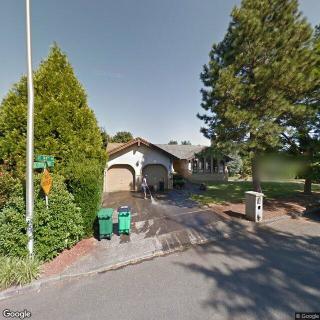
15730 SE Bybee Dr, Portland, OR 97236
To contact a resident: (503) 206-8828
For more information about senior living options: (866) 208-4318
Lucy's Valley View ACH Costs & Pricing
At Lucy's Valley View Adult Care Home (ACH), the monthly costs for accommodations are positioned competitively within the local market. For both studio and private room options, residents can expect to pay $3,500 per month. This pricing falls slightly above the average for Multnomah County, where similar studio rooms are available for approximately $3,455 and private rooms for about $3,227. However, it is worth noting that Lucy's rates remain more affordable compared to the broader state averages in Oregon, which stand at $3,815 for studios and $3,424 for private rooms. This balance suggests that while Lucy's Valley View provides a premium environment and care services at a competitive rate, it also offers value when juxtaposed against average county and statewide costs.
| Floor plans | Lucy's Valley View ACH | Multnomah County | Oregon |
|---|---|---|---|
| Studio | $3,500 | $3,455 | $3,815 |
| Private | $3,500 | $3,227 | $3,424 |
Memory care communities with a similar price nearby
-
About the same
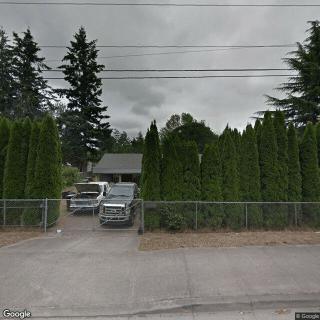
American Living Adult Family Home LLC
$3,500 / month13.5 miles away -
from -$500 / mo
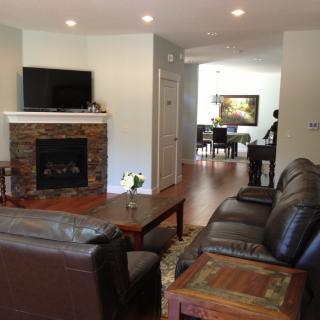
Elder Garden Care Home, LLC
$3,000 / month4.2 miles away -
About the same
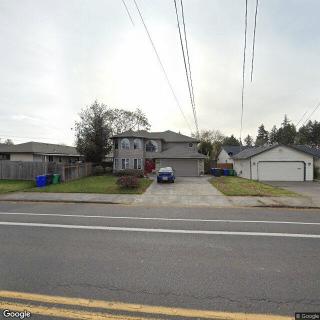
Northwest Home Health
$3,500 to $3,700 / month5.1 miles away -
from -$500 / mo
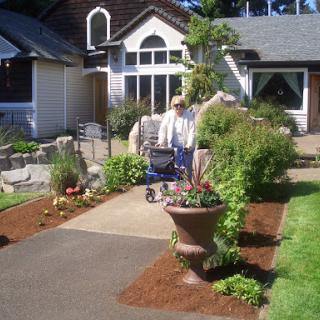
Rivercrest Adult Care
$3,000 to $3,700 / month10.4 miles away -
from +$500 / mo
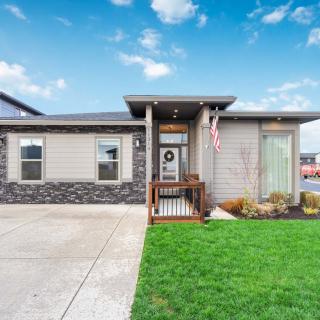
The Finest Care AFH, LLC
$4,000 to $5,500 / month12.0 miles away
Overall Review of Lucy's Valley View ACH
Pros
 Lucy was great with their mother.
- The reviewers would highly recommend Lucy to friends and family who need to move a loved one.
- They appreciated Lucy's handling of the challenging situation.
Cons
 The challenges she was causing.
- The same challenges our mother had.
Review
Lucy’s Valley View ACH in Portland is best suited for families facing a transition with a loved one who has complex daily-care needs or challenging behaviors, where a small, hands-on setting can deliver tailored support and close family collaboration. As an adult care home, the community emphasizes intimate, relationship-driven care and quick adaptation to evolving needs. The right match here is a resident who benefits from steady personal attention, predictable routines, and the reassurance that staff will work with relatives to navigate difficult days. In this context, practical, no-nonsense care wins over grandiose promises, making the setting especially suitable for families prioritizing stable oversight and direct communication.
Those considering alternatives should weigh expectations about scope and intensity of care. Residents who require extensive on-site medical interventions, highly specialized memory-care protocols, or a secure environment may fare better in larger communities with deeper clinical resources. For families anticipating progressive or acute medical needs, a setting with broader acuity teams could provide more buffers against escalation. This ACH model excels on partnership and manageability; when needs threaten to exceed its operational range, exploring higher-acuity options becomes a prudent, prudent step.
The strongest pro is the staff’s ability to connect with residents and families in a meaningful, practical way. The experience described, Lucy being great with the mother and the family recognizing and accepting the challenges involved, speaks to a facility where caregivers respond with patience, flexibility, and clear communication. That relational competence translates into smoother days, adherence to routines, and fewer stressful moments around care decisions. The intimate size of an ACH often yields quicker response times, stronger day-to-day oversight, and a sense that a resident’s preferences truly guide daily life, from meals to activity choices.
The primary con suggested by the available account is the reality that transitioning a resident because of ongoing challenges may be necessary. This implies a ceiling on the level of care that can be sustained within this setting, particularly if medical or behavioral needs intensify beyond what the home is equipped to manage. For families seeking absolute certainty that a loved one will never require relocation, the possibility of a move remains a real consideration. The single testimonial also means outcomes beyond this case aren’t documented, so families should scrutinize care boundaries, contingency plans, and the facility’s track record for handling escalation.
Still, the practical strengths offset these concerns to a meaningful degree. A staff able to engage with a resident’s personality while maintaining transparent discussions about limits creates credibility and reduces anxious guessing for families. When plans are collaborative and there is a clear pathway for appropriate escalation or transition, the risk of a mismatch diminishes. The home-like atmosphere supports consistent routines, individualized attention, and reliable daily structures, benefits that often outweigh uncertainty about future relocations, provided expectations are grounded in the facility’s stated capabilities.
Bottom line: Lucy’s Valley View ACH is a pragmatic choice for Portland families confronting complex, behavior-related care needs in a setting that prizes personal attention and family partnership. It is worth pursuing when the objective centers on dependable day-to-day support, direct staff engagement, and flexibility to adjust plans as situations evolve. Those requiring extensive medical intervention, dedicated memory-care protocols, or guaranteed avoidance of relocation should compare options with stronger clinical resources. An on-site tour, candid conversations about specific medical and behavioral requirements, and a clear escalation plan will illuminate whether this community aligns with the loved one’s trajectory.
 Board and Care Home
 Memory Care
 Activities on-site
 Indoor common areas
 Outdoor common areas
 Private
 Private bathrooms
 Wheelchair accessible showers
 Portland International (9 miles away)
 Diabetic care
 High acuity care
 Incontinence care
 Medication management
 Meals provided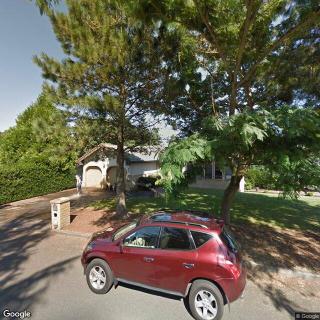

 Comprehensive Insights on the Late Stages of Dementia: What to Expect and How to Provide Care
 Medications Associated with Dementia Risk: A Comprehensive Overview
 Guiding Your Journey: Understanding Power of Attorney for Elderly Parents