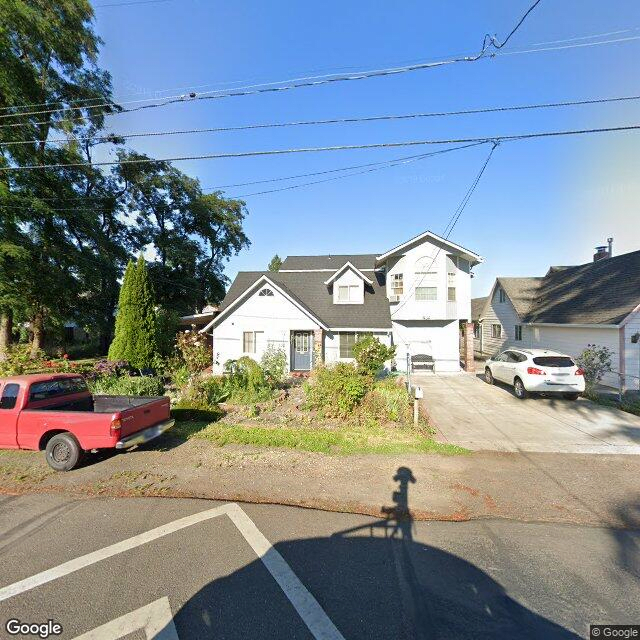
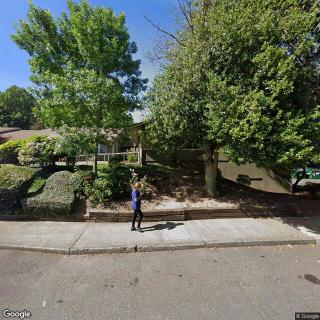
5234 Northeast 73rd Avenue, Portland, OR 97218
To contact a resident: (503) 255-5562
For more information about senior living options: (866) 208-4318
Estera's 24 Hour Adult Foster Care Costs & Pricing
Estera's 24 Hour Adult Foster Care offers competitive pricing for its services, with a monthly cost of $2,600 for both 1-bedroom and private room accommodations. When compared to the average costs in Multnomah County, which stand at $3,402 for a 1-bedroom and $3,227 for a private room, Estera's presents a significant savings opportunity. Furthermore, the rates are markedly lower than the state average rates of $3,904 for a 1-bedroom and $3,424 for a private room across Oregon. This makes Estera's not only an affordable option but also an appealing choice for individuals seeking quality care in a personalized setting.
| Floor plans | Estera's 24 Hour Adult Foster Care | Multnomah County | Oregon |
|---|---|---|---|
| 1 Bedroom | $2,600 | $3,402 | $3,904 |
| Private | $2,600 | $3,227 | $3,424 |
Memory care communities with a similar price nearby
-
from -$100 / mo
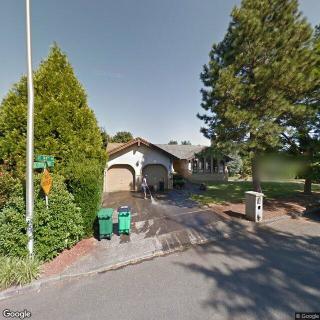
A Gentle Care Home
$2,500 / month7.6 miles away -
from +$400 / mo
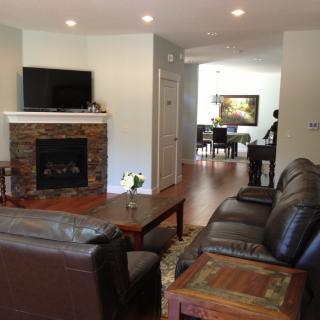
Elder Garden Care Home, LLC
$3,000 / month7.0 miles away -
from +$400 / mo
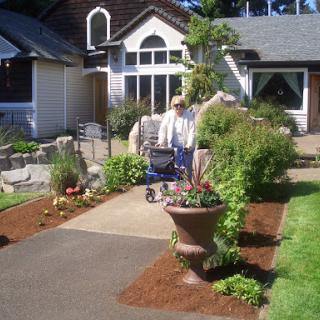
Rivercrest Adult Care
$3,000 to $3,700 / month15.5 miles away -
from +$200 / mo
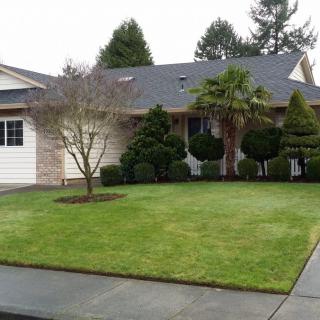
Aging Gracefully Family Home
$2,800 to $3,500 / month4.1 miles away -
from +$500 / mo
Golden Gate Home Care
$3,100 / month13.5 miles away
Overall Review of Estera's 24 Hour Adult Foster Care
Pros
 The mother has received compassionate and kind care for almost three years.
- The caregivers are excellent.
- There are no complaints about how things are going for the loved one since he moved into this community.
- The staff are very attentive to his needs.
- He feels comfortable and safe in his new living environment.
- The reviewer has peace of mind knowing he is there and is thankful for that.
Review
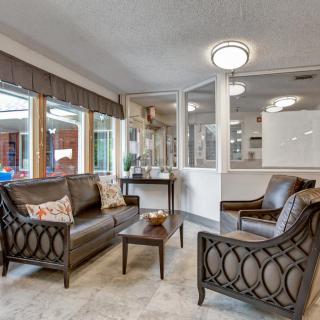
Estera's 24 Hour Adult Foster Care in Portland is best suited for seniors who want a warm, home-like environment where care is personal, consistent, and delivered around the clock. This community shines for residents who value real relationships with caregivers and a setting that feels intimate rather than institutional. Families seeking a place where staff know the individual’s routines, preferences, and small idiosyncrasies, and where the caregiver-to-resident interactions can be steady and emotionally grounding, will find the fit compelling. The layout and approach appeal to those who prioritize safety, ease of conversation with staff, and a sense that the resident is genuinely cared for in a familiar, family-like atmosphere.
Those weighing alternatives should consider what happens if care needs intensify or if the preference is for a larger campus with broader programming. For seniors requiring specialized memory care, more extensive medical oversight, or a wider slate of social activities and outings, a bigger assisted living community or a dedicated memory-care facility could deliver the depth and variety those needs demand. Families on a tighter budget or those who want a more structured, hospital-like care environment may also want to compare options. In short, Estera’s excels where personal attention and day-to-day comfort trump the breadth of services typical of larger campuses.
The strongest pros are tangible and meaningful. Caregivers emerge as a core strength, described as compassionate and kind, with the staff repeatedly noted as attentive to individual needs. This translates into residents who feel safe and settle quickly, a factor that cannot be overstated for families seeking continuous reassurance about daily well-being. The ability of the team to cultivate trust through dependable, respectful interactions is the recurring theme that turns daily living into a buoyant experience rather than a series of formal routines. When families mention peace of mind, it reflects not just a good day-to-day routine but the confidence that someone is consistently watching over the loved one and responding promptly to changes.
The potential caveats, while not highlighted as glaring faults, are worth weighing. The nature of a 24-hour adult foster care model typically involves a smaller staff footprint and a more intimate environment, which can translate into fewer on-site medical resources and less breadth in programming compared to larger facilities. Prospective residents should verify the specifics of medical oversight, medication administration, and emergency protocols, as well as how transportation, activities, and memory-support services are organized. If a resident requires intensive therapies, specialized equipment, or a highly structured activity calendar, these are legitimate questions to bring to a tour. The absence of explicit drawbacks in the reviews does not erase the need to confirm that the level of care aligns with evolving needs.
Nonetheless, the compelling advantages strongly counterbalance these considerations for the right candidate. The documented caregiver excellence, coupled with a resident’s reported sense of comfort and safety, creates a foundation of trust that eases transitions for families. The intimate setting fosters predictable routines, which in turn reduces anxiety about daily life and medical vigilance. When the priority is heartfelt, attentive care delivered with consistency, Estera’s 24 Hour Adult Foster Care delivers results that matter: a loved one feels at home, and families regain confidence that the caregiver relationship will stay steady through the years.
In the end, this community earns its recommendation for families who prioritize a nurturing, home-like atmosphere with highly engaged staff and clear, ongoing reassurance about a loved one’s safety and happiness. For those who insist on robust specialized services, large-scale activities, or extensive medical resources, alternatives that offer broader clinical capabilities may be a better match. Estera’s stands out as a practical, experienced choice for preserving dignity, comfort, and connection in daily life, with sufficient strength to outweigh its narrower service scope for the right resident and family.
 Board and Care Home
 Memory Care
 Activities on-site
 Indoor common areas
 Outdoor common areas
 Private
 Respite or short term stays offered
 Wheelchair accessible showers
 Portland International (2 miles away)
 Ambulatory care
 Diabetic care
 High acuity care
 Incontinence care
 Medication management
 Meals provided




 Assisted Living and Memory Care: Understanding Their Core Differences
 Choosing the Right Senior Care: A Detailed Exploration of Assisted Living and Nursing Homes
 Safeguarding Your Memory Through the Golden Years: Eight Ways to Preserve Cognitive Health