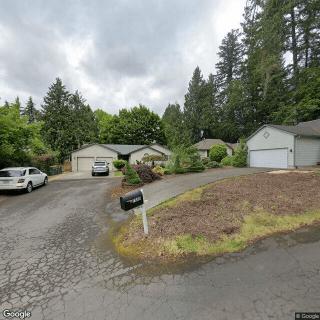
7812 SW Taylors Ferry Rd, Portland, OR 97223
To contact a resident: (503) 764-9857
For more information about senior living options: (866) 208-4318
Blue Sky Adult Care Home Costs & Pricing
Blue Sky Adult Care Home offers competitive pricing for its services, with a monthly cost of $3,500 for both private rooms and one-bedroom accommodations. When compared to the averages in Washington County and Oregon, Blue Sky's rates are notably higher than the county's average of $3,261 for private rooms but are slightly below the state average of $3,424. For one-bedroom units, Blue Sky matches the same price point of $3,500, which is lower than Washington County's average of $4,082 and more favorable when compared to Oregon's statewide average of $3,904. This pricing structure positions Blue Sky as an appealing option within the local market while providing residents with a welcoming environment and quality care.
| Floor plans | Blue Sky Adult Care Home | Washington County | Oregon |
|---|---|---|---|
| Private | $3,500 | $3,261 | $3,424 |
| 1 Bedroom | $3,500 | $4,082 | $3,904 |
Memory care communities with a similar price nearby
-
About the same
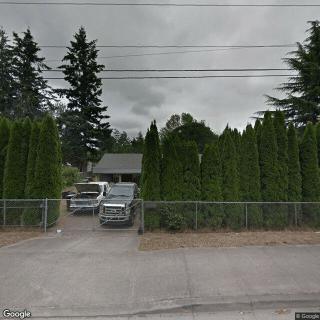
American Living Adult Family Home LLC
$3,500 / month19.1 miles away -
from -$500 / mo
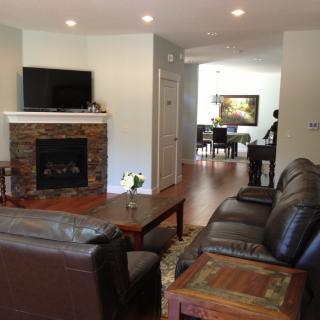
Elder Garden Care Home, LLC
$3,000 / month15.4 miles away -
About the same
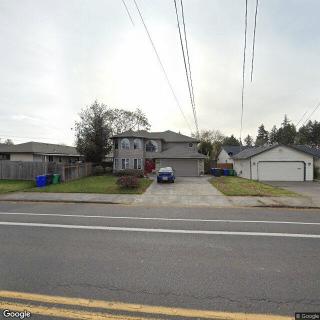
Northwest Home Health
$3,500 to $3,700 / month7.5 miles away -
from -$500 / mo
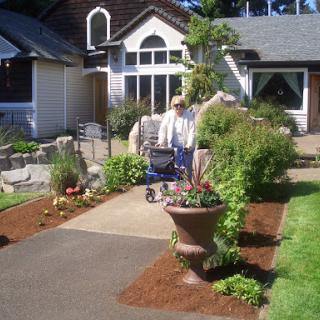
Rivercrest Adult Care
$3,000 to $3,700 / month11.3 miles away -
from +$500 / mo
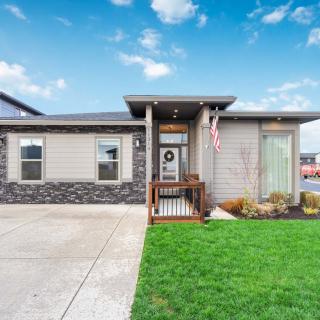
The Finest Care AFH, LLC
$4,000 to $5,500 / month17.5 miles away
Overall Review of Blue Sky Adult Care Home
Pros
 It is a good place to be.
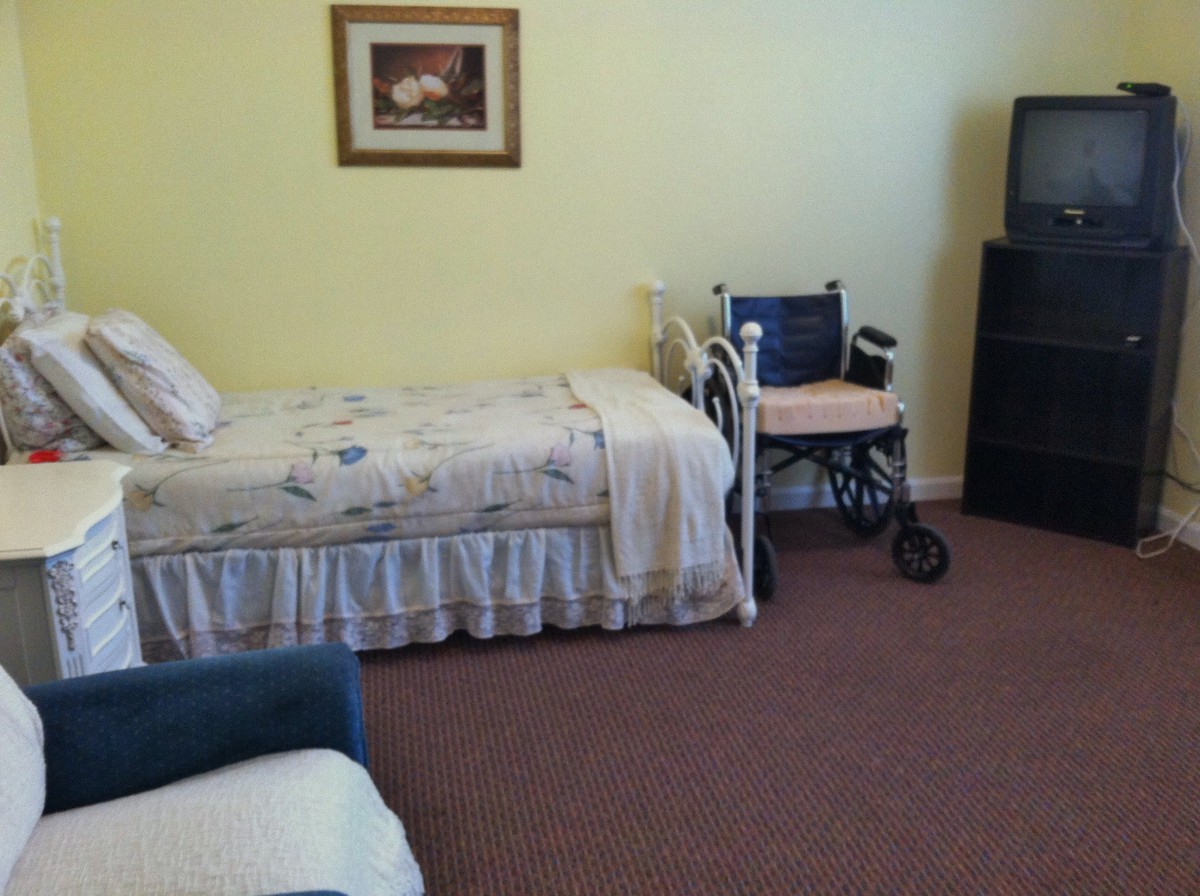
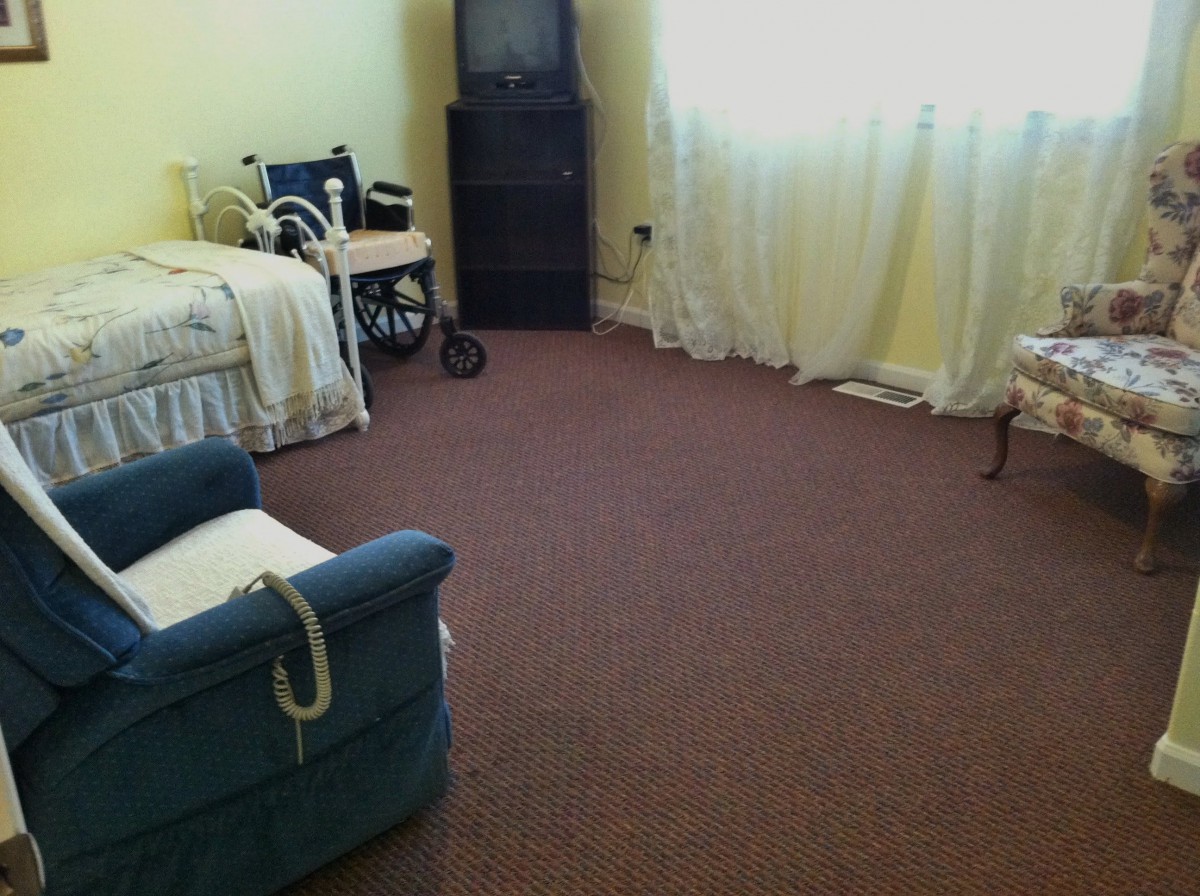
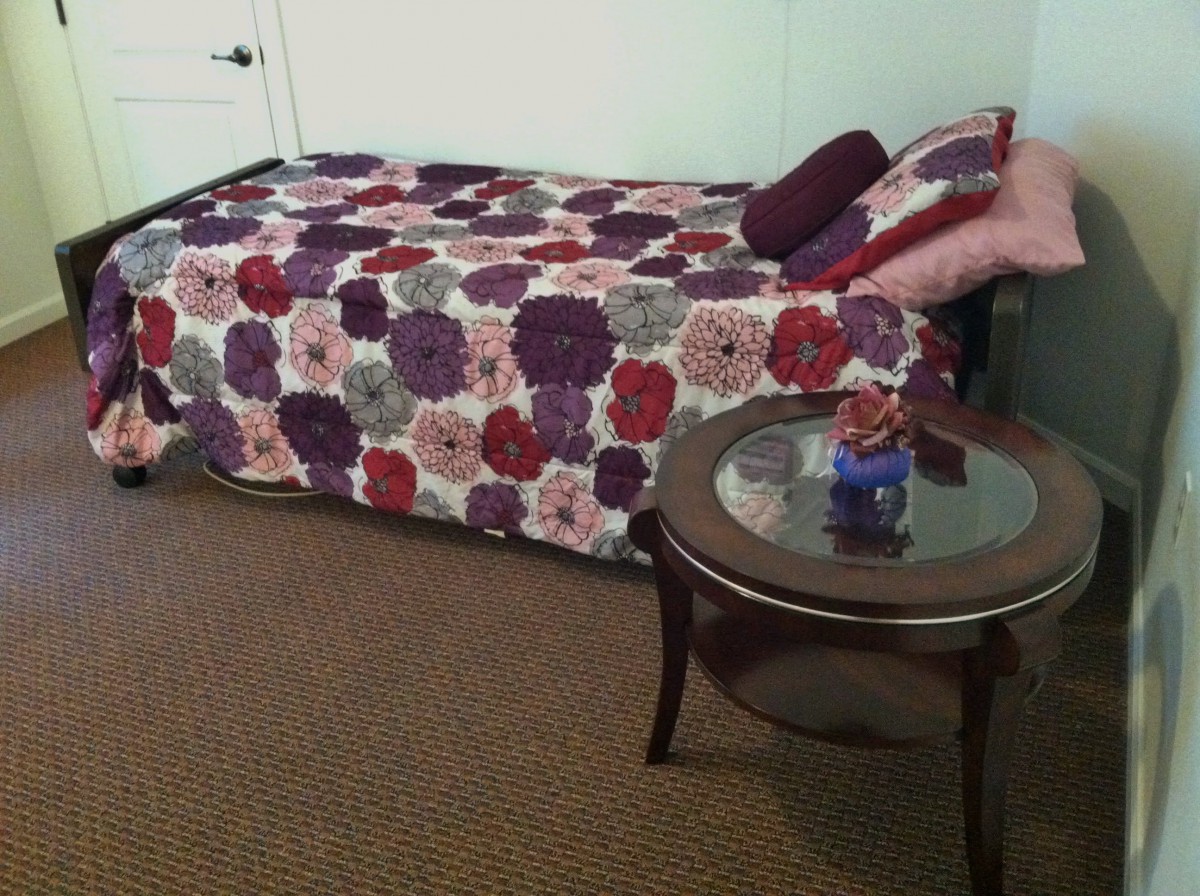
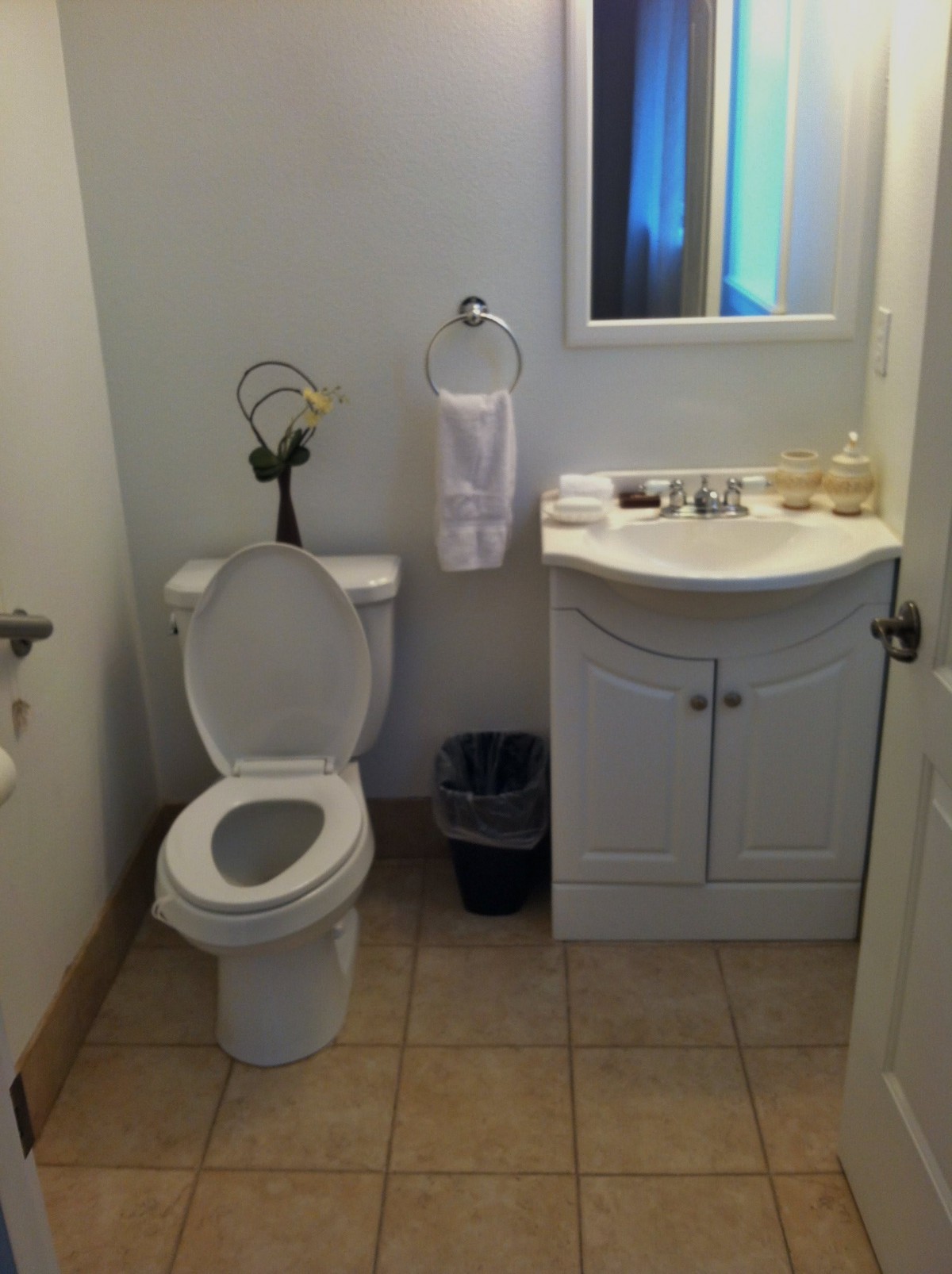
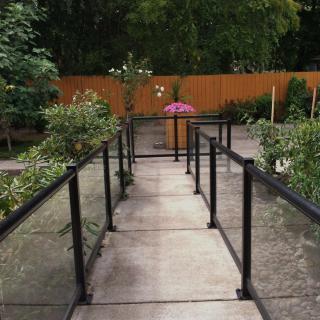
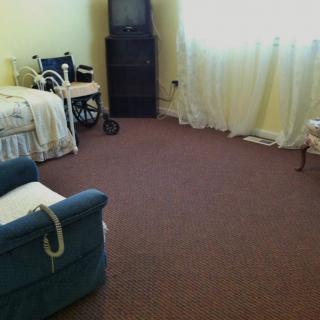
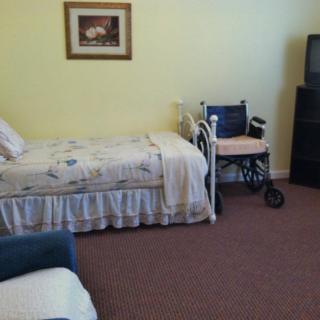
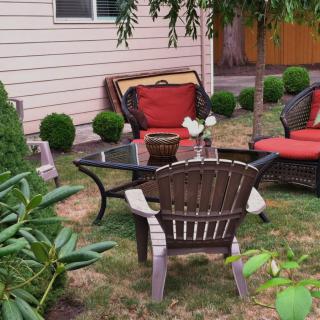
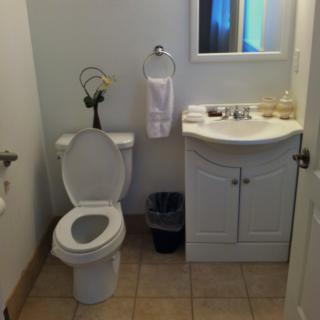
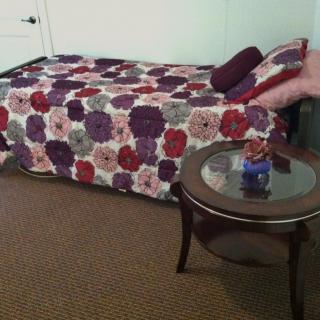
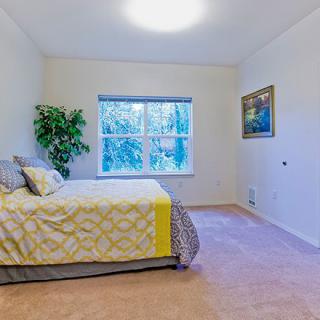
- The rooms are large with private baths, and the grounds are nice.
- A 24-hour caregiver is available.
- The staff treats residents with respect and are very professional, caring, and loving.
- The food is home-cooked, healthy, and eaten well by residents.
- Cleanliness is excellent, with regular showers and frequent housekeeping.
- There are engaging activities like puzzles and simple games, and care is very personalized due to the small number of residents.
Cons
 The puzzles aren’t very intricate and the games are really simple to play.
- Some residents aren’t really able to communicate well, so they can’t interact with her.
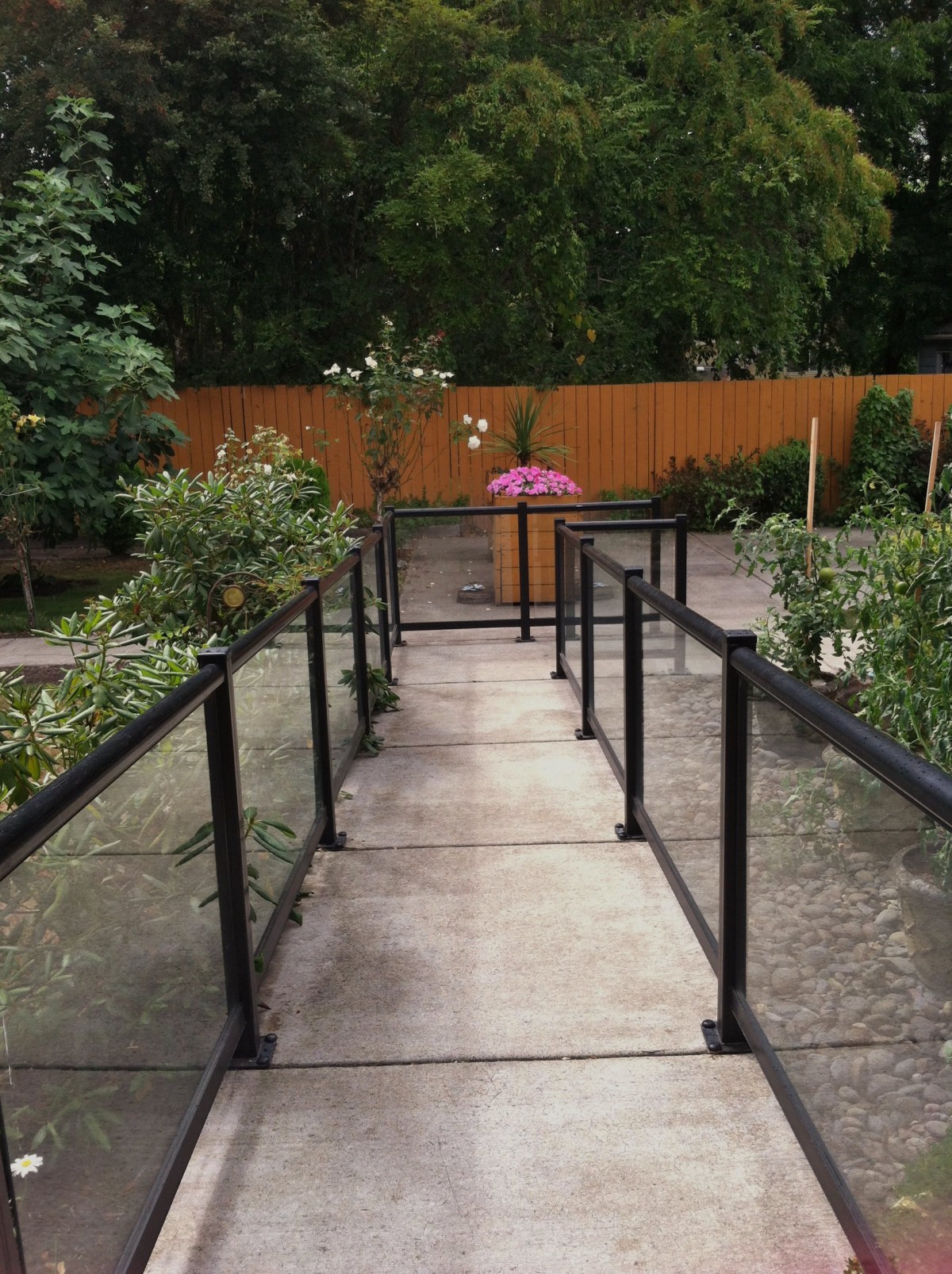
- The facility doesn’t have a gate to stop people from leaving.
- Her wandering was a concern.
Review
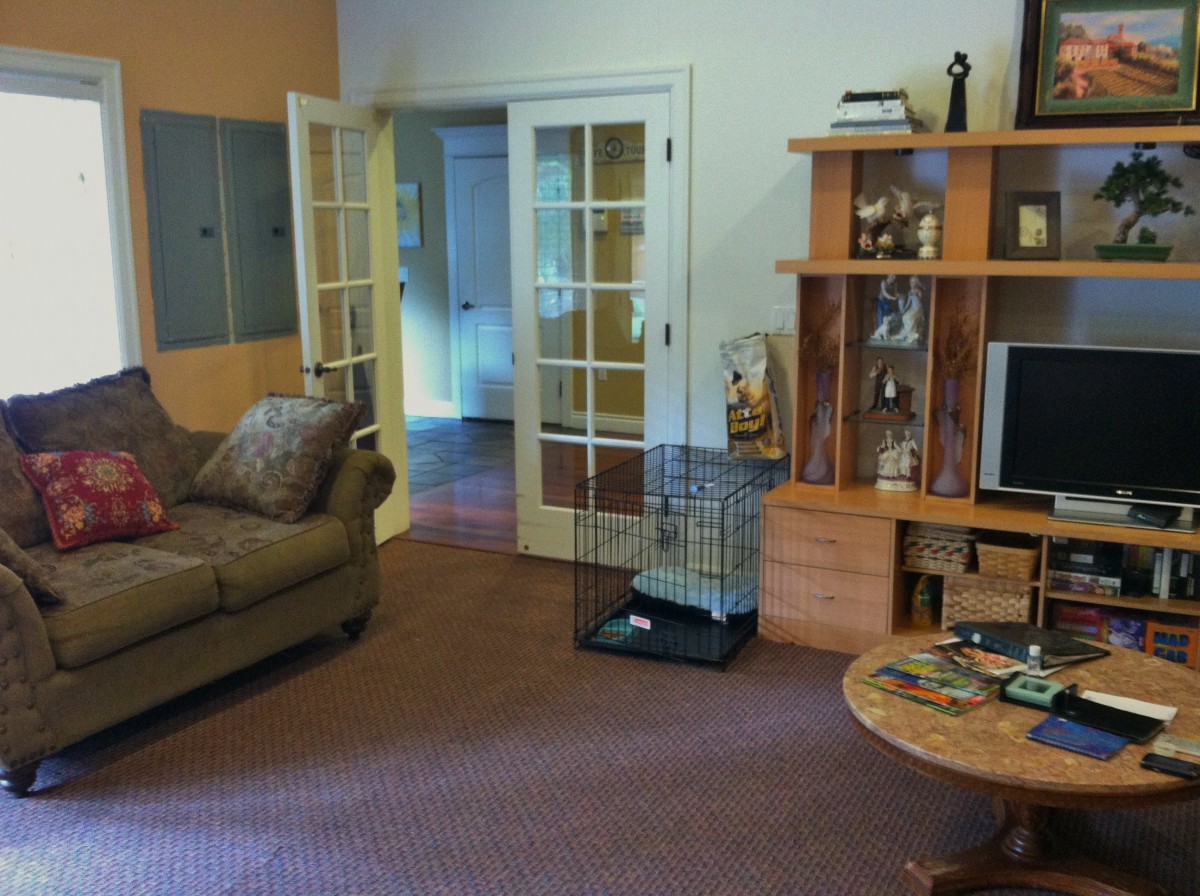
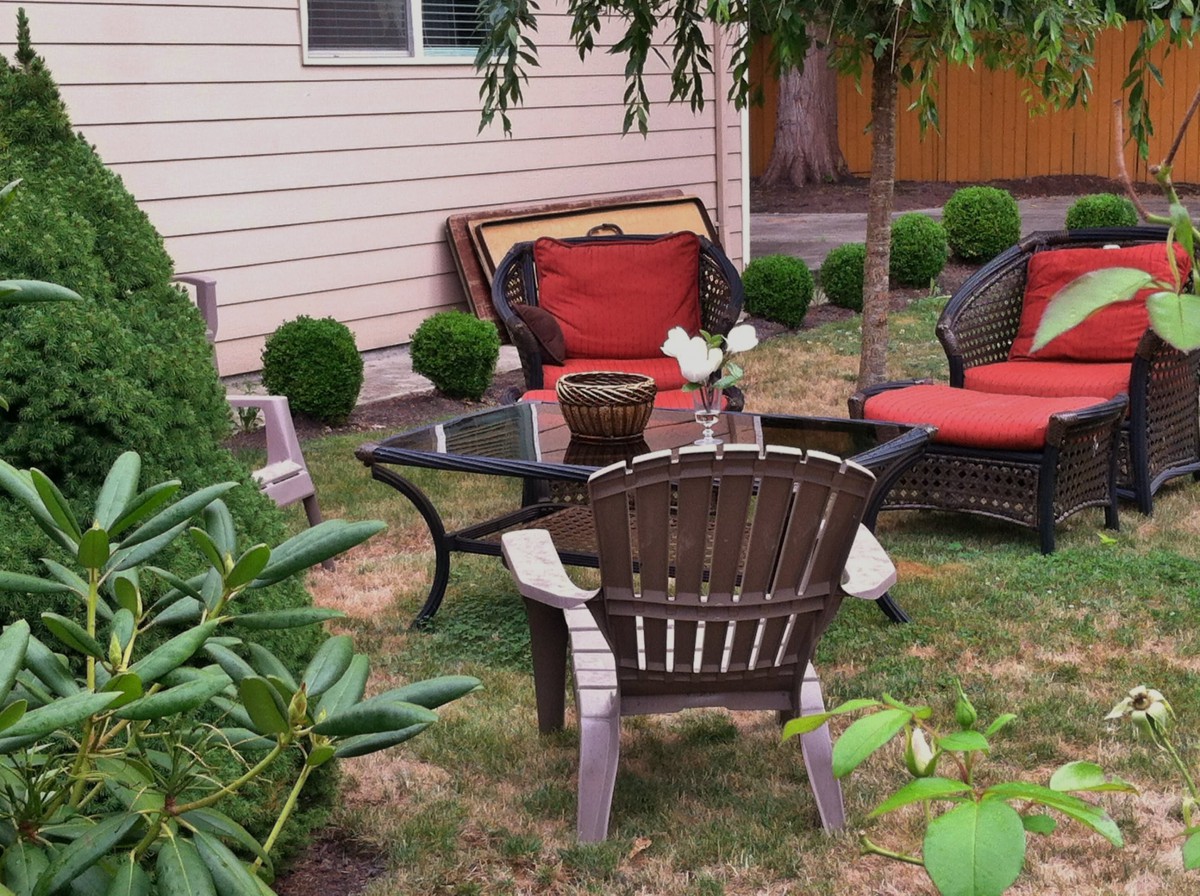
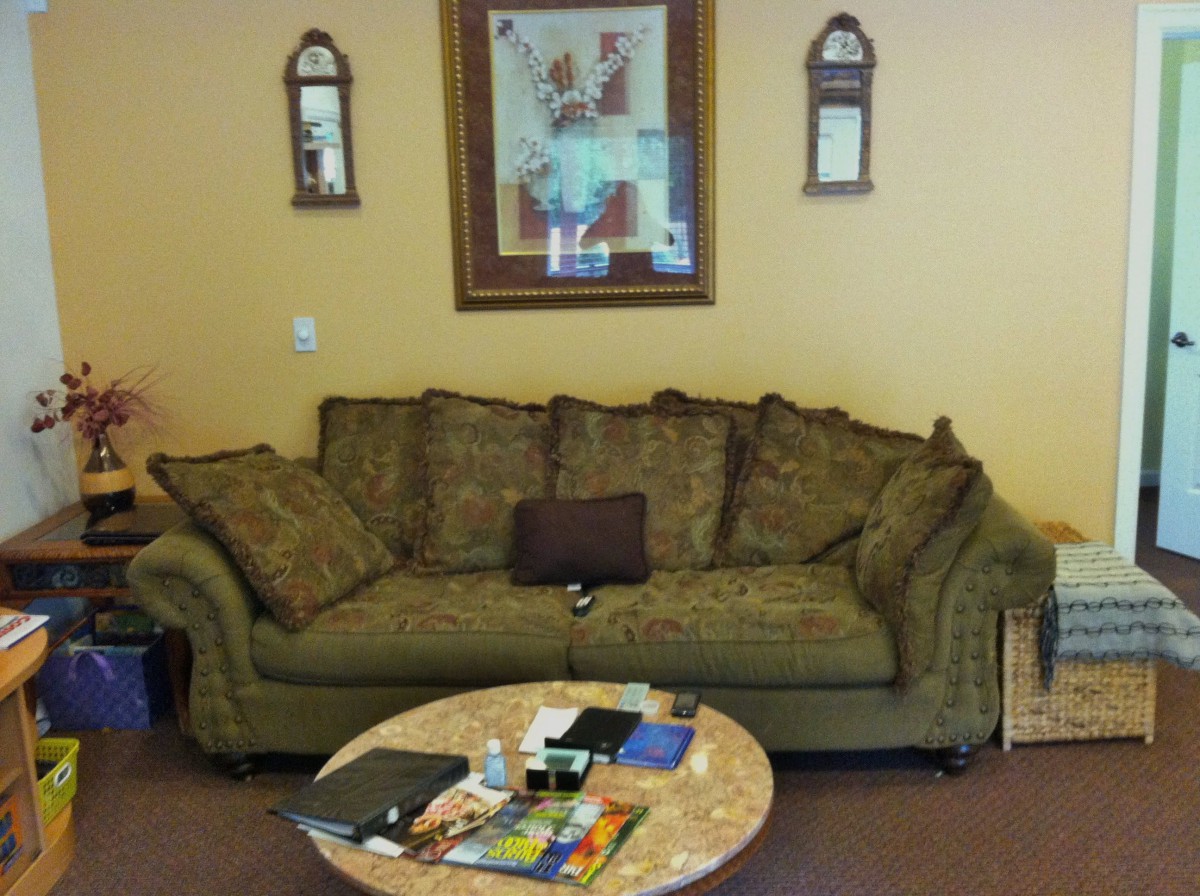
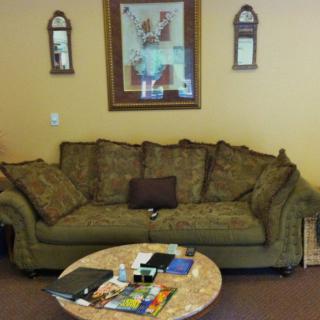
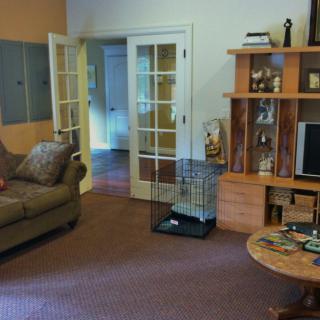
Blue Sky Adult Care Home in Portland is best suited for seniors who seek a warm, intimate, home-like environment where care feels highly personal and non-institutional. The property features large rooms with private baths, pleasant grounds, and a residence-sized feel that appeals to families prioritizing comfort and privacy. The standout is a 24-hour caregiver presence within a small, manageable community, which translates to consistent attention and rapid response to daily needs. Prospective residents should be comfortable waiting, however, the facility operates with a wait list, underscoring demand and the care focus that families are prepared to prioritize.
This setting clearly benefits seniors who want one-on-one interaction, not a large campus atmosphere. With around five residents, the staff can tailor routines, hygiene, and meals to individual preferences, and the intimate schedule fosters meaningful connections. Families note respectful, loving treatment from caregivers who frequently affirm their affection, creating emotional security for residents who value feeling cherished. Cleanliness is consistently emphasized, with routine showers and housekeeping that keep living spaces fresh. The kitchen produces home-cooked, nutritious meals that residents often enjoy, contributing to overall well-being and daily satisfaction.
Yet, some realities of the small scale deserve attention. The most tangible trade-off is social breadth: the tiny community means fewer resident peers for casual conversation and group activities, which can limit spontaneous social opportunities. While there are puzzles and simple games, and a caregiver visit a couple of times a week for interaction, the activity ecosystem cannot replicate the variety found in larger facilities. Safety concerns are acknowledged by reviewers, though not borne out by incidents to date; the lack of a physical gate is noted, and while wander risk has not materialized, families should consider whether perimeter security is a priority given their loved one’s temperament and routines.
The substantial positives nonetheless offset these potential drawbacks. The owner’s hands-on involvement, living upstairs, maintaining meticulous records, and actively supporting families during transitions, creates a level of accountability and responsiveness rarely found in larger homes. That leadership, combined with a strong emphasis on cleanliness, adept medication management, and up-to-date documentation, contributes to a stable, predictable daily rhythm. Reports of residents thriving, including a prior experience with falls at a different facility, reinforce that Blue Sky’s approach reduces risk through attentive staff and proactive care. A warm, family-like atmosphere emerges as a core strength, with residents treated as individuals rather than as numbers.
For families weighing options, Blue Sky stands out for those who prize consistency, intimate attention, and a genuine sense of belonging over breadth of programming. It is an ideal pick for someone who appreciates a private bath in a homelike room, home-cooked meals, and a staff that treats residents with consistent kindness and respect. Alternatives may be more appropriate for those seeking expansive social calendars, formal gate-controlled security, or more robust memory-care programming. The wait-list reality means planning ahead is essential; interested families should schedule a visit, observe the interaction between staff and residents, and confirm that the daily cadence aligns with their loved one’s social and cognitive needs. In short, Blue Sky is a superb fit for a quietly thriving senior who values intimate care and a compassionate, well-organized home.
 Board and Care Home
 Memory Care
 Cats allowed
 Dogs allowed
 Activities off-site
 Air-conditioning
 Bath tubs
 Cable or satellite TV
 Devotional services off-site
 Indoor common areas
 Kitchenette
 Outdoor common areas
 Private
 Private bathrooms
 Wheelchair accessible showers
 Wi-Fi/high-speed internet available
 Portland International (12 miles away)
 Ambulatory care
 Diabetic care
 High acuity care
 Incontinence care
 Medication management
 Gluten-free
 BBQs or picnics
 Birthday parties
 Resident band or musicians
 Stretching classes
 Visiting chaplain or priest
 How to Communicate with a Loved One Living with Dementia: 10 Supportive Strategies
 Comprehensive Guide to VA Nursing Homes: A Crucial Long-Term Care Resource for Veterans
 Estimating the Expenses of At-Home Dementia Care: A Detailed Exploration