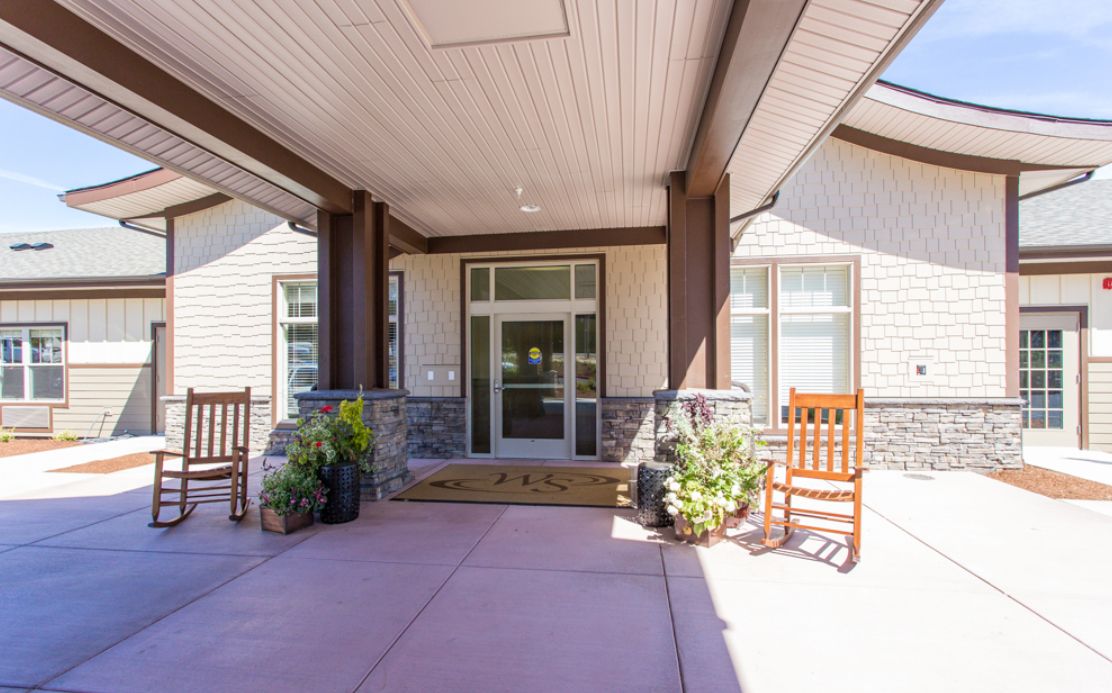











6000 South West Mosaic Drive, Corvallis, OR 97333
For more information about senior living options: (866) 208-4318
Overall Review of Willamette Springs Memory Care Community
Pros
 Nickie is very helpful, professional, and compassionate; a true credit to the organization.
- The people who work there are very caring, and they love what they do.
- The executive director is knowledgeable and friendly.
- The facility is wonderful and the staff is great.
- The staff are always friendly and helpful.
- The building is brand-new and amazingly beautiful.
- The executive director is caring and hands-on, always involved with the families.
- It is a beautiful community to place a loved one.
Cons
 The facility has been cited for over 50 cases of abuse, so people are advised not to take their loved ones there.
- Any positive reviews are from years ago, suggesting current reviews are not favorable.
- The reviewer is disappointed in having recommended the facility for a loved one.
- If there is no follow-up and ongoing emphasis on filthy conditions, the care tends to worsen and the loved one may be ignored.
- Management is completely lacking, and the hired staff are doing the best they can.
- The facility is understaffed, with poor communication between the right hand and the left hand.
- The meals were atrocious and not fit for a dog, and the medication was never given on time.
- Direct care staff are stretched thin, and state licensing violations were reported for 2017 and 2018.
Review
Willamette Springs Memory Care Community in Corvallis is best suited for families who can actively supervise care and demand high levels of accountability, especially if a loved one benefits from a bright, intervention-focused memory care setting. The campus is modern and visually appealing, and several staff members are described as compassionate with hands-on leadership. Still, the environment requires vigilant oversight: turnover, communication gaps, and gaps in routine care have shown up in multiple reviews, and prospective residents must be prepared to press for timely responses and consistent treatment.
Those evaluating options should explicitly acknowledge when alternatives may be wiser. If safety, staffing reliability, and predictable medical management are non-negotiable, this community may not meet expectations based on the most troubling feedback. Families concerned about allegations of abuse, persistent understaffing, or inconsistent medication administration will want to weigh other local options with stronger, more transparent regulatory histories and clearer escalation paths. For loved ones needing more intensive end-of-life planning, two-person transfers, or guaranteed daily routines, alternatives with documented capability in these areas deserve strong consideration.
On the upside, the strongest positives, where they consistently surface, include genuinely caring staff, engaged leadership, and a welcoming, community-focused atmosphere. Several reviewers praise the executive director as knowledgeable and hands-on, and there are accounts of staff going above and beyond in moments of need. The new building and its design contribute to a sense of warmth and comfort that can make daily life feel more home-like. When care teams are cohesive and responsive, these elements can meaningfully enhance quality of life for a resident who thrives on personal attention and a reassuring routine.
However, the gravity and frequency of the downsides cannot be dismissed. Chronic understaffing, reports of delayed or missed medications, and meals or showers that fall short of expectations point to a systemic risk in daily care. Housekeeping lapses and questions about facility-wide communication further erode reliability. Public concerns and licensing history, including references to state inspections and violations from past years, add a layer of caution: the risk that standards slip under pressure in a large, four-quadrant, 72-bed setting is nontrivial. A tiered billing system and a $2,500 community fee require close scrutiny to ensure terms align with actual care needs and services delivered.
Practical due diligence matters. Prospective families should request the most recent state inspection reports and any corrective action plans, and compare them against current care protocols. Insist on a current, signed contract that clearly defines what each care level covers, including end-of-life or palliative care, and a transparent, dated copy of the billing structure. During visits, press for specifics about staffing ratios by shift, on-call coverage, staff training, and how medication administration is tracked. Demand a sample daily care plan and documentation that demonstrates timely response to resident needs. Finally, ask about contingency plans if a loved one’s condition progresses and care needs escalate beyond what the facility can safely provide.
In the final analysis, Willamette Springs Memory Care Community presents a mixed proposition. The setting can work well for families willing to stay closely involved and push for consistent accountability, particularly when the care team proves reliable and leadership remains actively engaged. For families seeking a low-oversight option with rock-solid reassurance around staffing, consistent care, and straightforward billing, there are legitimate reasons to look elsewhere. The prudent path is to use a structured tour with explicit questions, demand current regulatory records, and compare with alternatives that demonstrate a steadier track record before committing to long-term placement.
 72 resident community capacity
 Memory Care
 Respite Care
 Air-conditioning
 Beauty salon
 Cable or satellite TV
 Computer center
 Dining room
 Fitness room
 Fully furnished
 Gaming room
 Garden
 Housekeeping services
 Kitchenette
 Move-in coordination
 Outdoor space
 Private bathrooms
 Restaurant-style dining
 Small library
 Telephone
 Wellness center
 Wi-Fi/high-speed internet available
 Community operated transportation
 12-16 hour nursing
 24-hour call system
 Activities of daily living assistance
 Assistance with bathing
 Assistance with dressing
 Assistance with transfers
 Diabetes diet
 Medication management
 Mental wellness program
 Special dietary restrictions
 Concierge services
 Planned day trips







 Understanding Dementia Behaviors: Practical Insights and Strategies for Caregivers
 When Dementia Sparks Anger and Aggression: Understanding the Connection and Ways to Cope
 Dementia Behaviors: In-Depth Understanding and Effective Coping Strategies