
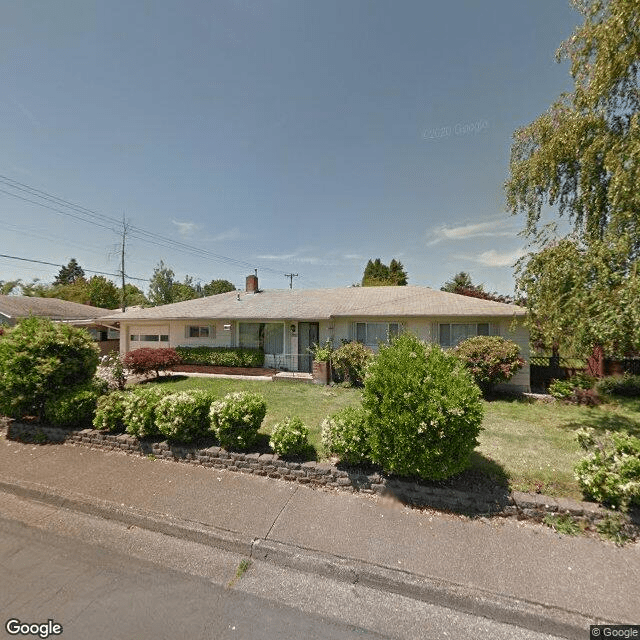
2802 Madison St SE, Albany, OR 97322
To contact a resident: (541) 248-3514
For more information about senior living options: (866) 208-4318
Anice Place Adult Foster Home, LLC Costs & Pricing
Anice Place Adult Foster Home, LLC offers competitive pricing for its private and studio room types in the context of Linn County and the broader state of Oregon. The monthly rate for a private room is set at $4,500, which is slightly above the county average of $4,383 but still presents a valuable option when considering the quality of care provided. For those seeking more spacious accommodations, the studio room is priced at $5,000 - again surpassing both county and state averages of $4,387 and $3,815 respectively. These rates reflect Anice Place's commitment to delivering personalized care in a home-like environment while aligning closely with local market trends.
| Floor plans | Anice Place Adult Foster Home, LLC | Linn County | Oregon |
|---|---|---|---|
| Private | $4,500 | $4,383 | $3,424 |
| Studio | $5,000 | $4,387 | $3,815 |
Memory care communities with a similar price nearby
-
from +$150 / mo
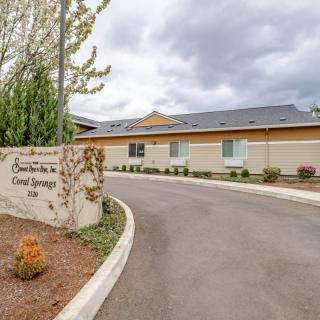
Coral Springs RCF
$4,650 / month24.4 miles away -
from +$575 / mo

Reflections Memory Care
$5,075 / month24.4 miles away -
from -$160 / mo

Brookdale Salem
$4,340 to $8,670 / month18.8 miles away -
from -$800 / mo

Faye Wright Senior Living
$3,700 to $4,700 / month18.7 miles away -
About the same
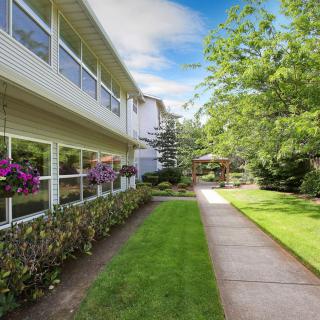
Prestige Senior Living Southern Hills
$4,400 to $5,125 / month18.9 miles away
Overall Review of Anice Place Adult Foster Home, LLC
Pros
 The staff are caring and compassionate.
- They got the answers they needed; the information was very informative and professional.
- The reviewer is very happy with the community.
- The reviewer would recommend it to other families.
- The owner was amazing and really worked with them.
- All meals are home-cooked and appear nutritious.
- The staff were very attentive.
Cons
 There are no activities that residents are aware of.
- They could improve the quality of the food.
- The reviewer's mom had to move out because she needed more memory care.
Review
Anice Place Adult Foster Home, LLC in Albany, Oregon, is best suited for seniors who want a small, intimate, home-like setting where caregivers know residents personally and daily needs are met with real warmth. The community excels for families seeking genuine, compassionate care delivered through hands-on, individual attention rather than an institutional atmosphere. It is particularly appropriate for seniors who do not yet require full-scale memory-care programming but want a pathway toward more specialized support if memory needs grow, since the owner is actively pursuing Alzheimer’s care certification across two houses and has shown an openness to adapting the care approach as conditions change.
Those weighing this option should explicitly consider alternatives if certain expectations are non-negotiable. For residents who crave a robust calendar of structured activities and routine social engagement, a larger assisted-living setting with an established activity director may serve better. Similarly, for those facing significant or advanced memory impairment requiring a secured environment and highly specialized cognitive support, a facility with an immediately available, full-memory-care program may be preferable. The current feedback hints at a gap in organized programming, which can be a meaningful gap for families prioritizing daily engagement and social stimulation.
The strongest pros center on the human touch. Staff are consistently described as caring and compassionate, with a level of attentiveness that provides reassurance to families. Communication comes through as informative and professional, a relief to relatives coordinating care. The owner stands out as a standout partner in the process, approachable, flexible, and genuinely invested in finding workable solutions with families. Meals are described as home-cooked and nutritionally mindful, reinforcing a sense of comfort and security around daily routines. The two-house model signals a forward-looking capacity to expand memory-support as needs evolve, which matters for families weighing future transitions.
Yet, the main cons deserve serious consideration. The absence of a visible activities program is a legitimate drawback for residents who value social and cognitive engagement as a core component of daily life. Even with home-cooked meals and attentiveness, there is a sense that more variety and purpose-driven activities could elevate overall well-being. Food quality receives mixed notes, while meals are nutritious and prepared in-house, some reviewers see room for enhancement in taste or variety. Most critically, memory-care readiness remains an open question; a family faced with a loved one who needs more memory-focused care may find the current setup insufficient without further certification, staff training, and program development.
These positives and gaps together shape a practical assessment. For families prioritizing a calm, high-touch environment with a caregiver-led ethos and an emphasis on nutrition and responsive communication, Anice Place delivers substantial value. The owner’s initiative toward Alzheimer’s certification and the two-house approach offer a credible pathway to expanded memory support, potentially reducing future disruption as needs shift. However, the lack of formal activities and the current state of memory-care readiness should temper expectations. The environment should feel reassuring, but the decision hinges on whether structured engagement and immediate memory-support capabilities are non-negotiable at this stage.
Practical decision guidance is essential. Prospective residents and families should request a detailed daily schedule, current activity offerings (even if informal), and a concrete plan for expanding programming. Clarity on the actual memory-care capacity, staff training, resident-to-staff ratios, and how care is coordinated across the two houses, will help determine fit for evolving needs. Dietary preferences and menu options should be reviewed, with explicit discussion about any improvements planned and how nutrition is monitored. If memory care is likely required soon, a facility with an established memory-care program may be more appropriate; if not, and the priority is a warm, personalized setting with home-style meals, this community stands out as a strong match.
In sum, Anice Place is a solid choice for families seeking intimate, compassionate care in a home-like setting where meals are home-cooked and staff relationships feel personal, grounded in attentive, professional partnership with families. It represents a balanced option for those comfortable with gentler programming and a path toward expanded memory support, not yet fully realized. For households that insist on a bustling activity calendar or immediate, dedicated memory-care capabilities, alternatives with established programs will likely outperform. The decision rests on the weight given to personal attention and a nurturing atmosphere versus the desire for structured engagement and robust memory-care services.
 Board and Care Home
 Memory Care
 Activities on-site
 Devotional services off-site
 Indoor common areas
 Outdoor common areas
 Private
 Wheelchair accessible showers
 Diabetic care
 Incontinence care
 Medication management
 Kosher



 A Holistic Dementia Care Guide: Effective Strategies for Memory Support
 Memory Care Pathways: A Holistic Guide to Dementia Support
 Comprehending Evening Confusion in Dementia: Causes, Manifestations, and Support