Richland Place in Greensboro, NC

Save

  • Interior

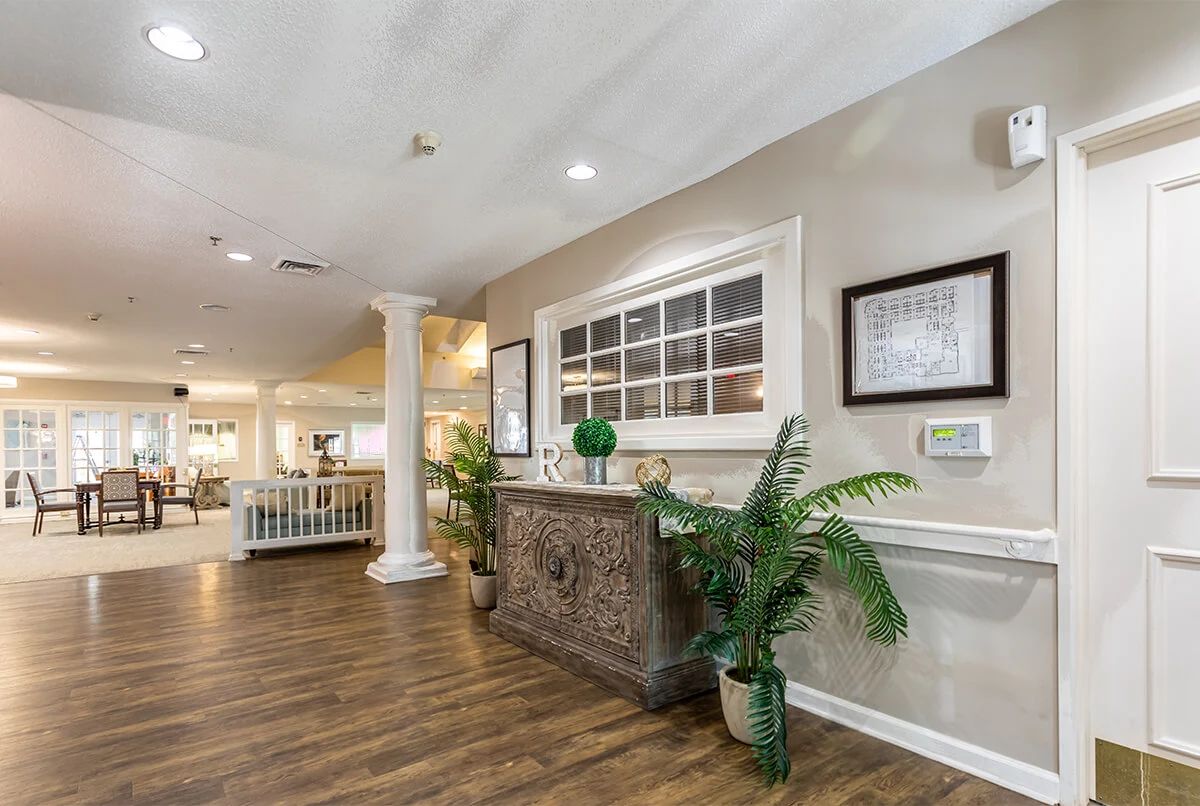
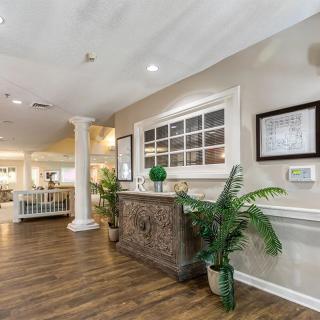
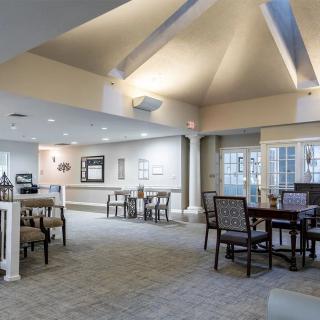
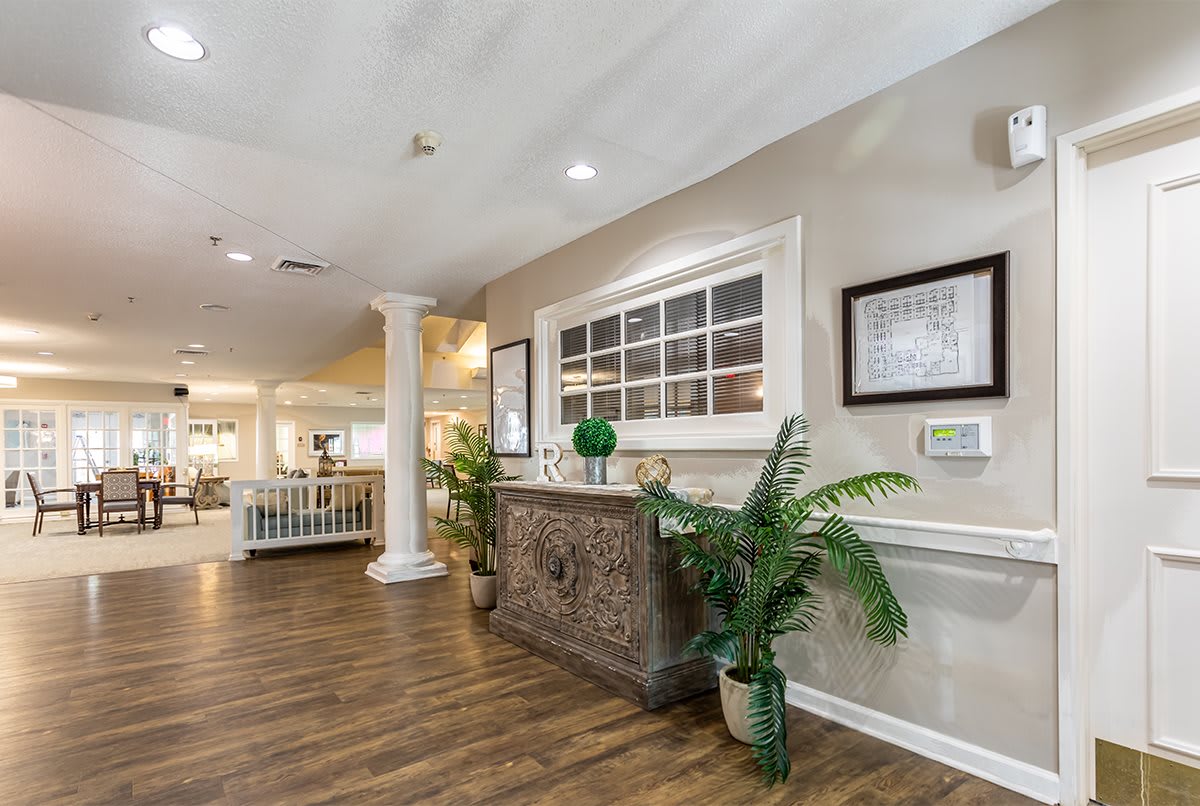
    A welcoming reception area with plants and warm lighting.
  • Outdoors

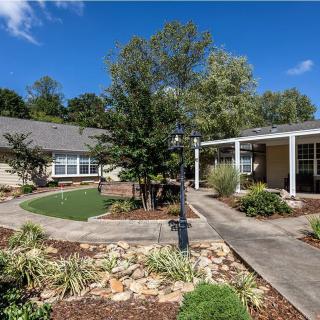
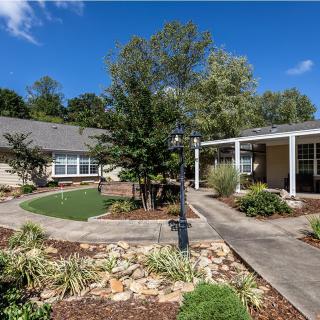
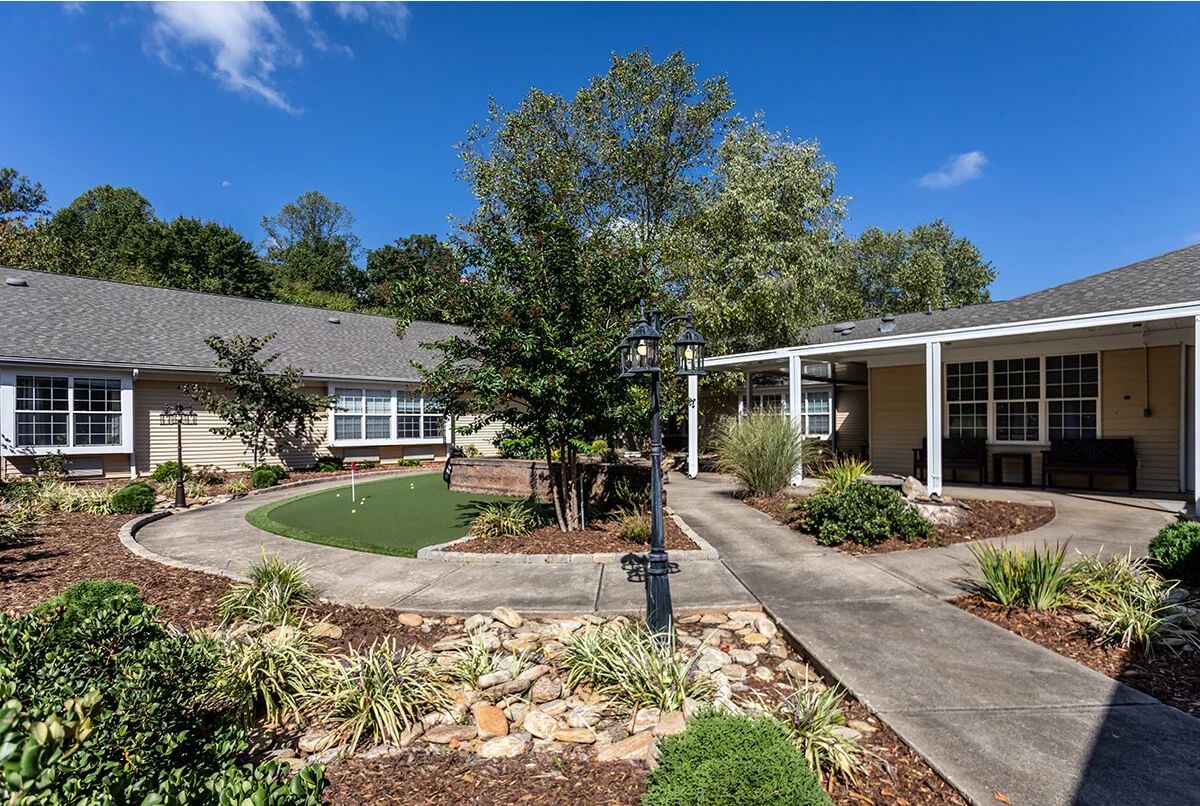
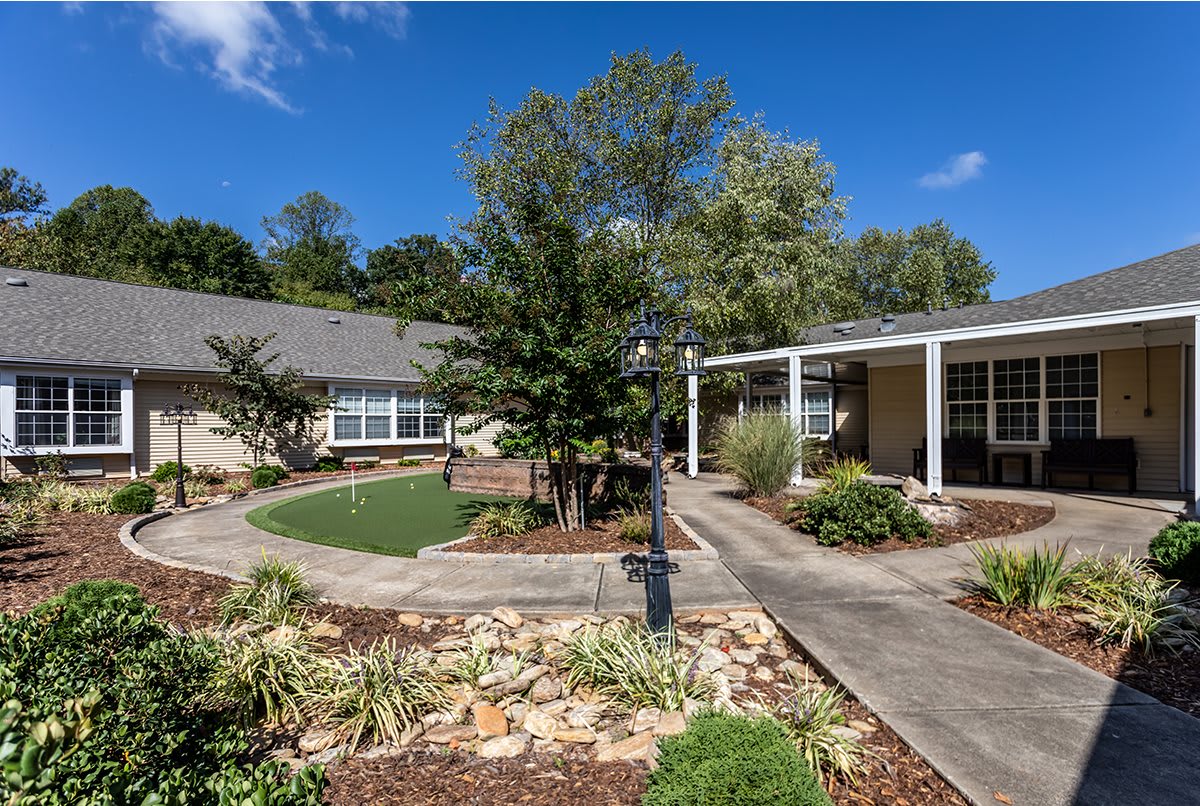
    A beautifully landscaped garden with pathways surrounding a residential house on a sunny day.
  • Decor

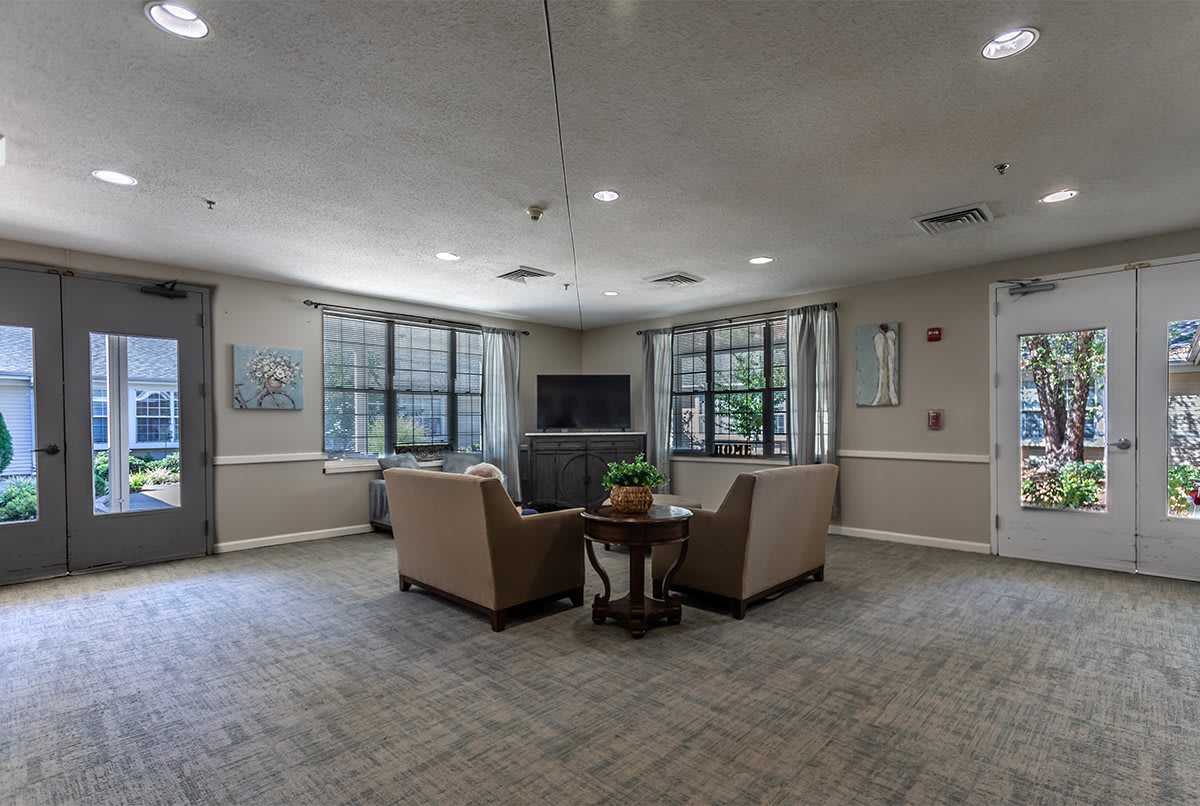
    A cozy living room area with sofas and a television.
  • Living Room

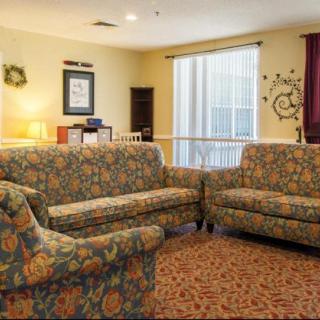
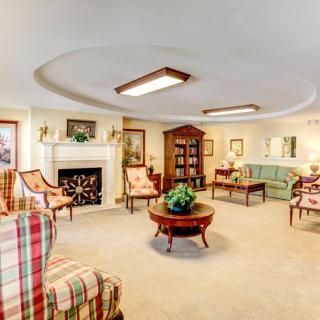
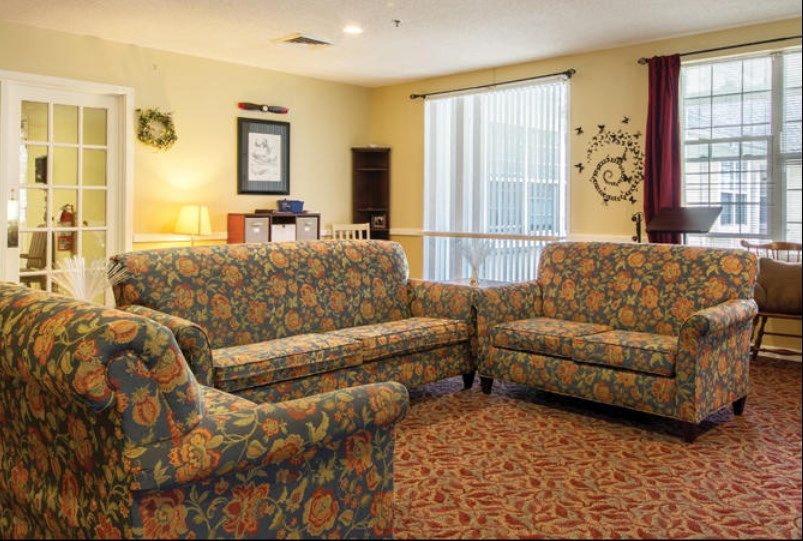
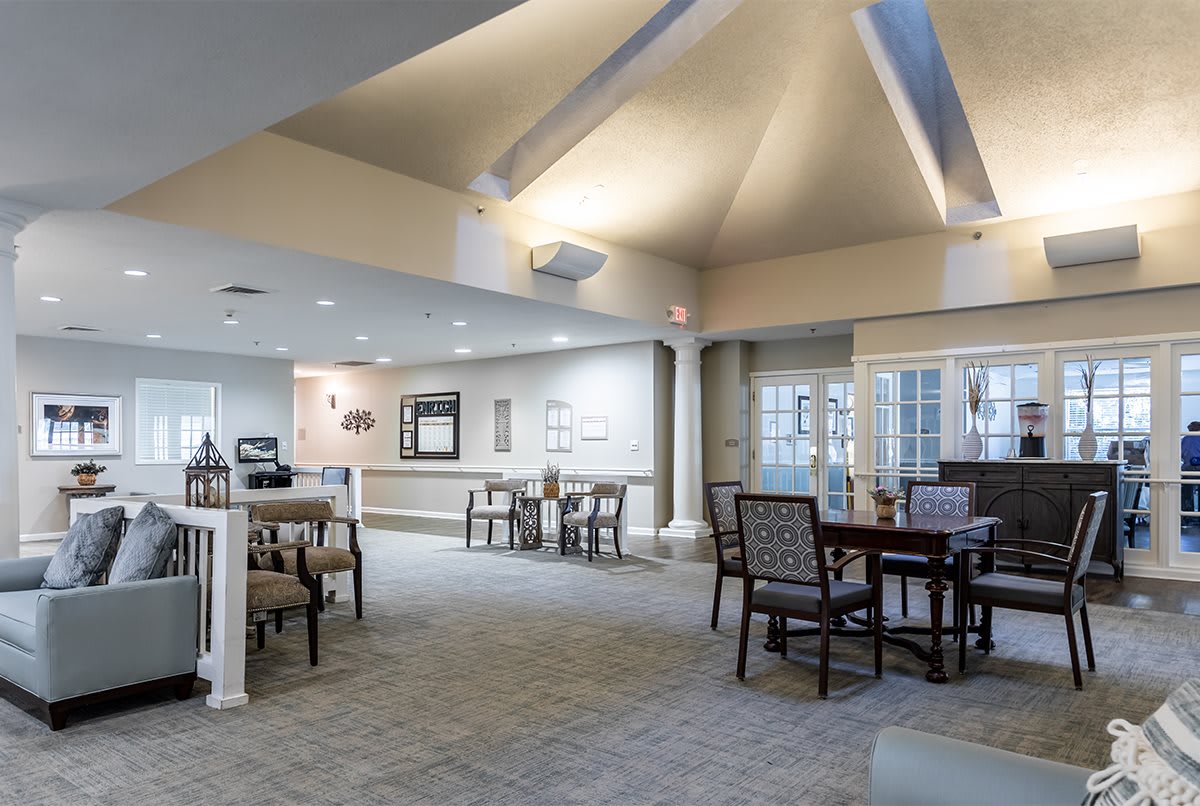
    Cozy living room with patterned sofas and warm lighting.
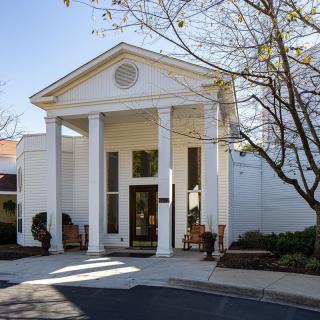
  • Building

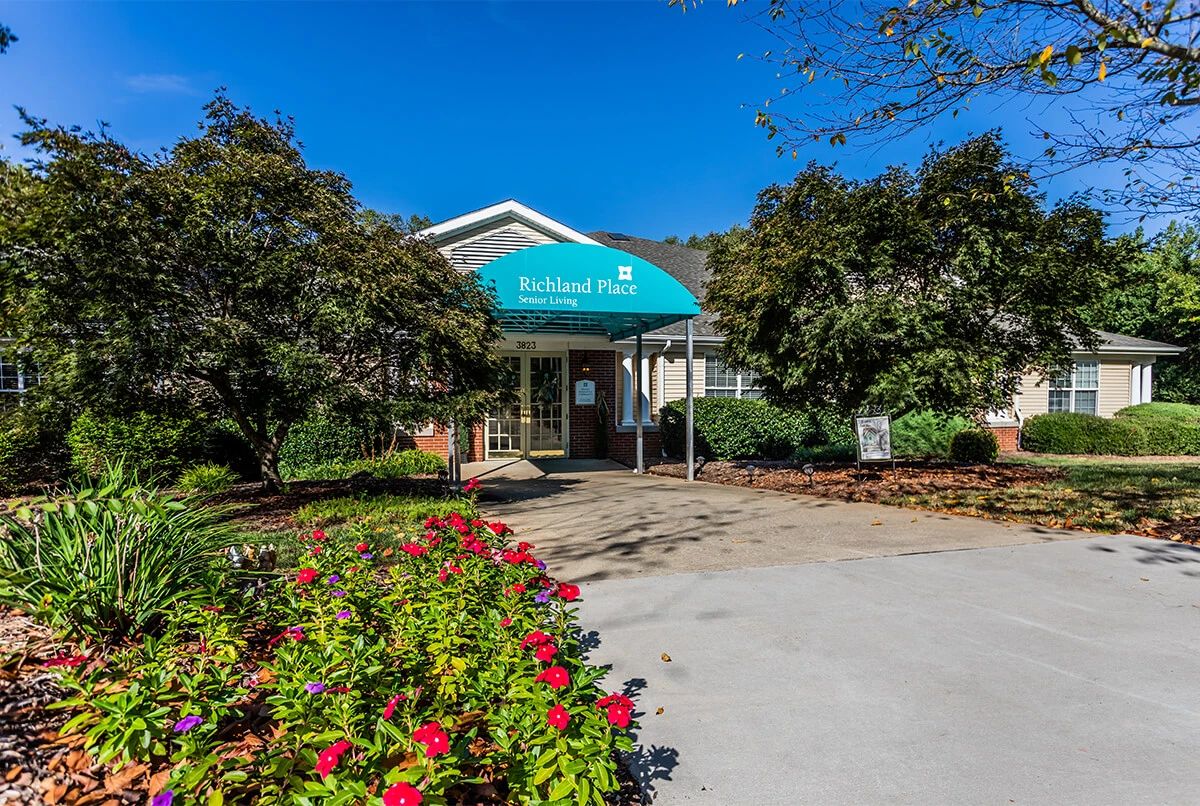
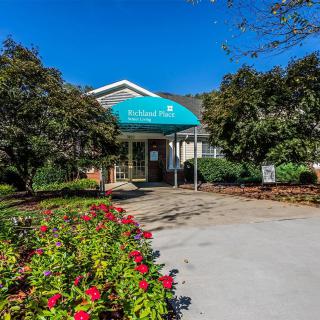
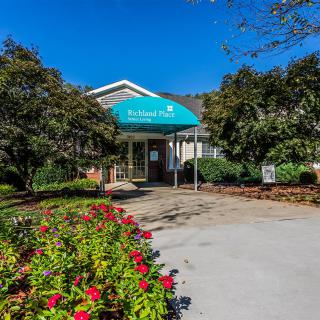
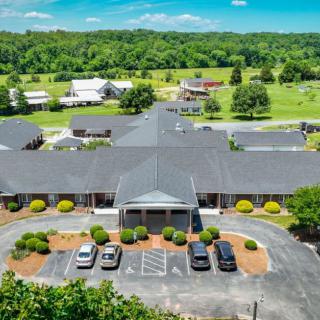
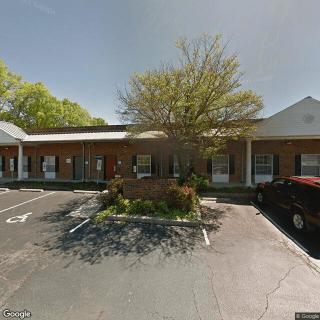
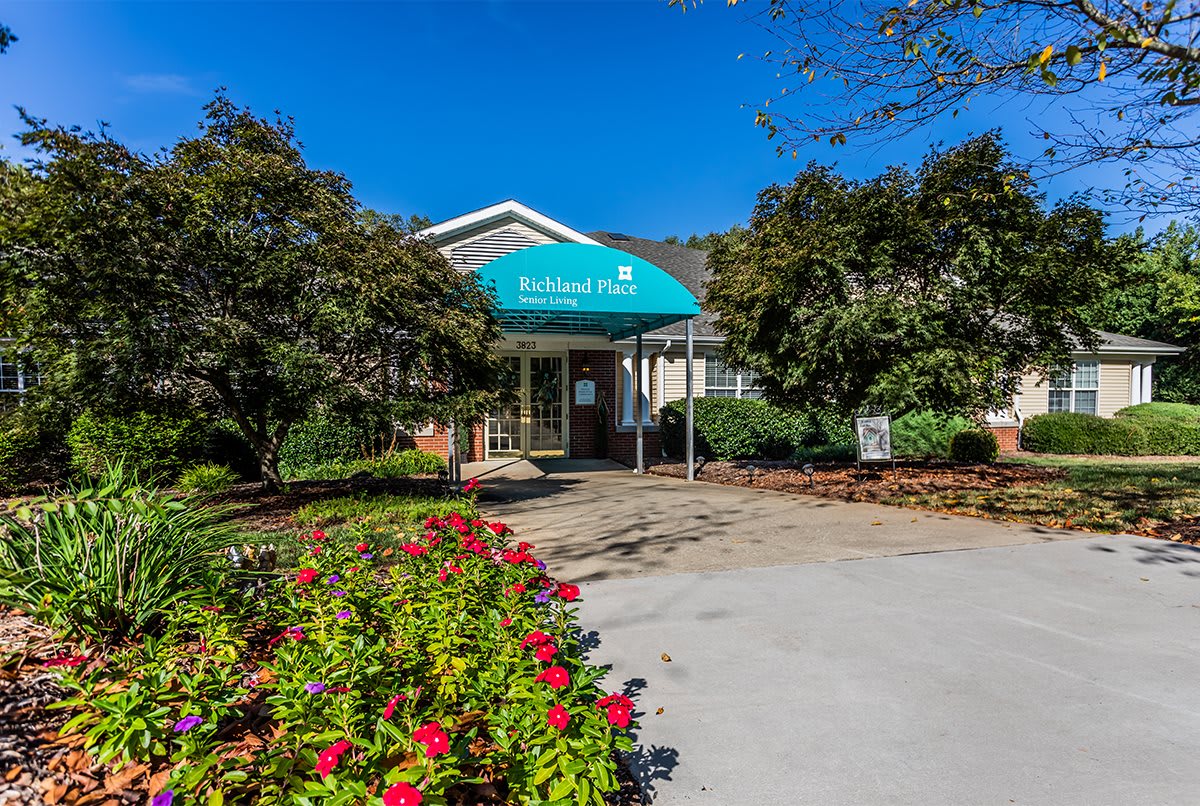
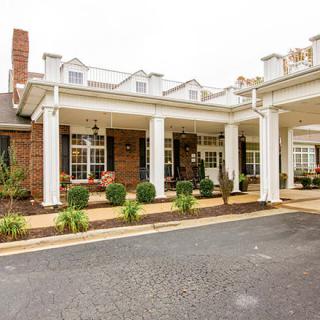
    A sunny view of a building entrance with an awning, surrounded by a garden and pathway.
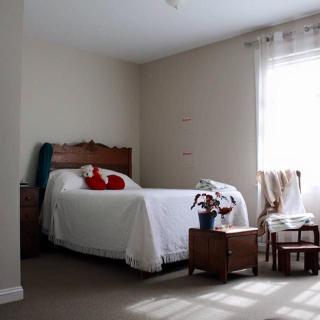
  • Bedroom

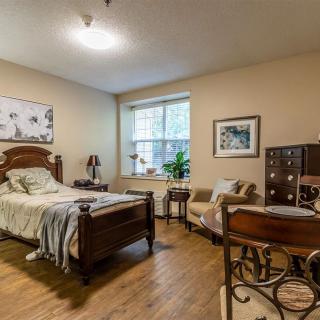
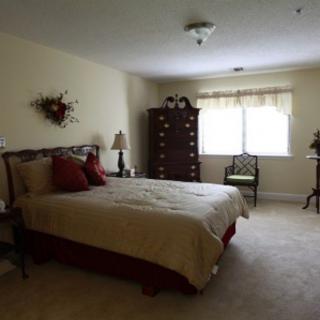
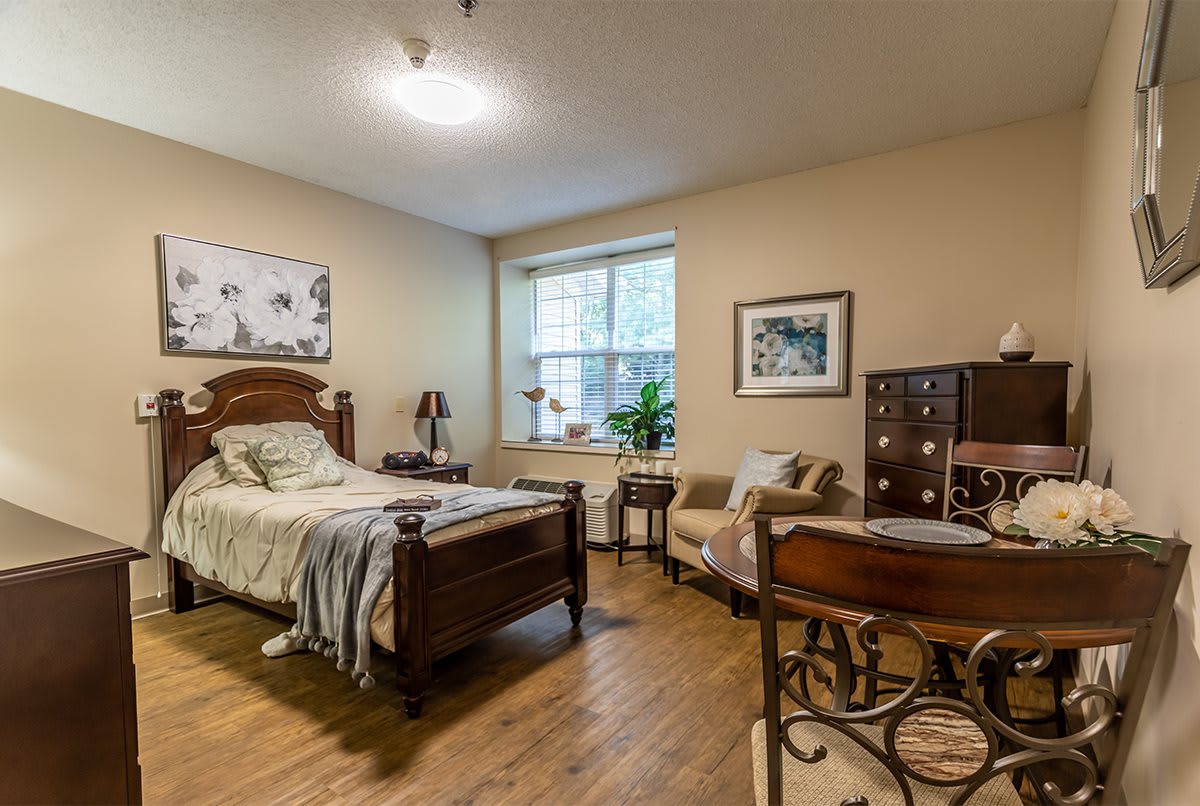
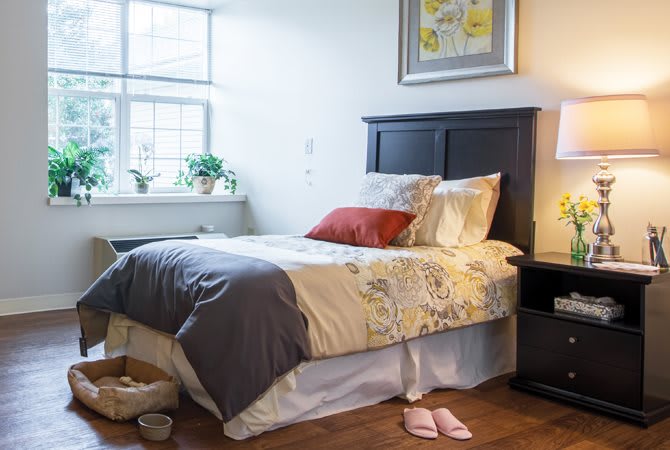
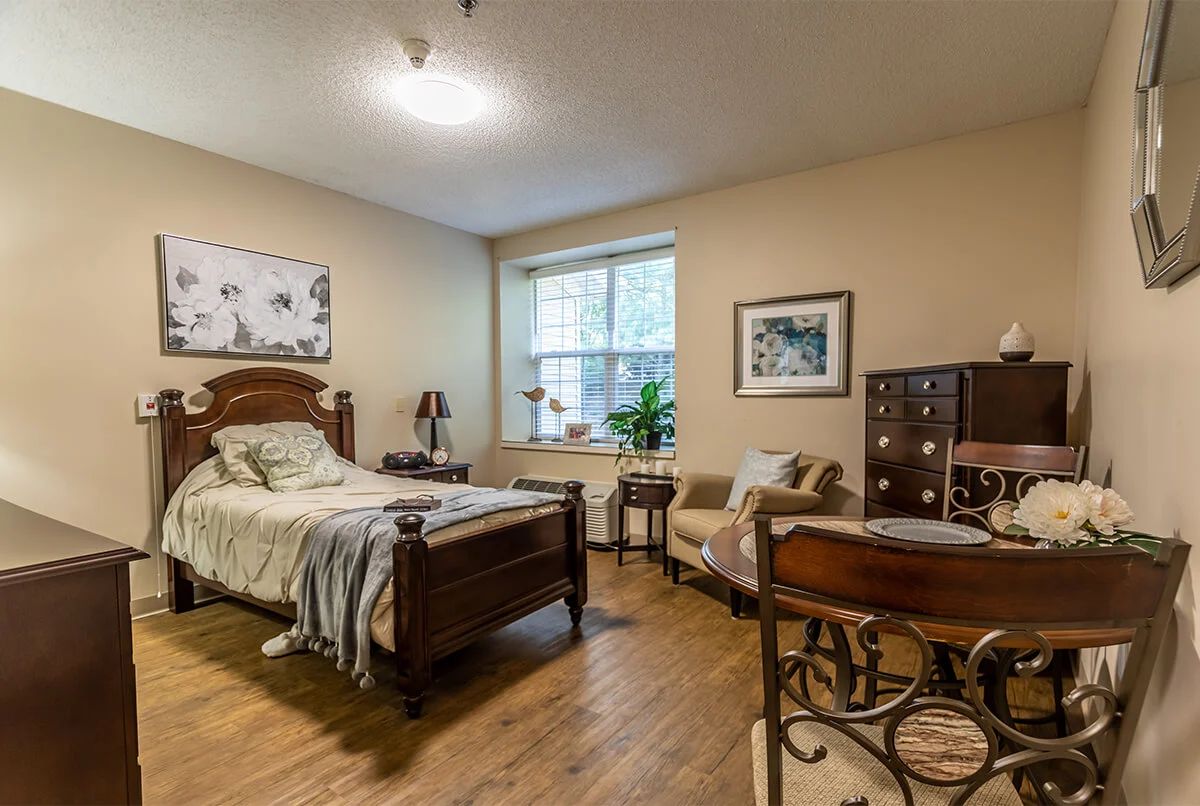
    A cozy bedroom with a wooden bed and tasteful decor.
  • Trees

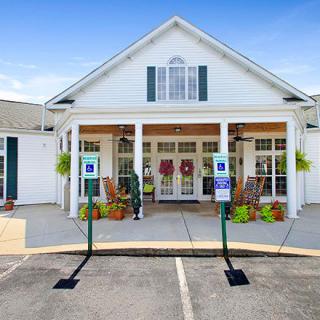
    A building entrance with a blue awning surrounded by landscaped flowers and trees.
  • Windows

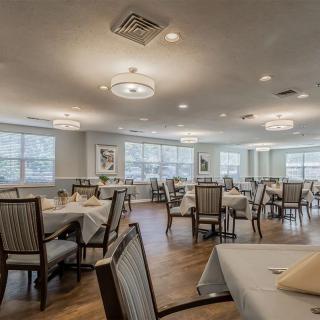
    An elegantly furnished dining area with neatly arranged tables and chairs.
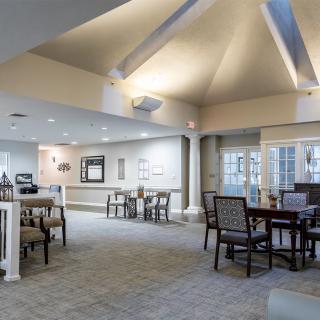
  • Dining

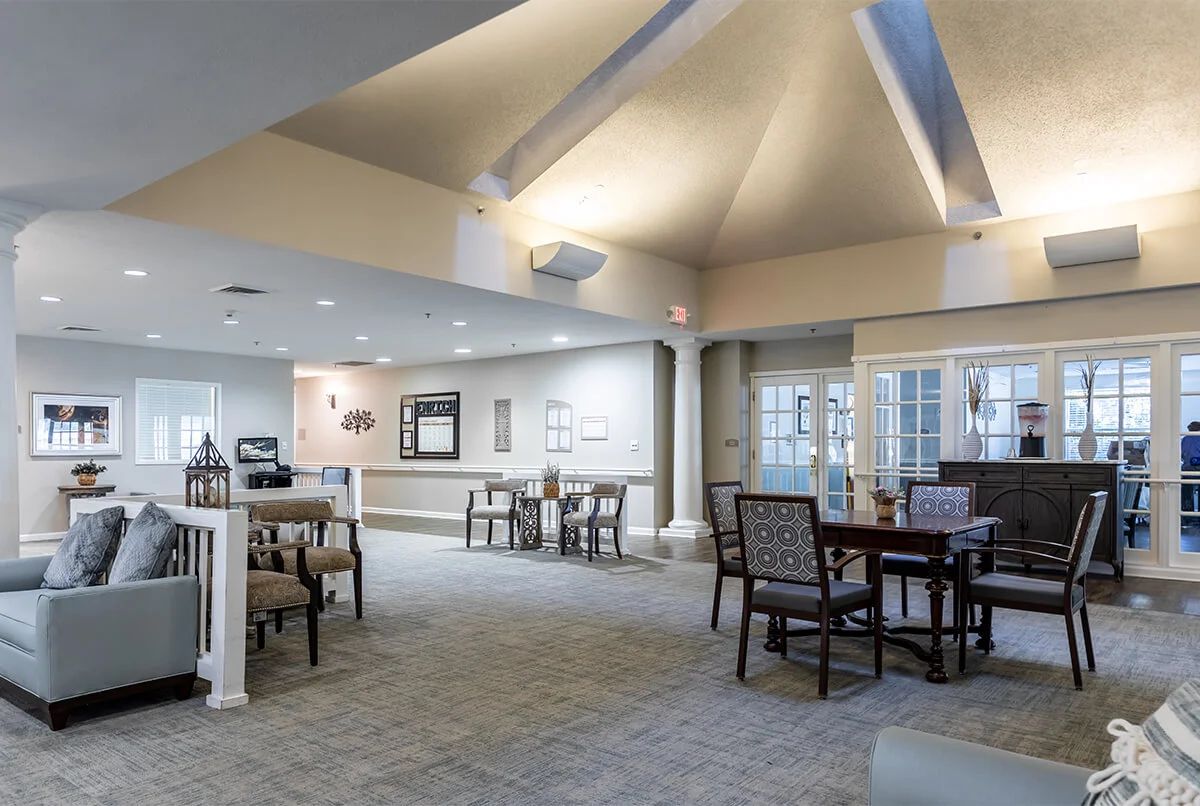
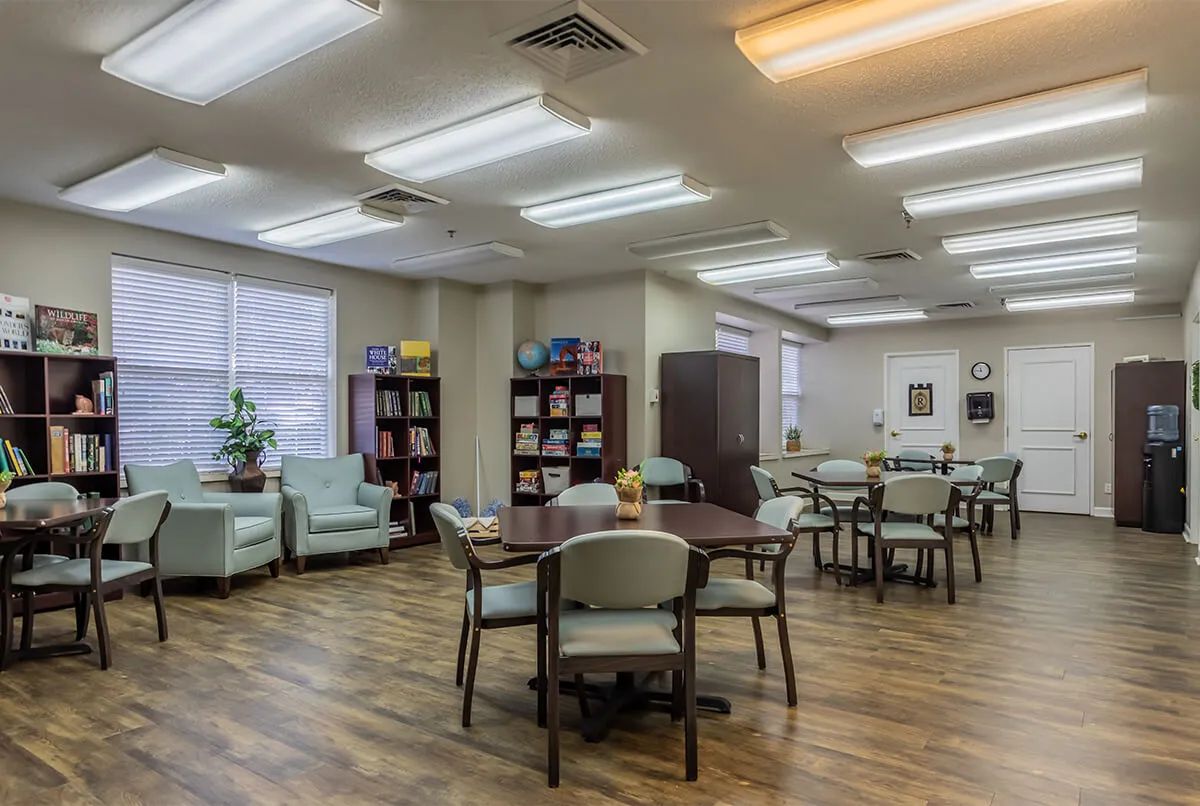
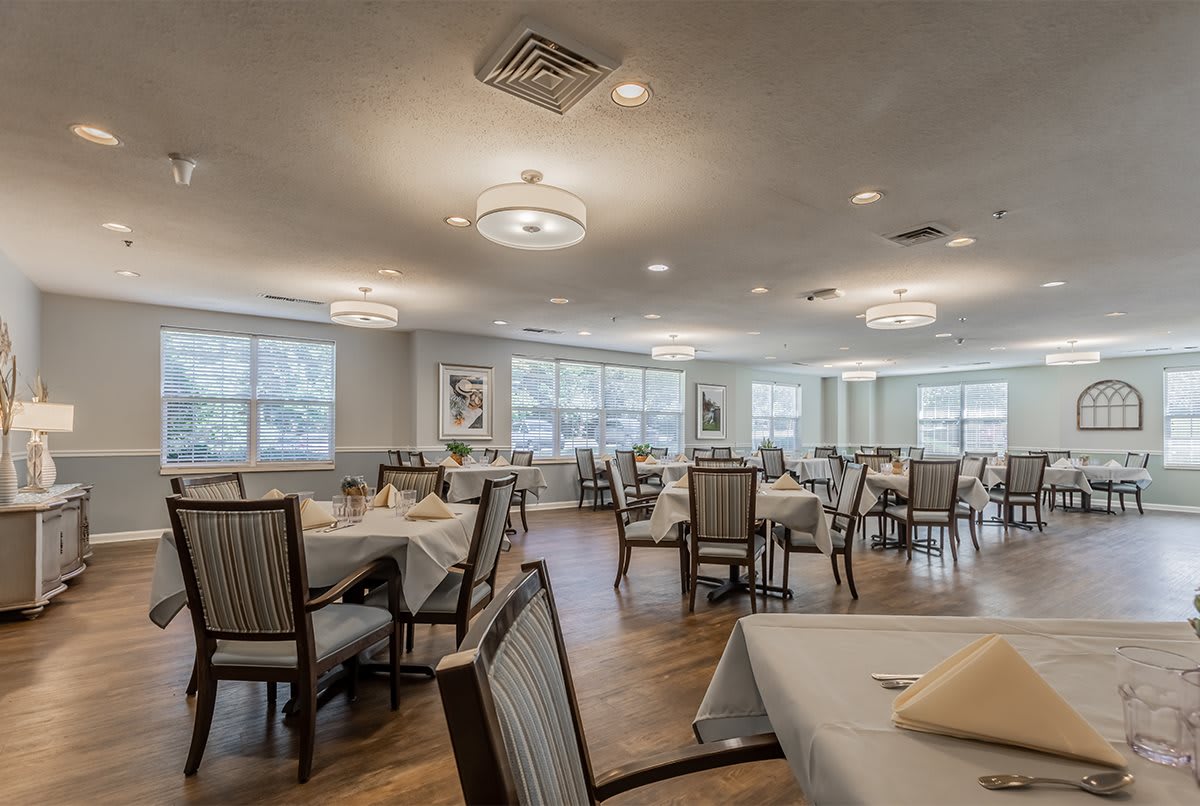
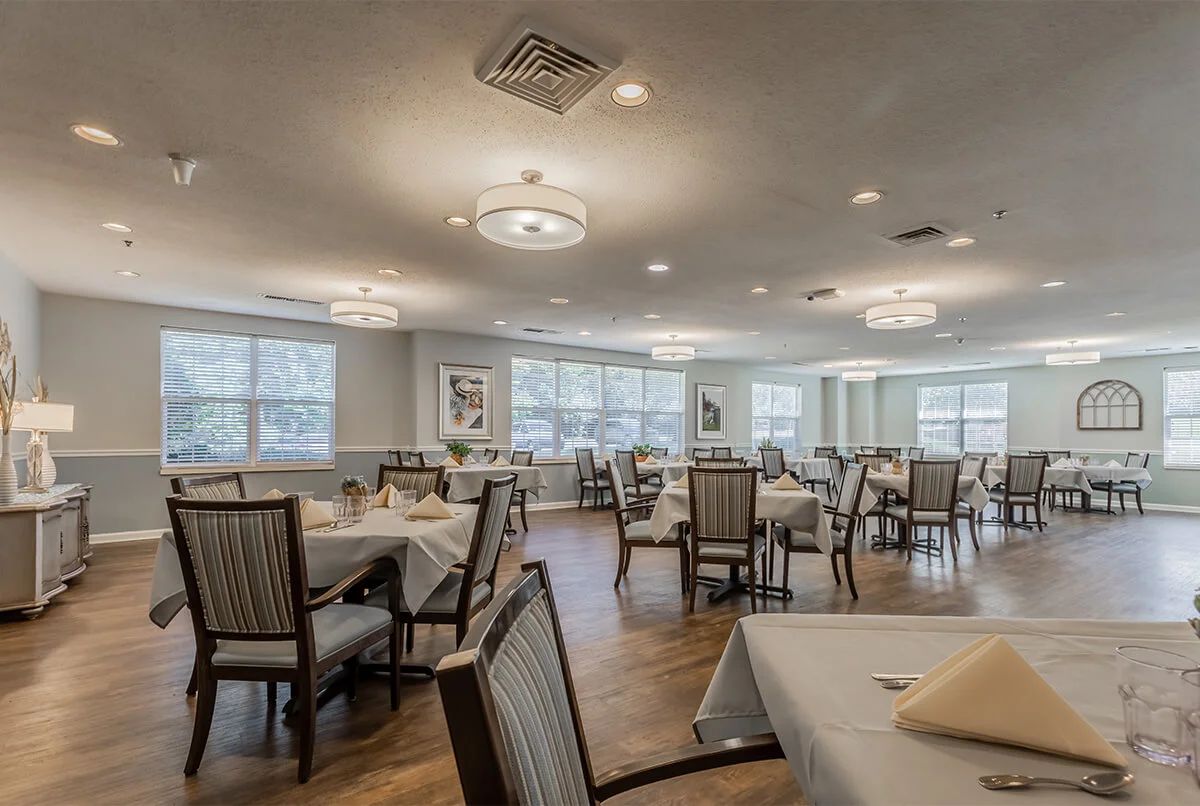
    A spacious dining area with several tables and chairs, featuring a high ceiling with modern lighting.
  • Landscaping

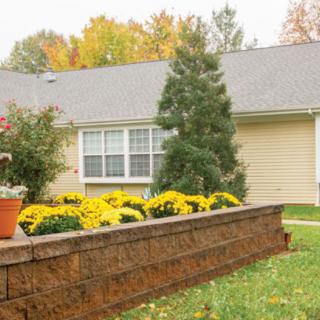
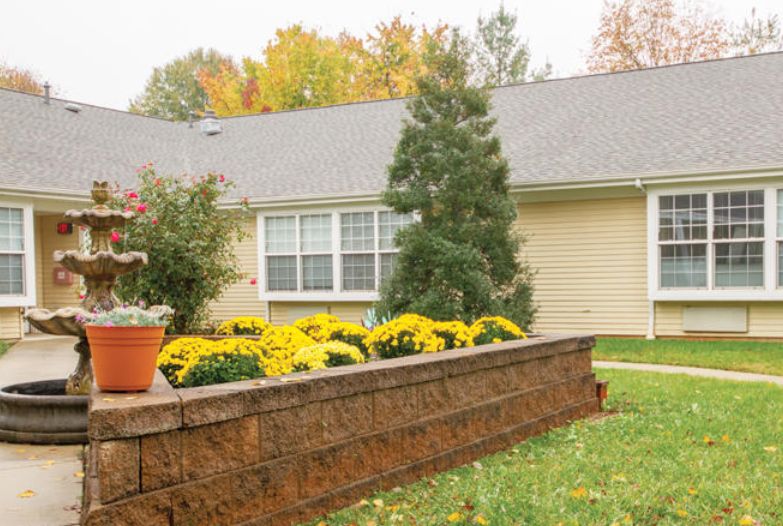
    A cozy house with a landscaped yard featuring bright yellow flowers and evergreen shrubs on an autumn day.
  • Lighting

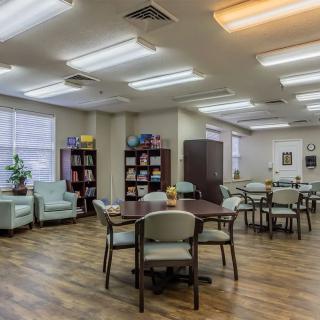
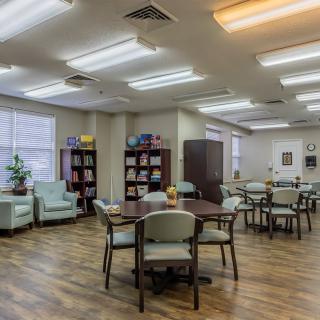
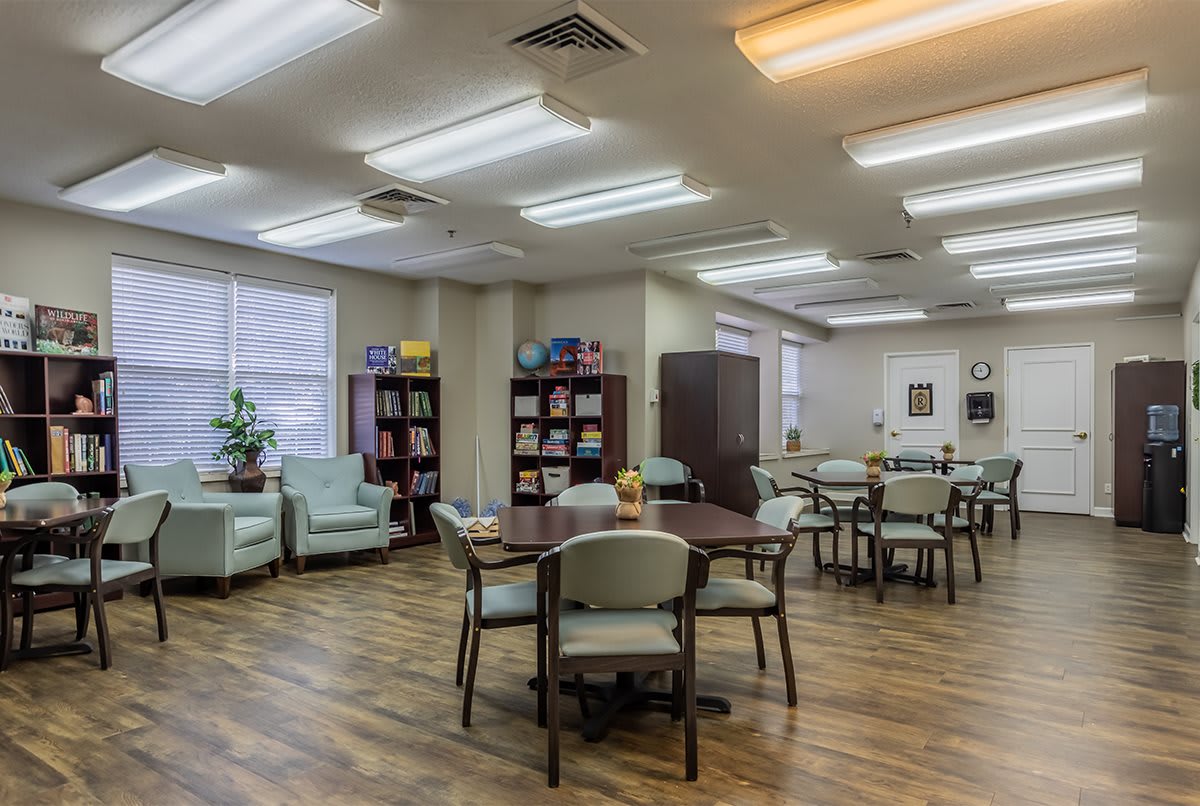
    A well-lit room with tables, chairs, and bookshelves.
  • Garden

    A picturesque garden with a charming house, surrounded by lush greenery and blue skies.
  • Seating Area

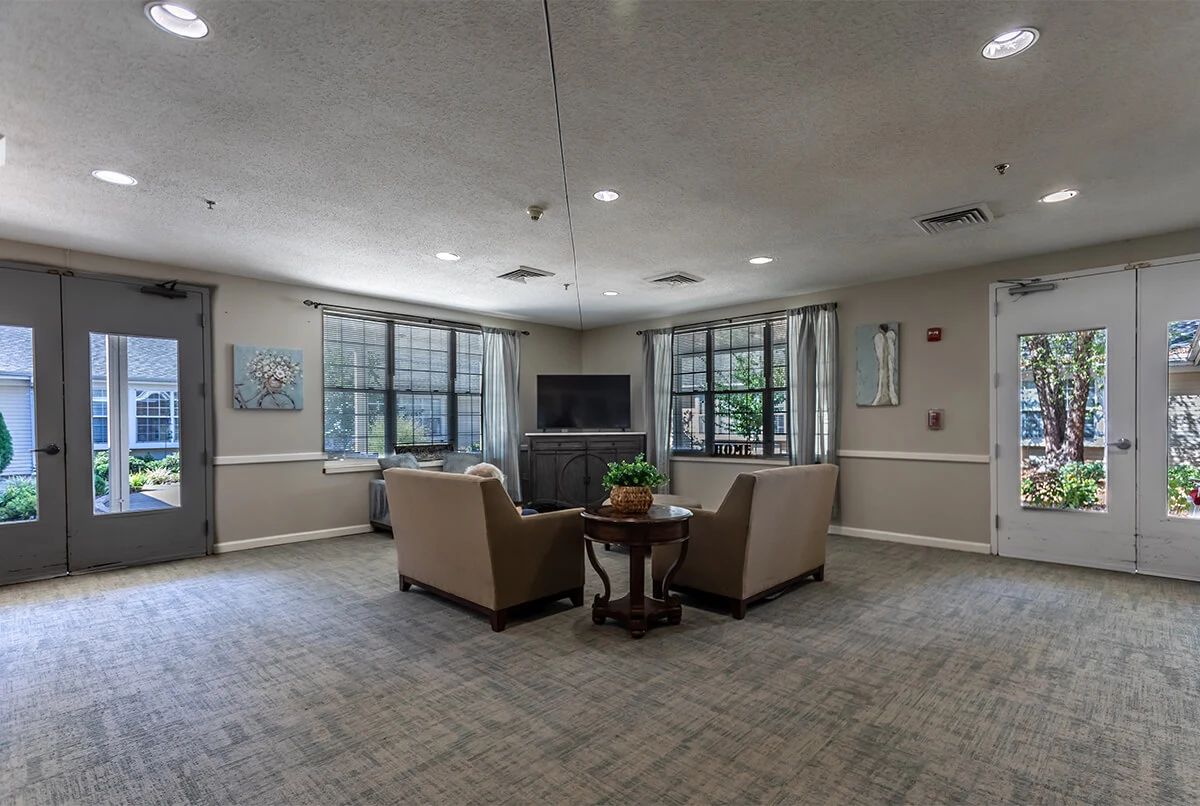
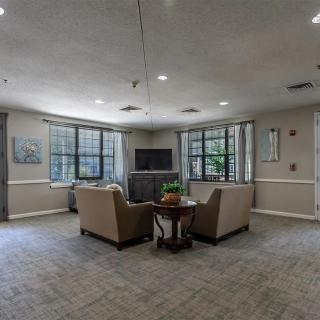
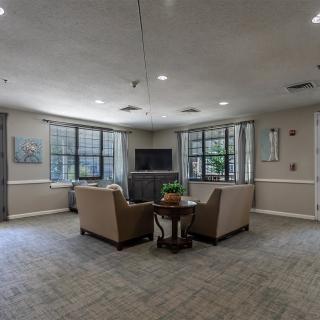
    A cozy living room with two armchairs facing a television, surrounded by large windows.
  • Bookshelves

    A cozy and well-lit lounge area with tables, chairs, bookshelves, and comfortable seating.

Richland Place in Greensboro, NC

3823 Lawndale Drive, Greensboro, NC 27455

For more information about senior living options: (844) 490-3973

4.3 from 80 reviews
5 stars
53
4 stars
15
3 stars
5
2 stars
0
1 stars
7

Memory Care

Richland Place Costs & Pricing

Richland Place offers competitive pricing for its accommodations, with costs reflecting the quality and services provided. For a semi-private room, residents can expect to pay $4,840 per month, which is significantly higher than the average of $3,673 in Guilford County and $3,584 across North Carolina. Similarly, studio apartments at Richland Place are priced at $6,900, surpassing the county and state averages of $3,941 and $4,020 respectively. While the rates at Richland Place may be elevated compared to local benchmarks, they likely reflect an enhanced level of care and amenities that cater to the needs of its residents.

Floor plansRichland PlaceGuilford CountyNorth Carolina
Semi-Private$4,840$3,673$3,584
Studio$6,900$3,941$4,020

What level of care are you interested in?

Assisted Living

Memory Care

Independent Living

Skilled Nursing Facility

Continuing Care Retirement Community (CCRC)CCRC

Other


Request a tour at Richland Place

    Overall Review of Richland Place

    Pros

    • pro The staff welcomed Mawmaw like royalty and greeted her with a slice of cake.
    • pro Tressa Hogan was very helpful in guiding them through the process.
    • pro Mawmaw is doing amazing, being active and getting around really well.
    • pro Mawmaw has enjoyed activities such as cornhole, s'mores, and bingo, and has begun making friends.
    • pro Her room was comfortable and could be decorated to feel like home.
    • pro Richland Square is highly recommended for memory care, with attentive and caring staff.
    • pro Tressa Hogan is described as wonderful, knowledgeable, compassionate, and kind.
    • pro The transition to Richland Square was smooth, with excellent communication and regular updates.
    • pro Richland Place is described as warm and inviting, with a focus on memory care and engaged residents.
    • pro The staff at Richland Place are compassionate, helpful, and genuinely care about the residents.

    Cons

    • pro The place smells like urine, residents wander around, disheveled and bored.
    • pro There's a calendar of daily events posted that never happen.
    • pro There's a huge turnover of staff, with lazy, rude caregivers who don't engage with residents.
    • pro Despite labeling clothing, most of it goes missing or is seen being worn by other residents.
    • pro Resident rooms are unlocked and people wander in and out, sometimes making it hard to locate a resident.
    • pro The facility is consistently short-staffed, compromising proper care.
    • pro The building is infested with spiders and insects, indicating neglect.
    • pro The building has been cited multiple times for health and safety violations.

    Review

    Richland Place Memory Care is best suited for families seeking a dementia-focused, memory-care specific environment where staff are trained to understand Alzheimer's and related conditions, and where admission teams actively shepherd families through a tough transition. The community consistently presents as a home-like setting with a strong emphasis on dignity, routine, and meaningful engagement. Families report a standout admissions experience led by Tressa Hogan, whose patient guidance, ongoing communication, and proactive problem-solving set a tone that many other facilities struggle to achieve. For residents who benefit from a structured day - court-yard activity, social clubs, and on-site dining - Richland Place can feel like a reassuring, predictable daily rhythm rather than a clinical corridor.

    Those weighing alternatives should note where caution is warranted. Some reviews raise red flags about staffing consistency, cleanliness, and safety, including claims of odors, unlocked areas, and resident wandering. A subset of experiences describe higher staff turnover, uneven engagement, and gaps in follow-through for daily care. In a few cases, families questioned whether the level of supervision and maintenance aligned with expectations for a secure memory-care environment. Prospective entrants should weigh these contrasts against the facility's strengths and consider alternative communities with a steadier staffing profile or a newer physical plant if those factors are non-negotiable.

    The core strengths of Richland Place - its dementia expertise, caring staff, and transparent communication - offset many of the most common concerns. The focus on memory care translates into consistently trained caregiving teams, who residents and families repeatedly praise for treating people with dignity and patience. Families highlight robust social programming, with residents participating in games, cooking activities, and courtyard time that helps sustain mood and mobility. The emphasis on family involvement, open updates, and a leadership team that advocates for residents creates a sense of safety during the adjustment period, which, in turn, makes the decision to move into memory care feel less daunting.

    Yet the cons cited by some residents and families cannot be dismissed. Under-staffing and turnover recur as themes that can impact responsiveness and consistency of care. Sanitation and safety concerns - ranging from lingering odors to reports of unauthorized access or maintenance lapses - underscore the importance of on-site verification during tours and ongoing monitoring after move-in. The facility's aging physical plant and occasional operational gaps (such as inconsistent housekeeping or routine maintenance) may dilute the otherwise strong impression of a specialized, compassionate team. These factors are real enough to require diligence; they do not necessarily negate the positives, but they do demand careful, up-front questions and ongoing oversight.

    To make a well-informed decision, prospective families should verify several key points in person. Request to meet the memory-care director and the executive team to understand staffing ratios, shift coverage, and how care plans adjust as needs evolve. Ask for current inspection or survey results, and request a tour that includes staffing in action during a typical day, not just staged moments. Inquire about meal service quality, dietary accommodations, and how activities are tailored to individual histories and preferences. Lastly, test the accessibility and safety measures - door controls, secure outdoor space, and back-up power provisions - to ensure peace of mind during emergencies.

    Overall, Richland Place stands out as a strong contender for memory-care needs in Guilford County, especially for families prioritizing specialized dementia training, meaningful engagement, and proactive family communication. When matched with the right resident and a careful on-site assessment, the community delivers a home-like, supportive environment that can significantly ease the transition for both resident and family. However, potential changes in staffing and the occasional safety or sanitation concern mean this option should be paired with rigorous verification and, where possible, direct comparison to competing memory-care communities. For families seeking a dementia-focused home with attentive staff and clear leadership, Richland Place remains a top consideration worth prioritizing.

    Features

    Housing

    • 70 resident community capacity 70 resident community capacity

    Types of Care

    • Memory Care Memory CareMemory care is crucial for seniors as it provides specialized support and services for individuals with dementia or Alzheimer's disease. These programs offer a safe and secure environment where residents receive personalized care, cognitive stimulation, and help with daily activities. Memory care helps seniors maintain their independence, quality of life, and dignity while also providing peace of mind for their families.

    Amenities

    • Activities off-site Activities off-siteEngaging in off-site activities is crucial for seniors to maintain social connections, stay active, and stimulate their minds. It promotes overall well-being and helps combat feelings of isolation and loneliness.
    • Activities on-site Activities on-siteActivities on-site are important for seniors because they provide opportunities for socialization, mental stimulation, physical activity, and overall well-being. Engaging in activities can help seniors stay active, maintain their independence, and improve their quality of life.
    • Air-conditioning Air-conditioningAir conditioning is important for seniors as they are more vulnerable to heat-related illnesses and may have underlying health conditions that make it difficult for them to regulate their body temperature. It helps to keep them comfortable, safe, and healthy in hot weather.
    • Beautician on-site Beautician on-siteHaving a beautician on-site at a senior living community is important for seniors as it allows them to easily access grooming and personal care services, boosting their self-esteem and overall well-being. It also provides convenience and helps seniors maintain their sense of independence and personal style.
    • Beauty salon Beauty salonBeauty salons are important for seniors because they provide a space for them to feel pampered, socialize, and maintain their personal grooming and hygiene. Regular visits to a beauty salon can help boost seniors' self-esteem and overall well-being.
    • Cable or satellite TV Cable or satellite TVCable or satellite TV is important for seniors because it provides entertainment, news, and companionship, helping to combat loneliness and boredom. It also offers a wide range of programming options tailored to different interests and preferences.
    • Computer center Computer centerA computer center is essential for seniors as it provides access to technology, communication tools, and resources that can enhance their daily lives. It allows them to stay connected with loved ones, engage in online activities, and learn new skills, ultimately promoting socialization and mental stimulation.
    • Devotional services off-site Devotional services off-siteDevotional services off-site are important for seniors as they provide spiritual nourishment, social engagement, and a sense of community outside of the senior living facility. This can enhance overall well-being and help combat feelings of isolation and loneliness often experienced by older adults.
    • Devotional services on-site Devotional services on-siteDevotional services on-site provide seniors with spiritual support and a sense of community, as well as an opportunity for reflection and guidance during their senior living experience. This can promote emotional well-being and connection to others, leading to a more fulfilling and enriching lifestyle in their later years.
    • Dining room Dining roomDining rooms are important for seniors as they provide a space for socialization, connection, and nutritious meals. They offer opportunities for residents to bond over shared meals, foster a sense of community, and promote healthy eating habits. Dining rooms also ensure that seniors have access to well-balanced meals tailored to their dietary needs and preferences.
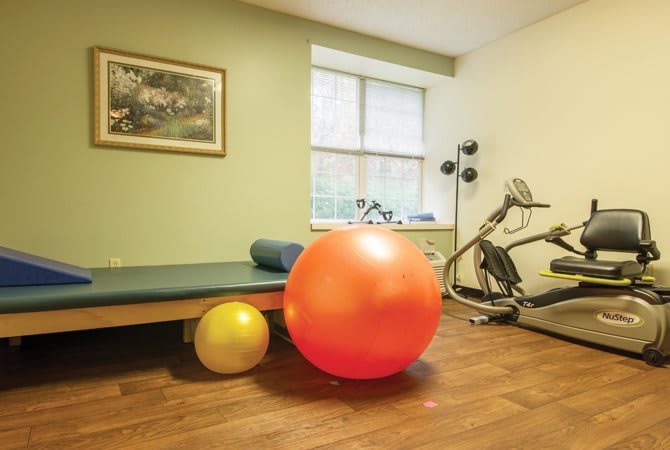
    • Fitness room Fitness roomHaving a fitness room in a senior living community is essential for seniors to stay active, maintain their physical health, and improve their overall well-being. Regular exercise can help prevent falls, reduce the risk of chronic diseases, and promote mental sharpness. It also provides social opportunities for residents to connect with others and enjoy a sense of community.
    • Fully furnished Fully furnishedFully furnished senior living communities are important for seniors because they provide convenience, comfort, and a hassle-free moving experience. Seniors can easily settle into their new living space without the stress of having to buy and move furniture. This allows them to focus on enjoying their new home and community.
    • Gaming room Gaming roomGaming rooms are important for seniors as they provide a fun and engaging environment for socializing, cognitive stimulation, and physical activity. Games can improve memory, problem-solving skills, and overall mental well-being while fostering friendships and reducing feelings of isolation.
    • Garden GardenGardens are important for seniors as they provide a peaceful and therapeutic environment for relaxation, physical activity, and socialization. Being in nature has been shown to reduce stress, improve mood, and promote overall well-being. Gardens also offer opportunities for seniors to engage in gardening activities, which can improve mobility, flexibility, and cognitive function. Additionally, gardens create a sense of community and connection with others who share a passion for plants and outdoor spaces.
    • Garden view Garden viewGarden views are important for seniors as they provide natural beauty and tranquility, promoting relaxation and overall well-being. Access to green spaces can also encourage outdoor activity and socialization, enhancing physical and mental health.
    • Ground floor units Ground floor unitsGround floor units are important for seniors because they provide easy accessibility, reduced risk of falls and injuries, and convenience for those with mobility issues. Seniors can avoid climbing stairs or using elevators, making daily tasks and activities more manageable and enjoyable.
    • Handicap accessible Handicap accessible"Handicap accessible" amenities are crucial for seniors to ensure they can easily navigate and access facilities, services, and activities without barriers or limitations due to physical impairments. This promotes independence, safety, and inclusivity for seniors in senior living communities.
    • Housekeeping services Housekeeping servicesHousekeeping services are important for seniors because they help maintain a clean and safe living environment, promote independence, and reduce the risk of accidents or illnesses. Additionally, having assistance with household chores can alleviate physical strain and allow seniors to focus on other aspects of their well-being.
    • Indoor common areas Indoor common areasIndoor common areas are crucial for seniors as they provide a space for socialization, recreation, and community engagement, promoting overall well-being and reducing feelings of isolation and loneliness.
    • Kitchenette KitchenetteKitchenettes are important for seniors living in senior living communities because they provide the convenience and independence of being able to prepare simple meals and snacks in the comfort of their own living space. This can help promote a sense of autonomy and well-being for seniors, allowing them to maintain some level of control over their dietary choices and daily routines.
    • Move-in coordination Move-in coordinationMove-in coordination is important for seniors because it helps ease the transition into their new living environment. It ensures that all logistics, such as packing, organizing movers, and setting up utilities are taken care of, allowing seniors to focus on settling in and adjusting to their new home. Having a smooth move-in process can alleviate stress and anxiety, making the transition smoother and more enjoyable for seniors.
    • Outdoor common areas Outdoor common areasOutdoor common areas are important for seniors as they provide a space for socialization, physical activity, and relaxation. Being outside in nature can improve mood and overall well-being, while also encouraging movement and engagement with others. These spaces can help combat feelings of isolation and promote a sense of community among residents.
    • Outdoor space Outdoor spaceOutdoor spaces are important for seniors as they provide opportunities for physical activity, social interaction, exposure to natural light and fresh air, and a sense of connection to nature. Having access to outdoor spaces can improve overall well-being and quality of life for older adults living in senior communities.
    • Private bathrooms Private bathroomsPrivate bathrooms are important for seniors in senior living communities because they provide independence, dignity, and comfort. Having a private bathroom allows seniors to maintain their personal hygiene routines without the need for assistance, promoting a sense of autonomy and privacy. Additionally, private bathrooms help prevent the spread of infections and provide a safe and clean environment for seniors to navigate safely.
    • Restaurant-style dining Restaurant-style diningRestaurant-style dining is important for seniors because it allows them to enjoy delicious, nutritious meals in a social and upscale setting. This enhances their dining experience, promotes healthy eating habits, and fosters socialization with fellow residents, ultimately contributing to their overall well-being and quality of life.
    • Small library Small librarySmall libraries are important for seniors as they provide access to a variety of reading materials, including books, newspapers, and magazines. This can help stimulate their minds, keep them engaged, and provide a sense of community through book clubs and other social activities. Additionally, reading has been shown to improve cognitive function and overall mental well-being in older adults.
    • Telephone TelephoneTelephones are important for seniors as they provide a lifeline for communication with loved ones, emergency services, and healthcare providers. They offer a sense of security and independence, enabling seniors to stay connected and access assistance when needed.
    • Wellness center Wellness centerWellness centers are important for seniors because they offer a variety of programs and services that promote physical, mental, and emotional well-being. These centers provide opportunities for exercise, socialization, education, and relaxation, helping seniors maintain their overall health and quality of life.
    • Wheelchair accessible showers Wheelchair accessible showersWheelchair accessible showers are crucial for seniors as they provide a safe and independent bathing option for those with mobility challenges. These showers help prevent falls and allow seniors to maintain their dignity and autonomy while ensuring they can bathe comfortably.
    • Wi-Fi/high-speed internet available Wi-Fi/high-speed internet availableWi-Fi/high-speed internet is important for seniors to stay connected with loved ones, access online resources, and participate in virtual activities to combat feelings of loneliness and isolation. It also allows them to easily manage healthcare needs, access entertainment, and engage in lifelong learning opportunities.

    Transportation

    • Piedmont Triad International (6 miles away) Piedmont Triad International (6 miles away)
    • Community operated transportation Community operated transportationCommunity operated transportation is crucial for seniors as it provides them with the means to access essential services, social activities, and medical appointments. It allows seniors to maintain their independence and quality of life by ensuring they can participate in activities outside of their homes. Additionally, community-operated transportation services offer a safe and reliable way for seniors to travel without having to rely on family or friends for assistance.
    • Transportation arrangement Transportation arrangementTransportation arrangements are crucial for seniors as they may face challenges with driving, mobility, or access to public transportation. Having reliable transportation services ensures that seniors can easily attend appointments, social activities, and maintain their independence and quality of life.
    • Transportation arrangement (non-medical) Transportation arrangement (non-medical)Transportation arrangements are essential for seniors as they provide access to essential services, activities, and social interactions outside the home. This service helps maintain independence, mobility, and overall well-being for seniors who may have limited transportation options.
    • Transportation to doctors appointments Transportation to doctors appointmentsTransportation to doctors appointments is crucial for seniors as it ensures they have access to necessary medical care and support, promoting their health and well-being. It allows them to receive timely treatment, monitor existing conditions, and address any new health concerns efficiently. Additionally, transportation services can help seniors maintain their independence and quality of life by enabling them to stay connected with their healthcare providers.

    Care Services

    • 12-16 hour nursing 12-16 hour nursing12-16 hour nursing care is crucial for seniors in order to ensure around-the-clock monitoring, timely medication administration, and prompt response to any health concerns or emergencies. This level of care helps to promote the overall well-being and safety of seniors living in senior living communities.
    • 24-hour call system 24-hour call system24-hour call systems are important for seniors because they provide peace of mind and immediate assistance in case of emergencies. This technology ensures that help is always available, promoting safety and security for elderly individuals living alone or in assisted living facilities.
    • 24-hour supervision 24-hour supervision24-hour supervision is important for seniors to ensure their safety, well-being, and access to immediate assistance in case of emergencies or health issues. This constant support provides peace of mind for both seniors and their loved ones, allowing them to age in place with dignity and security.
    • Activities of daily living assistance Activities of daily living assistanceActivities of daily living assistance are important for seniors because they provide essential support with tasks such as eating, bathing, dressing, and mobility. This assistance helps seniors maintain their independence, dignity, and overall quality of life as they age.
    • Ambulatory care Ambulatory care"Ambulatory care services provide essential medical support and treatment to seniors without requiring hospitalization, allowing them to maintain their independence and quality of life while managing chronic conditions or receiving routine medical care."
    • Assistance with bathing Assistance with bathingAssistance with bathing is crucial for seniors as it helps maintain personal hygiene, prevents infections, and ensures their overall well-being and comfort. It also provides a sense of dignity and independence for seniors who may struggle with this task on their own.
    • Assistance with dressing Assistance with dressingAssistance with dressing is important for seniors because it helps maintain their independence, promotes personal hygiene, prevents accidents and injuries, and improves overall quality of life. This service ensures that seniors can continue to dress comfortably and confidently, despite any physical limitations they may have.
    • Assistance with transfers Assistance with transfersAssistance with transfers is crucial for seniors as it helps prevent falls and injuries, maintains their independence, and ensures they can safely navigate their living environment. It also provides peace of mind for both seniors and their loved ones.
    • Coordination with health care providers Coordination with health care providersCoordination with health care providers is crucial for seniors to ensure proper medical care, medication management, and overall well-being. This collaboration helps prevent overlapping treatments, track progress more effectively, and provide comprehensive support tailored to individual needs.
    • Diabetes diet Diabetes dietA diabetes diet is crucial for seniors as it helps manage blood sugar levels, reduce risks of complications, and improve overall health and well-being. By following a balanced and nutritious diet tailored to their specific needs, seniors can better control their diabetes and enhance their quality of life.
    • Diabetic care Diabetic careDiabetic care is crucial for seniors as they are more susceptible to developing diabetes due to aging and other health conditions. Proper management of diabetes can help prevent complications such as heart disease, vision loss, and nerve damage, improving the overall quality of life for seniors in senior living communities.
    • Incontinence care Incontinence careIncontinence care is essential for seniors to maintain their dignity, hygiene, and overall quality of life. By addressing incontinence issues promptly and effectively, seniors can enjoy a sense of independence and comfort in their daily activities.
    • Meal preparation and service Meal preparation and serviceMeal preparation and service are crucial for seniors as they may have limited mobility or energy to cook nutritious meals. Having access to healthy and convenient food options can ensure they are getting the proper nutrition needed to maintain their overall health and well-being.
    • Medication management Medication managementMedication management is crucial for seniors to ensure they are taking the right medications at the correct dosages and times. This helps prevent adverse drug interactions, reduces the risk of medication errors, and promotes overall health and well-being. Proactive management also allows for adjustments as needed based on changing health conditions or new prescriptions.
    • Mental wellness program Mental wellness programMental wellness programs are essential for seniors as they promote cognitive stimulation, emotional support, and social engagement. These programs help prevent isolation, depression, and cognitive decline, ultimately enhancing the overall quality of life for older adults.
    • Mild cognitive impairment Mild cognitive impairment"Mild cognitive impairment" is important for seniors because it is an early stage of cognitive decline that can potentially progress to more severe conditions such as dementia. Recognizing and addressing mild cognitive impairment can help seniors receive appropriate care and support to maintain their quality of life and independence for as long as possible.
    • Special dietary restrictions Special dietary restrictionsSpecial dietary restrictions are important for seniors because age-related changes in metabolism and health conditions can make it difficult for their bodies to process certain foods. By following a diet tailored to their specific needs, seniors can maintain their overall health and well-being, manage chronic conditions, and reduce the risk of complications such as malnutrition or food interactions with medications.
    • Specialized memory care programming Specialized memory care programmingSpecialized memory care programming is crucial for seniors with cognitive impairments such as dementia or Alzheimer's disease. These programs provide a safe and supportive environment tailored to the unique needs of individuals with memory loss, helping them maintain their independence, dignity, and quality of life.
    • Transportation arrangement (medical) Transportation arrangement (medical)Transportation arrangements for medical purposes are essential for seniors as they may have difficulty driving themselves to appointments or accessing public transportation. Having reliable and safe transportation options ensures that seniors can receive timely medical care and maintain their health and well-being.
    • Transportation to doctors appointments Transportation to doctors appointmentsTransportation to doctors appointments is crucial for seniors as it ensures they have access to necessary medical care and support, promoting their health and well-being. It allows them to receive timely treatment, monitor existing conditions, and address any new health concerns efficiently. Additionally, transportation services can help seniors maintain their independence and quality of life by enabling them to stay connected with their healthcare providers.

    Dining

    • Diabetes diet Diabetes dietA diabetes diet is crucial for seniors as it helps manage blood sugar levels, reduce risks of complications, and improve overall health and well-being. By following a balanced and nutritious diet tailored to their specific needs, seniors can better control their diabetes and enhance their quality of life.
    • Meals provided Meals provided"Meals provided" are crucial for seniors in assisted living communities as it ensures they have access to nutritious, balanced meals without the stress of meal planning and preparation. This can help promote overall health and well-being for seniors who may have limited mobility or cognitive abilities.
    • Special dietary restrictions Special dietary restrictionsSpecial dietary restrictions are important for seniors because age-related changes in metabolism and health conditions can make it difficult for their bodies to process certain foods. By following a diet tailored to their specific needs, seniors can maintain their overall health and well-being, manage chronic conditions, and reduce the risk of complications such as malnutrition or food interactions with medications.
    • Vegetarian VegetarianA vegetarian diet is important for seniors because it can help lower the risk of chronic diseases, maintain a healthy weight, and provide essential nutrients needed for aging bodies. Additionally, plant-based diets are often easier on digestive systems and can contribute to overall well-being in older adults.

    Activities

    • Art classes Art classesArt classes are important for seniors because they provide a creative outlet, improve cognitive function, reduce stress and anxiety, promote socialization, and enhance overall well-being and quality of life.
    • Bible study group Bible study groupBible study groups provide seniors with a sense of community, spiritual growth, and support during their later years. It helps them stay connected to their faith, find comfort in difficult times, and build meaningful relationships with others.
    • Brain fitness Brain fitnessBrain fitness is important for seniors as it helps to maintain cognitive function, memory, and overall mental well-being. Engaging in activities that challenge the brain can help prevent cognitive decline and promote a healthier, more fulfilling quality of life in older adults.
    • Community-sponsored activities Community-sponsored activitiesCommunity-sponsored activities are important for seniors as they provide opportunities for social interaction, mental stimulation, and physical activity. These activities can help improve overall well-being, combat loneliness and isolation, and promote a sense of belonging and purpose among older adults.
    • Concierge services Concierge servicesConcierge services are essential for seniors as they provide assistance with daily tasks and errands, enhance their quality of life by offering convenience and personalized care, and promote a sense of safety and security.
    • Current events club Current events clubCurrent events clubs are important for seniors as they provide an opportunity to stay engaged, informed, and connected with the world around them. These clubs offer a space for discussion, debate, and social interaction, helping seniors to remain mentally stimulated and socially active. Additionally, participating in current events clubs can help seniors feel a sense of purpose and belonging within their community.
    • Day trips and outings Day trips and outingsDay trips and outings are important for seniors as they provide opportunities for socialization, mental stimulation, physical activity, and a break from daily routines. These experiences can enhance overall well-being and quality of life for older adults living in senior communities.
    • Devotional activities on-site Devotional activities on-siteDevotional activities on-site provide seniors with a sense of community, spiritual fulfillment, and emotional support, promoting overall well-being and a positive sense of purpose in their lives.
    • Fitness programs Fitness programsFitness programs are crucial for seniors as they help improve strength, flexibility, balance, and overall well-being. Staying active can reduce the risk of chronic diseases, improve mental health, and enhance quality of life in older adults.
    • Gardening club Gardening clubGardening clubs are important for seniors because they provide a sense of community, promote physical activity and mental well-being, and offer opportunities for socialization and connection with nature. Gardening can also improve cognitive function and overall quality of life for seniors.
    • Happy hour Happy hourHappy hour is important for seniors as it provides a social activity that promotes camaraderie and reduces feelings of loneliness or isolation. It also offers an opportunity for older adults to relax, unwind, and enjoy some drinks or snacks in a fun and welcoming atmosphere.
    • Karaoke KaraokeKaraoke provides seniors with a fun and social activity that can boost mood, confidence, and cognitive function. It encourages social interaction, physical movement, and creative expression, making it an important form of entertainment for senior living communities.
    • Planned day trips Planned day tripsPlanned day trips are important for seniors because they offer opportunities for socialization, mental stimulation, and physical activity. They provide a change of scenery and help seniors stay engaged and connected to their community, promoting overall well-being and quality of life.
    • Reminiscence programs Reminiscence programsReminiscence programs are vital for seniors as they provide opportunities for them to reflect on their life experiences, share memories with others, and maintain cognitive function. These programs can improve mood, stimulate social interaction, and enhance overall well-being for older adults.
    • Resident-run activities Resident-run activitiesResident-run activities are important for seniors as they encourage social interaction, creativity, and a sense of autonomy. These activities empower seniors to stay engaged and active in their community while fostering meaningful connections with their peers.
    • Scheduled daily activities Scheduled daily activitiesScheduled daily activities are important for seniors because they provide structure, socialization, mental stimulation, and physical activity. Engaging in regular activities can improve overall well-being and quality of life for seniors living in a community setting.
    • Stretching classes Stretching classesStretching classes are important for seniors because they help improve flexibility, reduce the risk of injury, and promote overall health and well-being. Regular stretching can also help alleviate joint pain and stiffness, enhance balance and coordination, and increase range of motion.
    • Trivia games Trivia gamesTrivia games are important for seniors because they provide mental stimulation, social interaction, and a fun way to keep the mind sharp. They can help improve memory, cognitive function, and overall well-being in older adults.
    • Walking club Walking clubWalking clubs are important for seniors as they promote physical activity, social interaction, and overall well-being. Regular exercise like walking can improve balance, strength, and cardiovascular health while connecting seniors with their community and reducing feelings of loneliness or isolation. Joining a walking club can also provide motivation, accountability, and a sense of belonging for older adults looking to stay healthy and active.

    Description

    Richland Place in Greensboro, NC is an assisted living community that offers a wide range of amenities and care services to its residents. The community provides a welcoming and comfortable environment for seniors to live in.

    The community offers various activities on-site to keep residents engaged and entertained, such as gaming rooms, fitness rooms, small library, and computer centers. Residents can also enjoy the beautiful garden and outdoor spaces. Indoor common areas are available for socializing and relaxation.

    Each unit in Richland Place is fully furnished and features air-conditioning, cable or satellite TV, private bathrooms, kitchenettes, and Wi-Fi/high-speed internet access. The community is wheelchair accessible with handicap accessible units and wheelchair accessible showers.

    Richland Place provides 24-hour call system and supervision for the safety of its residents. Care services include assistance with activities of daily living such as bathing, dressing, and transfers. The community also offers medication management, diabetic care including special diets, incontinence care, mental wellness programs, specialized memory care programming for those with mild cognitive impairment.

    Residents at Richland Place enjoy restaurant-style dining with meals provided. Special dietary restrictions like vegetarian options are accommodated.

    The community encourages an active lifestyle with a variety of activities for residents to participate in. There are Bible study groups, brain fitness programs, gardening clubs, karaoke nights, planned day trips and outings. Concierge services are available to assist residents with their needs. Scheduled daily activities like stretching classes or trivia games help keep residents engaged. Walking clubs allow residents to stay active while exploring the nearby neighborhood.

    For convenience purposes, Richland Place has cafes, pharmacies, physicians' offices restaurants places of worship nearby. Transportation arrangements can be made for non-medical purposes or medical appointments.

    Overall ,Richland Place offers a comfortable living environment with a wide range of amenities and high-quality care services to meet the needs of its residents.

    Nearby Places of Interest

    This part of Greensboro, North Carolina offers a convenient and diverse range of amenities for seniors looking for a comfortable and accessible living environment. With several cafes like Starbucks and Panera Bread within close proximity, residents can enjoy delicious meals and social gatherings with ease. The area also boasts various medical facilities such as Southeastern Eye Center and Carolina Surgical Arts, providing quality healthcare services nearby. Additionally, there are multiple pharmacies for easy access to medication needs. For leisure activities, seniors can visit Regal Greensboro Grande & RPX or AMC CLASSIC Greensboro 18 theaters for entertainment options. Nearby places of worship like Christ United Methodist Church offer spiritual support and community engagement opportunities. Overall, this neighborhood provides a well-rounded environment for seniors to thrive in their daily lives.

    Cafes

    • Starbucks (0.5 miles)
    • Panera Bread (1.5 miles)
    • Caribou Coffee (2.4 miles)
    • Starbucks (2.6 miles)
    • Starbucks (3.8 miles)
    • Starbucks (5.8 miles)
    • Panera Bread (9.5 miles)

    Restaurants

    • McDonald's (0.6 miles)
    • Cook Out (0.7 miles)
    • McDonald's (0.9 miles)
    • KFC (1.5 miles)
    • Wendy's (1.5 miles)
    • Taco Bell (1.8 miles)
    • Chipotle Mexican Grill (2.3 miles)

    Physicians

    • Southeastern Eye Center Add to Favorites (0.7 miles)
    • Carolina Surgical Arts (1.2 miles)
    • Nh New Garden Med Asso (1.6 miles)
    • Greensboro Orthopedics (1.7 miles)
    • Skin Surgery Center (1.8 miles)
    • LeBauer HealthCare at Brassfield (1.8 miles)
    • Eagle Family Medicine at Brassfield (1.9 miles)

    Theaters

    • Regal Greensboro Grande & RPX (2.4 miles)
    • AMC CLASSIC Greensboro 18 (5.6 miles)
    • Regal Palladium & IMAX (9.3 miles)

    Places of Worship

    • Christ United Methodist Church (2.7 miles)
    • Lindley Park Baptist Church (3.7 miles)
    • Pinecroft Baptist Church (7 miles)
    • Immaculate Heart of Mary Catholic Church (11.9 miles)

    Pharmacies

    • Walmart Pharmacy (3.9 miles)
    • CVS Pharmacy (5.5 miles)
    • Walgreens (5.8 miles)
    • Walmart Pharmacy (5.9 miles)
    • Walgreens (7.3 miles)
    • CVS Pharmacy (7.5 miles)
    • Walgreens (8.3 miles)

    Hospitals

    • Bethany Cardiology (10 miles)
    • Cone Health Alamance Regional Medical Center (18.9 miles)

    Parks

    • Springwood Park (16.3 miles)
    • Union Cross Park (17.9 miles)

    Frequently Asked Questions

    How much does it cost to live at Richland Place in Greensboro, NC?
    Where is Richland Place?
    Does Richland Place provide care for residents with dementia or Alzheimer's disease?
    What photos are available for Richland Place in Greensboro, North Carolina?

    Nearby Communities

    • Blumenthal Nursing & Rehabilitation Center

      Blumenthal Nursing & Rehabilitation Center

      Greensboro, NC

      3.7 from 83 reviews
       

      pro Caring frontline staff in a pleasant, activity-rich environment.

    • Brookdale Lawndale Park

      Brookdale Lawndale Park

      Greensboro, NC

      4.1 from 82 reviews
      $2,750 to $6,490 / month

      pro Caring, friendly staff with engaging activities in a clean, well-maintained setting.

    • Harmony at Greensboro

      Harmony at Greensboro

      Greensboro, NC

      4.5 from 114 reviews
      $3,395 to $6,200 / month

      pro Friendly, attentive staff in a well-maintained community.

    • The Carillon

      The Carillon

      Greensboro, NC

      4.5 from 23 reviews
      $662 / month

      pro Strong sense of community with engaging activities and friendly staff.

    • Forever Young Home Care

      Forever Young Home Care

      Greensboro, NC

      5 from 1 review
       

      pro Strong commitment to keeping families informed and involved.

    • Loving Care Home Health Care Services,  LLC

      Loving Care Home Health Care Services, LLC

      Greensboro, NC


      pro Private apartments with personalized care and strong access to nearby healthcare and amenities.

    • Heartland Living & Rehab

      Heartland Living & Rehab

      Greensboro, NC

       
      $3,690 / month

      pro Diabetes-focused care with on-site activities and indoor common areas.

    • Friends Homes At Guilford

      Friends Homes At Guilford

      Greensboro, NC

      4.2 from 64 reviews
       

      pro Professional staff, a newly remodeled facility, and extensive amenities with good dining.

    • Friends Homes West

      Friends Homes West

      Greensboro, NC

      4.4 from 41 reviews
       

      pro Pleasant, quiet, home-like atmosphere.

    Related Resources

    • power of attorney for elderly parentGuiding Your Journey: Understanding Power of Attorney for Elderly Parents

      The article emphasizes the significance of establishing a power of attorney for elderly parents to enable an agent to make decisions on their behalf regarding health and finances, especially during cognitive or physical decline. It outlines various types of power of attorney, the importance of consulting legal professionals, and the responsibilities and challenges faced by agents, while also discussing alternatives and common misconceptions.

    • caregiver support group22 Remarkable Caregiver Support Groups Available Online and In-Person

      Caregiver support groups are crucial for providing emotional and practical assistance to those caring for loved ones, offering resources, coping strategies, and a sense of community through various organizations and platforms. These groups help alleviate isolation and burnout while addressing the unique challenges faced by caregivers of individuals with specific conditions.

    • does medicaid pay for assisted livingUnderstanding Medicaid Coverage for Assisted Living: A Comprehensive Guide
      The guide outlines the complexities of Medicaid coverage for assisted living, highlighting significant state-to-state variations, limited coverage often restricted to personal care services, and the existence of specialized waivers for certain needs like memory care. It advises families to consult local Medicaid offices for options while emphasizing the importance of understanding state-specific regulations and facility policies.


    Get Pricing Ask A Question Schedule A Tour Contact Senior Advisor